Who Turns Up
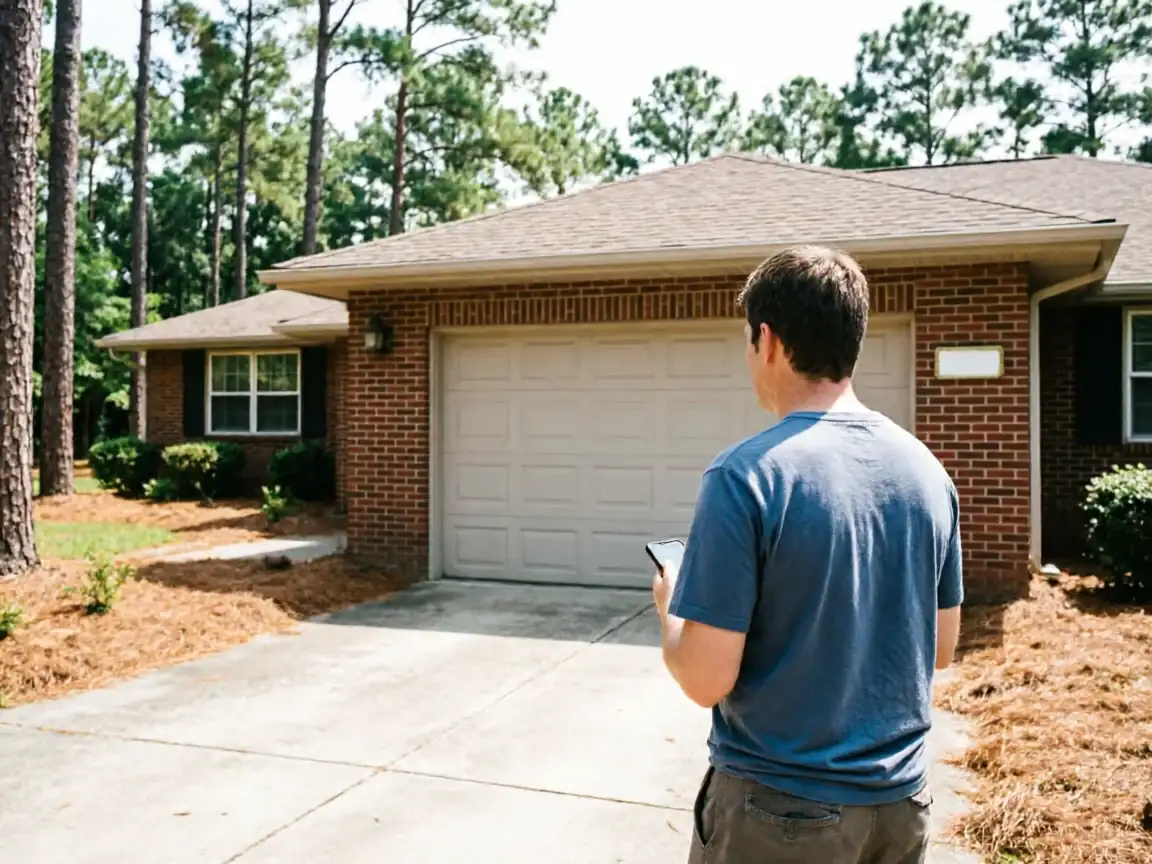
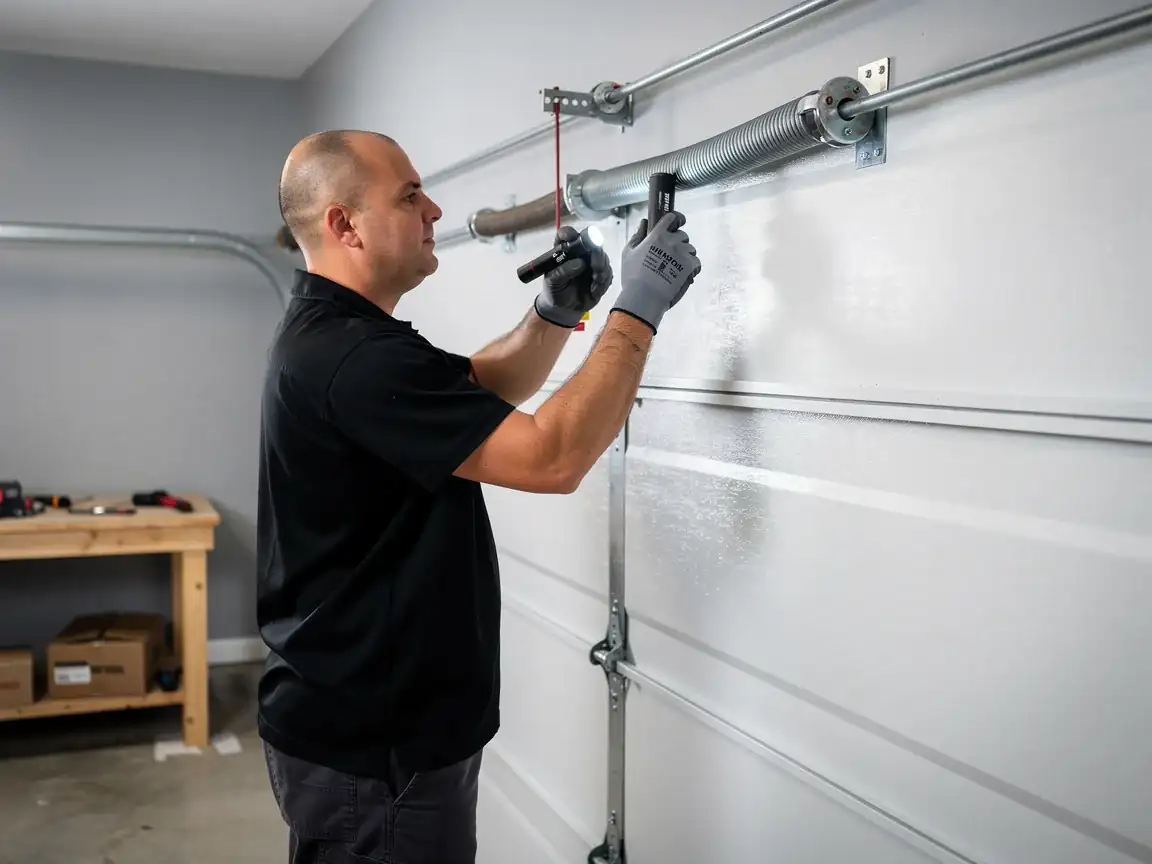
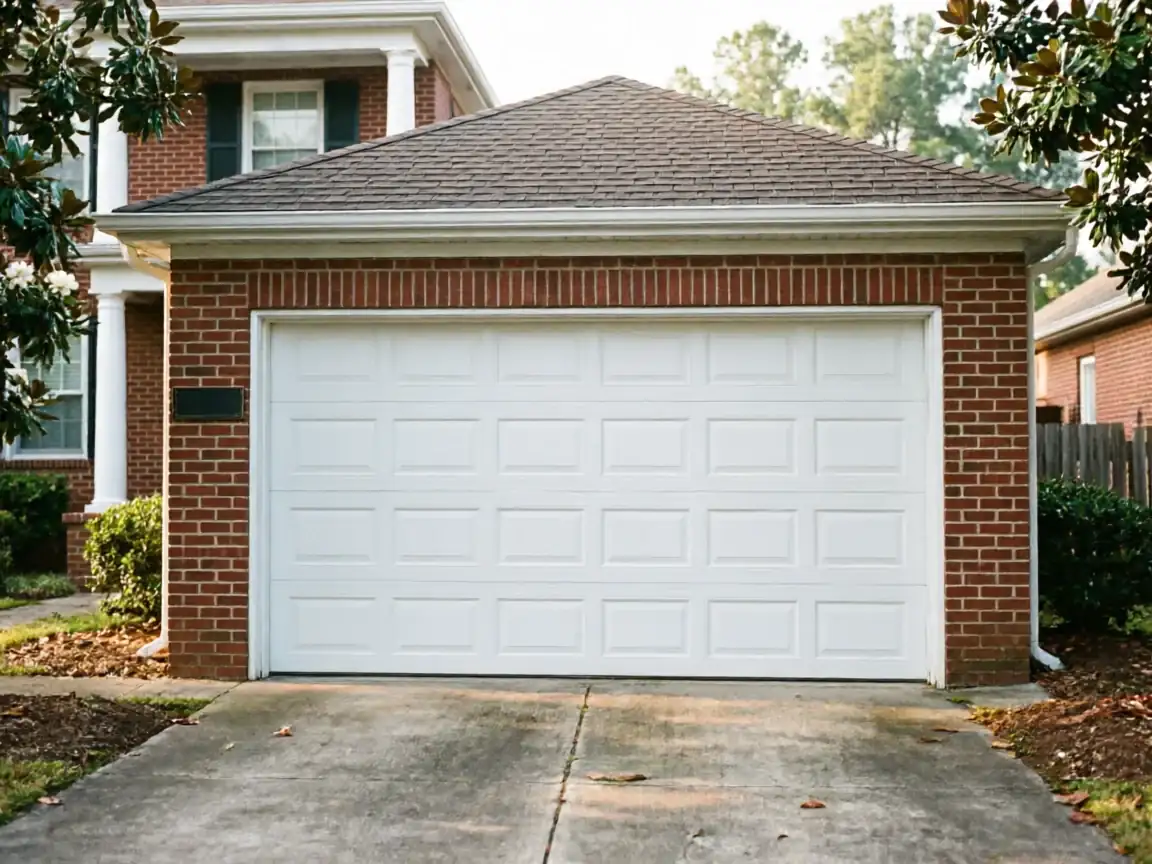
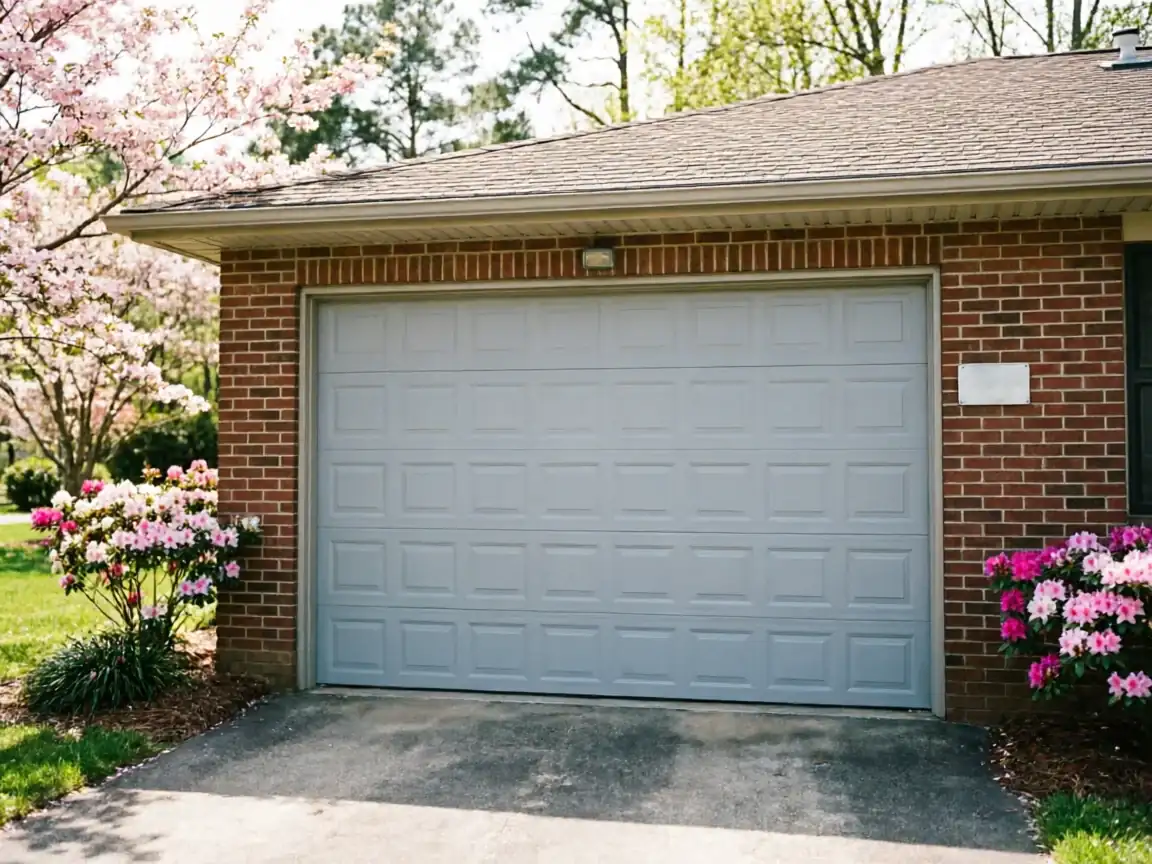
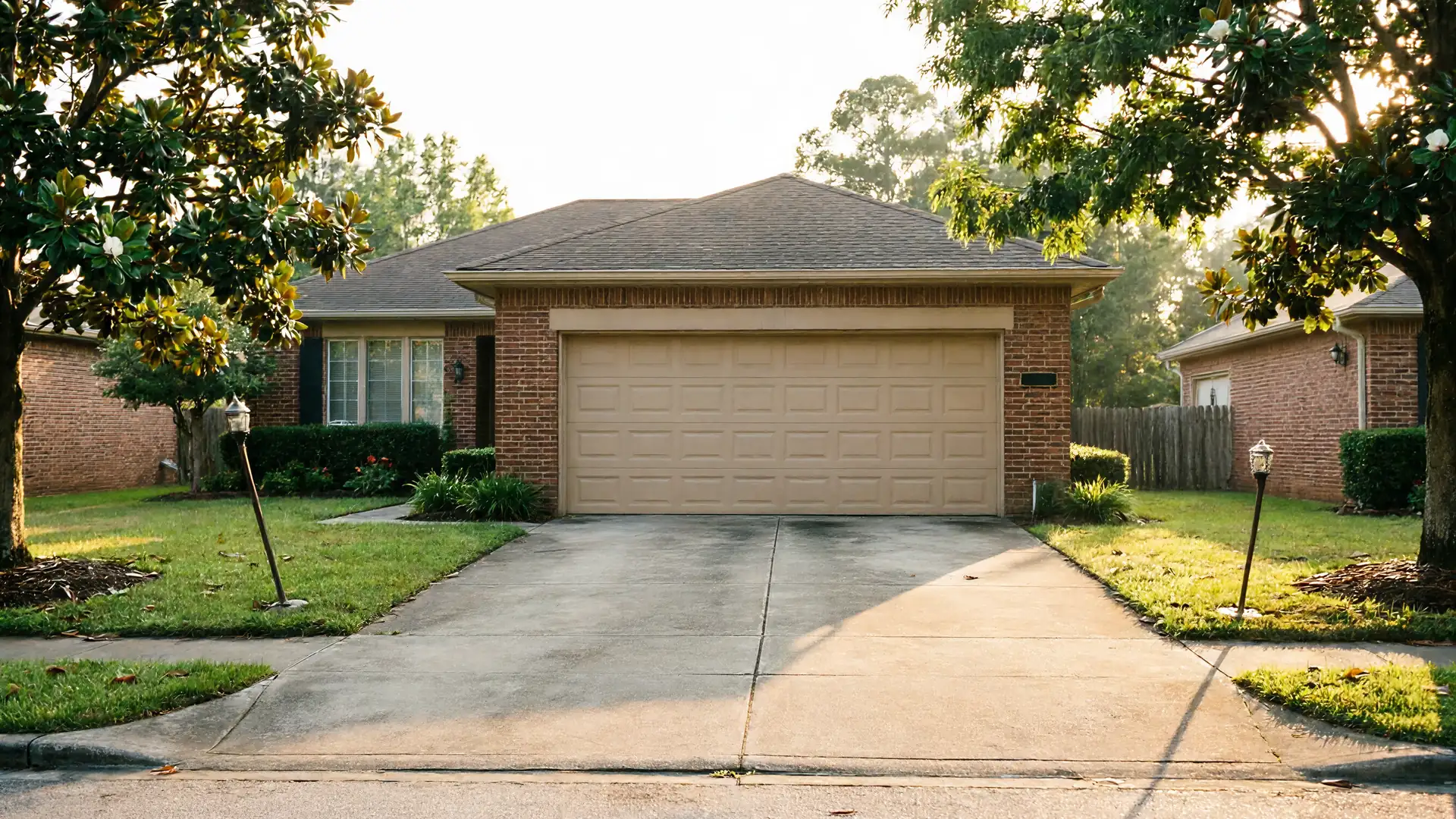
When you call, you get someone who works on the doors actually installed in this area - and that matters, because most houses here went up between 1957 and 2001, with the bulk of the stock dating to the 1960s and 70s across the nine named areas around Rome. That means a lot of steel panel doors on extension or torsion springs that were sized for a different climate load and a different set of building codes than what gets installed today. We work on what's here: galvanized torsion springs that have gone soft after years of cold-weather cycling, openers from chain-drive eras that still run but grind on the way up, and tracks bent from a car bumper or a storm gust. We don't show up with a script for a newer subdivision door, because that's not mostly what's on the ground in Rome. If your door is original to a 1975-built house, we've likely seen its twin a few streets over. That's not a boast about years in business - it's just what the housing stock here is made of, and it shapes every service call we take.
Plain Answers
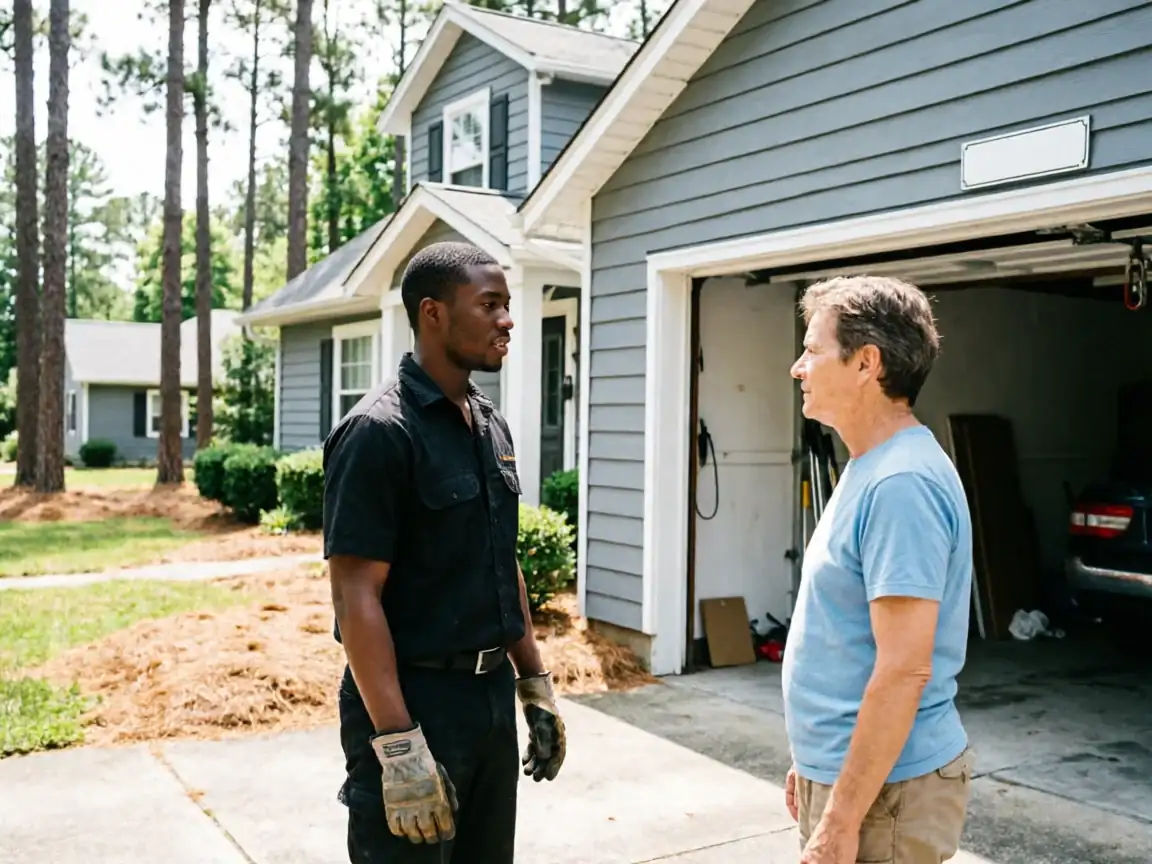
Homeowners around here are working with a median household income of about $52,799 and a mix of owner-occupied houses - roughly 6,489 of them across 13,713 total households in the service area. That matters because it shapes the advice we give: we're not going to push a full door replacement on you if a spring swap or a new set of rollers solves the problem and costs a fraction as much. At the same time, a door from the 1960s with a warped wood panel or a steel door that's rusted through at the bottom corners is often past the point where patching it makes financial sense. We'll tell you straight which category your door falls into. The climate here is cold-moderate, which is kinder to springs and openers than deep-freeze country, but temperature swings still stiffen grease and shrink metal enough to throw off balance on older torsion setups. If a part isn't something we stock on the truck, we'll say so rather than guess at a timeline.
What We Are Called Out For
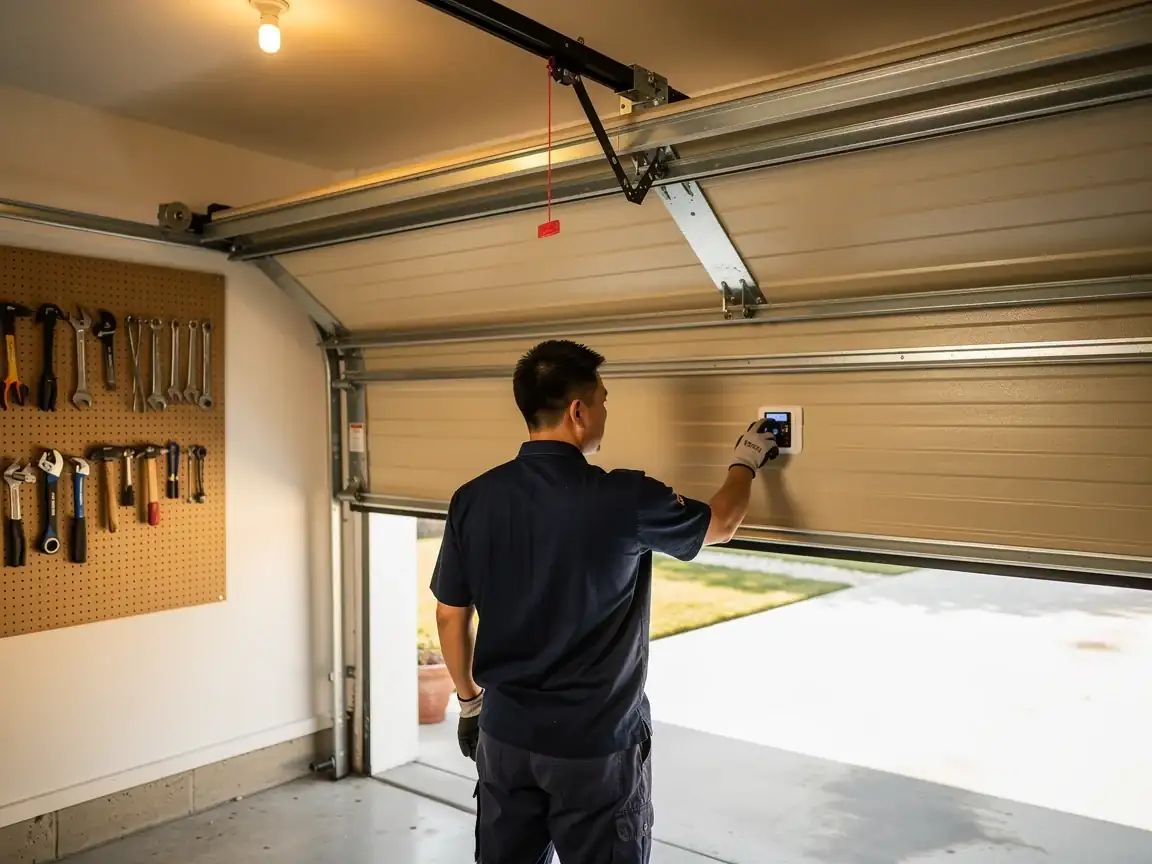
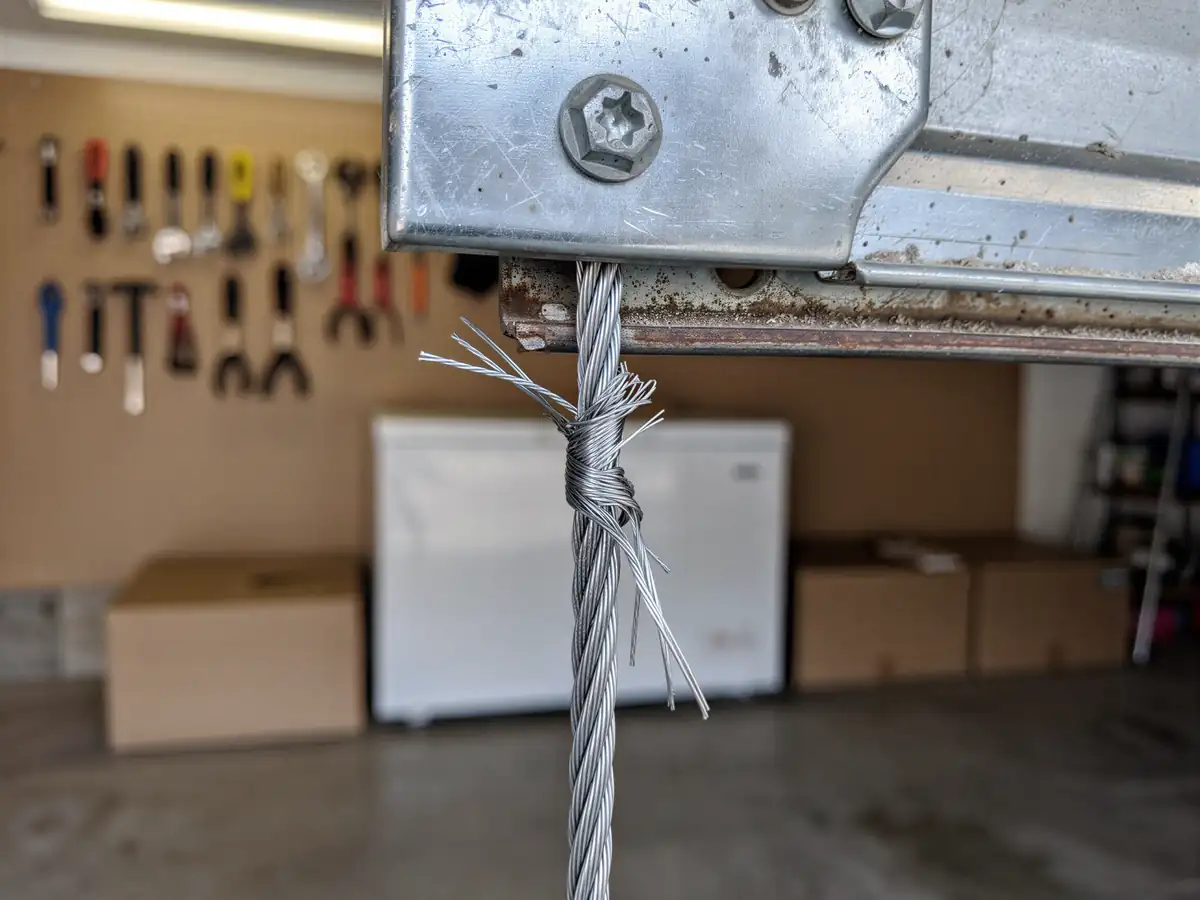
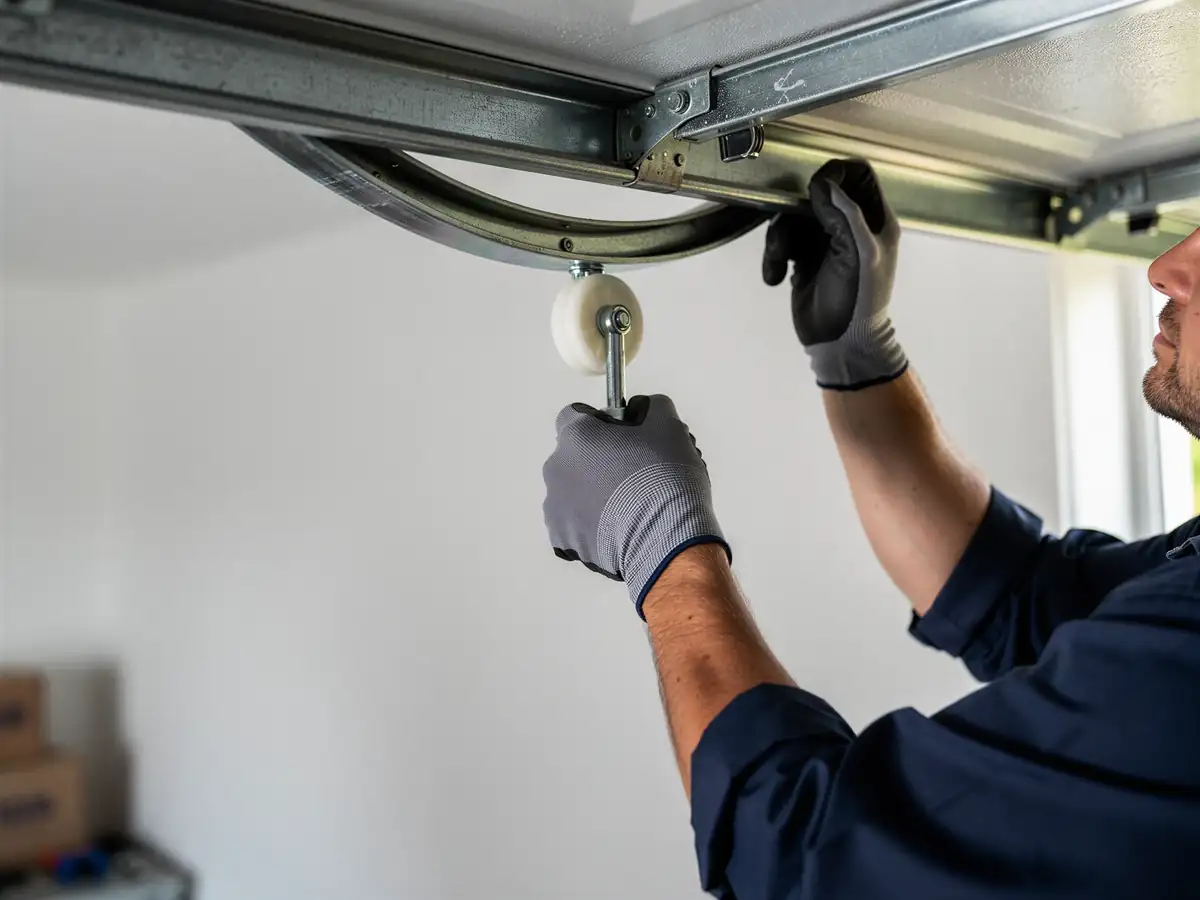
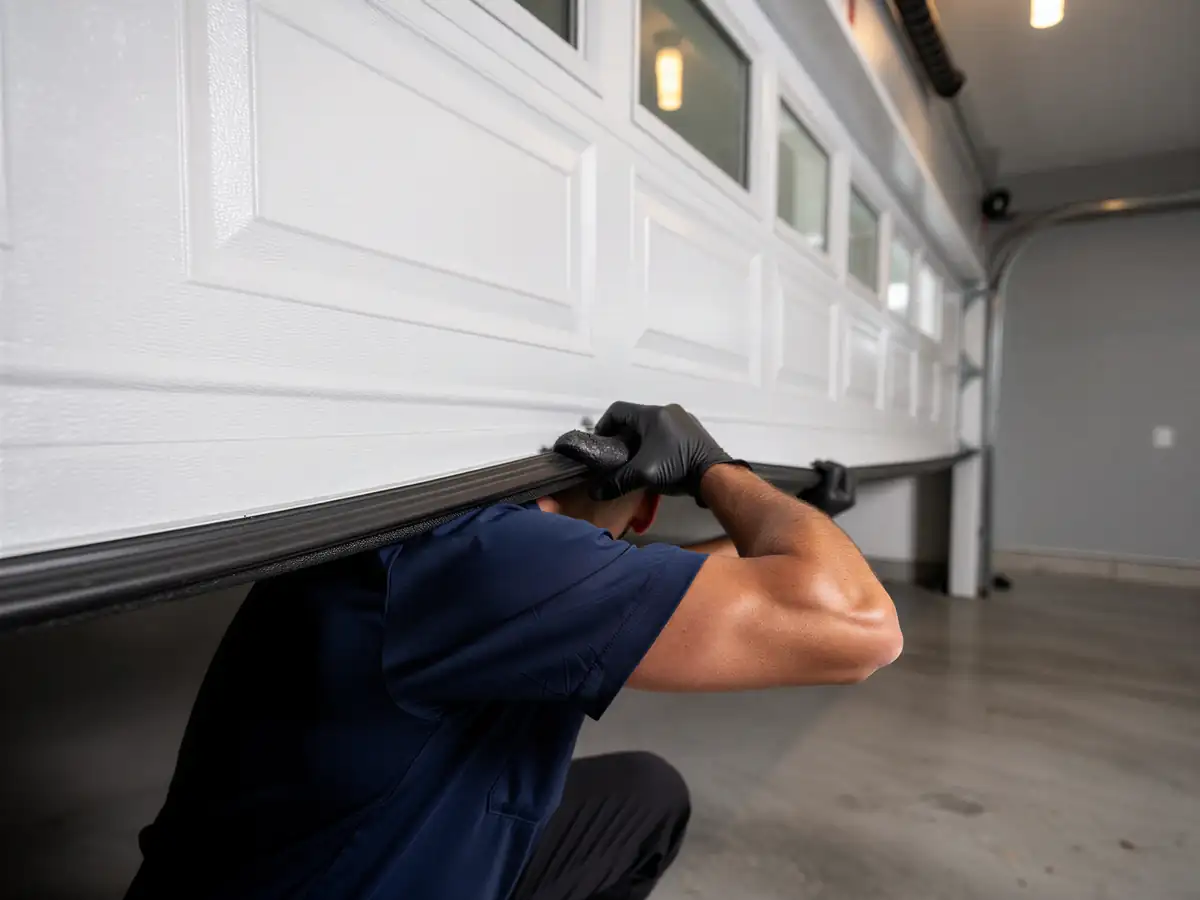
Most calls are springs - a torsion spring that's snapped clean, usually on a door that's been going up and down for decades without ever being serviced. After that it's openers that have started grinding, slipping, or just stopped responding, often on the chain-drive units that came standard on houses built through the 70s and 80s. Panels take a hit too, especially bottom panels on steel doors where rust and moisture have worked in over the years. Tracks get bent from a backed-into car or a door that's come off its rollers mid-cycle. We see fewer calls for brand-new smart openers simply because there aren't as many of them yet on houses this old - most of what's out there predates that kind of wiring. One honest limit: if a door's structural frame has rotted or the track mounting has pulled away from the framing, that's a carpentry problem before it's a garage door problem, and we'll tell you to get that sorted first.