Doing It Yourself
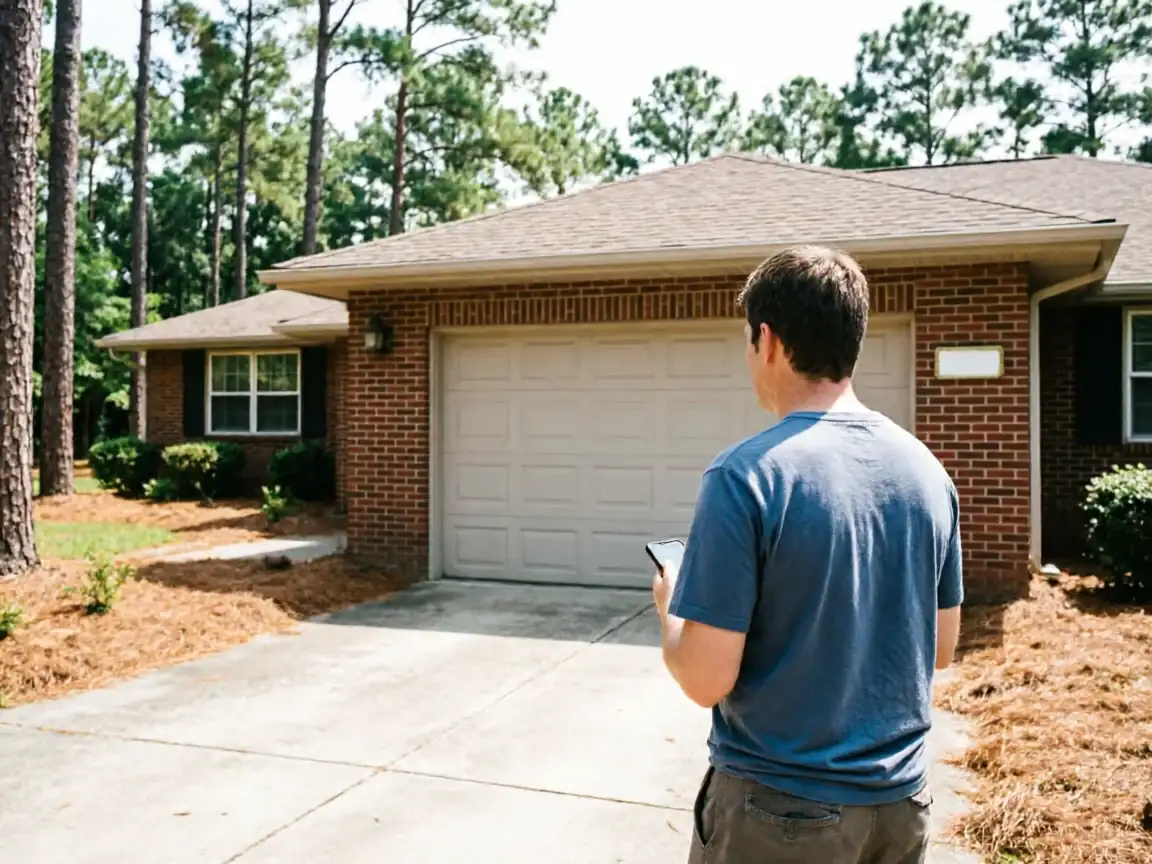
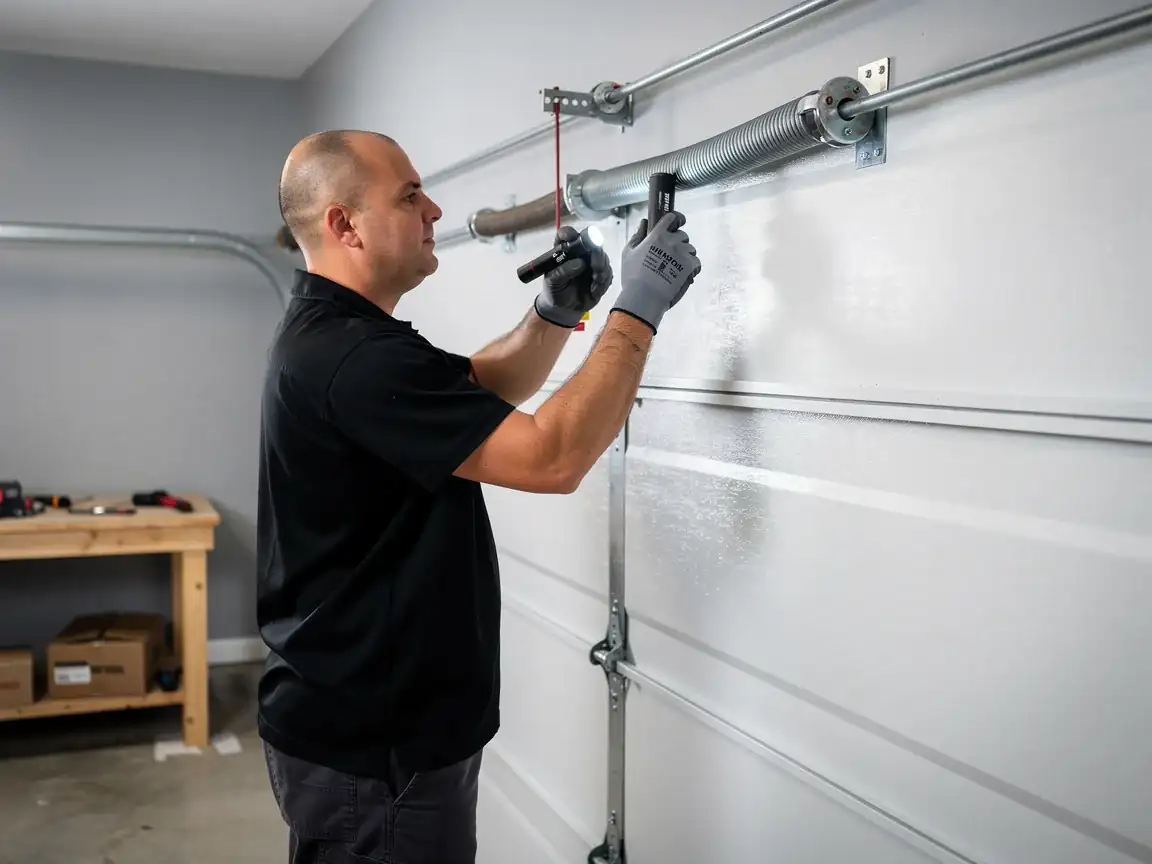
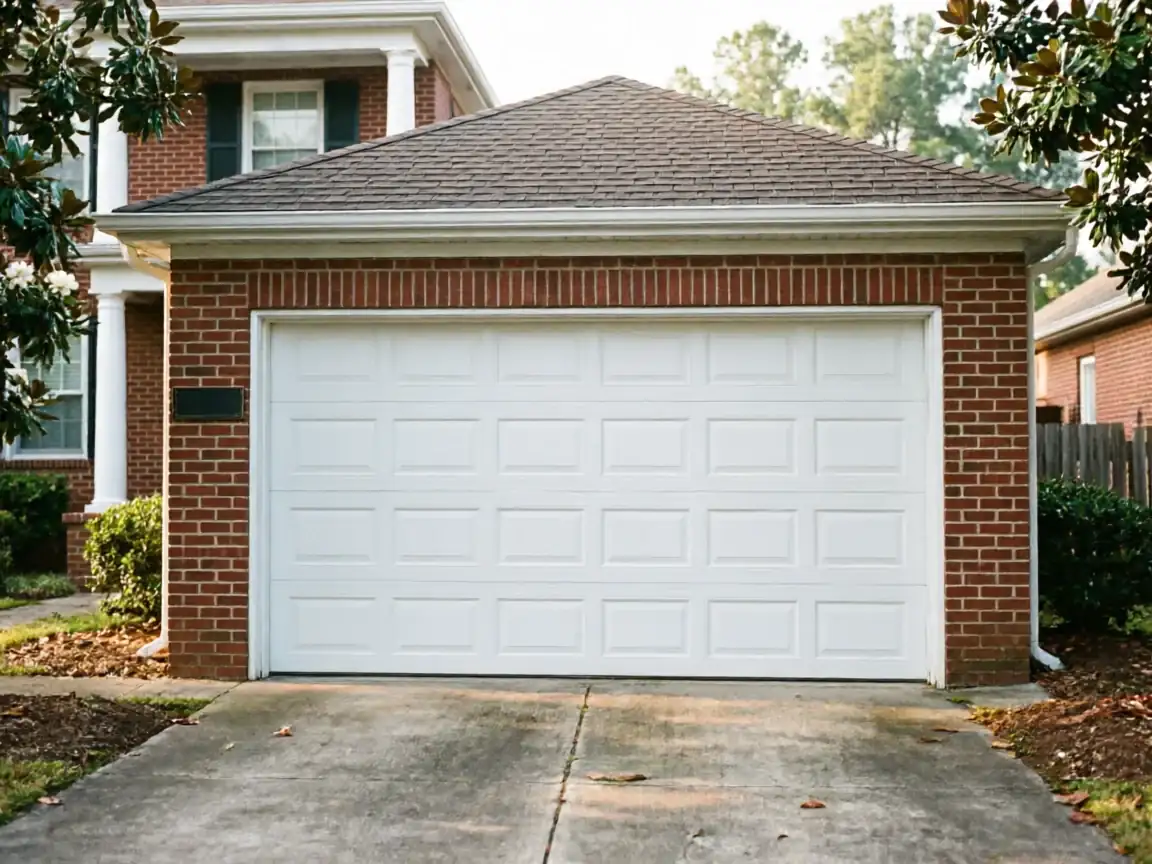
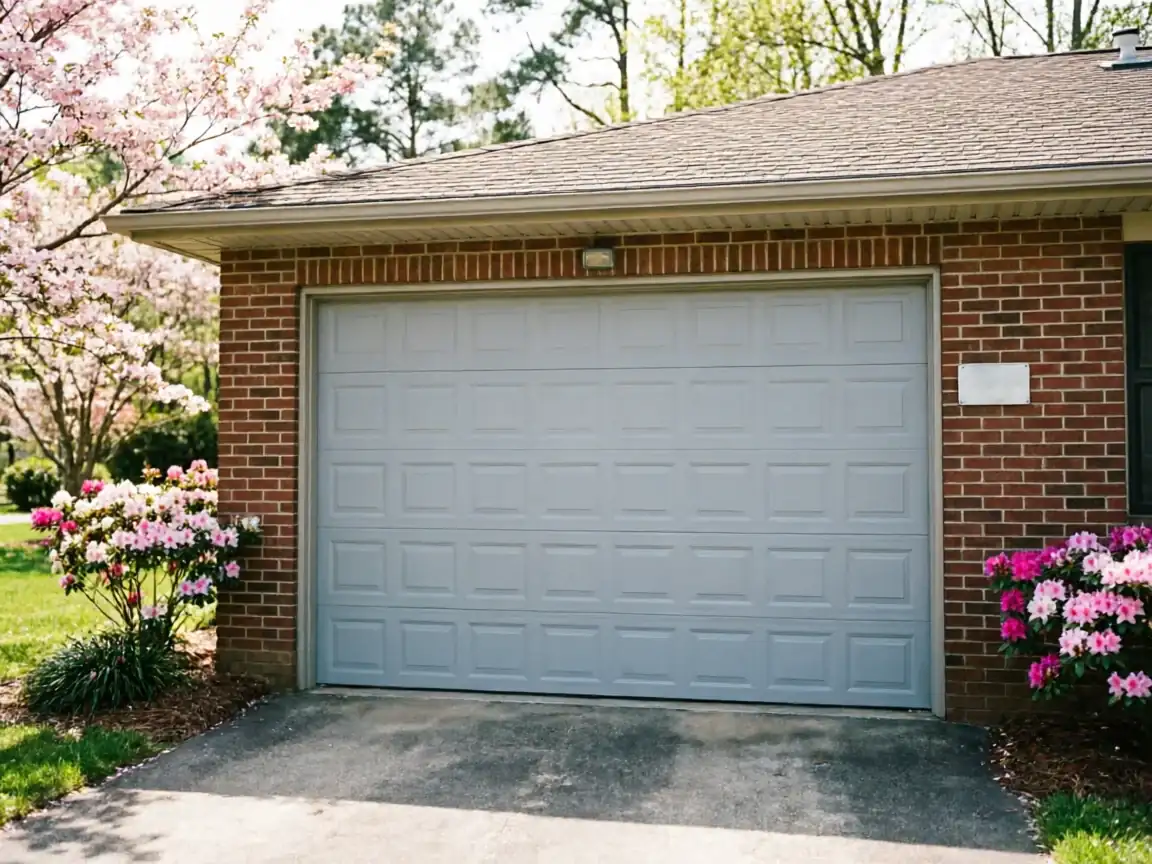
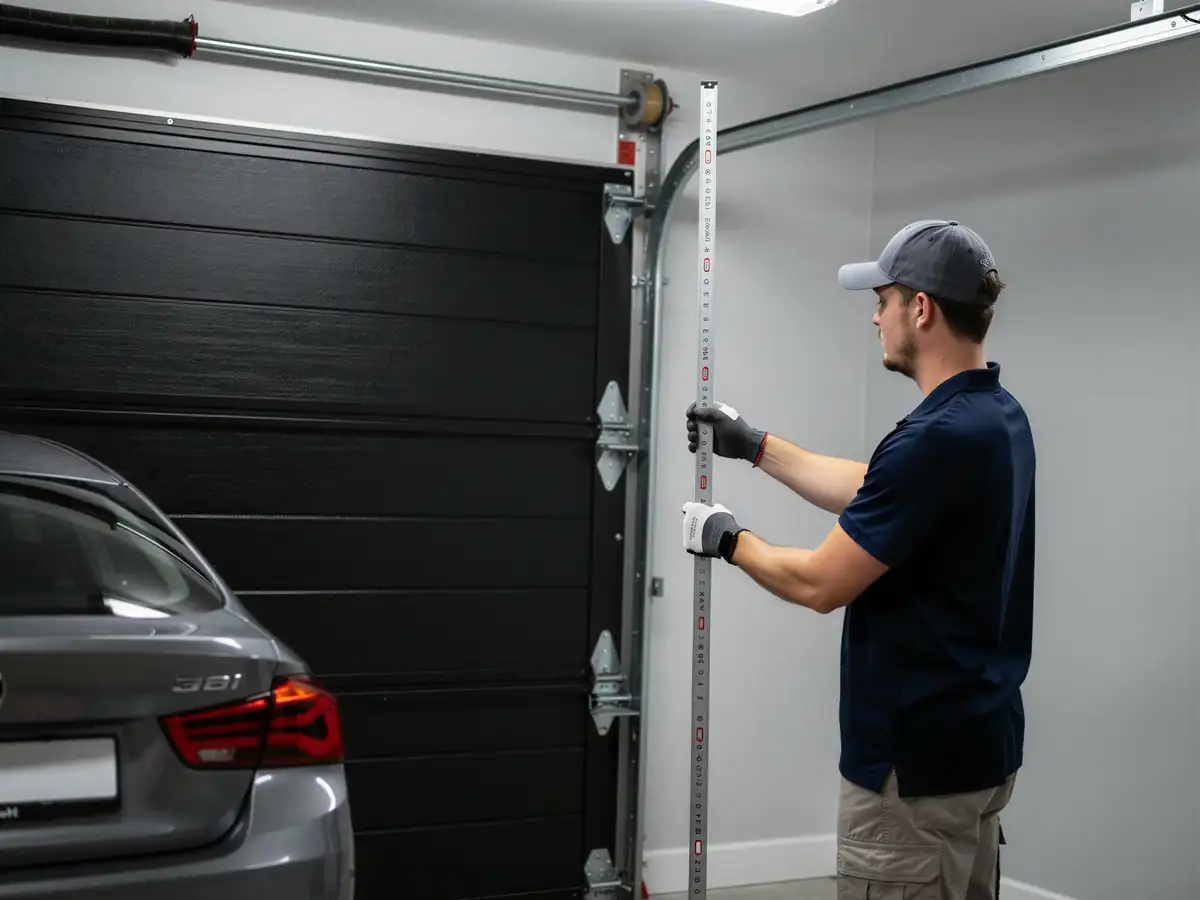
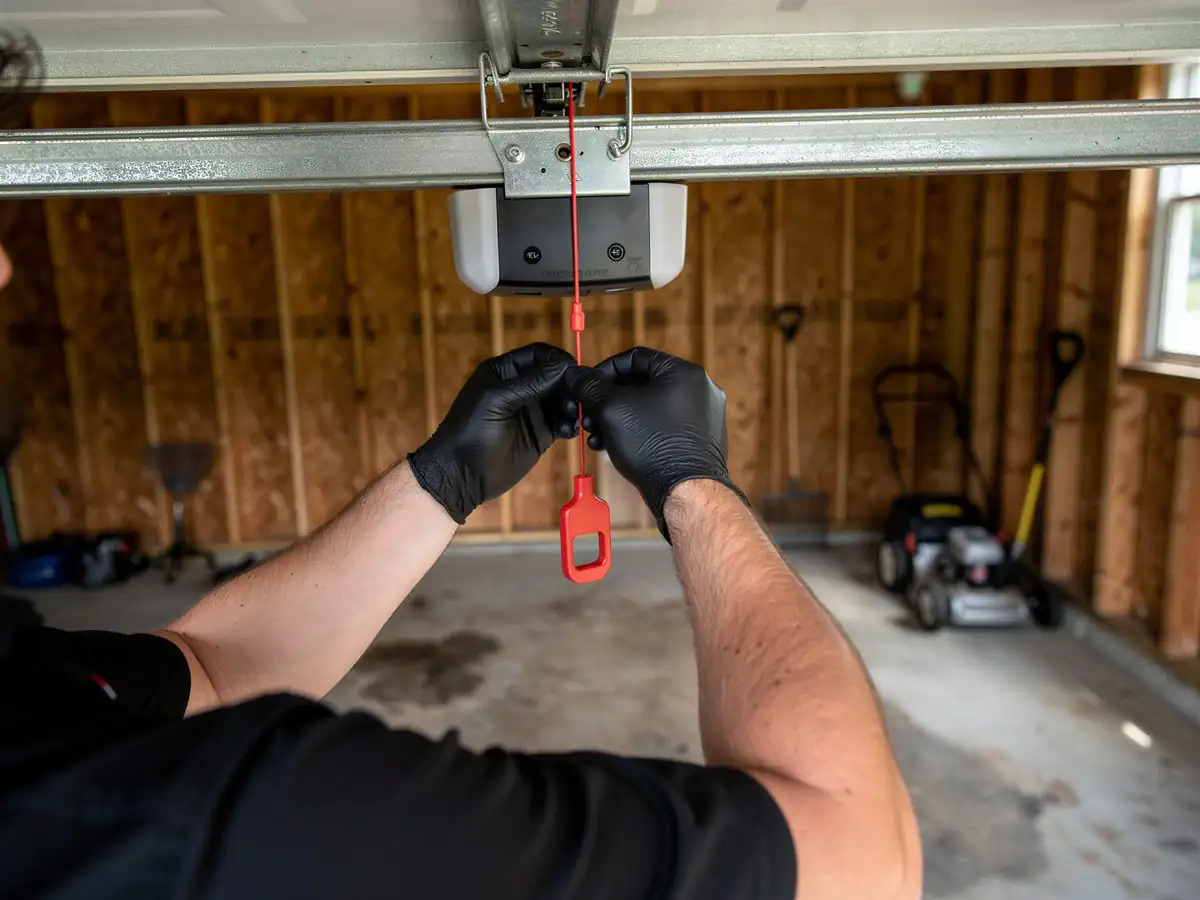
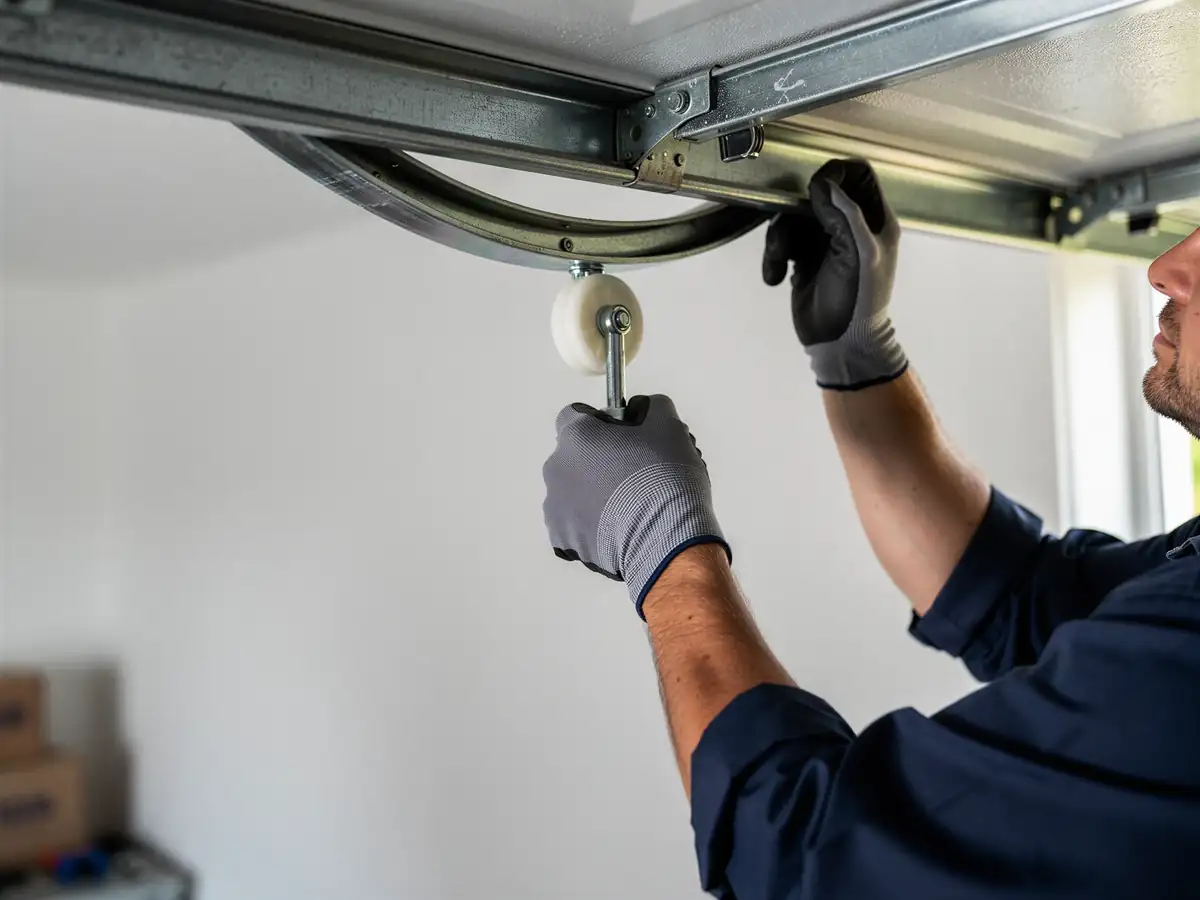
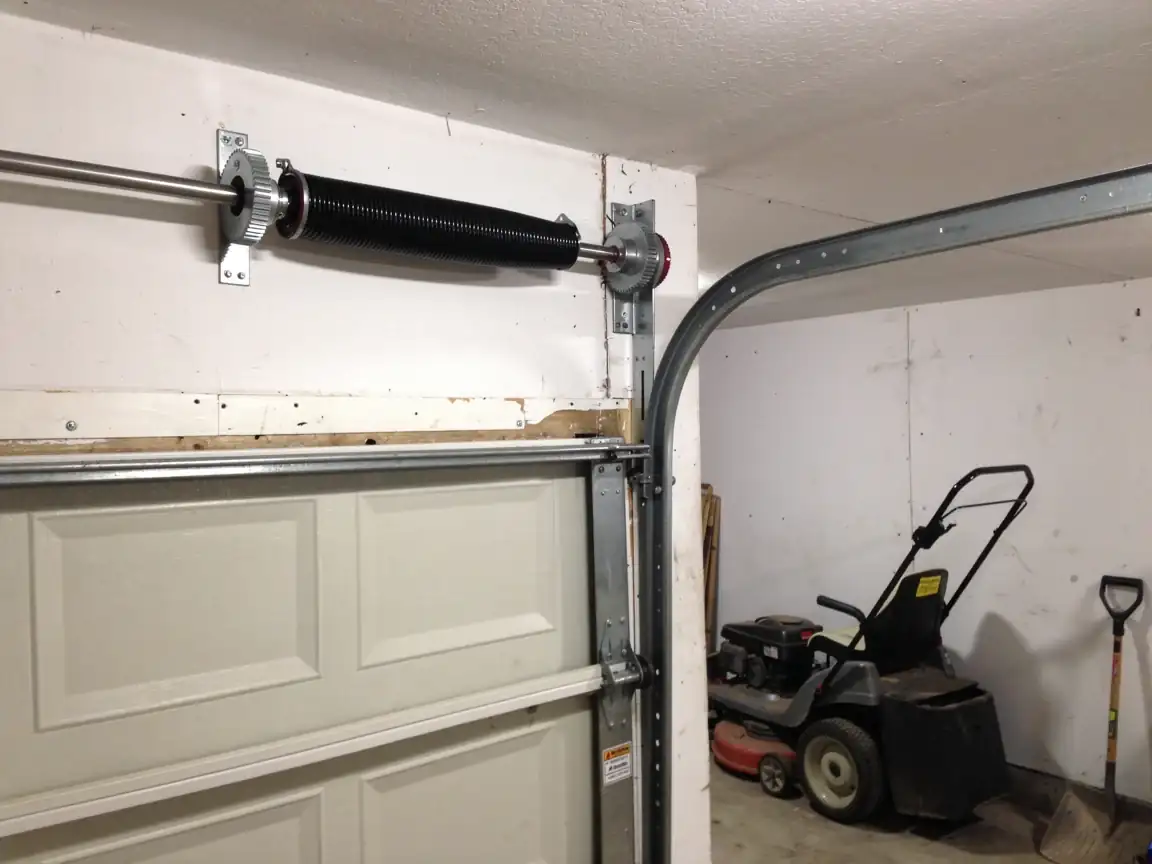
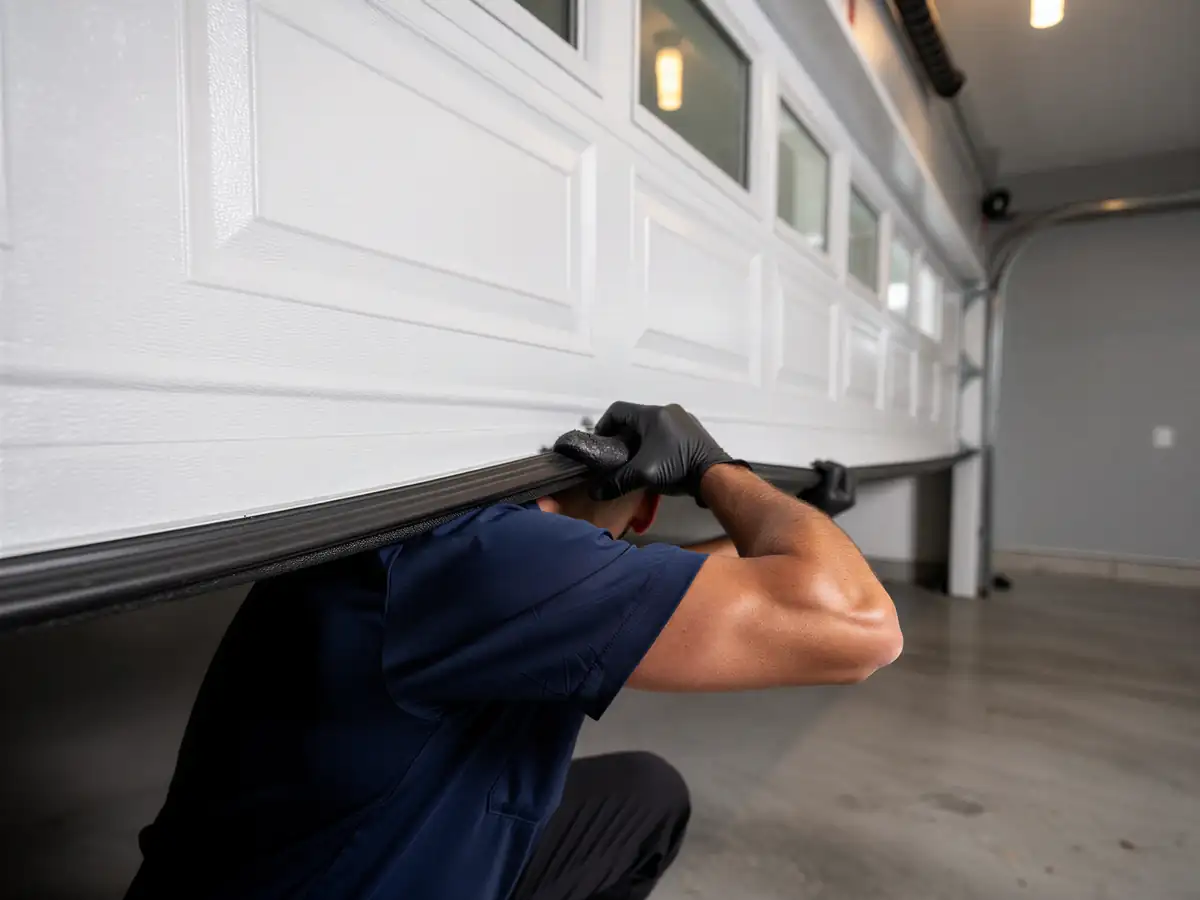
You can do some of this yourself. Once a month, pull the release handle and check the door balances at waist height without the opener holding it up - if it drifts down or slams, a spring is losing tension and that's not a DIY fix. Wipe the tracks clean with a dry rag, not grease, since dust sticks to oil and grinds into the rollers. Check the weatherstrip at the bottom for cracks, and listen for new noises - a grind, a thunk, a pop on the way up. Tighten loose bolts on the track brackets with a wrench, but leave the torsion spring and the cable drums alone. Those are under enough tension to break a bone, and on the 1960s and 70s era doors common across this area, the hardware holding them is often original and worn past the point where a tighten-and-go fix holds. What you're doing with a monthly check isn't fixing anything - it's catching the small thing before it becomes the 10pm call.
Why It Happens Here
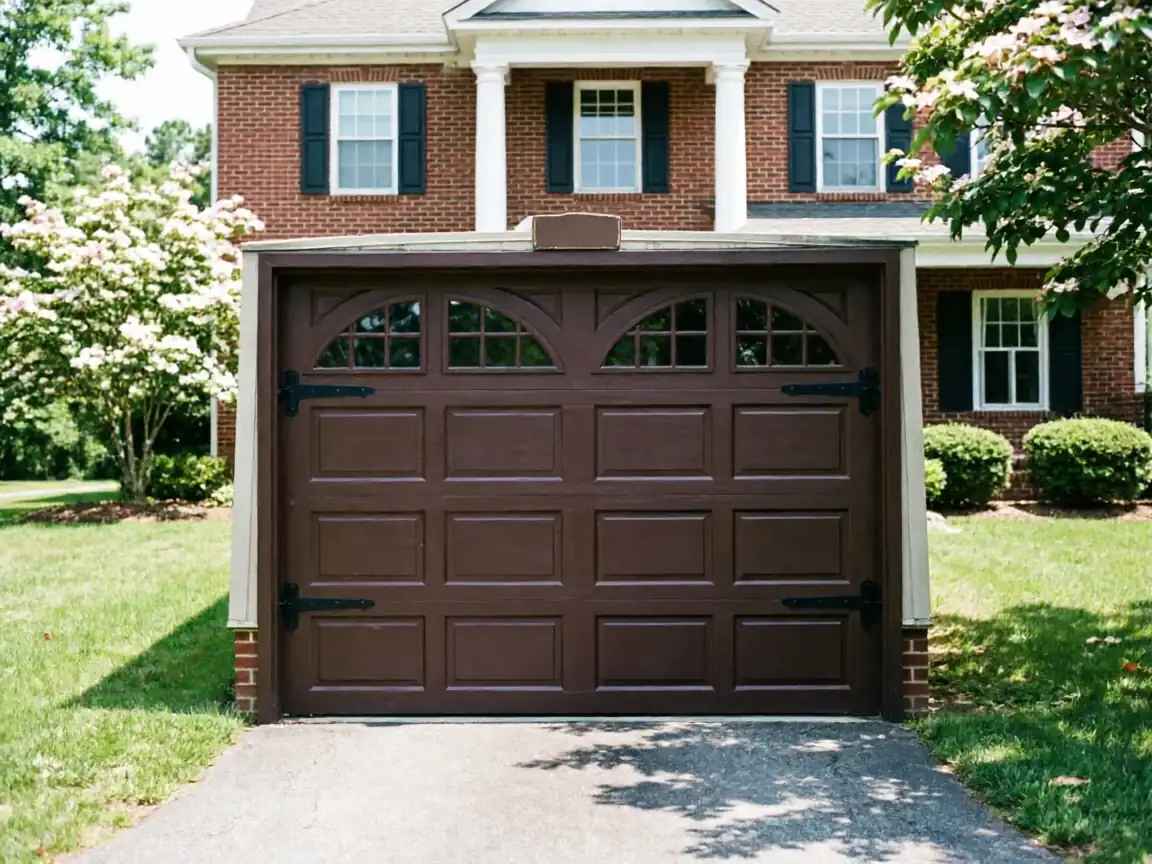
Housing across this service area runs 1957 to 2001, with a median build year around 1975, and most of the stock you'll find in the nine named areas we work is straight 1960s-70s construction. That means a lot of original torsion springs and track hardware that's now forty to sixty years old, well past the cycle life any spring is rated for. Add the climate band here - cold enough for real winter swings but not dry - and steel hardware goes through repeated contraction and expansion that original installers never built in extra tolerance for. Galvanized springs from that era don't have the coating modern springs use, so they lose tension unevenly rather than all at once, which is exactly what produces the crooked, slow-closing door instead of a clean break. Homes built since the 1990s in this same area tend to have better-sealed tracks and updated opener mounts, so the symptom shows up less there - it's concentrated in the older third of the housing stock, which with roughly 6,489 owner-occupied houses across the area is still a lot of doors carrying original parts.
How Long It Takes
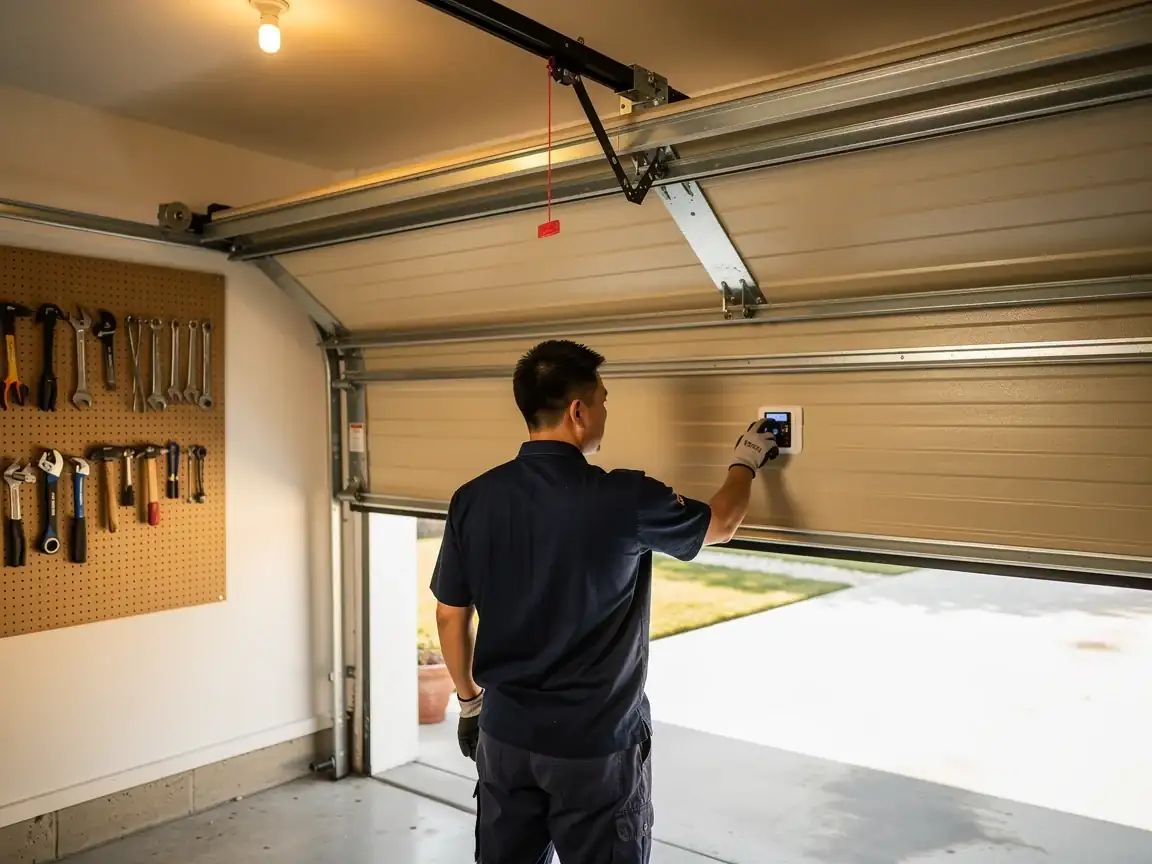
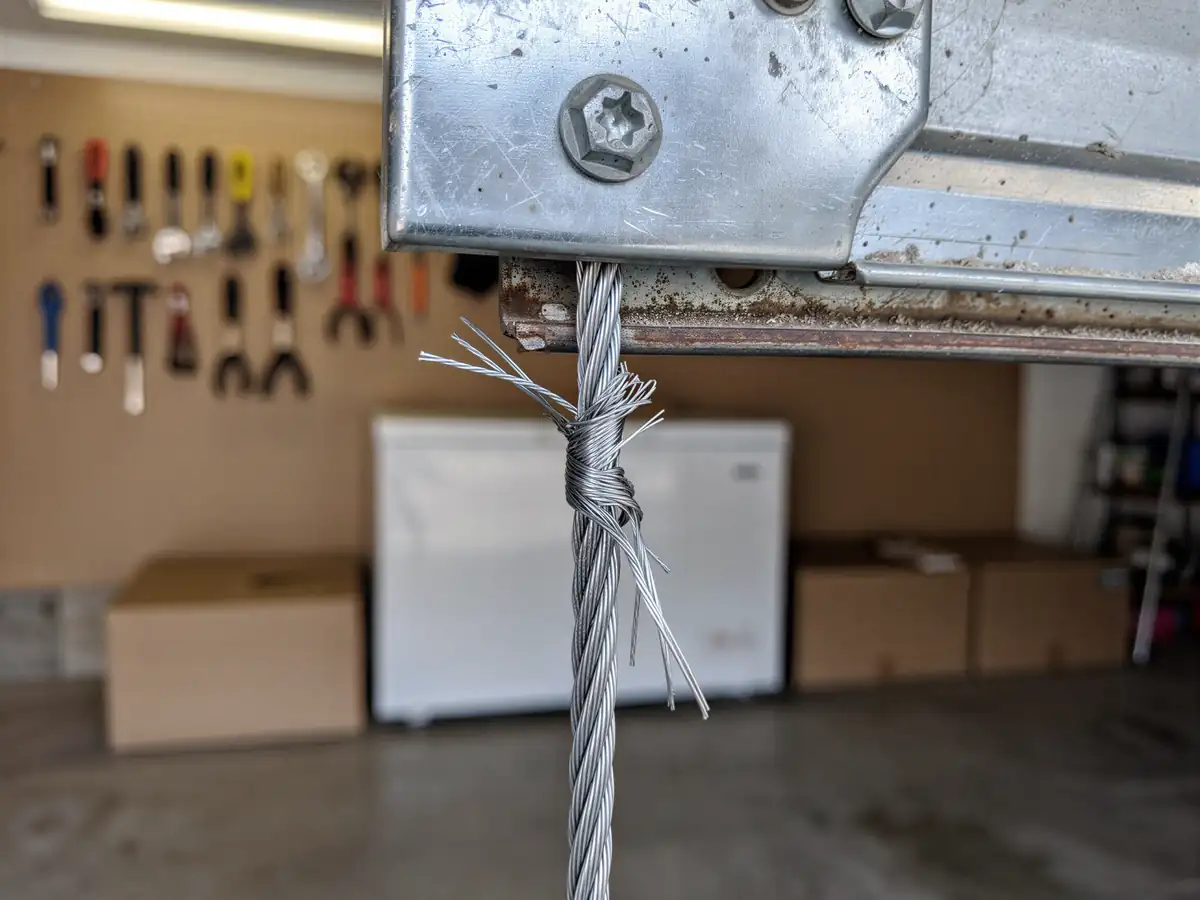
A standard maintenance visit - balance check, lubrication, hardware tightening, track and roller inspection - runs under an hour for a single door. If we find a spring near the end of its life or rollers that need swapping, that's additional time on site the same visit in most cases, since those are common parts we carry. What we don't do in one visit is a full opener replacement or a custom panel order - those run on manufacturer lead times outside our control, and we'll tell you that up front rather than promise a date we can't hit. For a household budgeting around the area's median income of roughly $52,799, a regular maintenance visit costs a lot less than letting a worn spring take out a cable and a panel on its way down.