Doing It Yourself
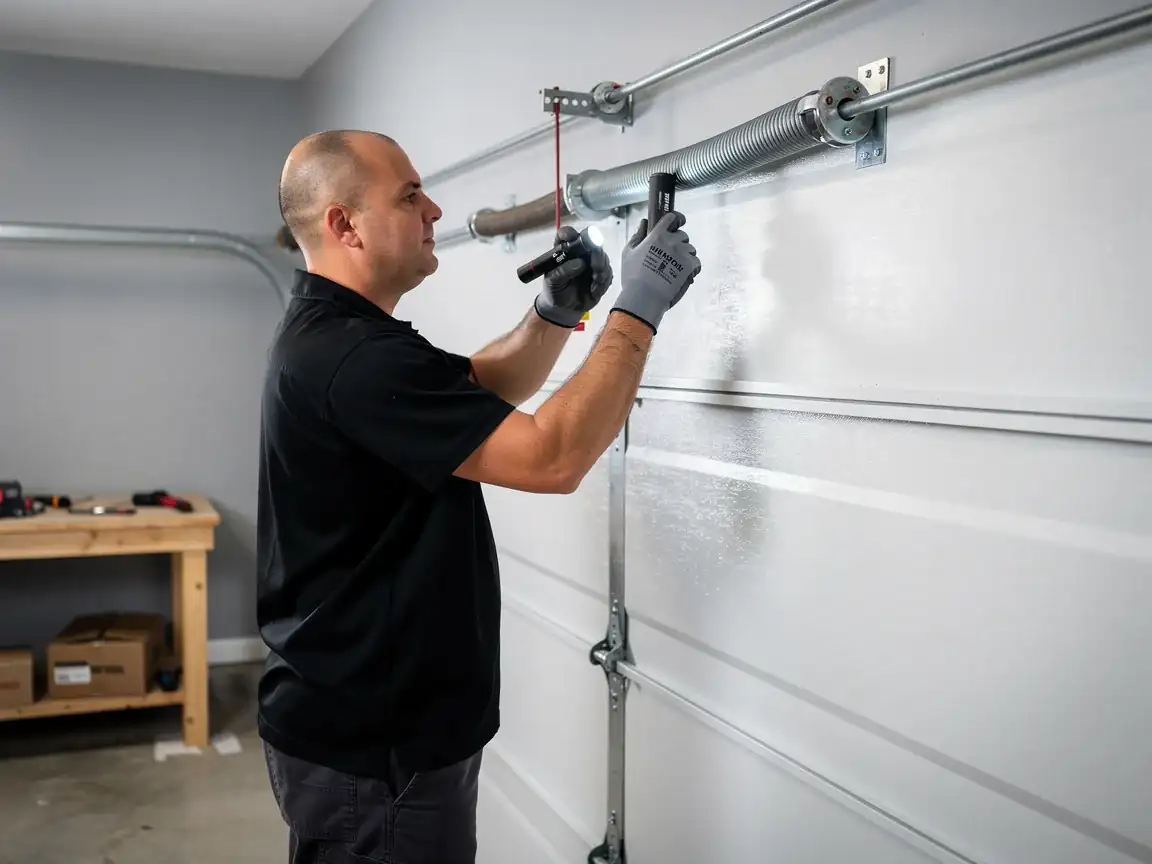
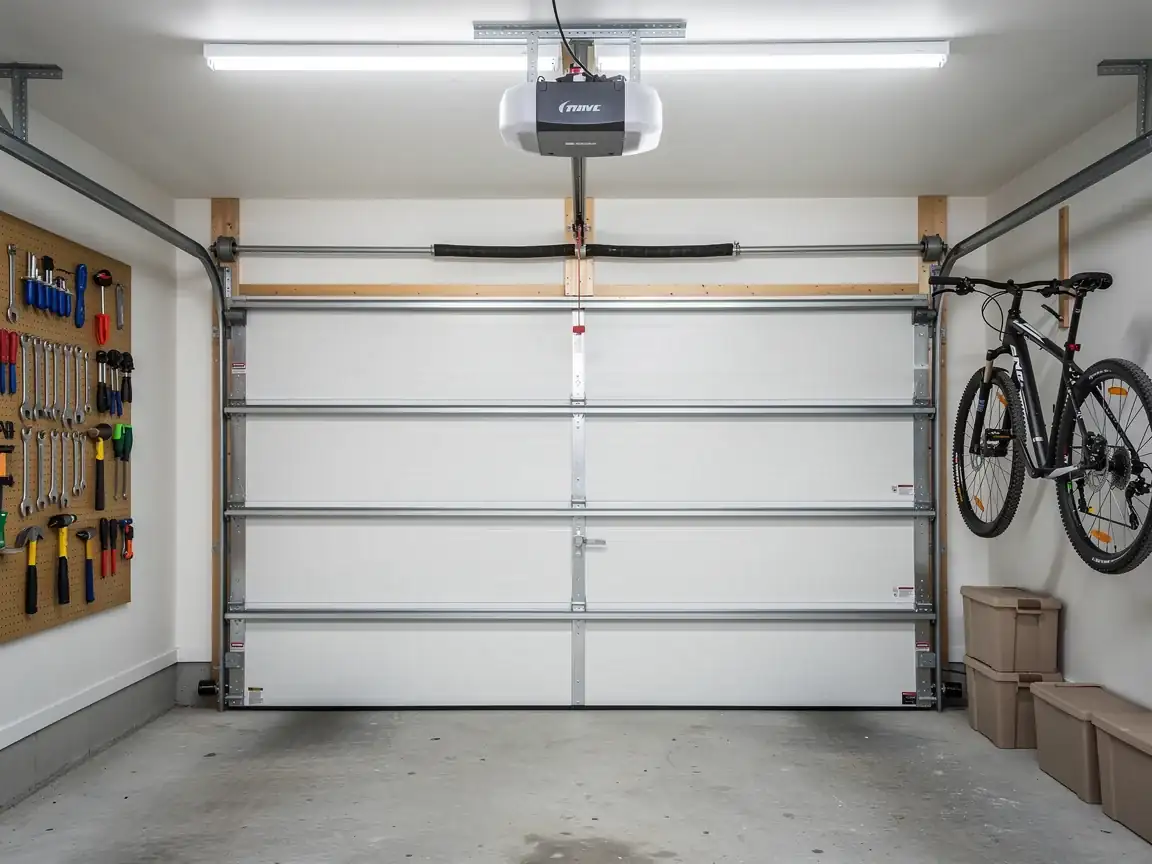
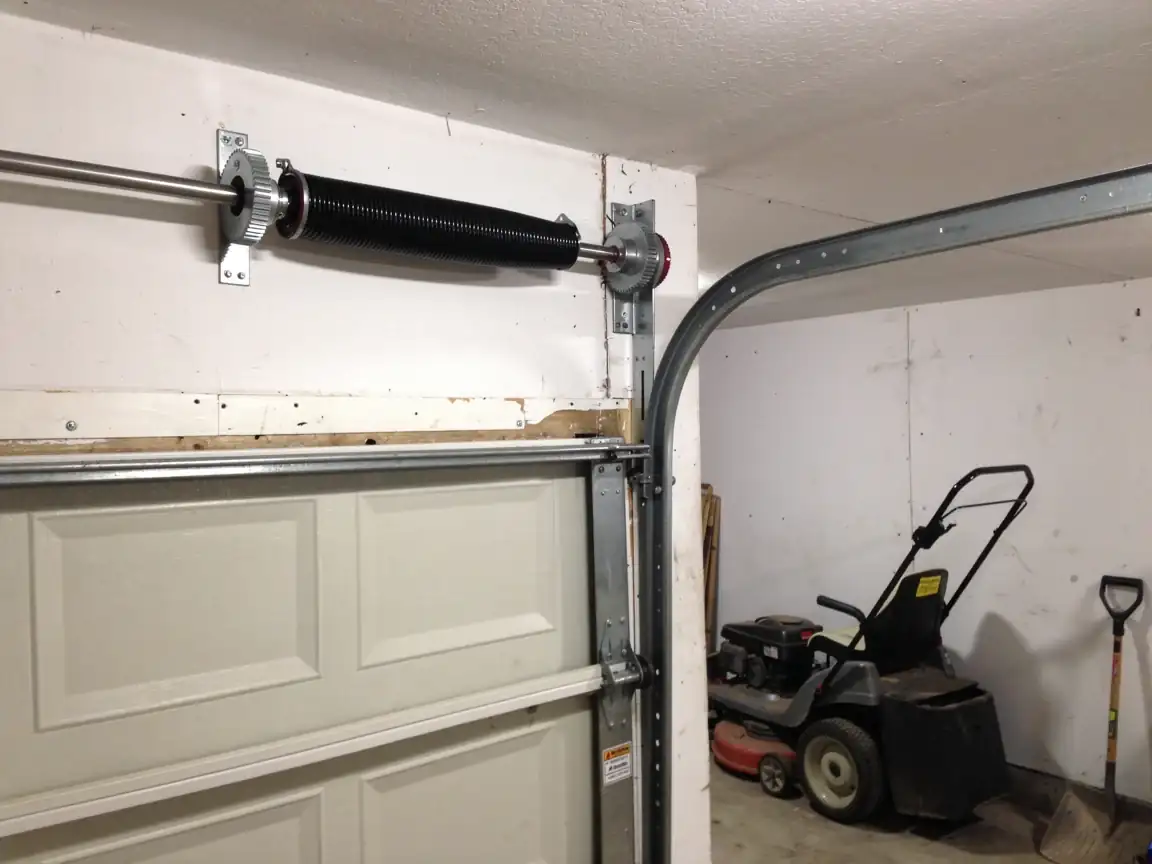
A new garage door looks simple until you're standing in front of a 450-pound slab held up by two wound springs. We'll say this plainly: installing the door itself isn't the hard part, it's setting the torsion spring tension and squaring the track to an opening that may not be square anymore. Houses in Rome's service area mostly went up between 1957 and 2001, and a lot of those openings have settled or been reframed once already. Get the spring count or the drum size wrong and the door either won't lift or it comes down on someone's hand.
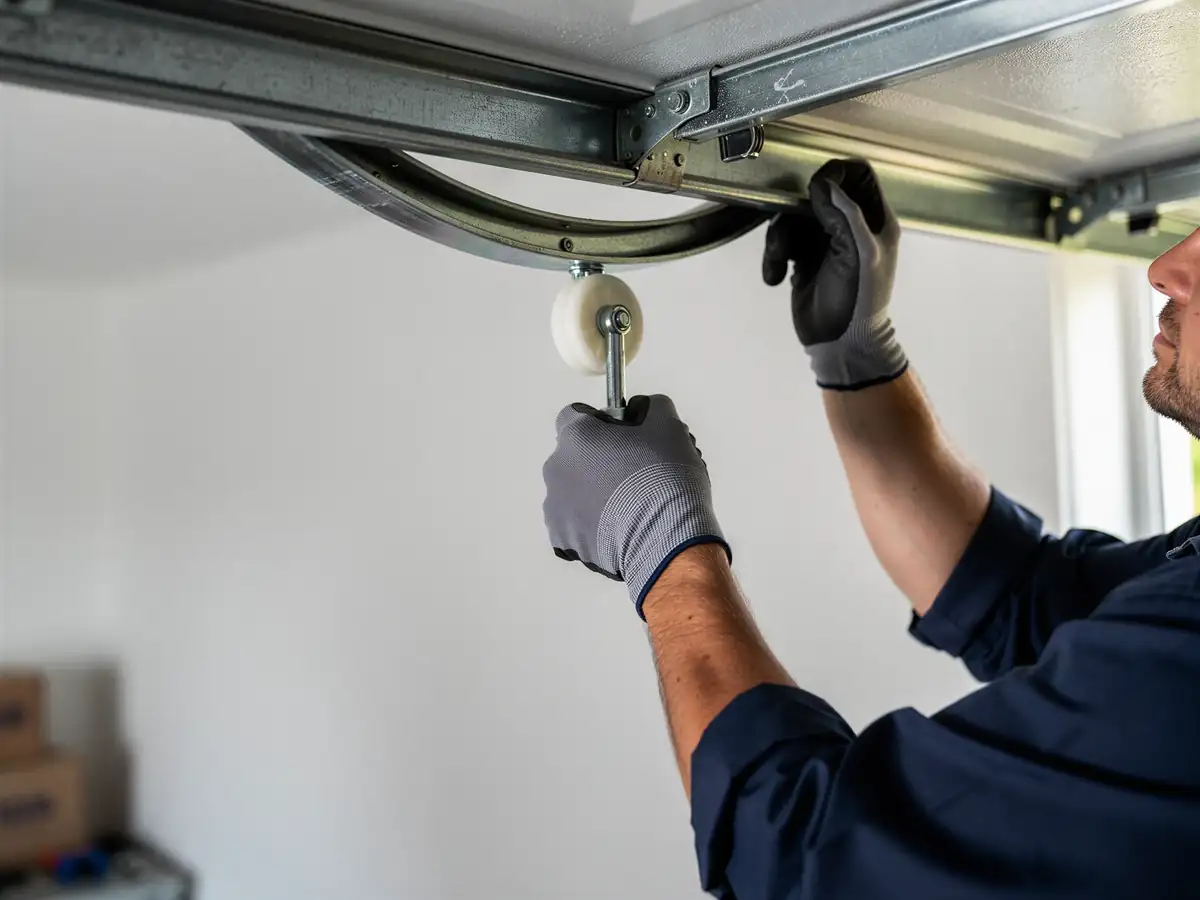
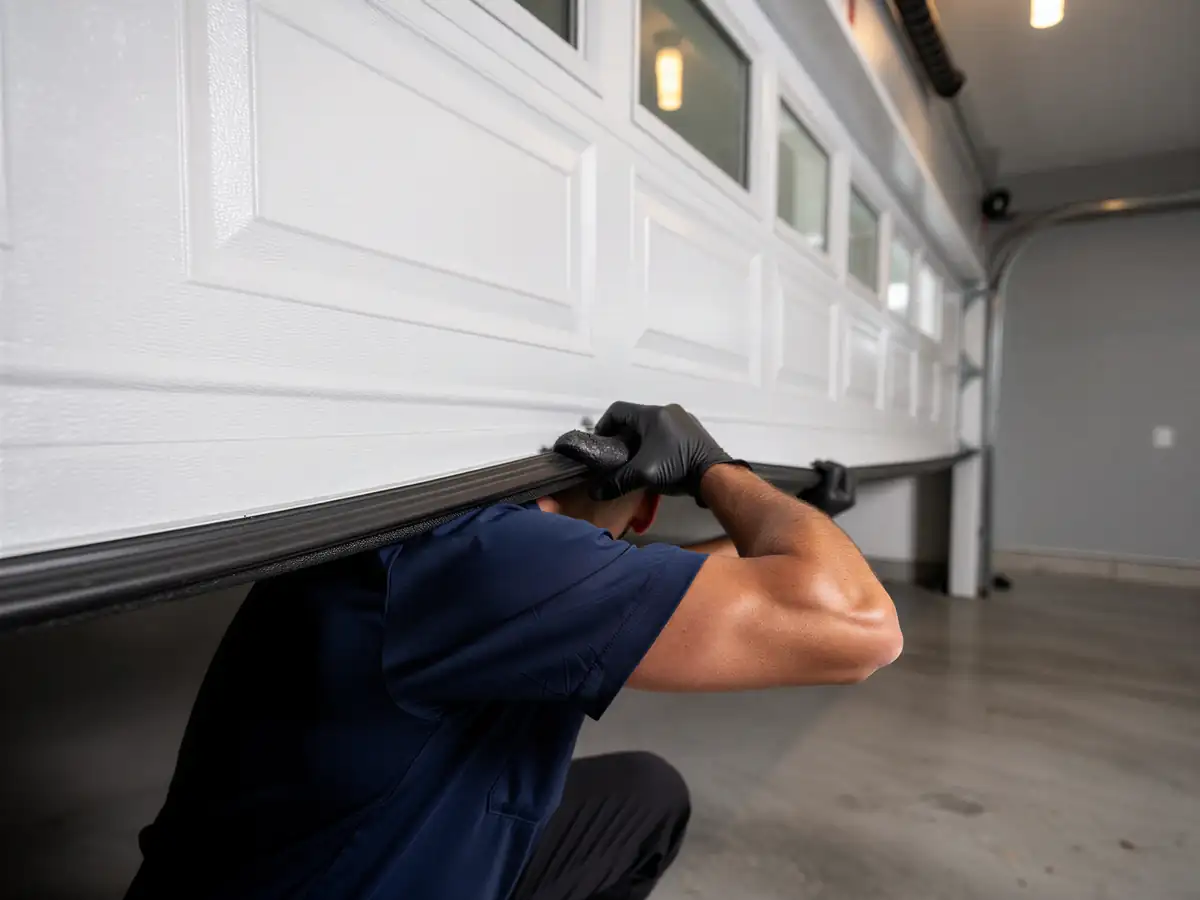
If you're set on doing some of the work yourself, the parts we'll hand off happily are trim, weatherstripping, and painting the jambs before the door goes in. Lifting the panels into the track, setting the cable drums, and torquing the spring to spec is where we draw the line for anyone without the winding bars and experience to use them safely. We'd rather tell you that up front than quote a repair call after a DIY spring slips.
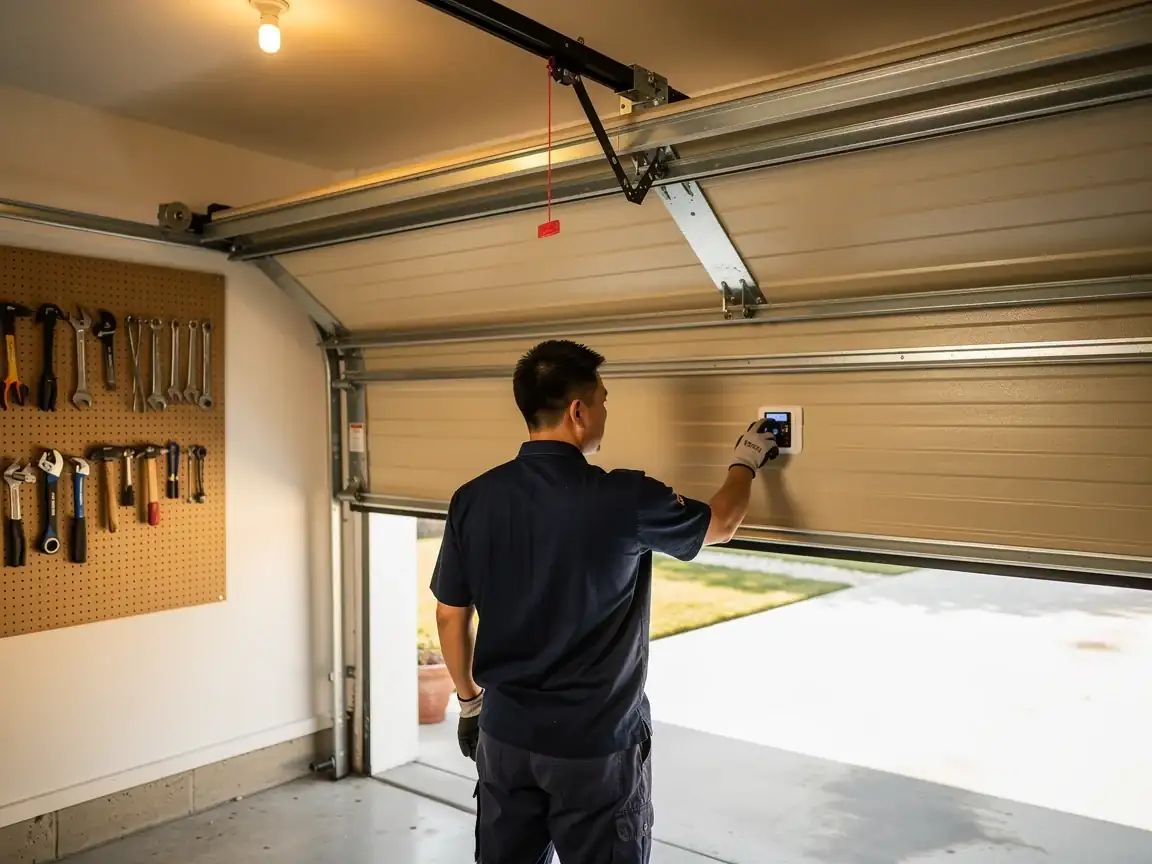
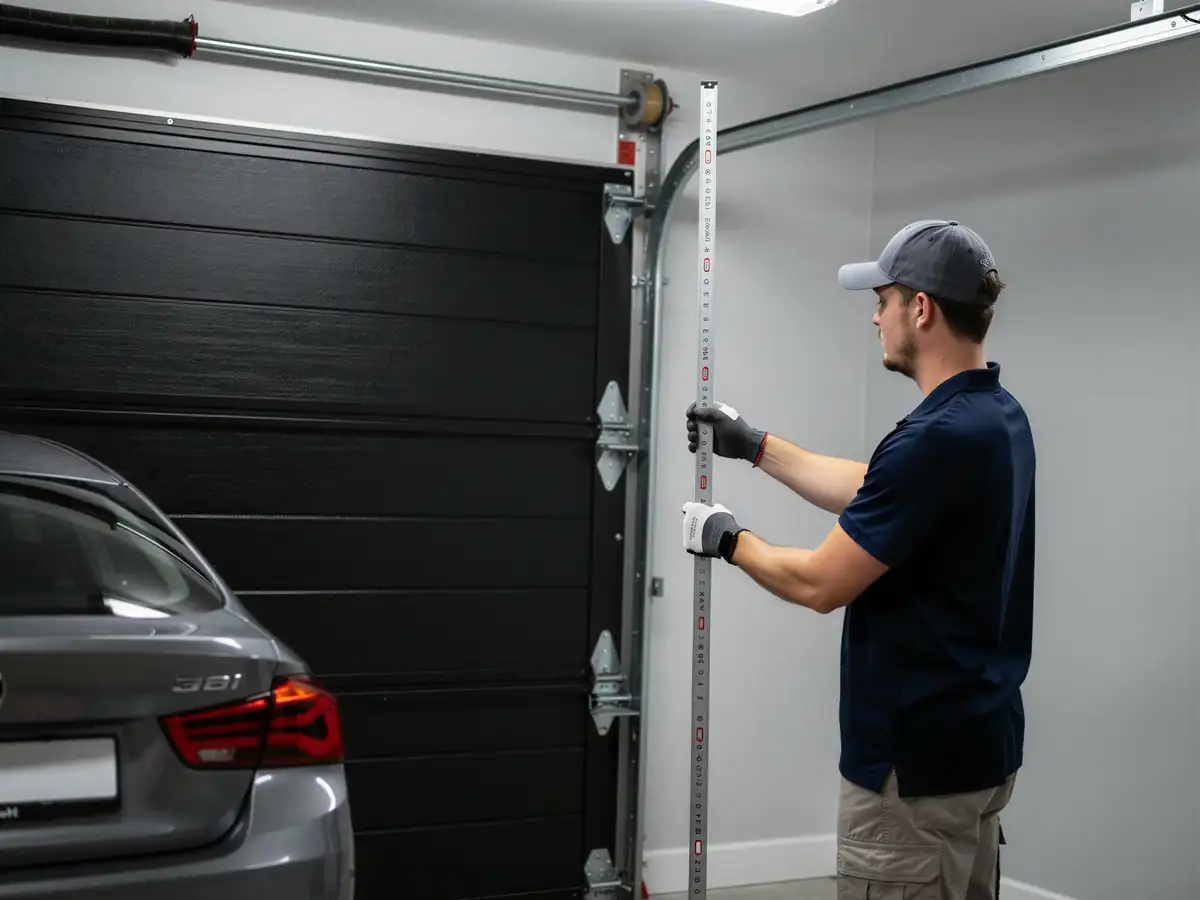
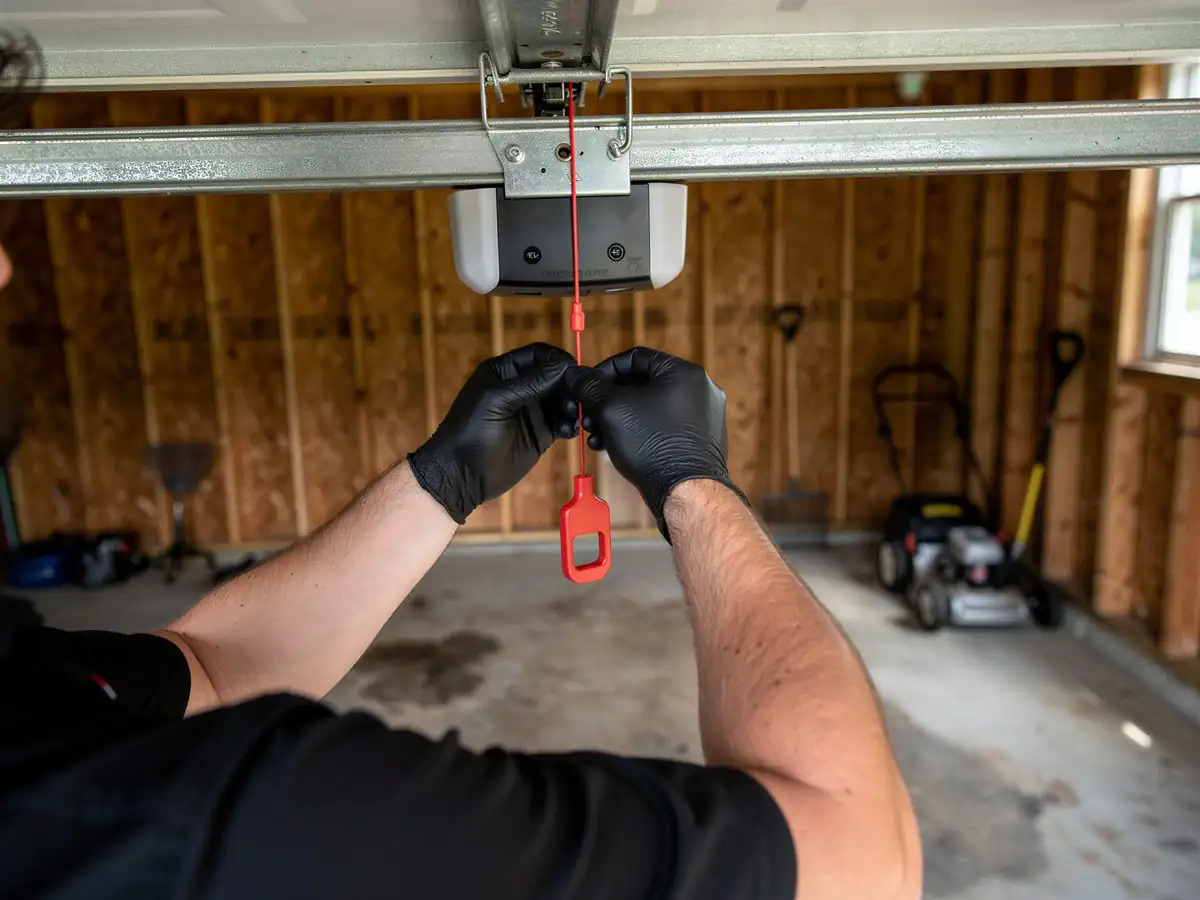
The other piece people skip: checking header clearance and the existing opener's lift capacity against a new door's actual weight, which changes by material and insulation. That's a five-minute check for us and a bad surprise for you if it's wrong.
The Symptom
The call we get most from Rome homeowners isn't a door that won't open
It's a door that's gotten heavy, slow, or loud over a year or two, then one day doesn't catch the track right. On the older steel doors common in this area, the panels themselves are often fine, but the door was never insulated to begin with, so it's been working harder against temperature swings than it was built for. On wood doors from the same era, the bottom panel starts to cup or split where ground moisture has gotten in over the decades.
A second version of the same symptom: the opener strains, clicks, or reverses partway up
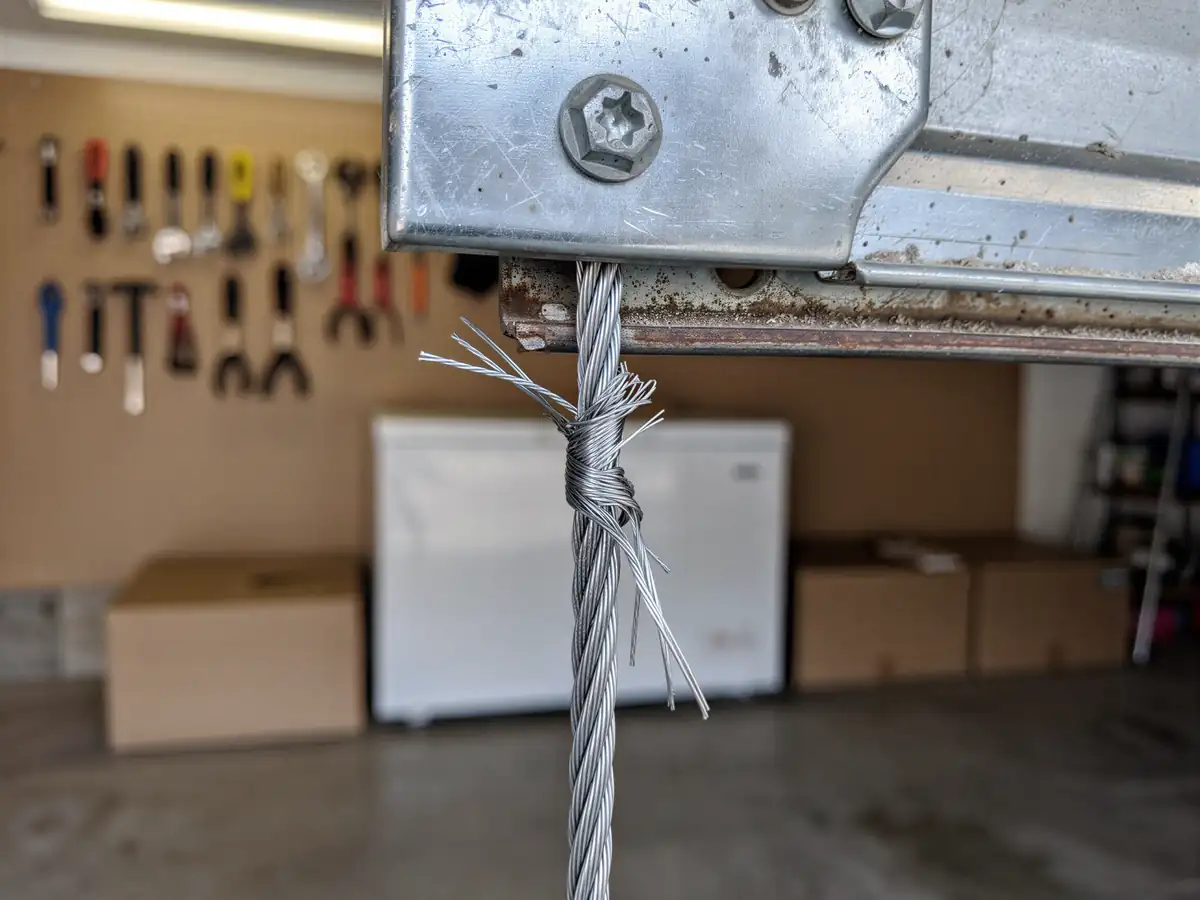
That's usually not the opener's fault - it's a door that's gained weight from moisture, a bent track, or springs that were sized for a lighter original door and never matched when panels were swapped. None of these show up as a sudden failure. They show up as the door getting a little worse every month until someone decides to replace the whole unit instead of patching it again.
Why It Happens Here
Most of the houses we install doors on in Rome went up between 1957 and 2001, with the median build year sitting around 1975, and the bulk of the stock across the area's nine named neighborhoods dates specifically to the 1960s and 70s. Doors from that period were built to the standards of their decade - thinner steel, no insulation layer, hardware sized for a lighter panel than what often gets installed as a replacement today.
Rome sits in a cold-moderate climate band, which doesn't sound dramatic next to harder winter regions, but it still means real freeze-thaw cycling on exposed hardware every year. Steel track and spring coils contract in cold snaps and expand back in warm spells, and on a track that was installed decades ago and never re-shimmed, that cycling is what finally knocks it out of alignment. A single-layer door with no thermal break also transmits more of that swing into the garage itself, which is why attached garages in older Rome homes run colder than the rest of the house and why doors in those garages seem to age faster than ones in newer construction elsewhere in the state.
How Long It Takes
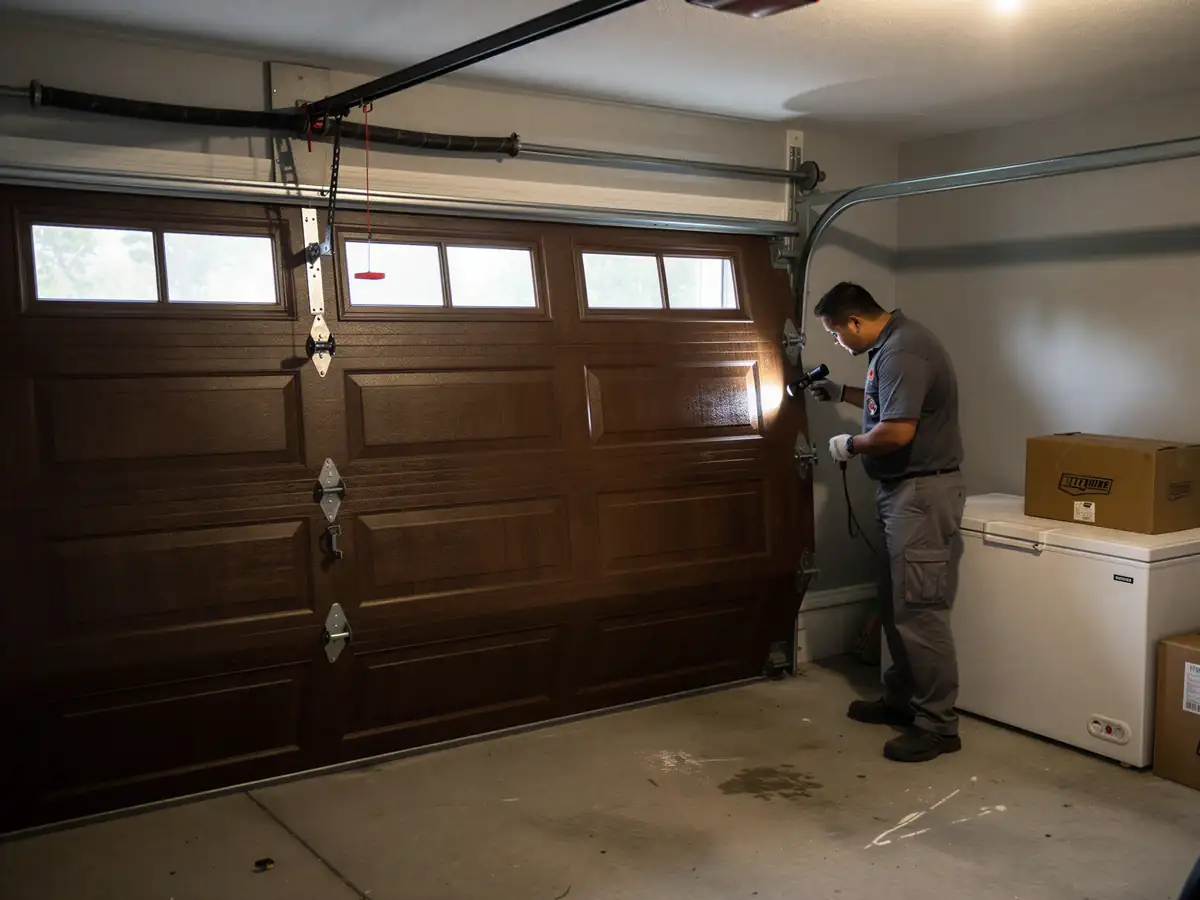
A standard single-door install, where the opening is square and the existing track mounts are sound, runs a single visit. Where we find an opening that's shifted - common enough in homes from the 1957-2001 era once framing has settled - we budget extra time to true up the jamb before the new track goes in, rather than hanging a door on a frame that will fight it later.
We run jobs across the Rome service area, from Lindale five miles out to Shannon and as far as Rockmart twenty miles out, and travel time doesn't change the install itself once we're on site. Of the roughly 13,713 households in the area, about 6,489 are owner-occupied houses, and a good share of those are first-time door replacements on the original opening rather than a second swap - which usually means no surprises once we're inside the header. We'll tell you on the walk-through if your job is a same-day install or a two-trip job, and why.