Doing It Yourself
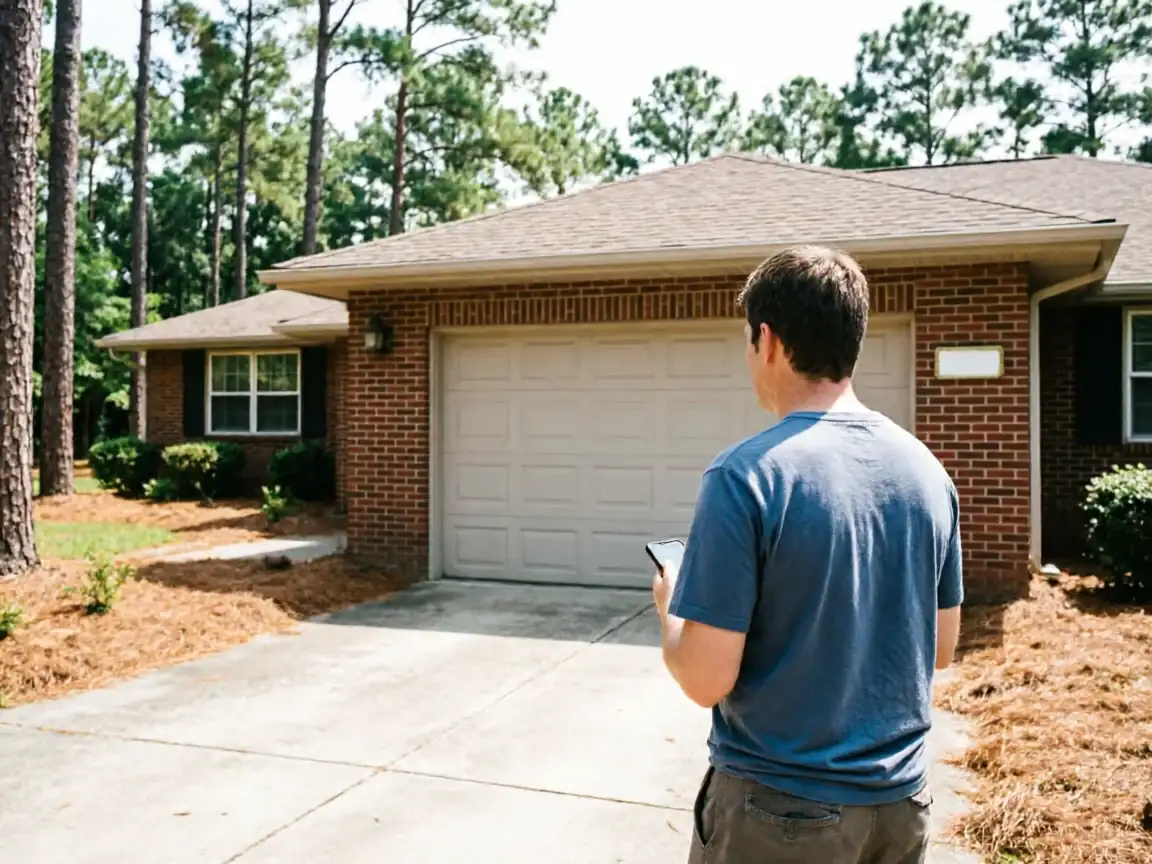
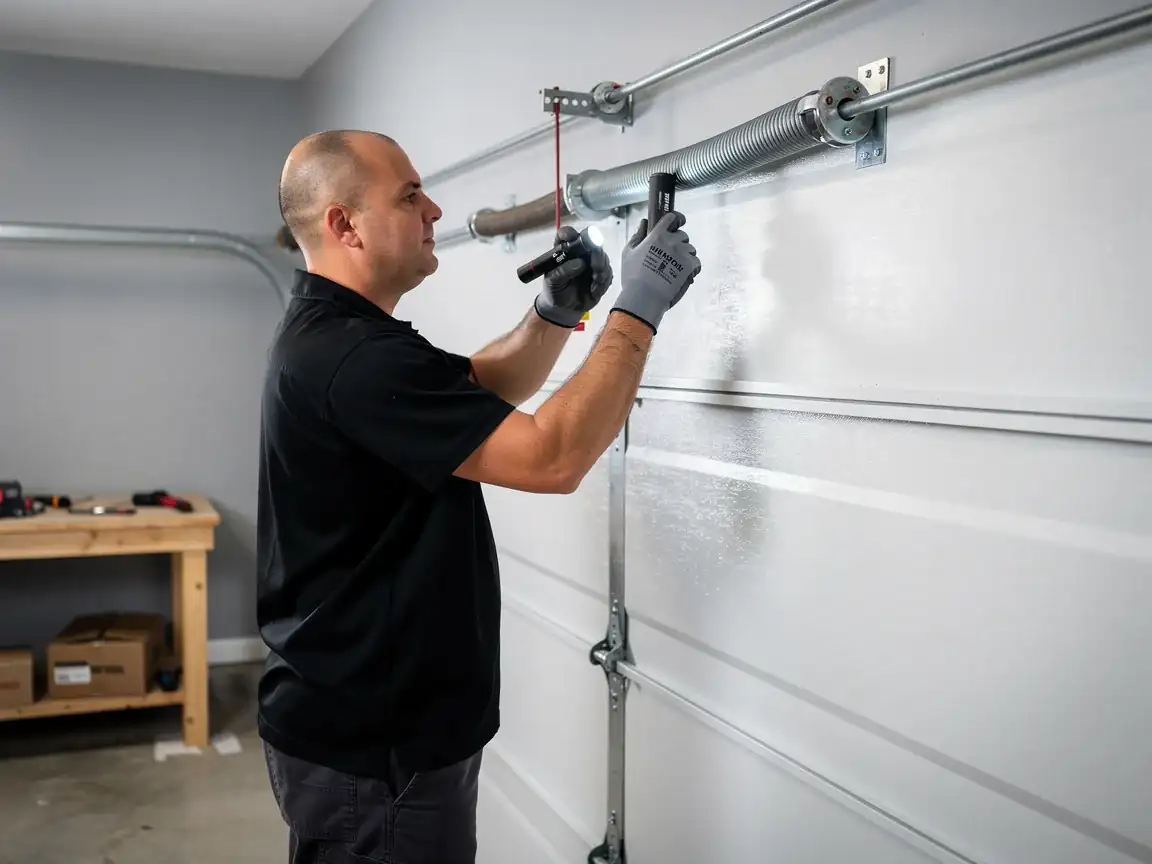
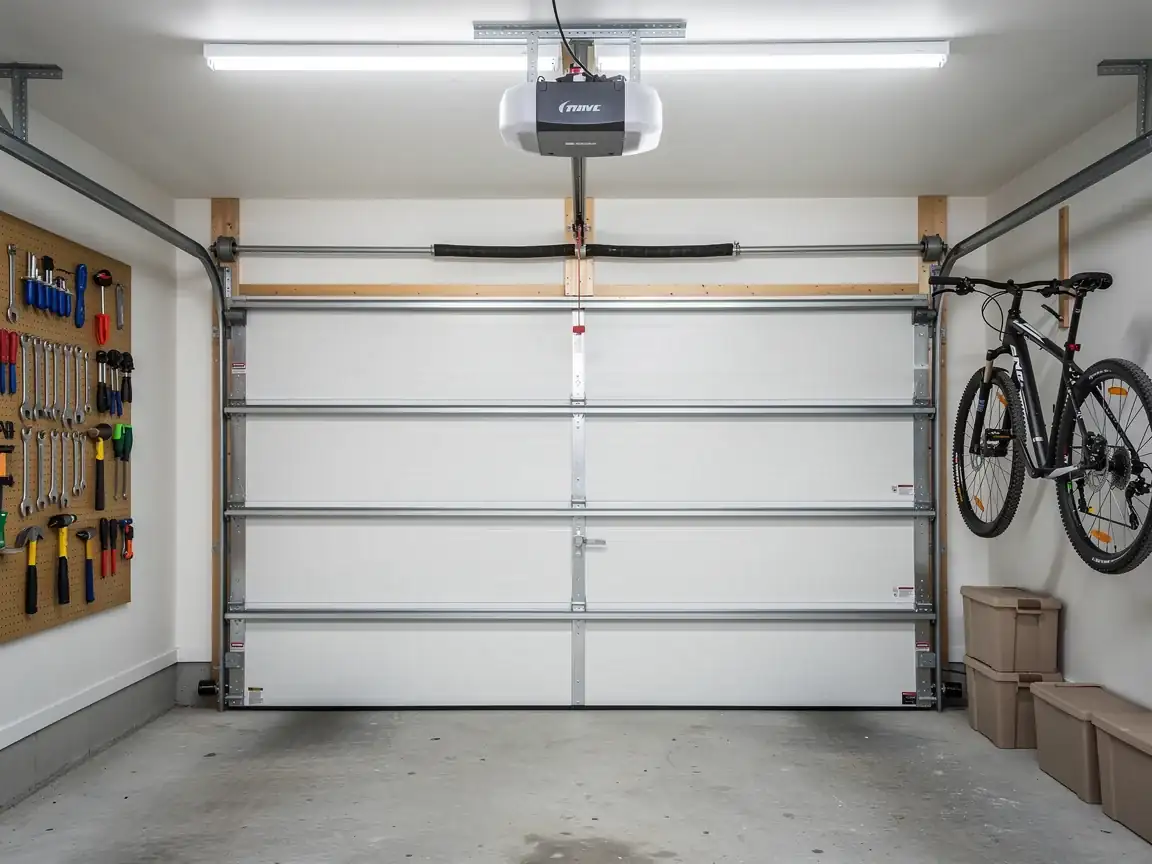
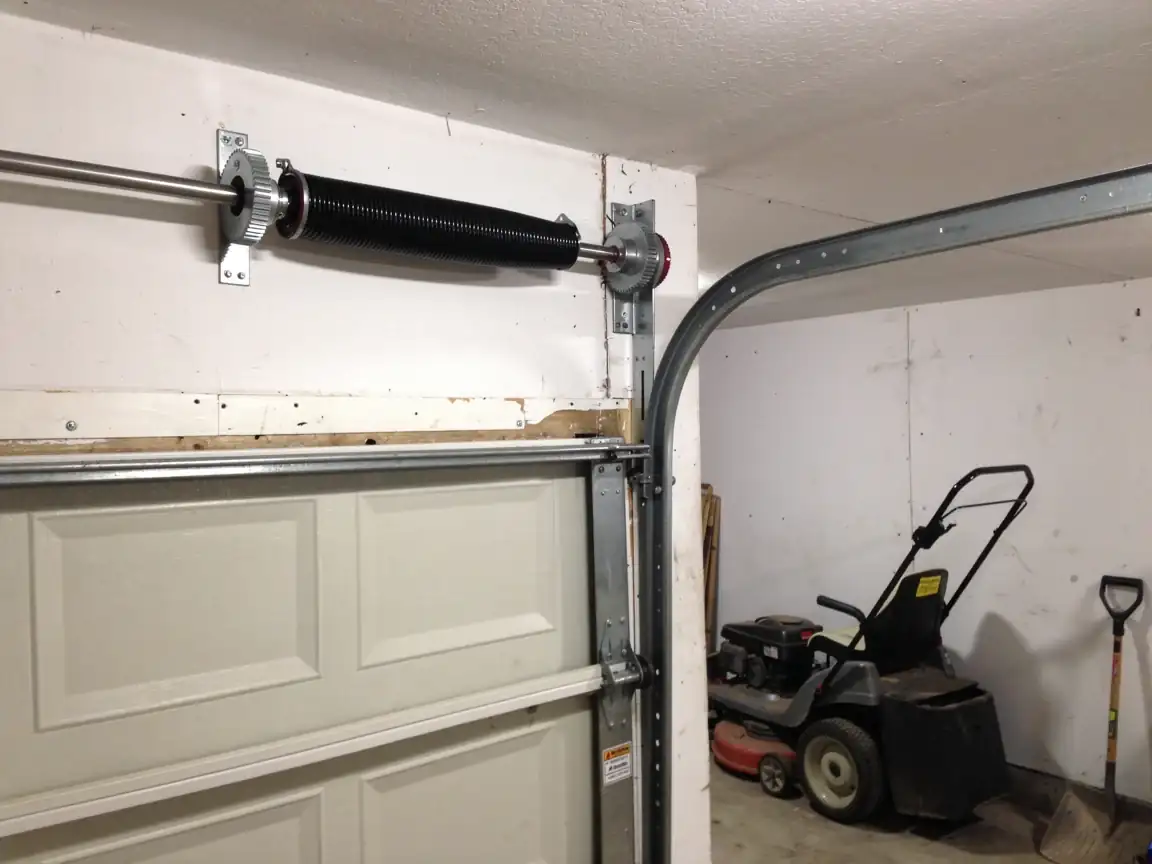
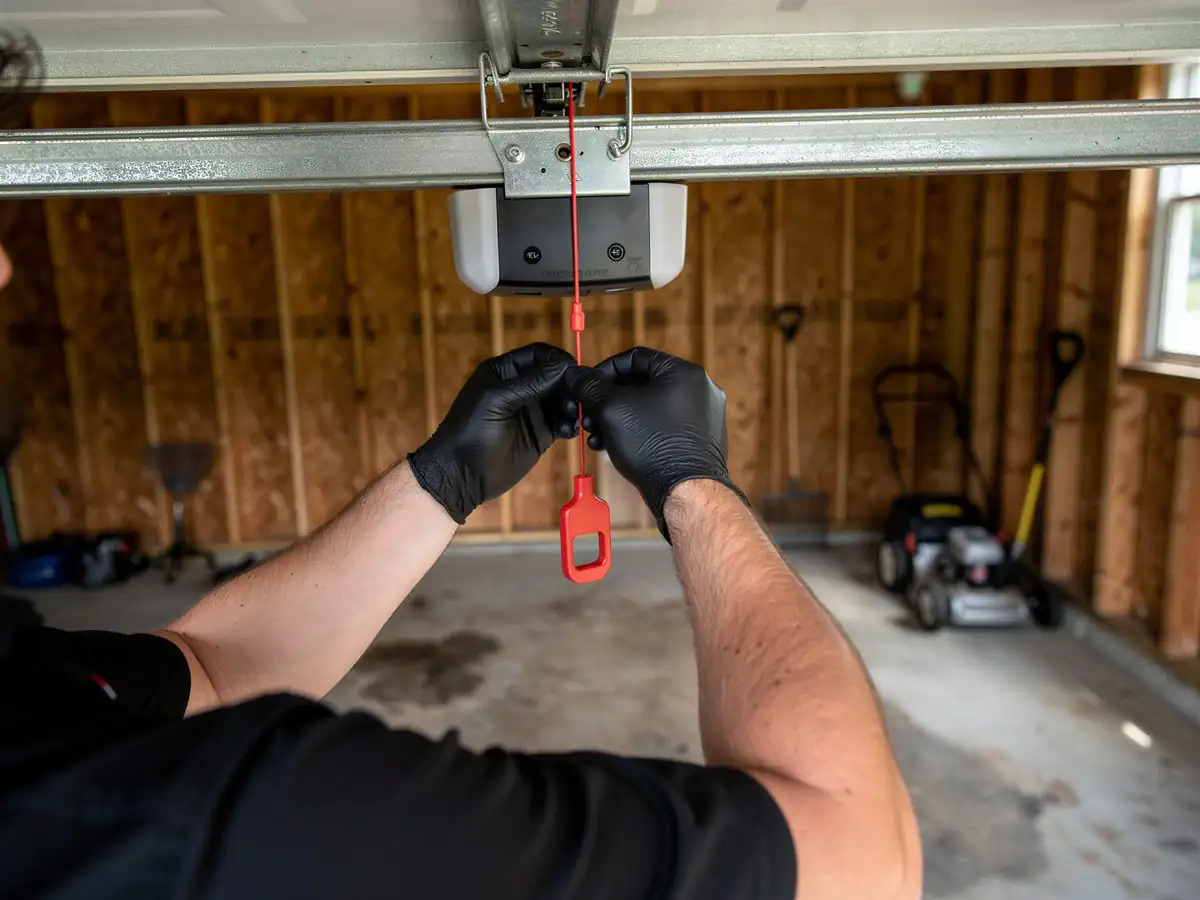
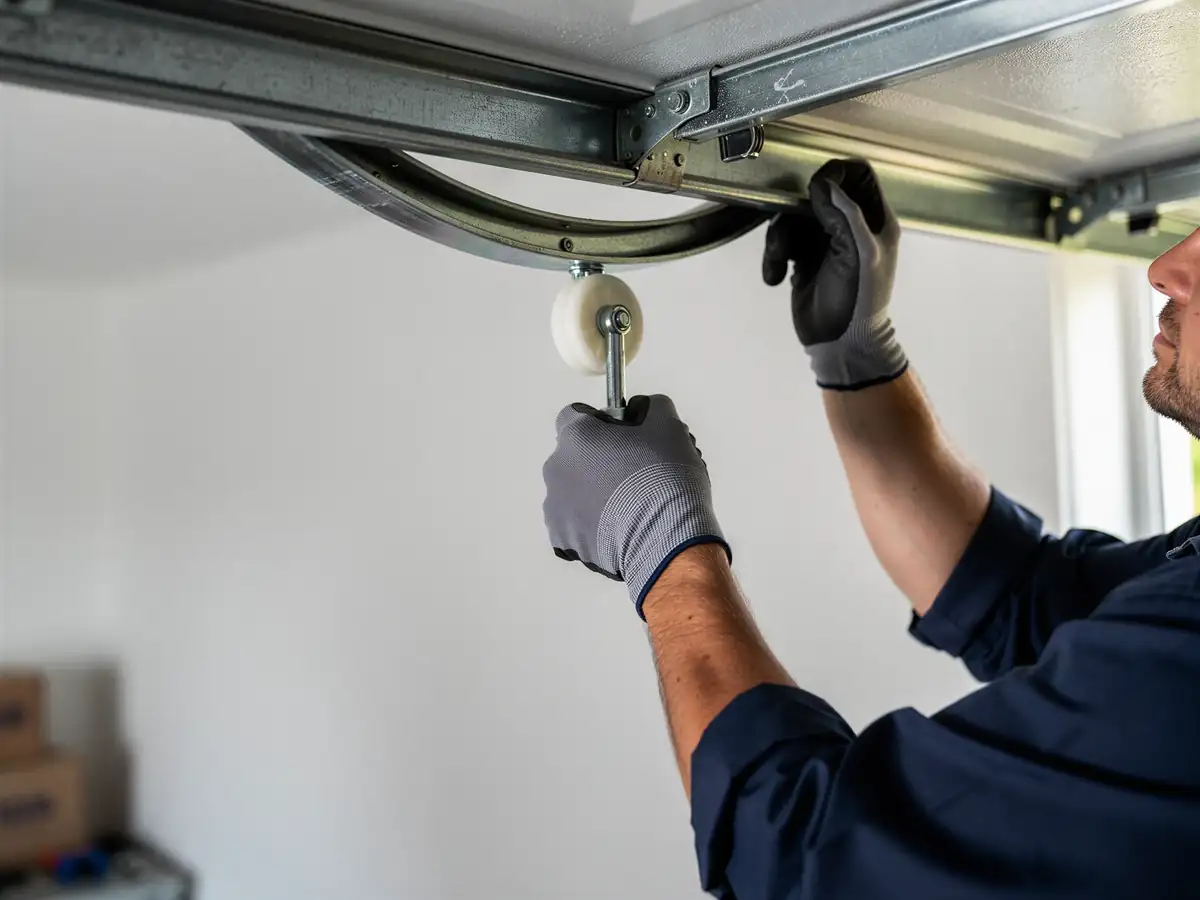
There's a short list of things worth checking before you call anyone. Pull the emergency release and see if the door moves freely by hand - if it's heavy or lopsided, the spring is doing less than it should. Look at the two coils on either side of the header; if one is gapped open while the other is tight, that's your answer. You can safely clean and lubricate the rollers and hinges with a garage-door-rated lubricant, and you can tighten loose bolts on the track brackets if you can reach them without standing under the door.
What you shouldn't do is touch the torsion spring itself. A wound spring on a double door holds enough stored energy to break a bone or worse, and there's no safe way to talk someone through winding or unwinding one over the phone - we won't do it, and any shop that will is telling you something about how they run their truck. If the door won't move, won't stay up, or drops suddenly when you release it, stop there and call. That's the one hard limit on this page: springs are a truck-roll job, not a Saturday project.
The Symptom
The most common version of this call starts the same way
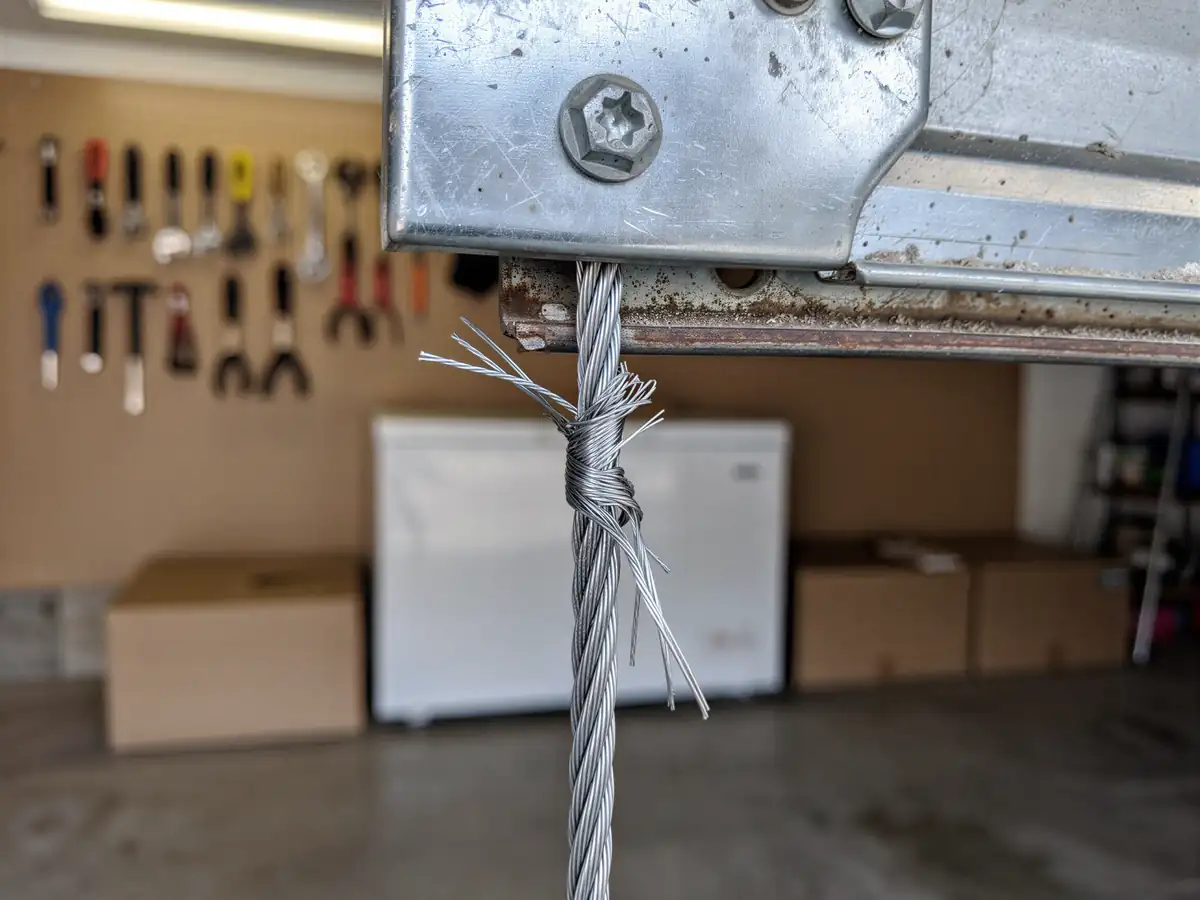
The door was fine yesterday, and this morning it either won't lift past a foot or two, or it slammed down hard on its own. Sometimes there's a loud bang from the garage overnight - that's the spring letting go, not the opener. Other times it's gradual: the door gets heavier to lift by hand over a few weeks, the opener starts straining and clicking off mid-cycle, or one side of the door hangs lower than the other when it's halfway up.
If your opener runs but the door barely moves
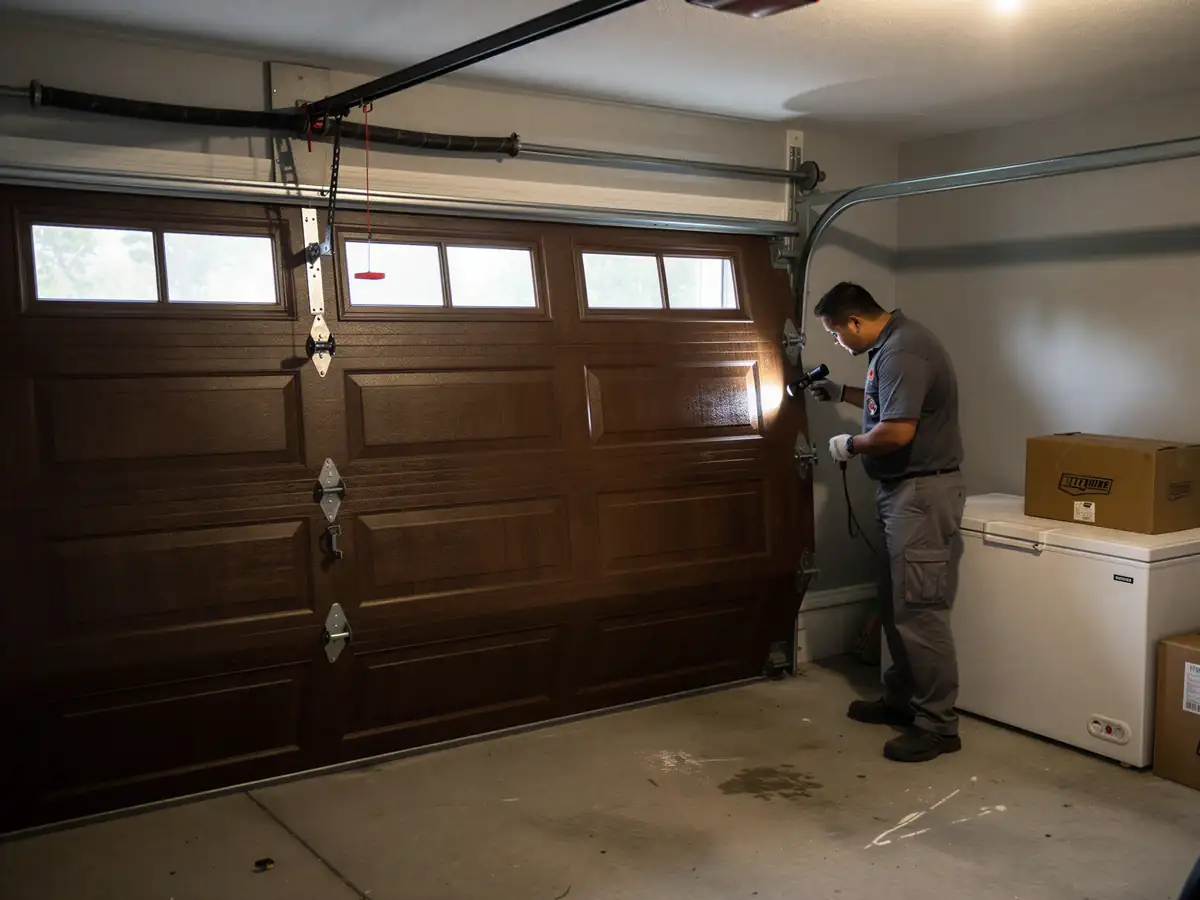
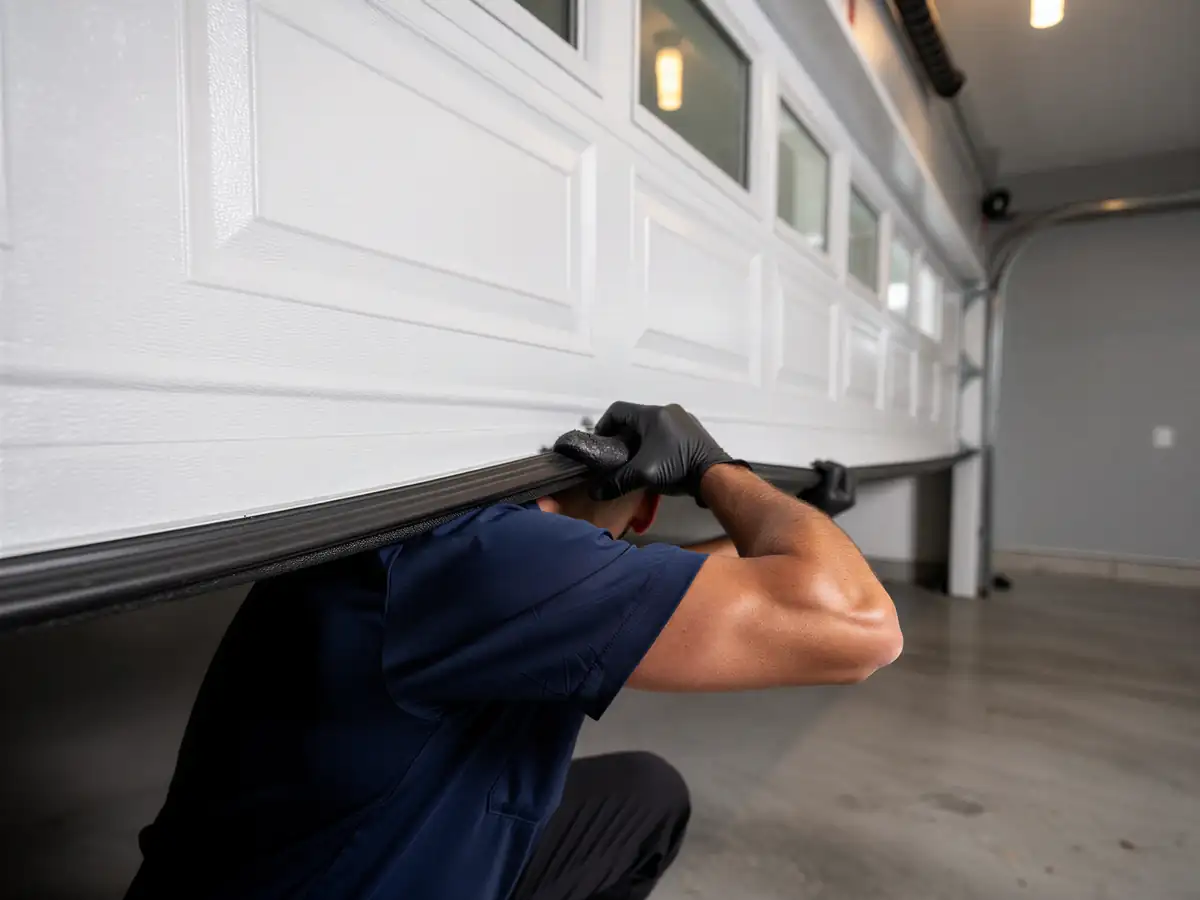
Or moves and then reverses itself, the motor isn't the problem - it's trying to lift a door that no longer has a spring doing its share of the work. A door that looks crooked going up, with one top corner higher than the other, is telling you one spring broke and the other hasn't yet. None of this is a track or opener issue by itself, even though it can look like one at first.
Why It Happens Here
Most houses on this side of Rome and in the surrounding service area - Lindale, Shannon, Cave Spring, Kingston, Euharlee, Adairsville, Cedartown, Summerville, and Rockmart among them - were built between 1957 and 2001, with the median landing around 1975. A lot of the garages built in that window still have their first or second torsion spring, and steel springs are rated for a finite number of open-close cycles, not years. By the time a house is pushing fifty years old, that math has usually caught up with it.
Rome sits in a cold-moderate climate band, which means the spring isn't just cycling thousands of times, it's doing it while contracting in winter cold and expanding back in summer heat every year. That repeated flex is what finally fatigues a coil that's already near the end of its rated life, and it's why we see a cluster of these calls from the same handful of mid-century subdivisions rather than scattered evenly across every build era. Newer doors in this area, built after 2001, tend to hold up longer simply because the spring hasn't logged as many cycles yet.
How Long It Takes
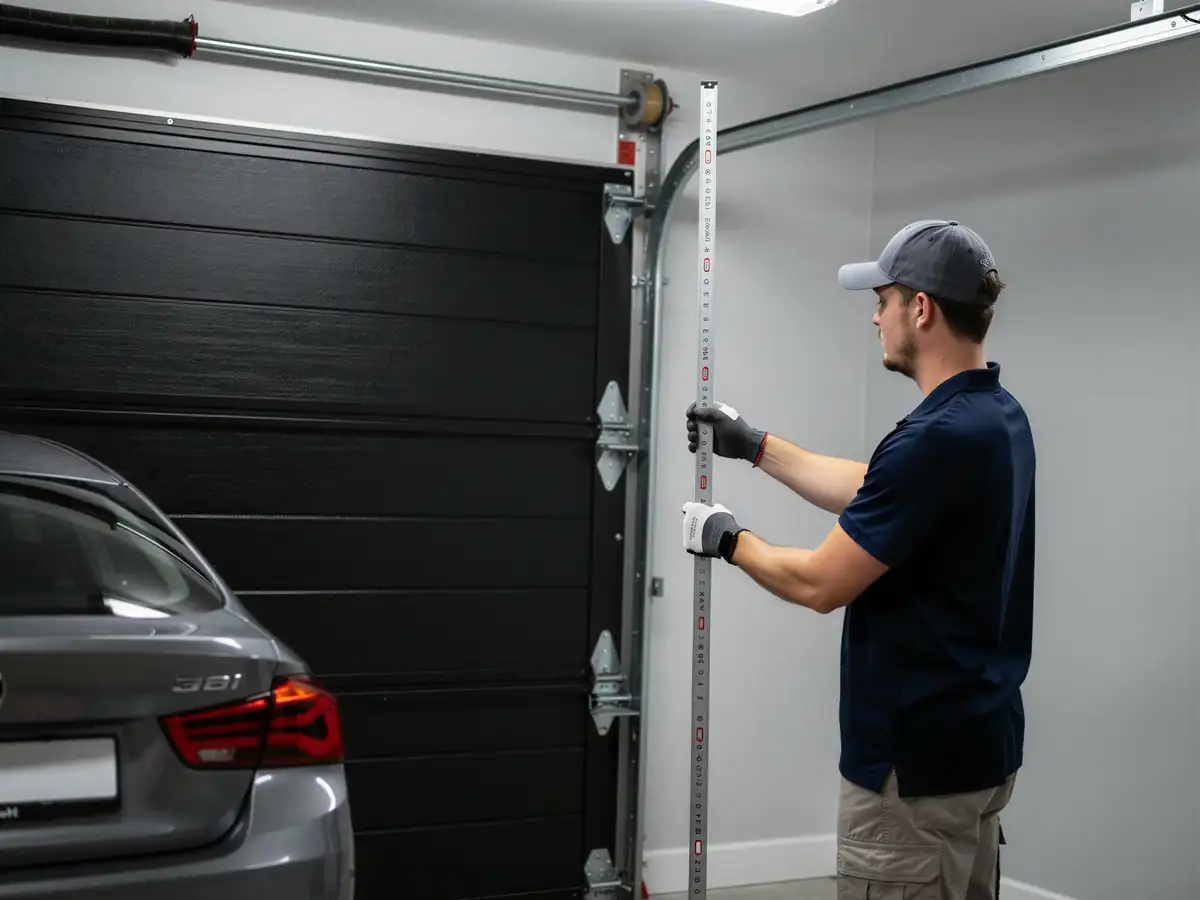
Once we're on site and know the wind direction, wire gauge, and spring size, swapping a broken torsion spring on a standard double door is a contained job - most of the time goes into matching the old spring correctly, not turning wrenches. That matching step matters more here than it might elsewhere: a lot of the original hardware on houses built in the 1960s and '70s around Rome is long out of production, so getting the wind and cycle rating right sometimes means measuring twice against what's actually on the header rather than assuming a standard part will fit.
Across this service area's roughly 6,489 owner-occupied houses, most clustered in that same mid-century build window, we see enough of these jobs to keep common spring sizes on hand, which cuts down on return trips. What we can't promise on this page is a fixed number of hours, because a door with rusted track or a bent panel on top of the spring takes longer than a clean spring swap. If the opener was straining against a broken spring for a while before you called, we check that too - no point replacing one part and missing another that's about to go.