Doing It Yourself
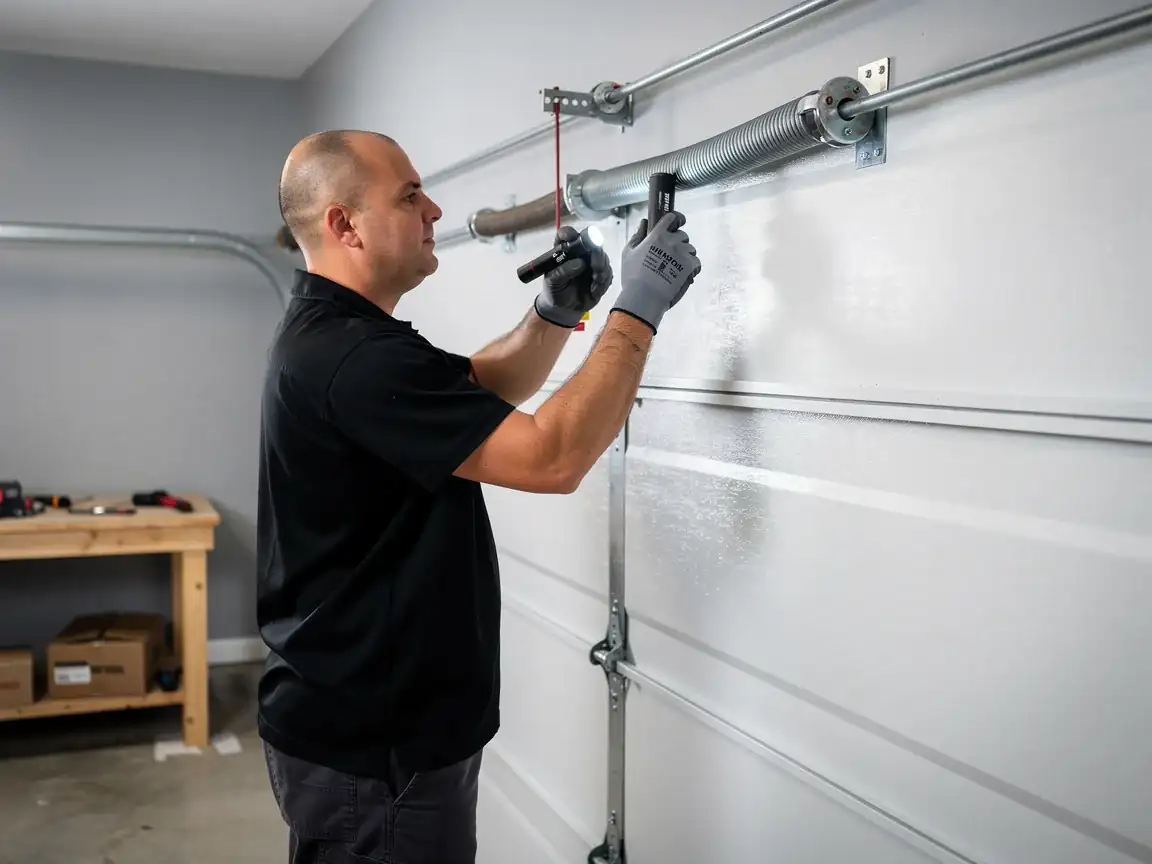
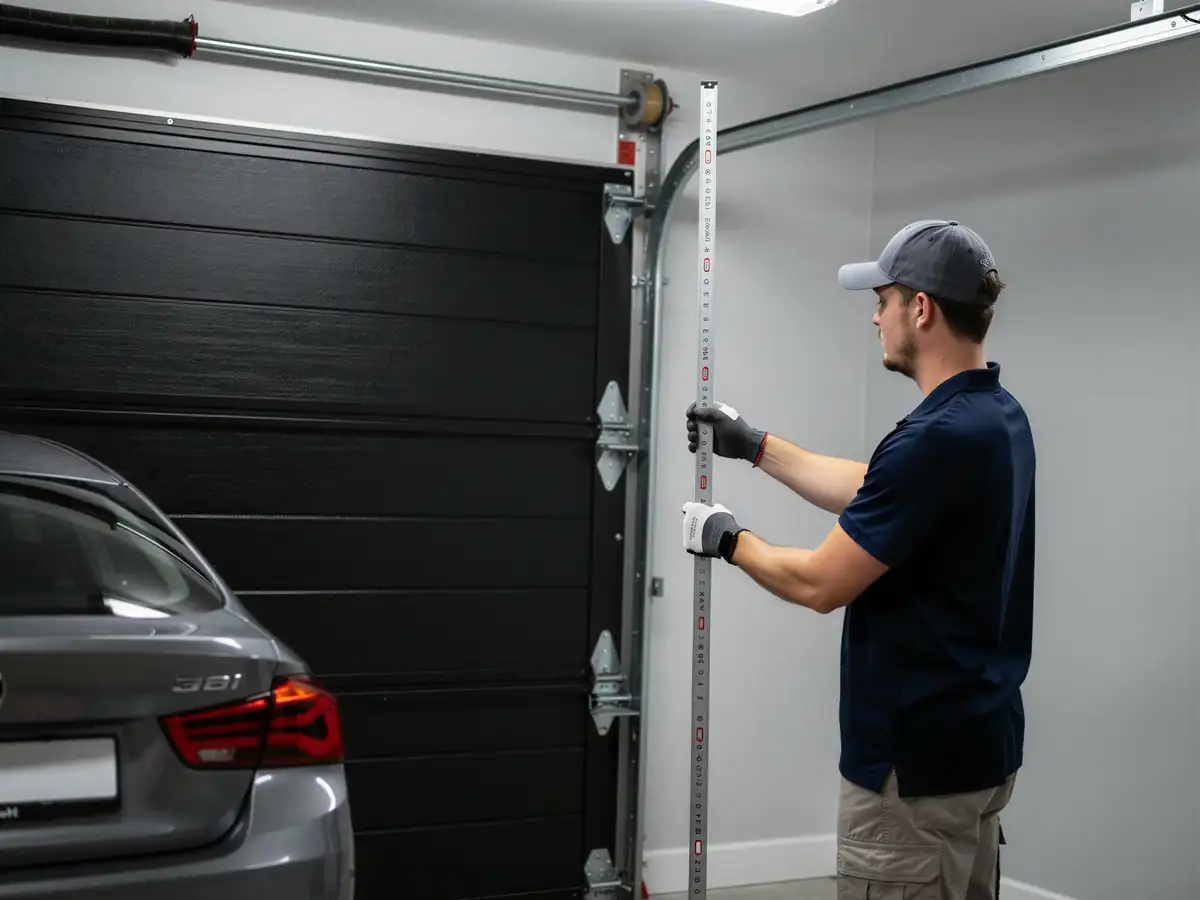
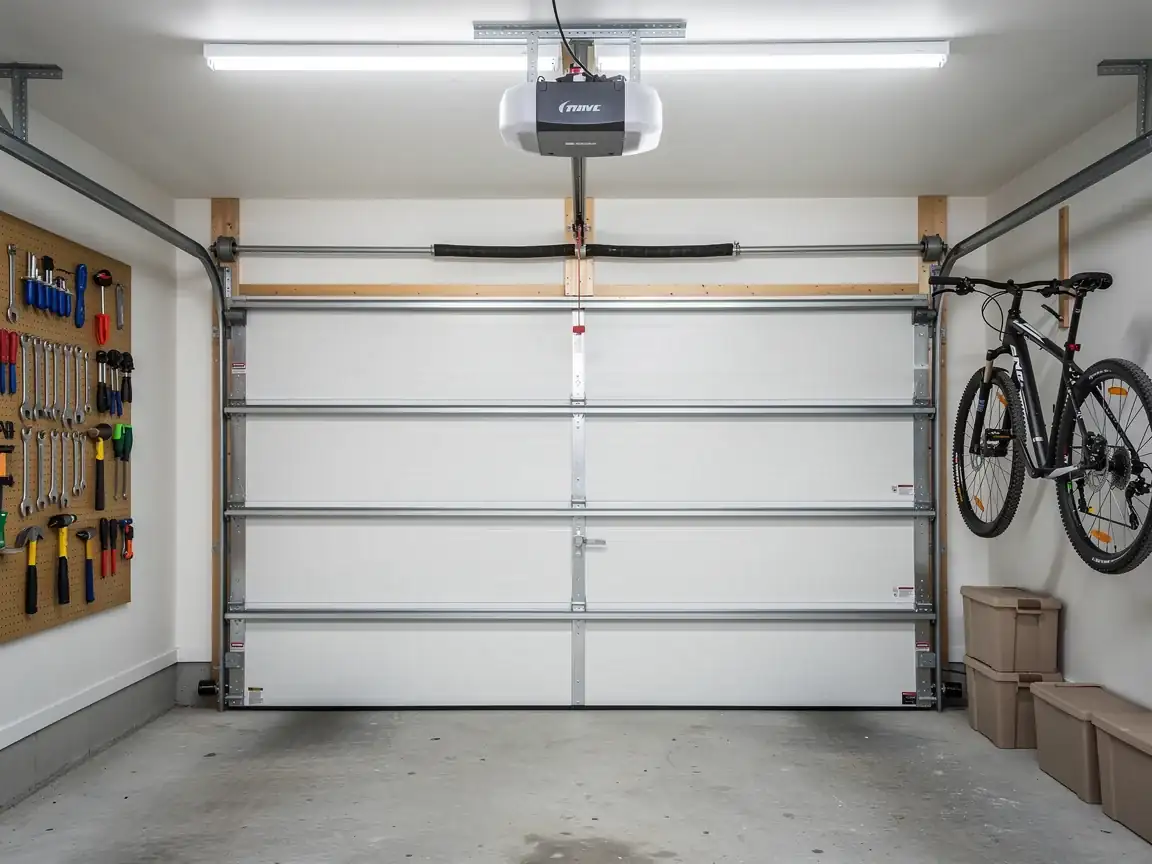
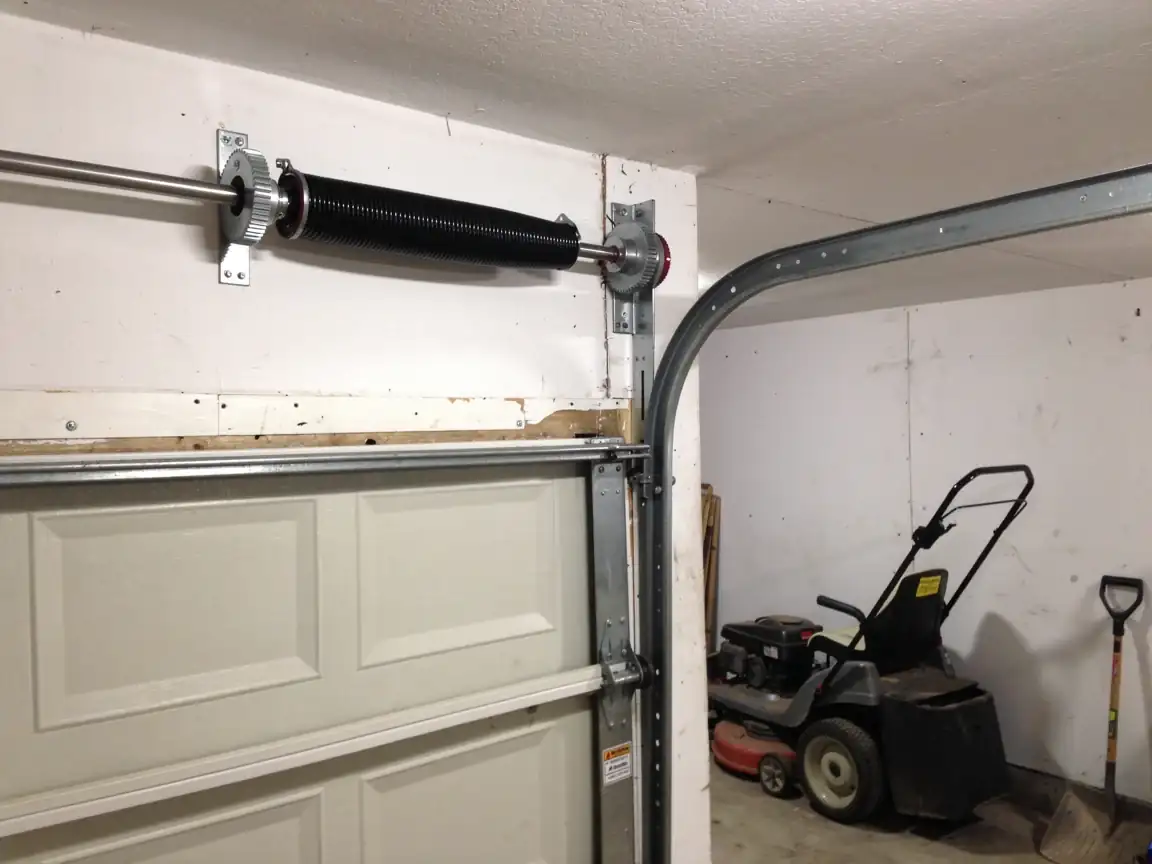
A snapped cable looks like a simple fix until you're standing under a door that weighs more than your car, held up by one spring and a wish. The cable winds onto a drum at the top of the track, and it's under real tension even when the door looks still. If you don't have a winding bar and you don't know your spring type, leave this one alone. We'd rather tell you that up front than have you call us from the floor of your garage.
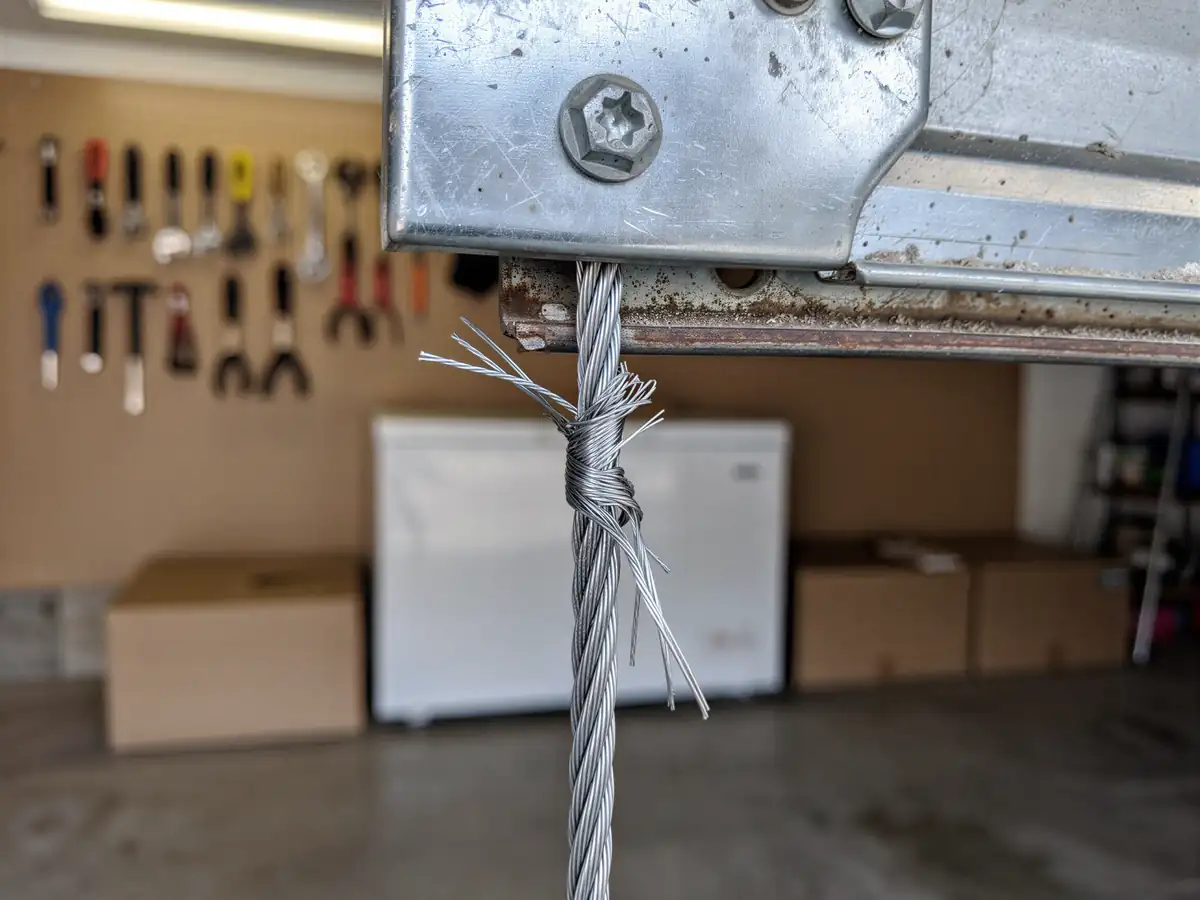
What you can safely check yourself: look at the cable where it meets the bottom bracket. If it's frayed, kinked, or you see strands popping loose, that's your answer and you don't need to diagnose further. If the door is crooked when it opens, hanging lower on one side, that's usually a cable off the drum, not a broken one, and it still needs a torsion-system repair, not a tug back into place. Don't try to rehang a cable with the spring loaded. That's the single fastest way this call turns into an ER visit instead of a service call.
The Symptom
Most calls start the same way
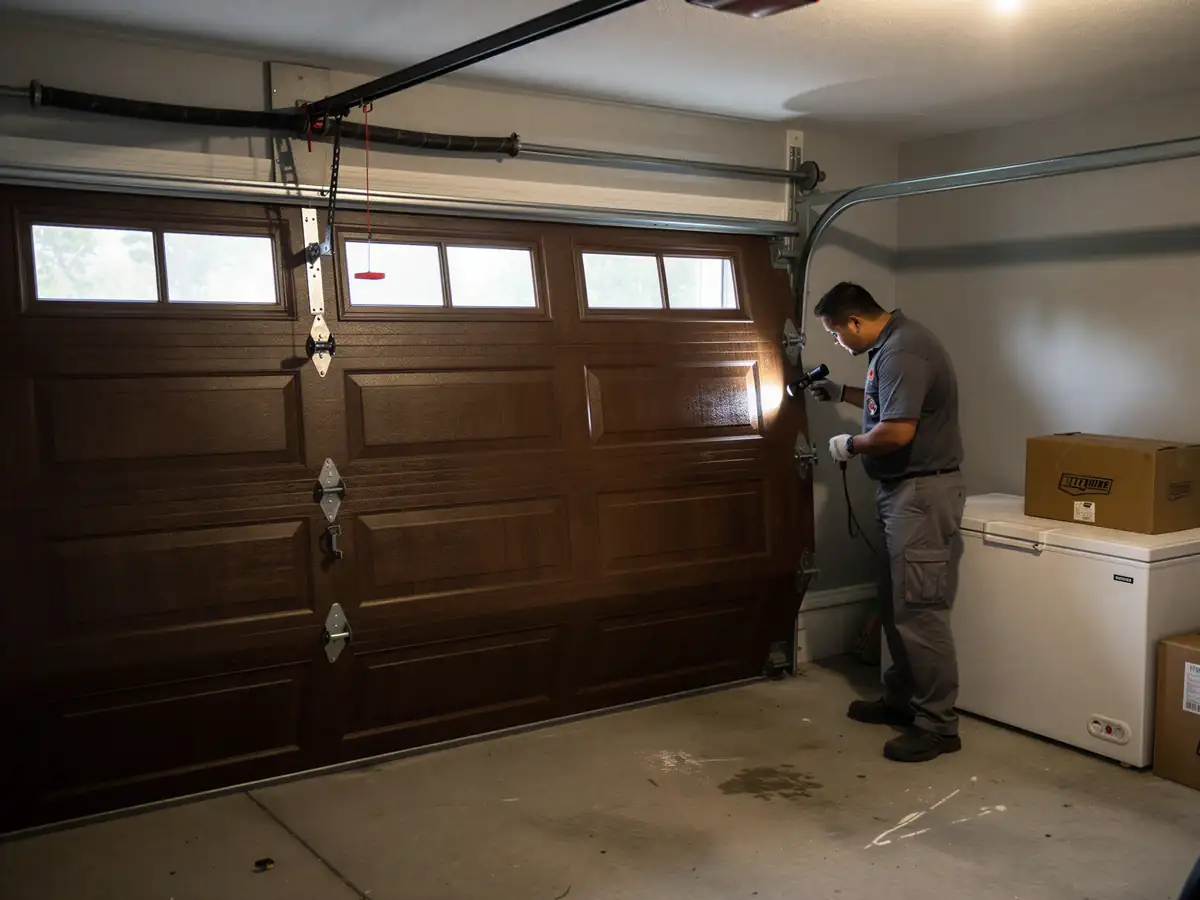
The door drops unevenly, one corner lower than the other, or it slams the last foot instead of settling. Sometimes a homeowner hears a sharp snap and finds the door stuck halfway, cable coiled loose on the garage floor. On older doors across Rome, we also see slow fraying that nobody notices until a strand lets go under load, usually on a cold morning when the opener works hardest.
A cable that's merely loose or jumped off its drum behaves differently from one that's fully broken
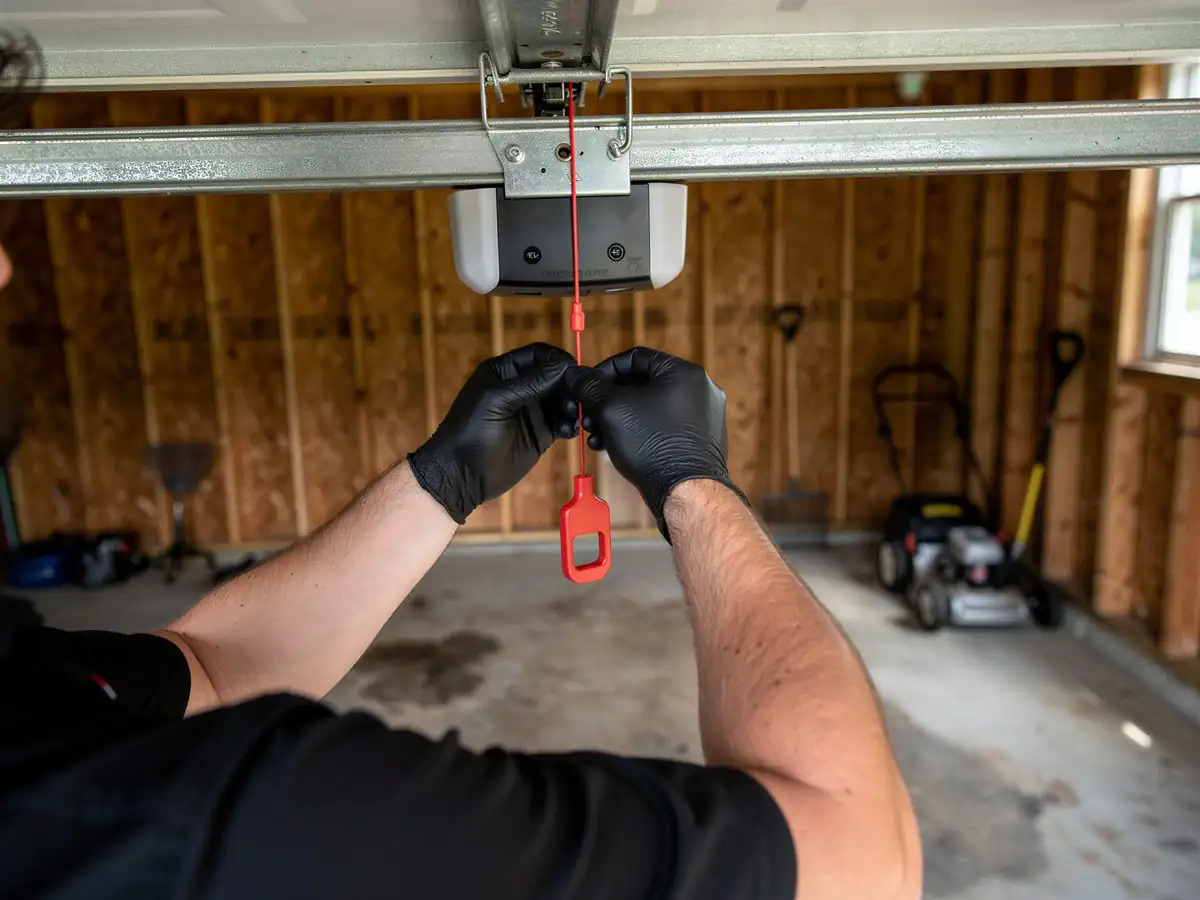
A loose cable usually still lets the door move, just crooked. A broken one locks the door at whatever height it failed, and forcing the opener past that point can bend track or crack a panel. Either way, the fix lives at the drum and bottom bracket, not at the opener itself, which is why opener troubleshooting alone never solves this.
Why It Happens Here
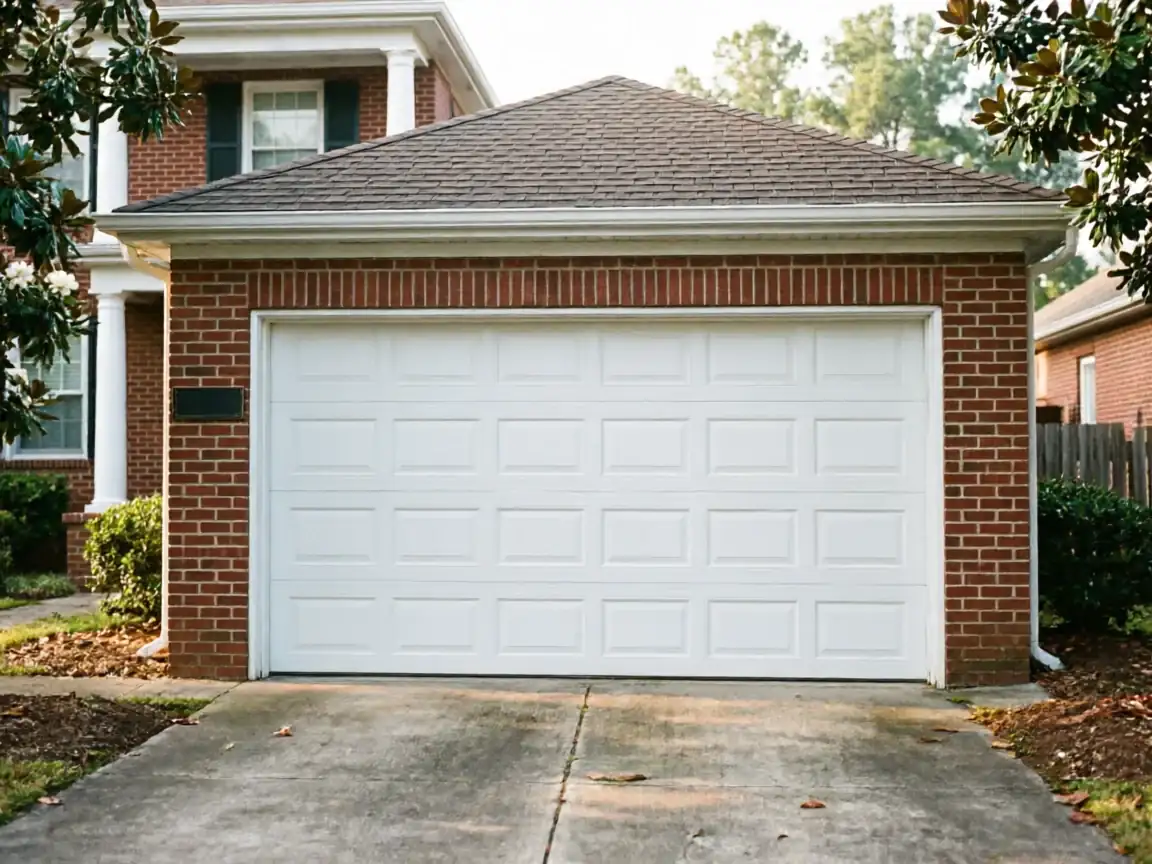
Housing across the Rome service area mostly went up between 1957 and 2001, with the bulk of it dating to the 1960s and '70s. Garage door hardware from that era, and even a lot of the replacement doors installed since, leans on galvanized cable and steel drums that were never built for a 60-year service life. Cable doesn't fail from one bad day, it fails from thousands of cycles of flex and from the kind of cold-weather stiffening that shows up in a moderate cold climate band like this one. Cold makes lubricant thicken and steel contract slightly, which adds load right at the point the cable bends around the drum.
Across the roughly 13,700 households in the service area, with about 6,500 of those owner-occupied houses, a lot of garages are holding original or first-replacement hardware that's simply aged out. It's not a defect, it's wear, and it tends to show up in exactly the kind of homes built in that mid-century wave. That's the pattern we see call after call, not a fluke of any one house.
How Long It Takes
A straight cable replacement on a residential door, done once we're on site and have the right cable and drum for your track size, is a same-visit job. We bring stock cable sized for the common torsion setups found on housing from the 1960s through the 1990s, which covers most of what's out there in this area.
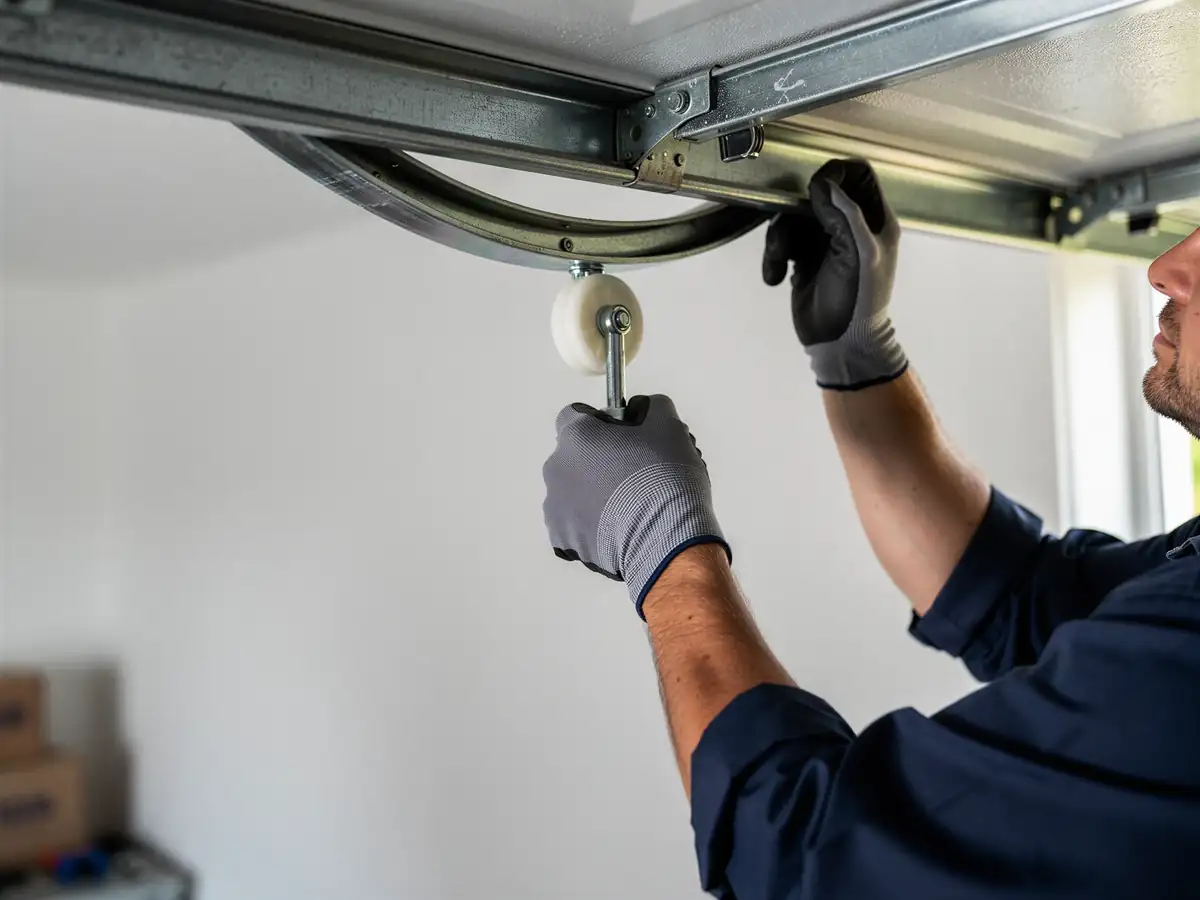
Where it runs longer is when the cable failure took something else with it, a bent track, a cracked drum, or a bottom bracket pulled loose from the panel. That's a parts question as much as a labor one, and if your door uses an odd-size track or a drum that's no longer a common stock item, we may need to order it, which adds a day or two. We won't guess on that over the phone. We'll tell you once we've seen the hardware what's in stock and what needs to come in.