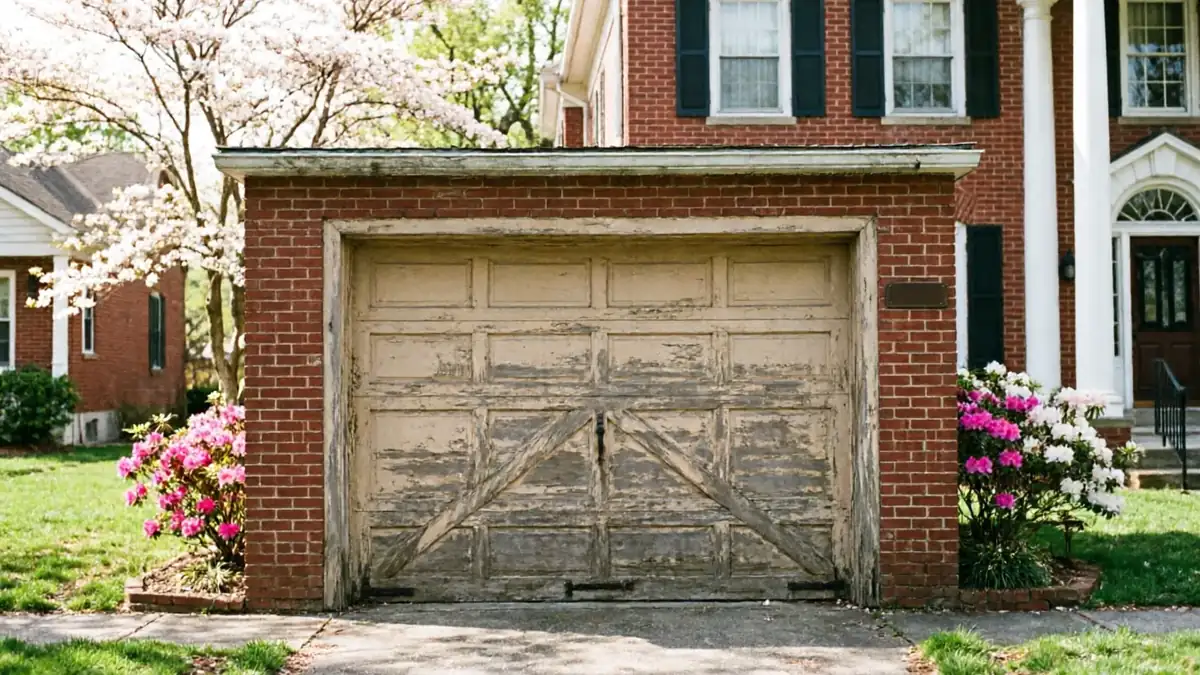
Leaving It Alone
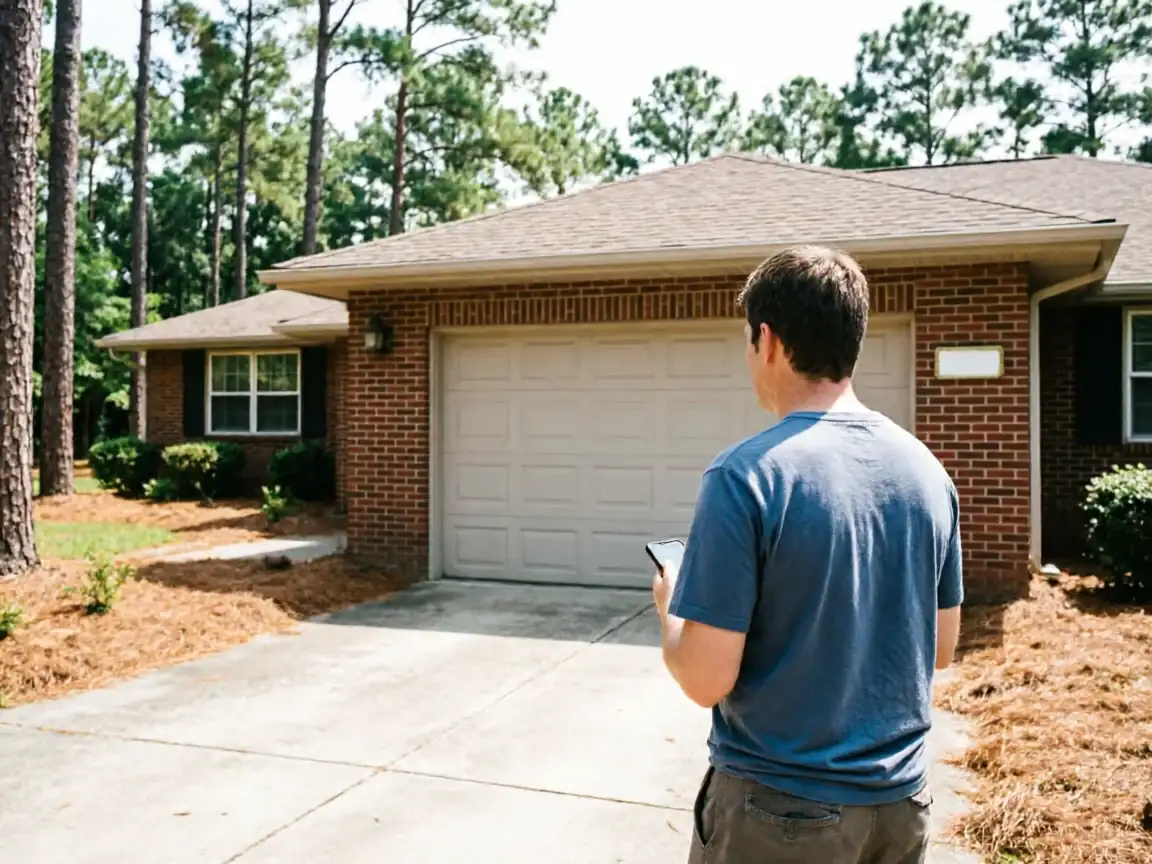
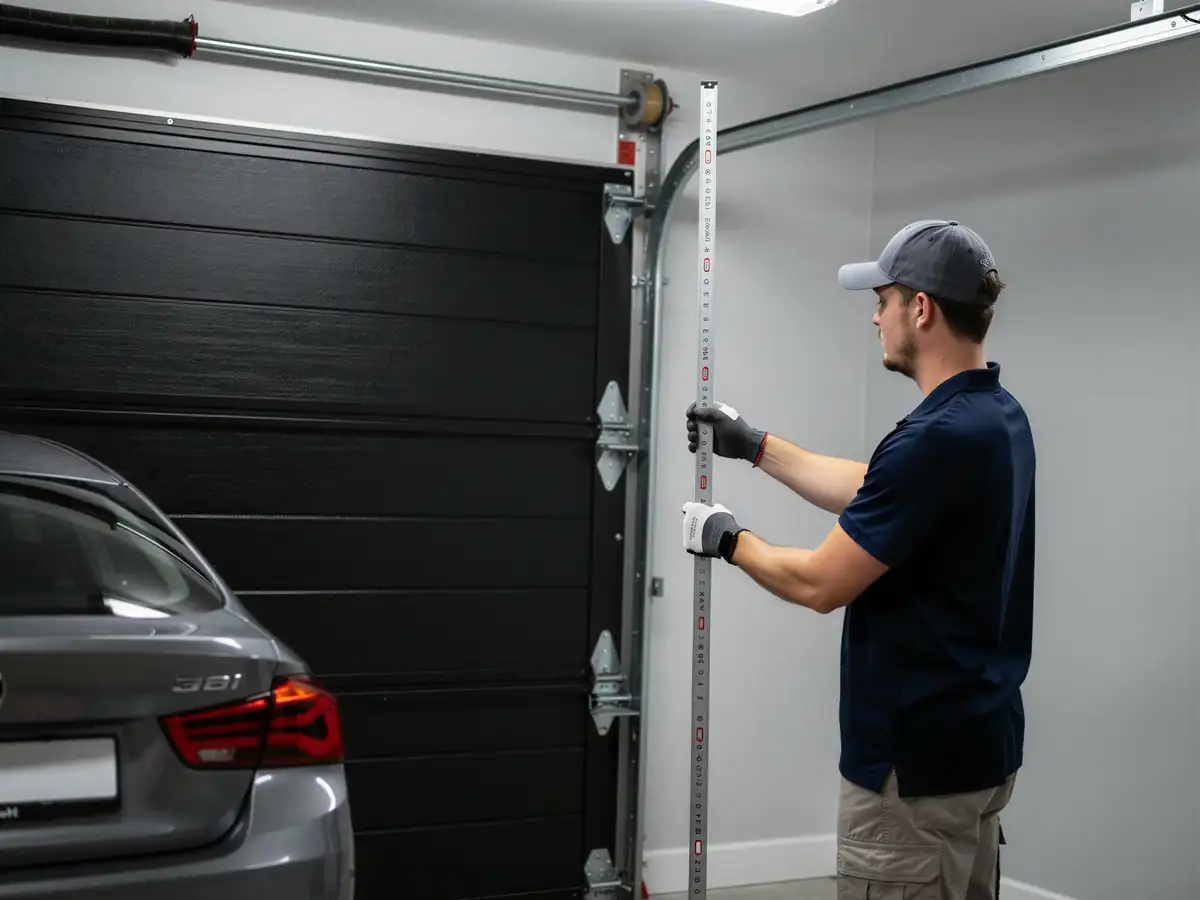
Most of the houses we get called to went up between 1957 and 2001, with the typical build year landing around 1975. That means a lot of original steel sectional doors are still hanging on torsion hardware that's now pushing fifty years old. The noise you've been ignoring - a groan on the way up, a shudder halfway down - isn't the door getting old gracefully. It's a spring that's lost wind tension a little at a time, or a track that's bent just enough to bind a roller every third cycle.
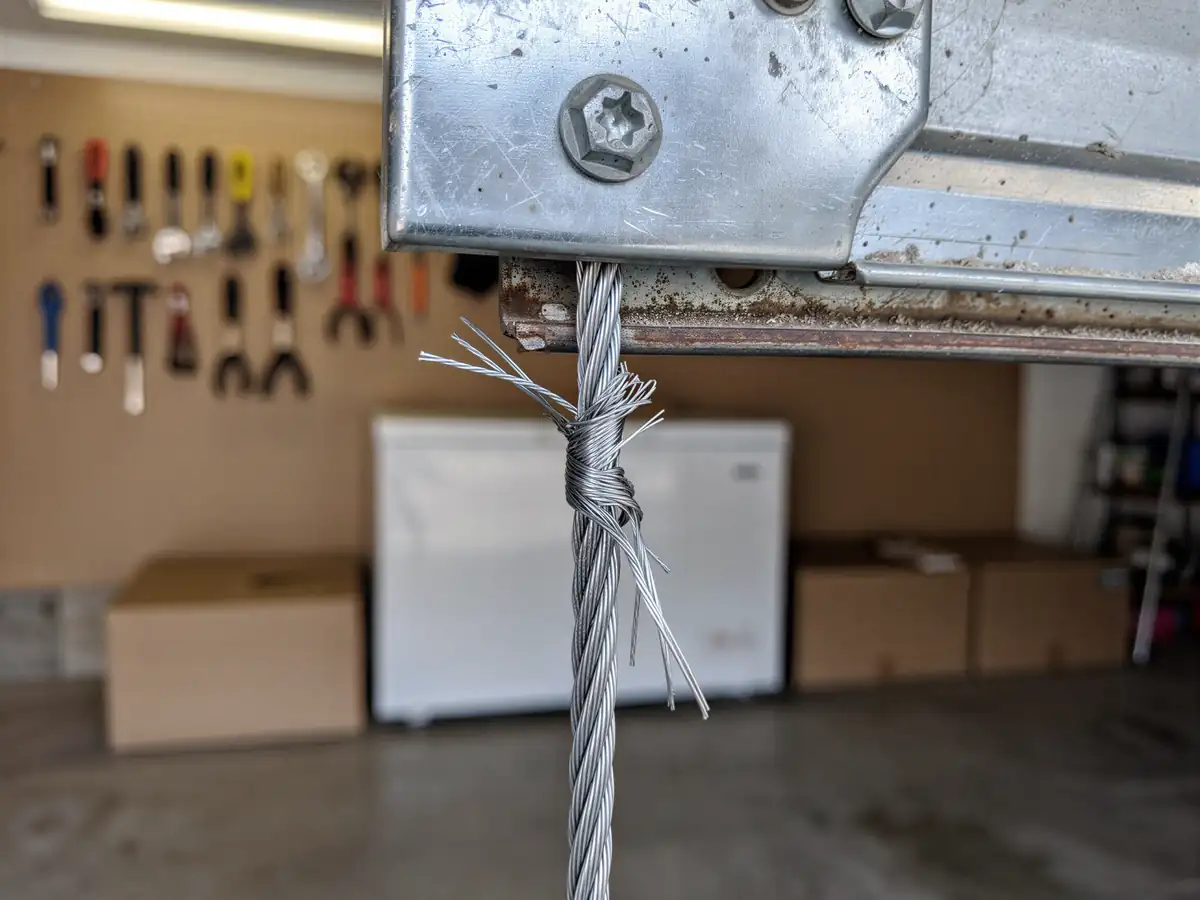
Across the nine areas we cover, that 1960s-70s stock is the rule, not the exception, so this isn't a one-house problem. Leaving a tired spring alone doesn't make it fail gently later - it makes it fail suddenly, usually under full load, on a door that's about eight feet off the ground when it lets go. We'd rather look at it while it's still a noise and not yet a cable whipping across your driveway.
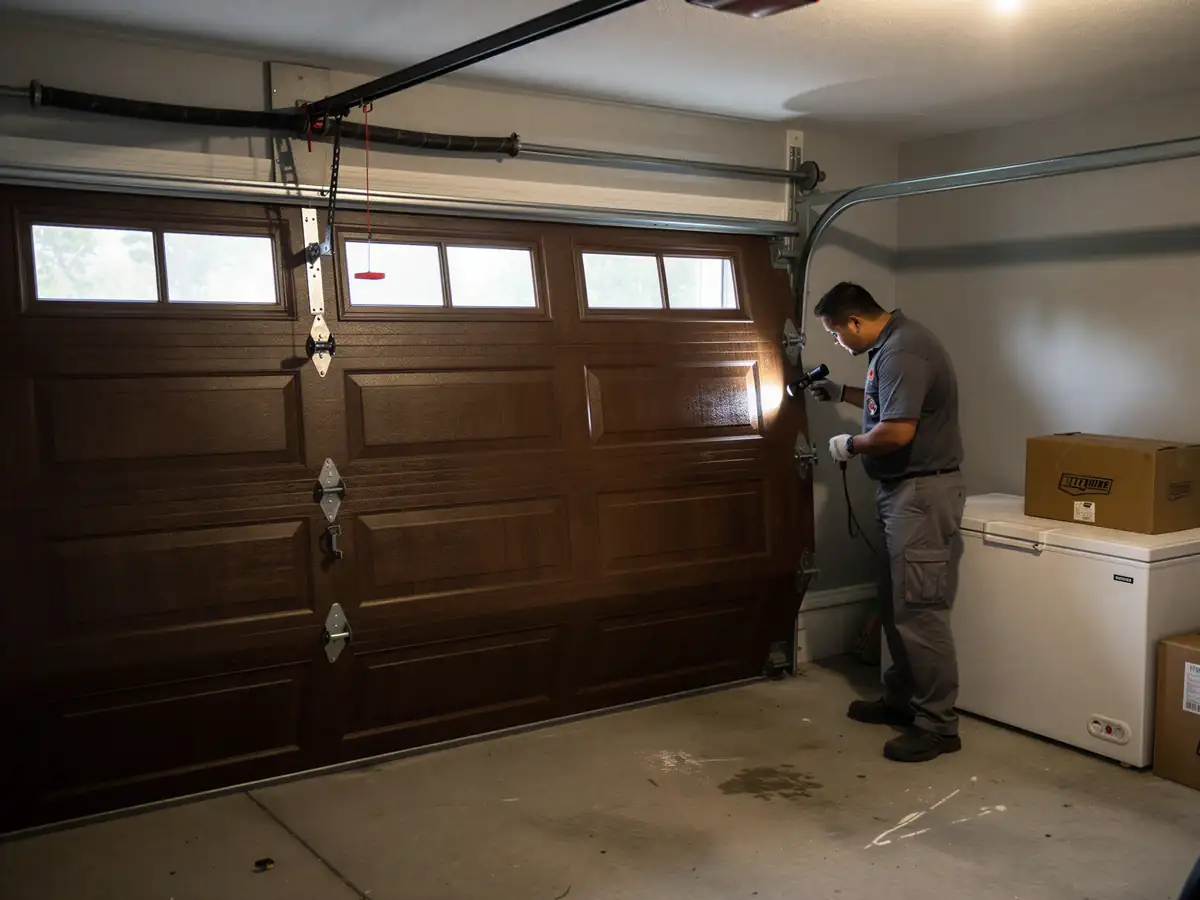
The honest version: not every noise means trouble. Some of it is just an unlubricated hinge. But on a door this old, assume the worst costs you fifteen minutes of someone checking, not a new door.
What Local Conditions Do
Rome sits in a cold-moderate climate band
That's not dramatic weather, but it's steady wear: freeze-thaw cycling through the winter months works on steel the same way it works on a driveway - slowly, at the joints. Torsion springs lose a little coil tension with every temperature swing, and tracks that were bolted up in 1975 have gone through five decades of that cycling, not five years.
Condensation is the other half of it
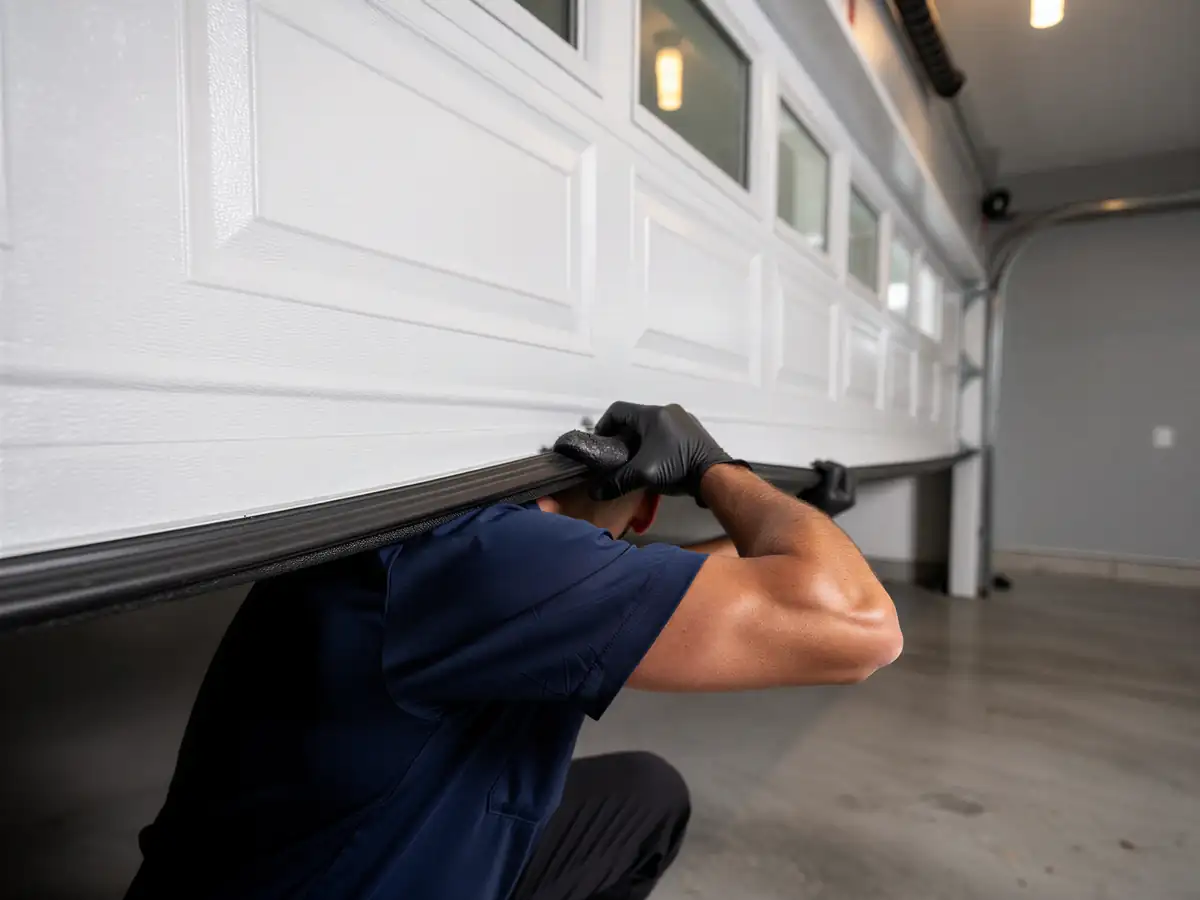
A garage that isn't heated or insulated will sweat on cold mornings, and that moisture finds every unpainted hinge pin and every spot where galvanizing has worn thin on an original door. On houses built before the 1980s, we see rust at the roller brackets and bottom corners more than anywhere else - it's where water sits longest.
None of this means a 1970s door is doomed
It means the hardware ages differently here than it would somewhere with a milder, drier climate, and that changes which repairs are worth doing versus which ones are a stopgap. A fresh set of springs on a rusted track is money spent twice.
When It Stops Being a DIY Job
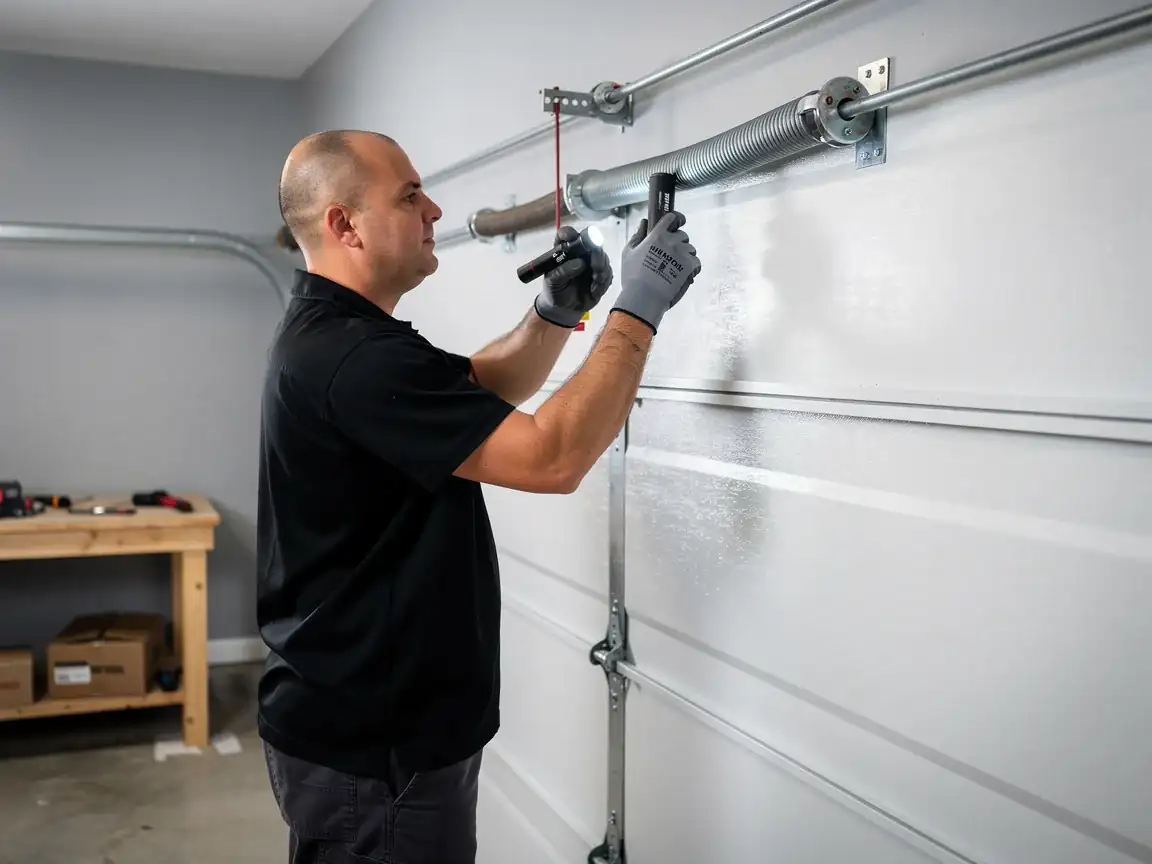
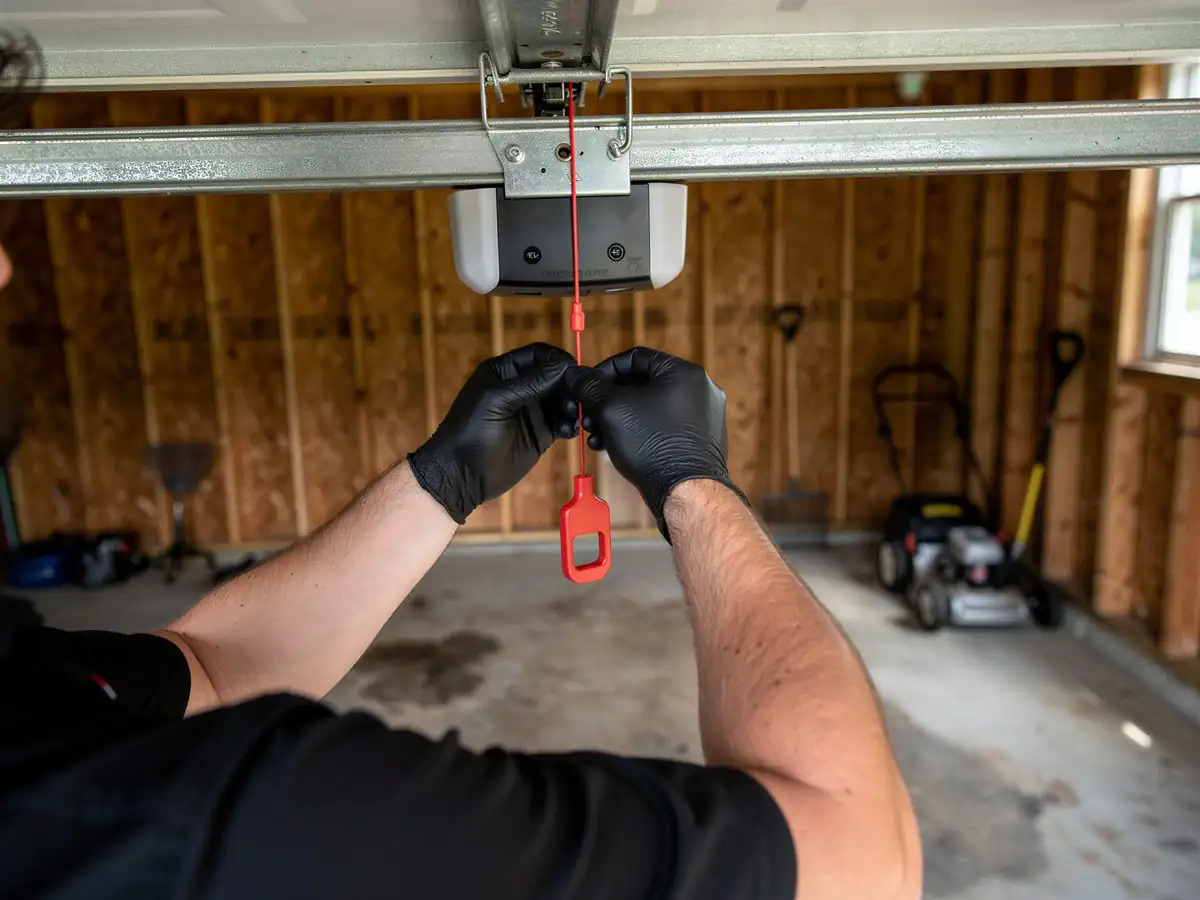
A torsion spring under tension can put someone in the hospital, and that's true on a door that's five years old or fifty. But on the older stock common in this area - doors built when torsion systems varied more from manufacturer to manufacturer - there's an added wrinkle: the spring sizing and drum setup on a house from 1975 isn't always what a parts counter has in stock today. Guessing wrong on wind and wire gauge is how a repair turns into a second call.
With median household income across the service area at $52,799, most owners we talk to aren't looking to spend more than they have to. That's fair, and it's exactly why we won't talk someone into replacing a door that just needs a spring and a tune-up. But if the springs are original, the track is pitted, and the bottom panel has started to bow, you're not looking at one repair - you're looking at three repairs spread out over the next two years, each one on an emergency call instead of a planned one.
Where we draw the DIY line: springs, cables, and anything that requires disconnecting tension. Everything else - a dented panel, a misaligned sensor - most owners can handle with a screwdriver and patience.
The Problem
The real question on an older door isn't whether it still works. It's whether the money you'd spend keeping it working is money you'll spend again in eighteen months. A door built in the 1960s or 70s was built to a lower cost standard than anything made in the last fifteen years - thinner steel, no insulation layer, hardware that wasn't designed to be serviced twice.
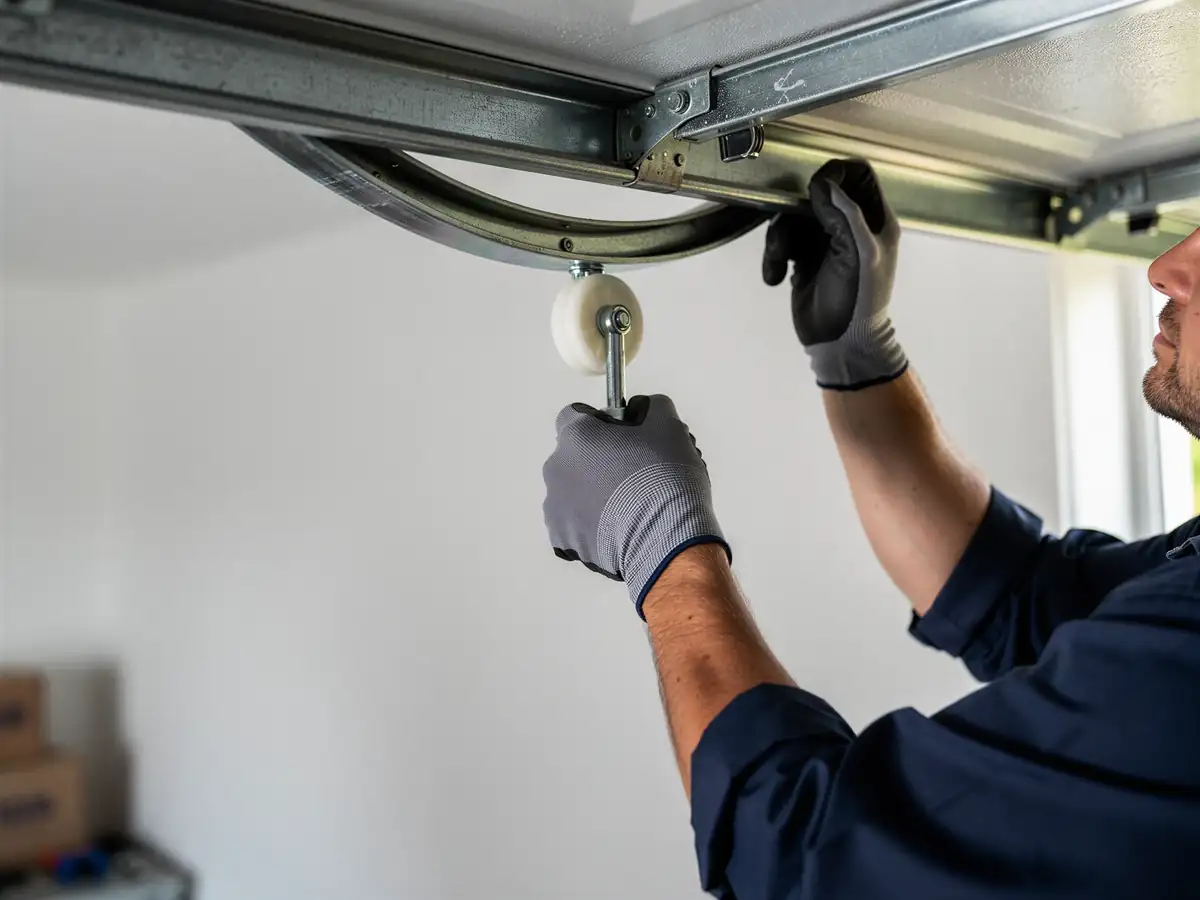
Across the service area, 6,489 of roughly 13,713 households own the house they live in, and that ownership is the group actually facing this decision - renters don't usually get a vote on whether a door gets fixed or replaced. For an owner, the math usually comes down to this: if the track is straight and the panels aren't rusted through, a spring and roller job gets you another decade. If the track is bent or the bottom section is rotted from years of ground moisture, you're paying repair money toward a door that's still going to need replacing.
We don't have a number for how often that second scenario shows up versus the first - it depends on the house. What we can tell you is that a door from the Lindale or Shannon side of the county is sitting in the same age band as one in town, and we size up the decision the same way on both.