Doing It Yourself
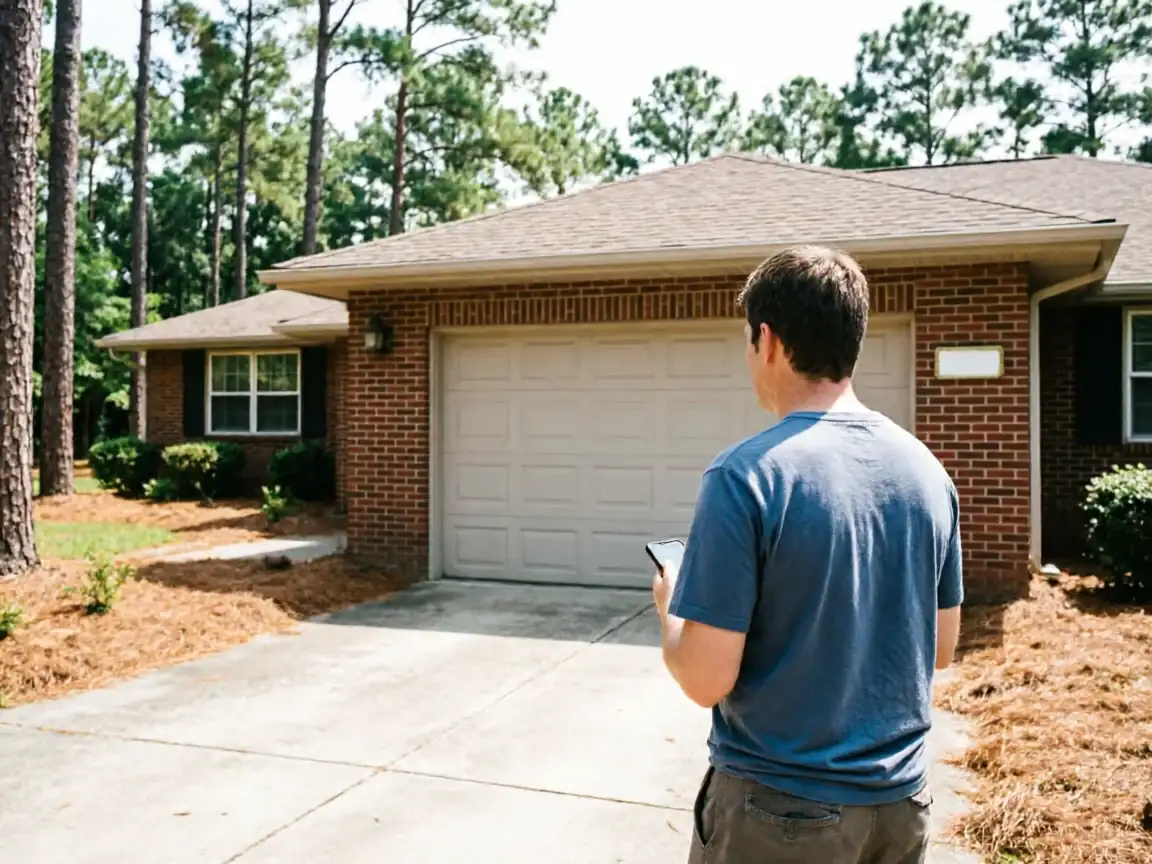
Before you call anyone, there are a few things worth checking yourself. Swap the batteries in the remote and the wall button if it's battery-powered. Look at the two small sensor eyes near the bottom of the tracks - if one is knocked out of alignment, or a spiderweb is sitting across the lens, the opener will refuse to close and just blink its light at you. Wipe the lenses, nudge them level, and try again.
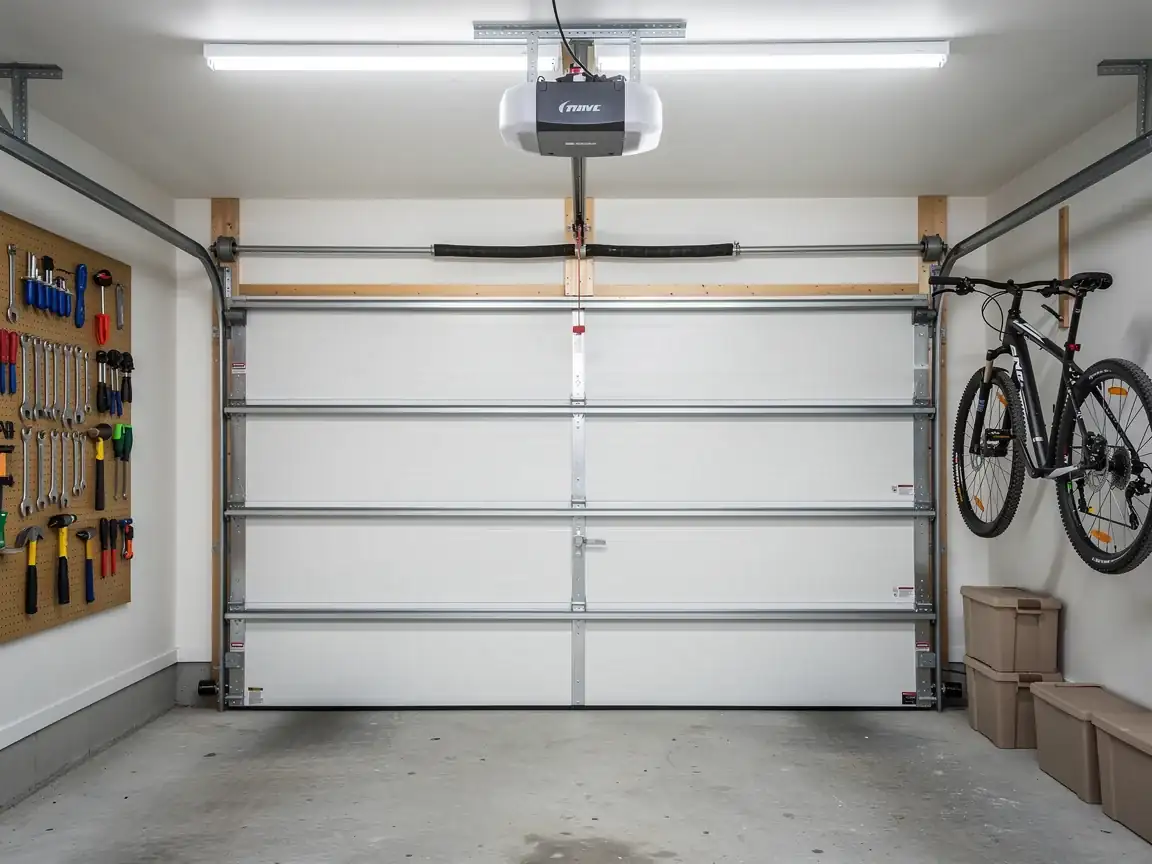
If the opener hums but the door doesn't move, stop there. That hum usually means the capacitor or the motor windings are failing, and the drive gear or motor housing is not something to open up yourself - the capacitor can hold a charge even unplugged, and chain-drive units have enough spring tension in the trolley assembly to cause a real injury if you're not used to them. That's the honest limit of what you should take on without a trade background.
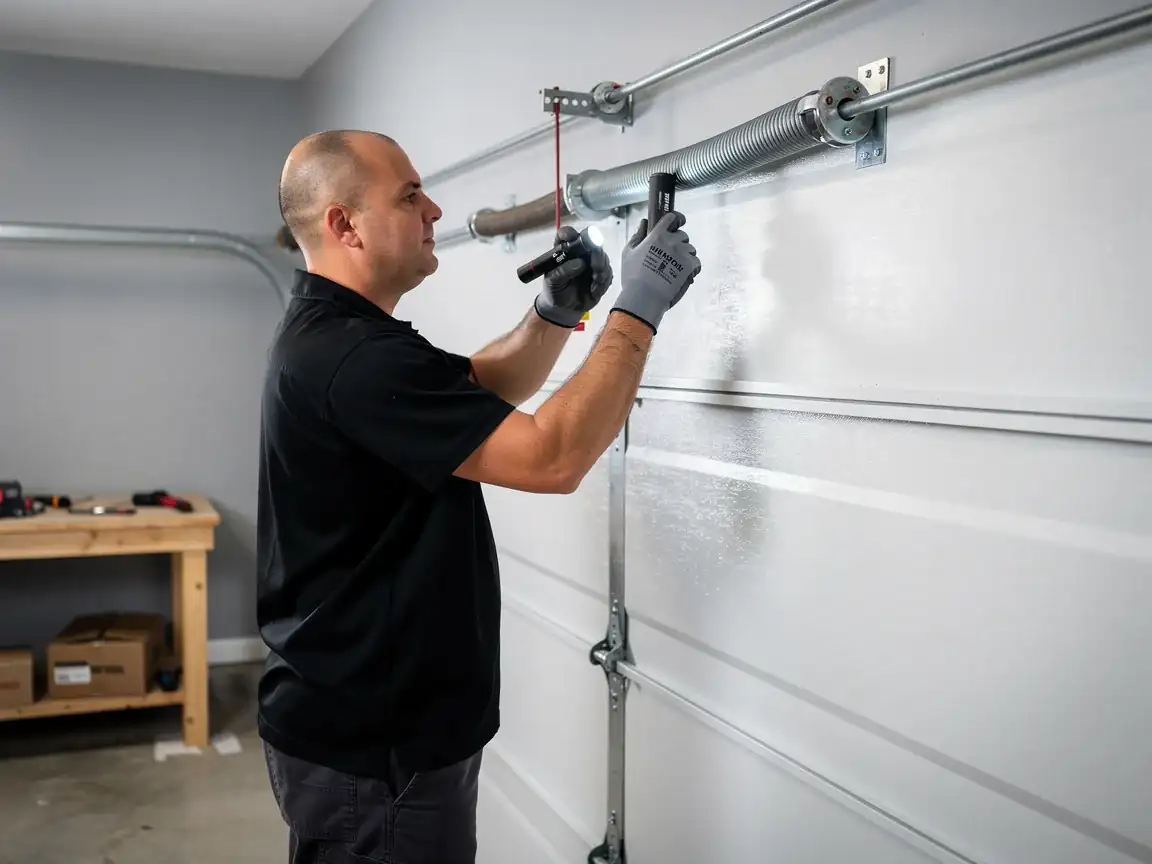
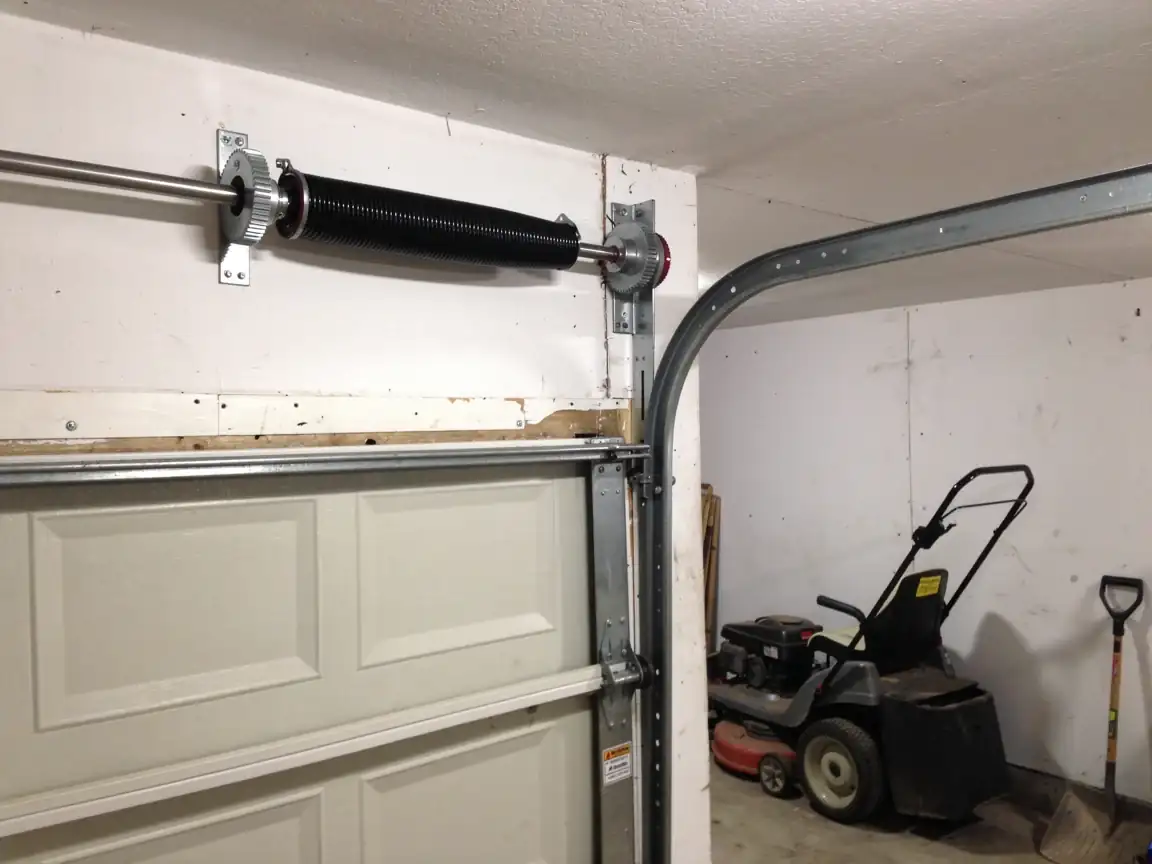
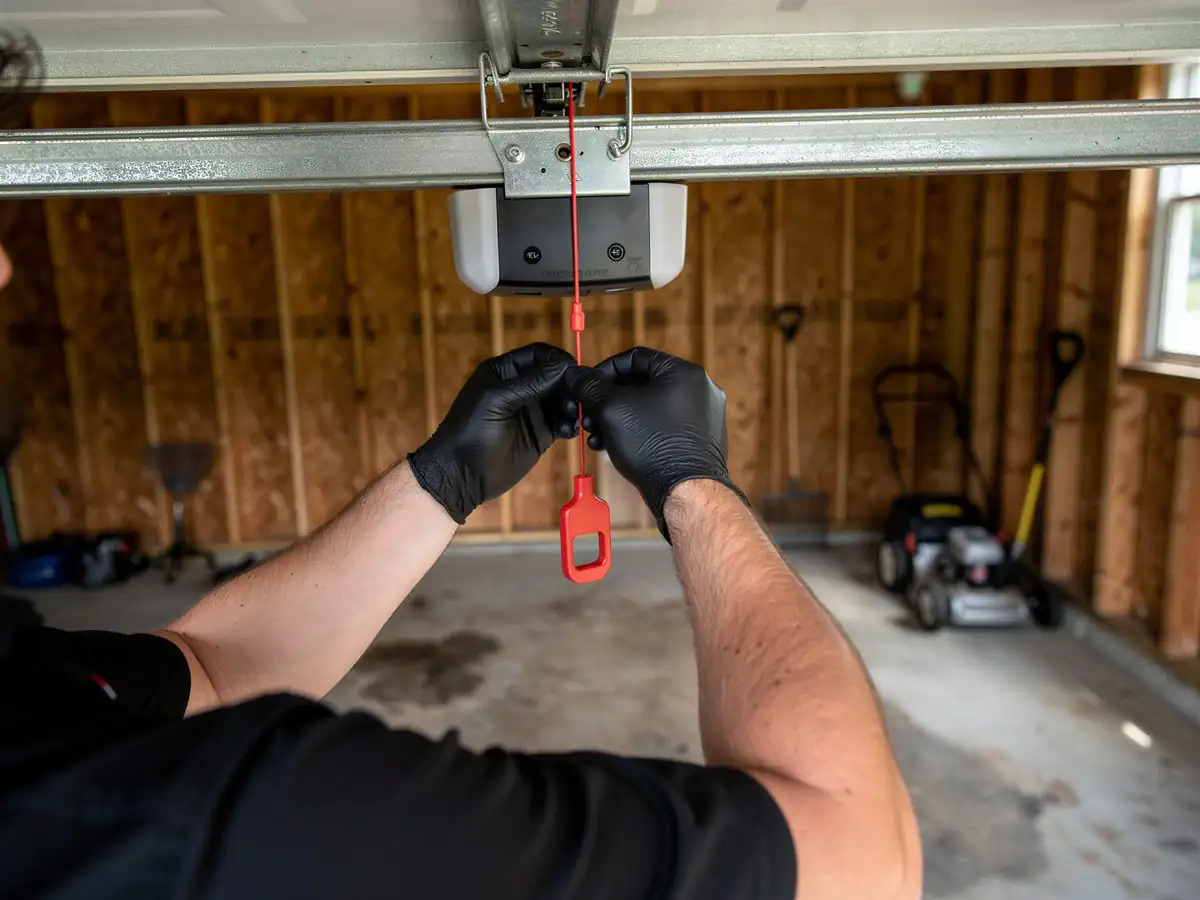
One more thing to try: pull the manual release cord and lift the door by hand. If it's heavy, uneven, or won't stay up on its own, the problem isn't the opener at all - it's the spring system, and no amount of opener troubleshooting will fix that.
The Symptom
Most calls start the same few ways
The opener runs but the door doesn't move - usually a stripped drive gear or a worn trolley. The door goes up fine but reverses halfway down, which points to the sensors, the travel limits, or the force setting being set wrong after someone bumped it. Sometimes the remote works from the driveway but not from the street, which is a receiver or antenna issue, not a dead remote.
The one that worries people most is total silence
No hum, no light, nothing when the button is pressed. That's often a tripped breaker or a bad wall switch, but it can also mean the logic board has failed, and that part usually has to be ordered rather than pulled off a shelf.
A door that opens a few inches and stops
Then creeps the rest of the way, is a classic sign of a motor nearing the end of its life rather than a one-time glitch. None of these symptoms tell you the full story on their own - they're starting points for a diagnosis, not a diagnosis themselves.
Why It Happens Here
Across Rome's service area, most houses went up between 1957 and 2001, with the bulk of that stock dating to the 1960s and 70s. That matters for openers because a lot of these garages have been through at least one opener swap already - the original unit from the house's early years long gone, replaced by whatever was standard when the owner before you did it. That means mismatched hardware is common: a newer opener bolted onto an original door, or a safety sensor retrofit added years after the motor itself.
Rome sits in a cold-moderate climate band, so grease inside the opener's drive gear thickens during the winter cold snaps and slows the trolley just enough to trip the force sensor - the door reverses, and the owner assumes something's broken when it's really just cold grease fighting an aging gear. With 6,489 owner-occupied houses across the service area, a lot of those openers are original equipment from the home's last major remodel decades back, which means plastic drive gears worn thin from 20-plus years of daily cycling, not a sudden failure.
How Long It Takes
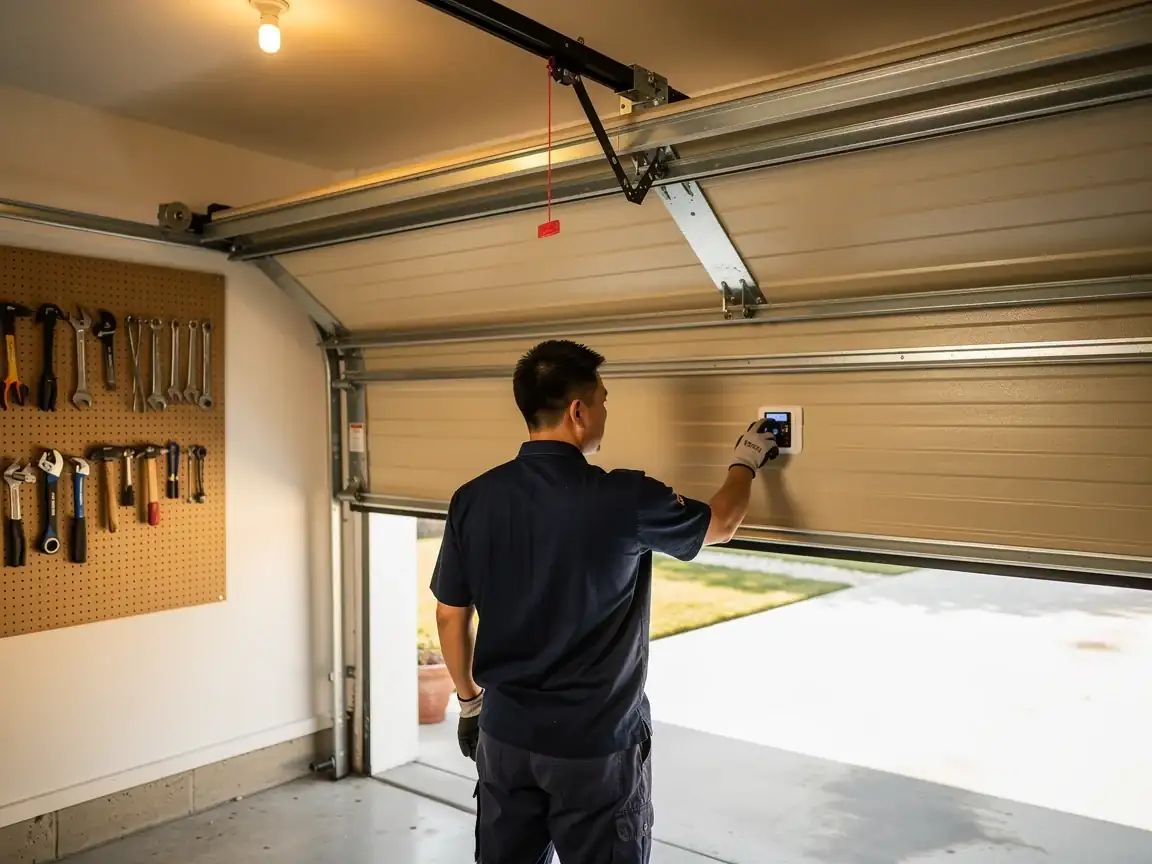
A straightforward fix - a bad sensor, a stripped nylon drive gear, a reset of the travel limits - is usually a same-visit repair once the opener's on the bench or ladder in front of us. Diagnosing a dead logic board or a failed motor takes longer only because we have to rule out the simpler causes first; we're not going to sell you a new board because the real issue was a loose wire at the wall switch.
We cover the stretch from Lindale five miles out to Rockmart twenty miles away, plus Shannon, Cave Spring, Kingston, Euharlee, Adairsville, Cedartown, and Summerville in between, and drive time plays into scheduling more than the repair itself does. At a median household income of $52,799 for the area, most owners want the opener fixed, not replaced, if the motor and logic board are still good - and for a lot of these calls, that's exactly what's possible. Where it isn't - a motor that's seized, or a logic board that's a decade past being manufactured - replacement ends up being the honest answer, and we'll say so rather than chase a part that doesn't exist anymore.