Leaving It Alone
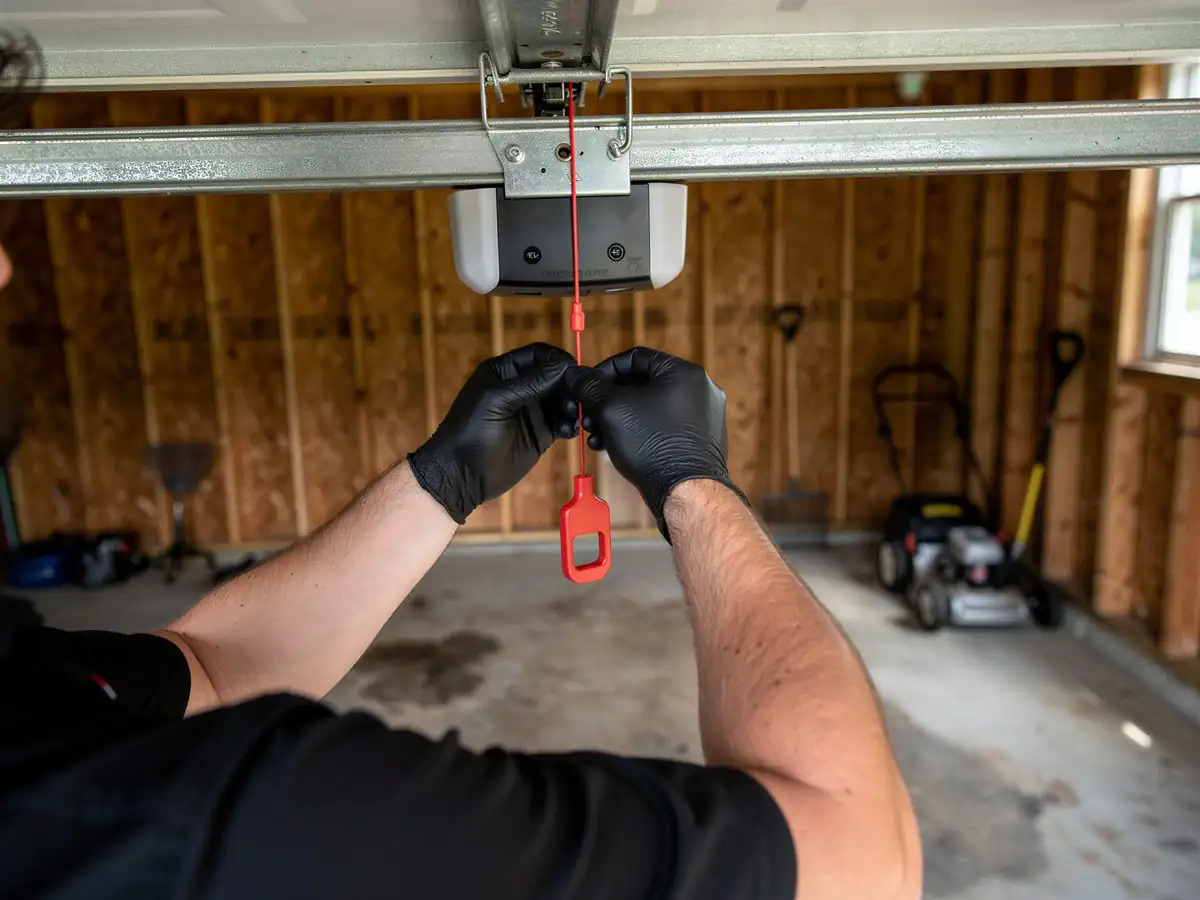
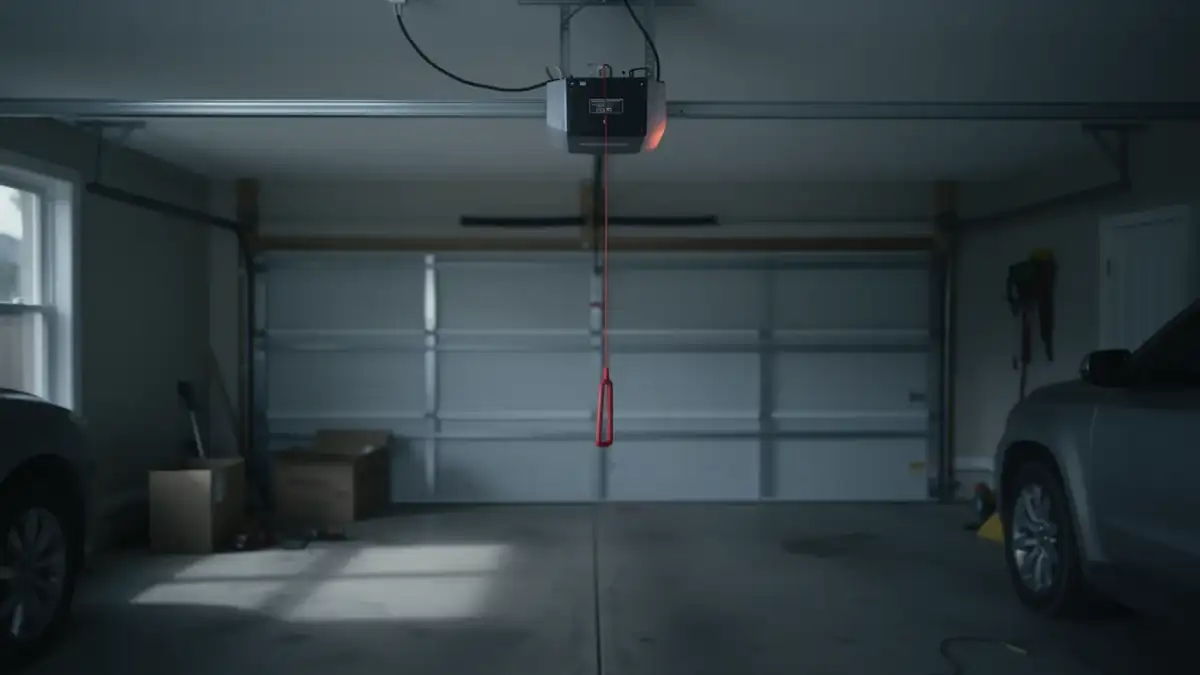
Most power cuts don't need a call. If the lights flicker and come back, your opener usually resets itself once current is steady again - you press the button, the light blinks, the door runs. Across the nine areas that make up this service territory, a lot of these openers are sitting on houses built in the 1960s and 70s, which means the unit itself might be newer than the garage but the wiring feeding it often isn't. A short blip rarely hurts anything. What you're watching for is the pattern: does the opener come back clean every time, or does it hesitate, grind, or need the breaker flipped twice before it responds? One clean reset after a blip is normal household electricity. Three resets in a month on the same circuit is a different conversation, and it's worth having before you're standing in the driveway at 7am with the door stuck half open. If your opener has a battery backup, let it do its job during a short outage rather than forcing the manual release - that's what it's there for.
When It Stops Being a DIY Job
Resetting a tripped breaker or reprogramming a remote is fine to handle yourself. What isn't: an opener that runs the motor but the door doesn't move, or a door that drops on its own when power returns. That's a sign the opener's logic board thinks the door is somewhere it isn't, and running it blind risks the door coming down on something - or someone - underneath. With roughly 13,713 households in this service area and about 6,489 of them owner-occupied houses, a lot of people here are the ones directly responsible for this repair, not a property manager three towns over. That's worth knowing because it means the decision to call someone is yours to make, and it should be made before the door is stuck in a bad position, not after. If you smell anything burnt near the opener housing, or the backup battery has swollen or leaked, that's not a reset situation - that's a shut-it-off-and-call situation, full stop.
The Problem
The real issue isn't the power cut itself. It's that a median household income of $52,799 across this area means most owners are making a real choice between a repair and a replacement, not just nodding along with whatever a tech quotes first. An opener that's already struggling through cold-season voltage dips is usually close to the end of its service life anyway, and throwing a new battery backup at a board that's failing underneath is money that doesn't buy you much. We'll tell you straight when a repair makes sense versus when the motor and board are tired enough that replacement is the better spend - we don't stretch a job out just to bill for parts twice. One honest limit: if your opener is an older chain-drive unit that's been discontinued, we may not be able to source an exact replacement part, and a full opener swap becomes the only real option.