Leaving It Alone
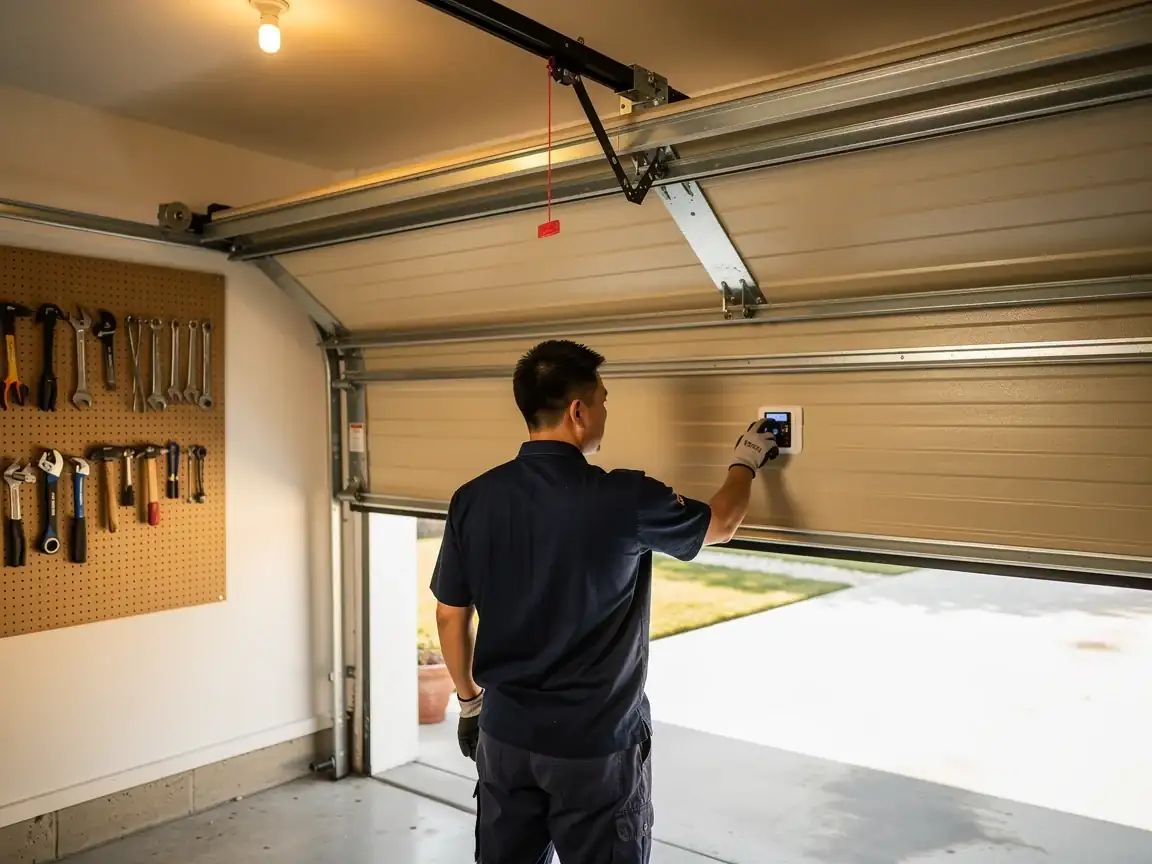
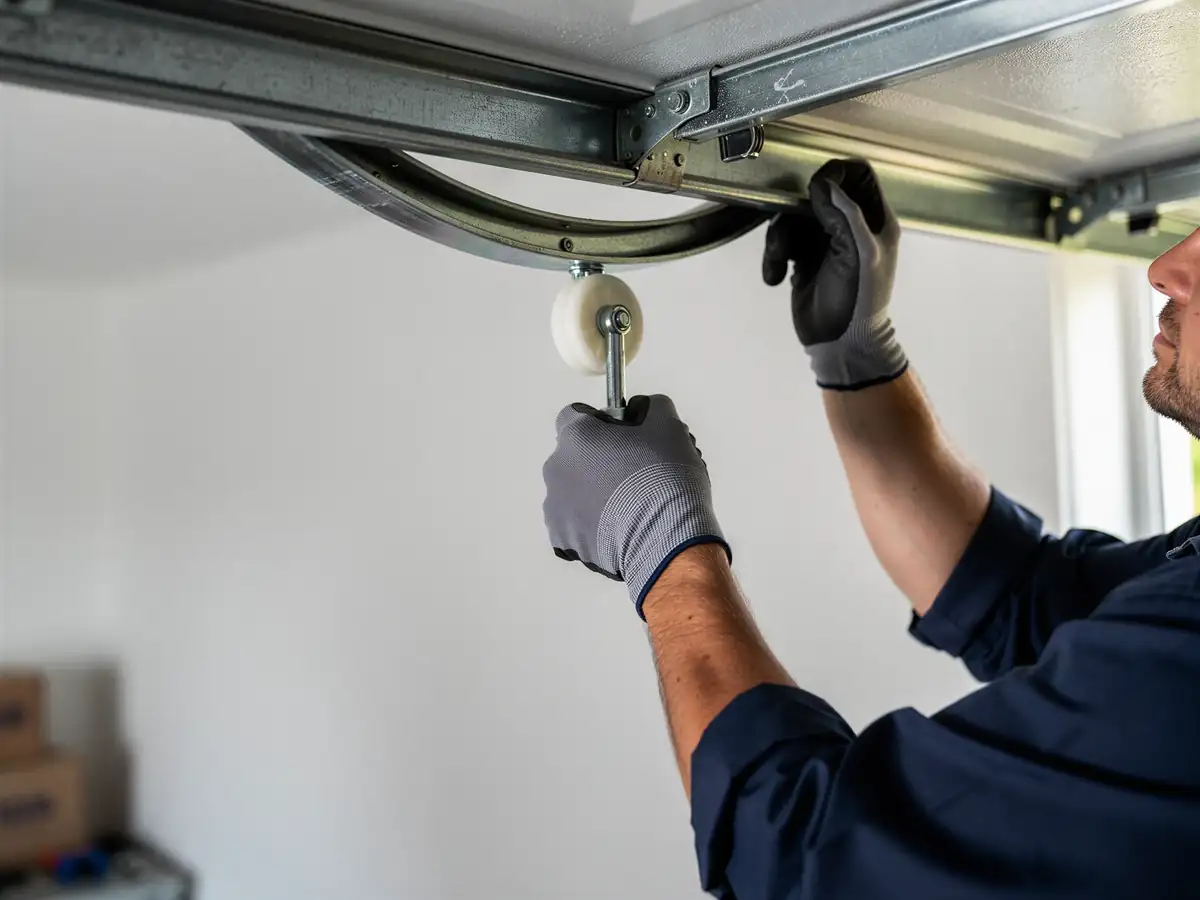
Most garage doors in Rome don't need much. If the door opens smooth, closes square, and the opener doesn't strain or reverse for no reason, leave it. Lubricating hinges and rollers twice a year, keeping the track clear of debris, and checking that the photo-eye sensors aren't knocked out of alignment covers the maintenance most owners actually need.
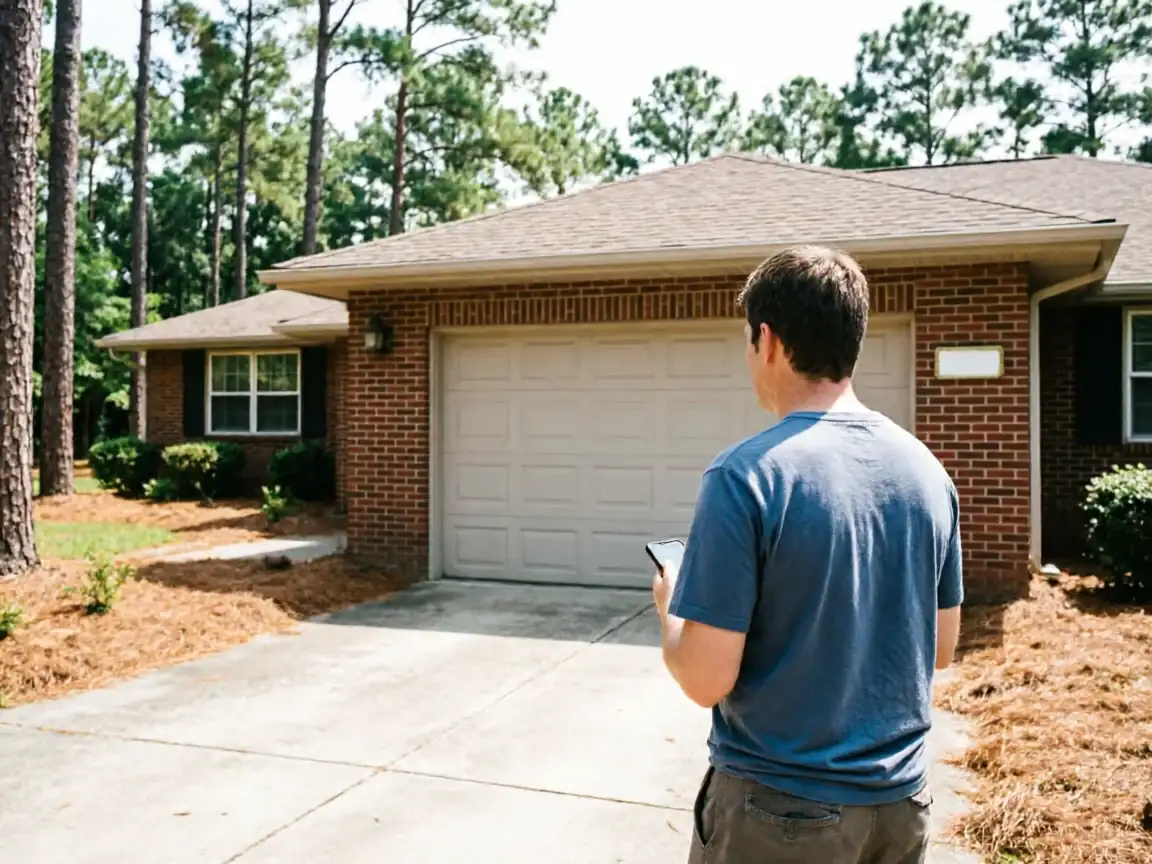
Where this gets tricky in Rome is the age of the housing stock. Homes here run from 1957 up through 2001, with the median built around 1975 and most of the nine named areas sitting squarely in that 1960s-to-70s build wave. That means a lot of doors are original or close to it - older torsion systems, older track gauge, sometimes older openers bolted to joists that were never meant to carry a heavier replacement unit. On a door that old, 'leaving it alone' past a certain point stops being caution and starts being risk.
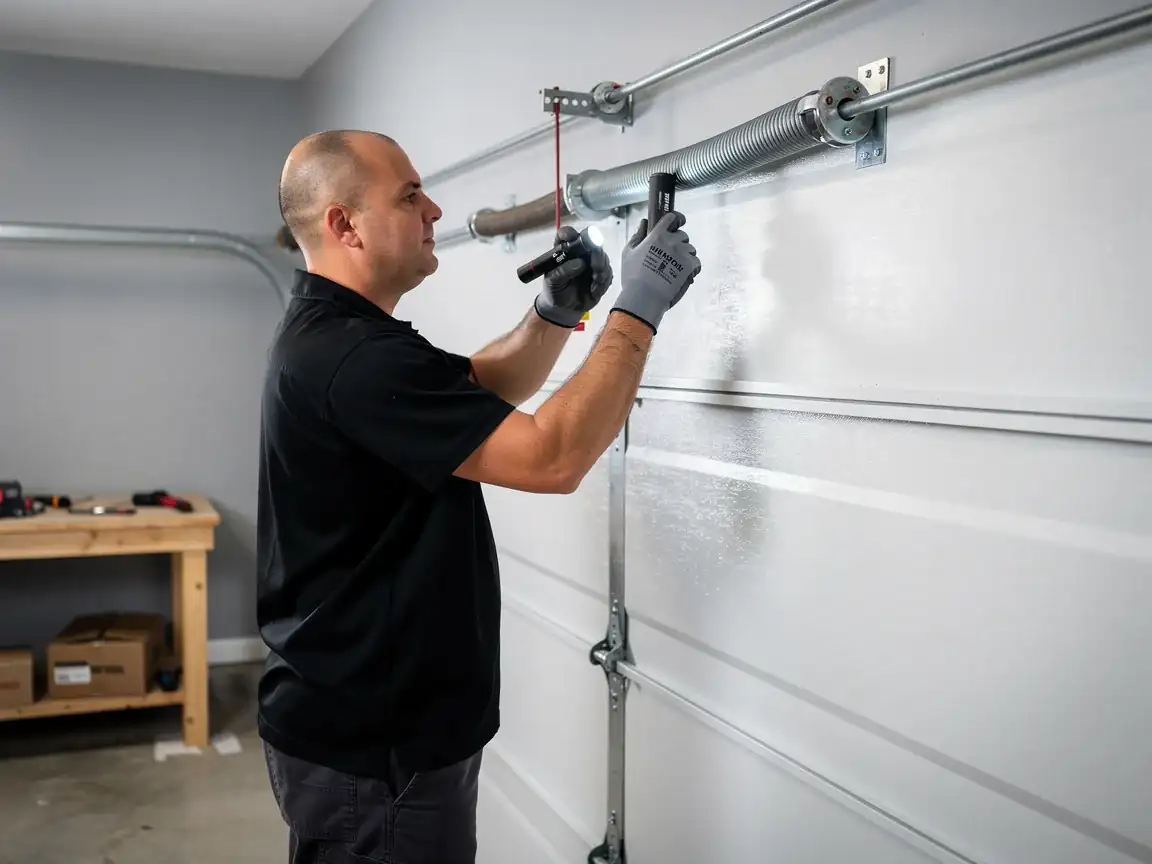
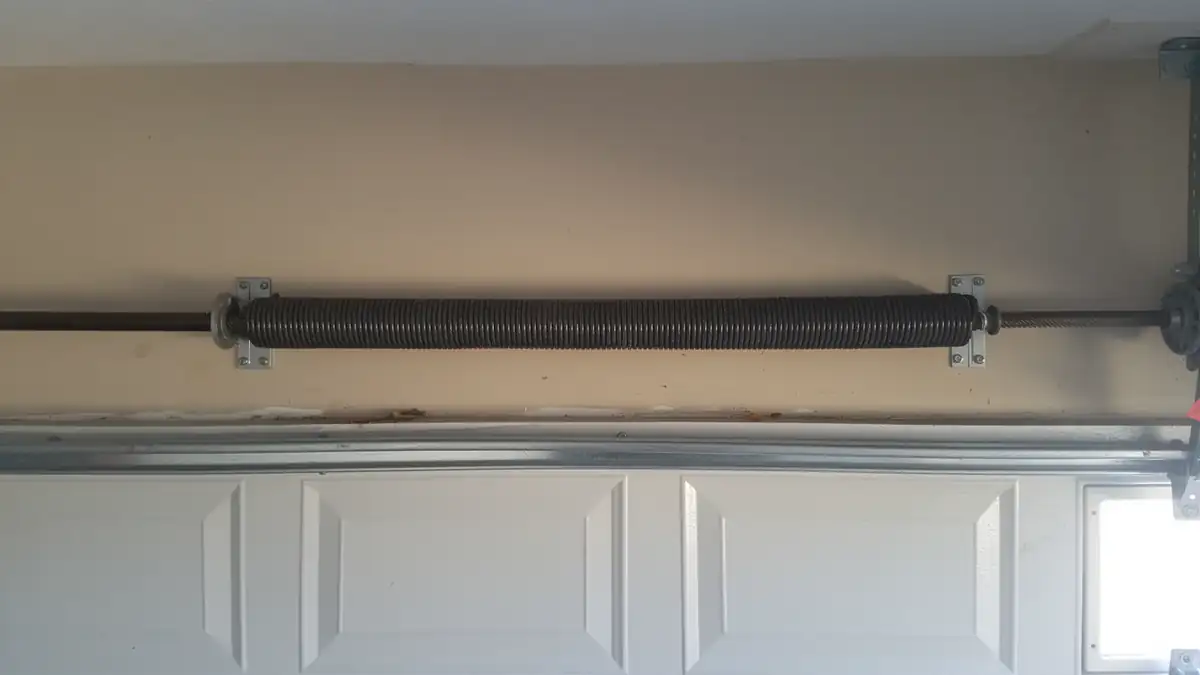
Don't touch the torsion spring itself. Don't loosen the set screws on the winding cone. If you don't already know what that means, that's your answer - it's not a tightening job, it's a specialist job, and it's the one place where 'just adjust it yourself' ends badly.
What Local Conditions Do
Rome sits in a cold, moderate climate band
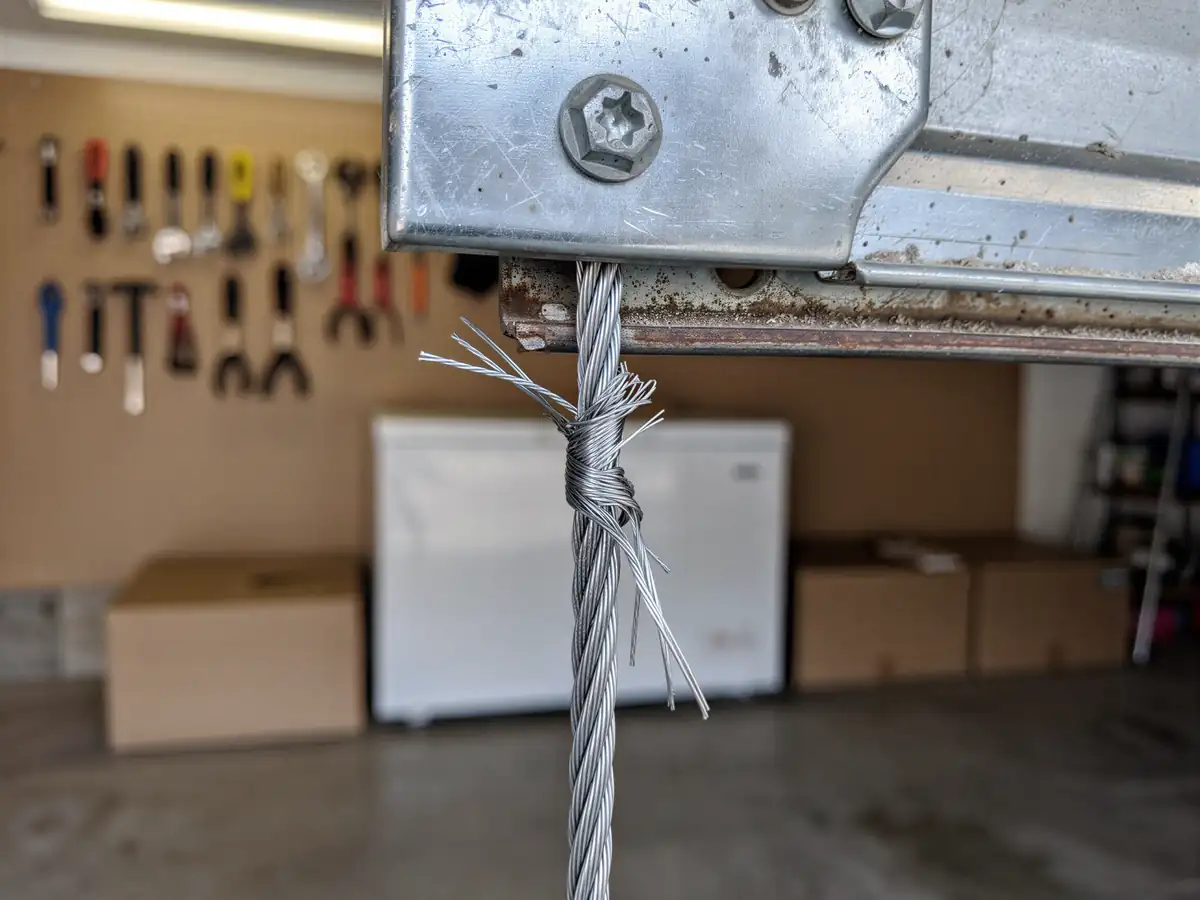
Which doesn't sound dramatic until you think about what cold does to 1960s and 70s steel and galvanized hardware that's been in service for forty-plus years. Metal contracts in cold weather. A torsion spring under tension already, wound to hold a few hundred pounds of door, loses a little flexibility every winter it sits outside temperature-controlled. Cables fray at the drum where they've rubbed the same spot for decades. Rollers that were fine in July bind in January because the grease has thickened and the steel has shrunk just enough to matter.
This isn't a coastal-storm story or a flood story
Rome's issue is steadier and less dramatic: freeze-thaw cycling on hardware that's old enough to be original to the house. A door that's worked for years can seize or snap a spring on the first hard cold snap of the season, not because anything broke that week, but because decades of cold cycling finally reached the breaking point. That's a pattern worth knowing if your house falls in that 1960s-70s build range that covers most of the area.
When It Stops Being a DIY Job
A torsion spring under tension is not a safe DIY repair, full stop - that applies everywhere, not just here. What makes it worth saying plainly in Rome is how many doors in this area are old enough that the spring isn't the only aging part. Replace a spring on a door with a worn-out torsion drum or a track that's been slightly out of plumb for fifteen years, and you haven't fixed the door, you've moved the failure point.
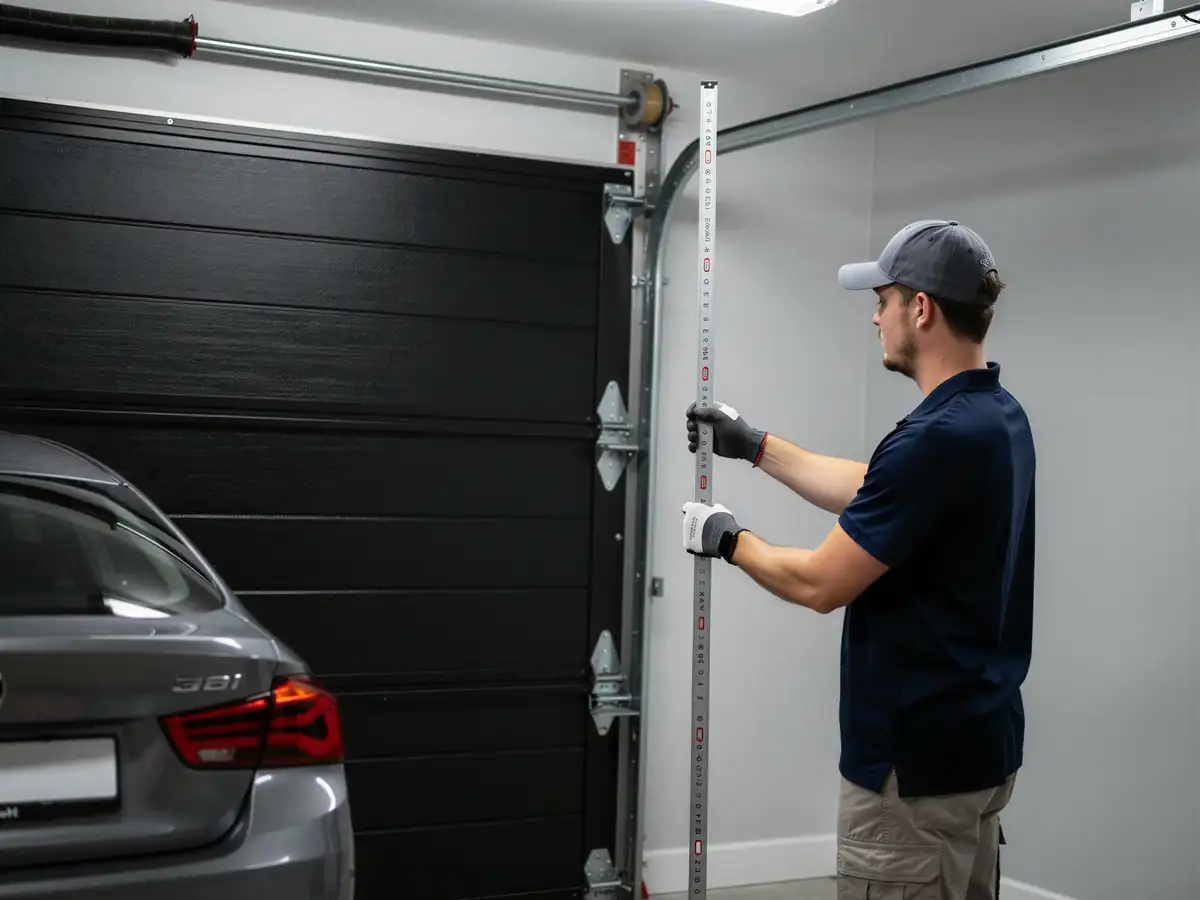
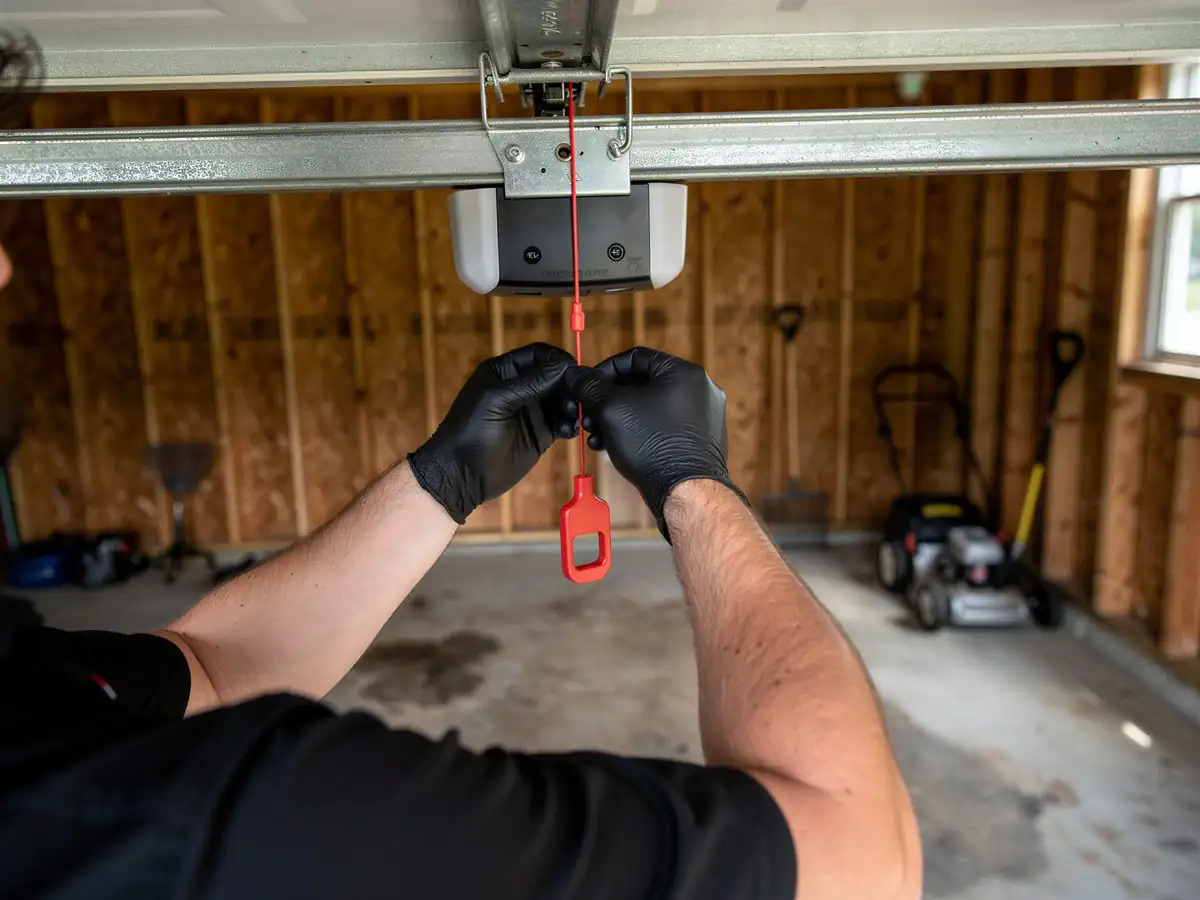
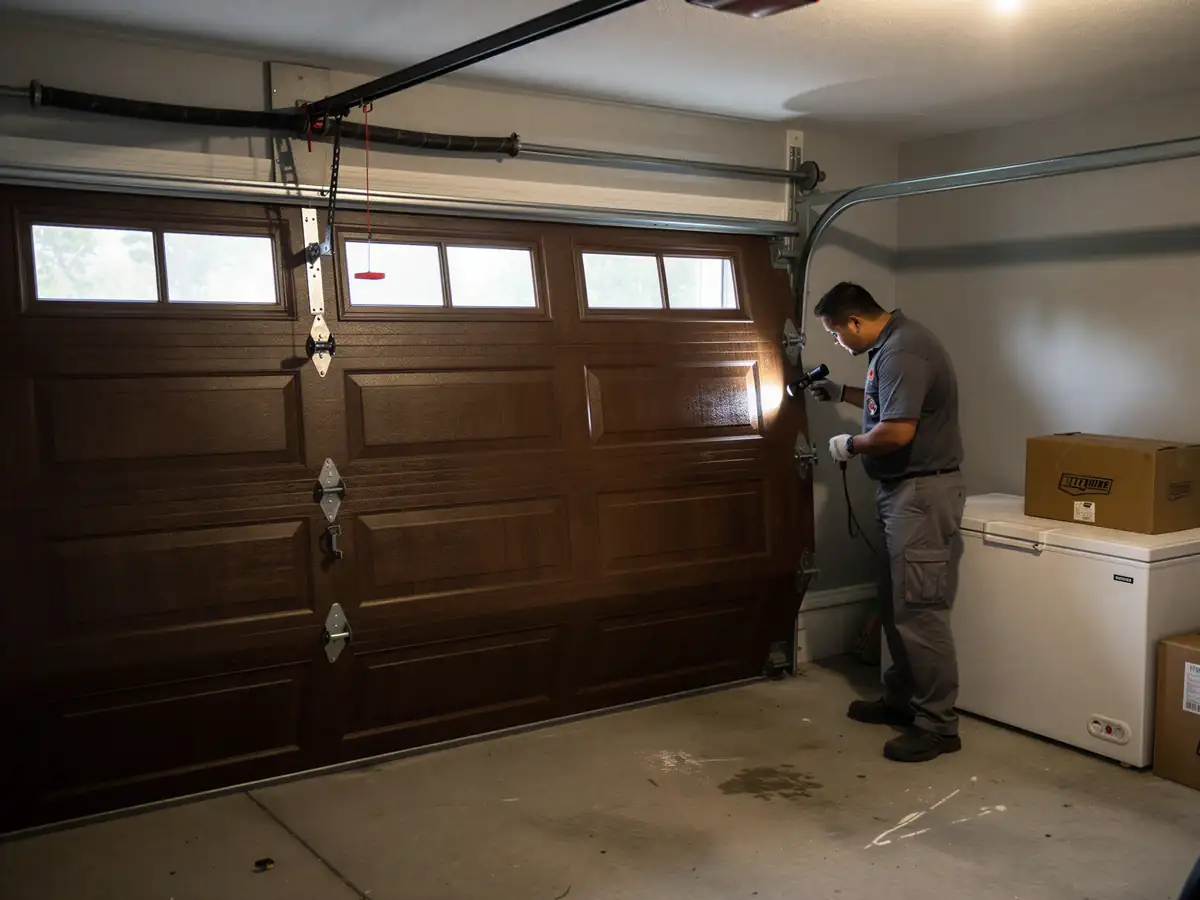
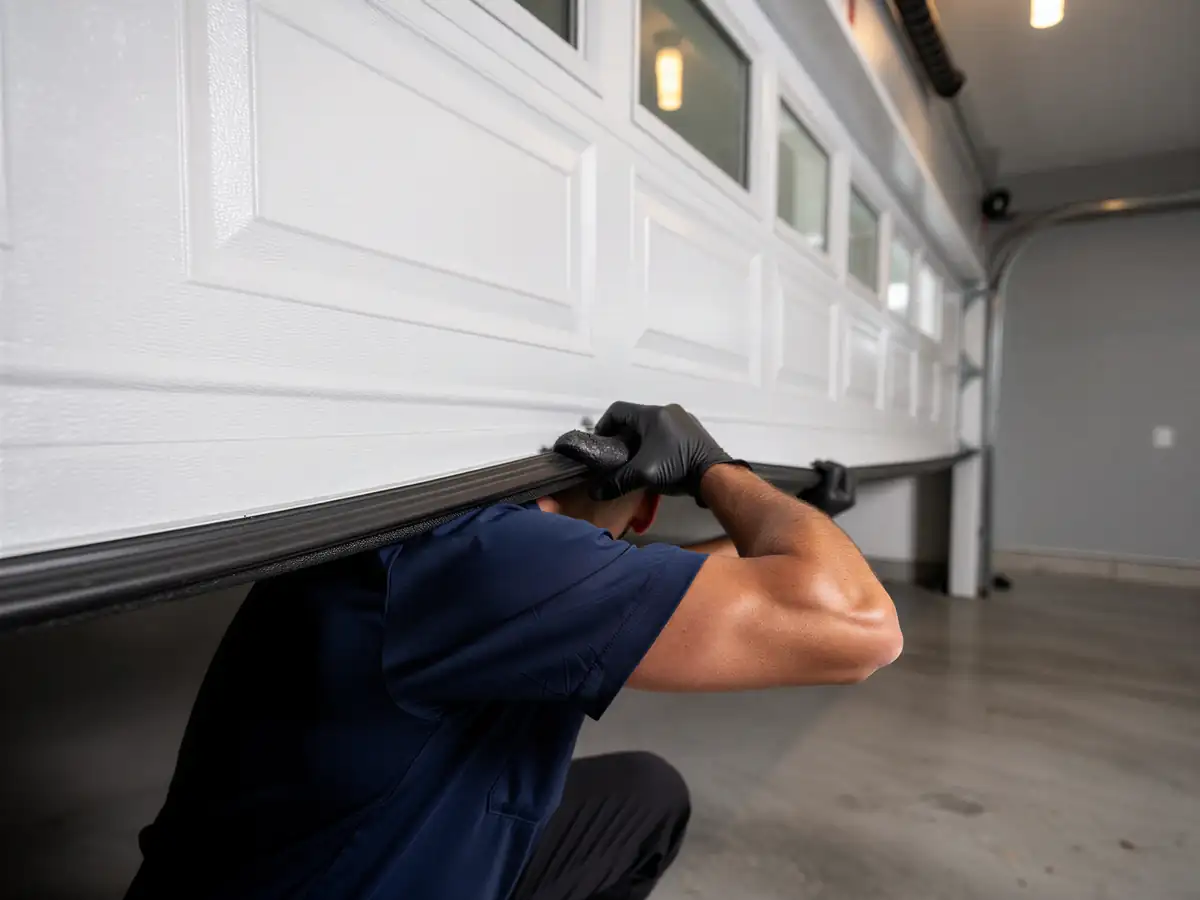
If the door is noticeably heavier on one side when you lift it by hand with the opener disconnected, if the cable looks frayed anywhere along its length, or if the opener strains and makes a grinding sound before it moves the door at all, stop. Those are jobs that need someone who can look at the whole system, not just the symptom.
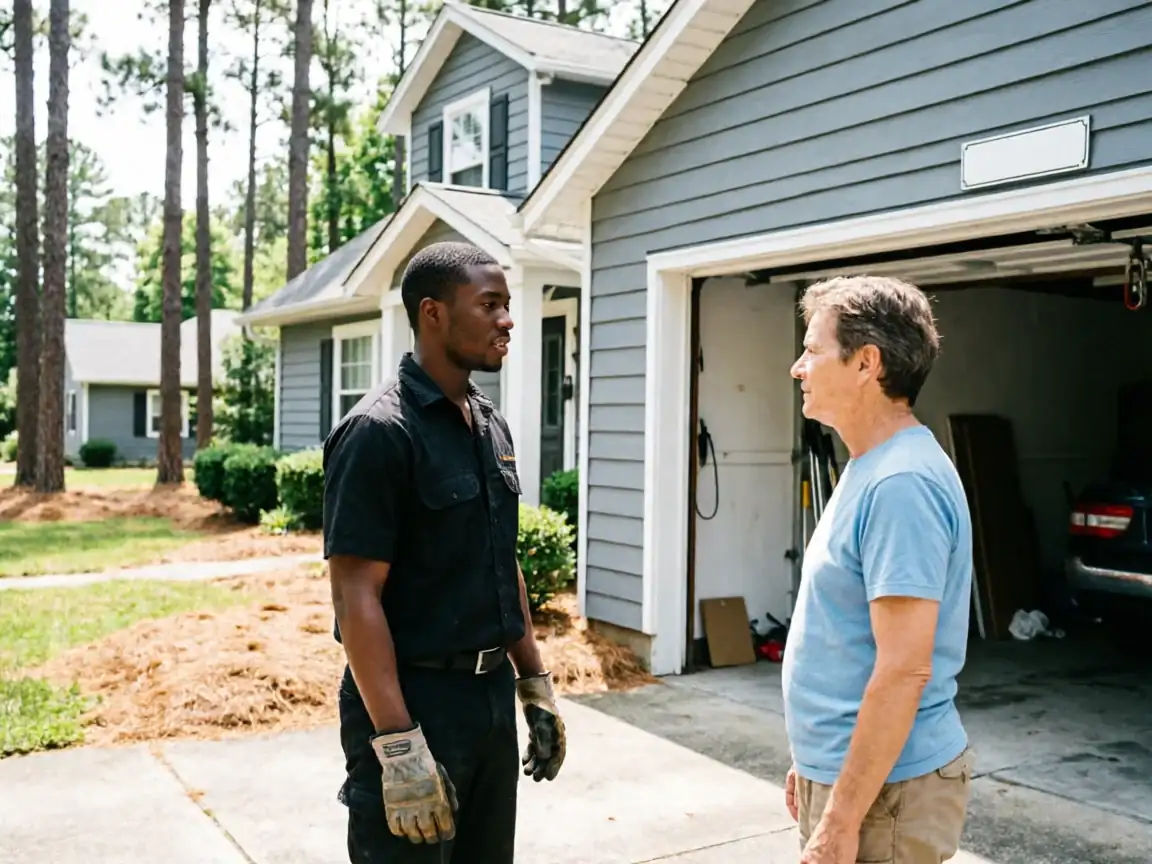
With a median household income of $52,799 across the service area, a lot of owners are weighing repair against replacement carefully, and that's a fair question to ask out loud on the call rather than guess at.
The Problem
The honest problem with garage doors in Rome is that the housing stock is old enough to be a maintenance blind spot. A door bought with a house in 1975 has had five decades to accumulate small deferred issues, and none of them show up until a cold morning when the spring that held fine yesterday doesn't hold today. With 6,489 owner-occupied houses across roughly 13,713 households in the area, that's a lot of garages running on original or near-original hardware nobody's thought about since move-in.
We don't stock every obsolete part for every 1960s opener model - some of that hardware isn't made anymore, and on certain jobs the honest answer is that a full opener or spring-system replacement costs less than chasing down a part for a forty-year-old unit. That's not an upsell, it's just where the parts supply runs out. If your door is part of that original wave, the smart move is getting it looked at before a cold snap decides the timing for you.