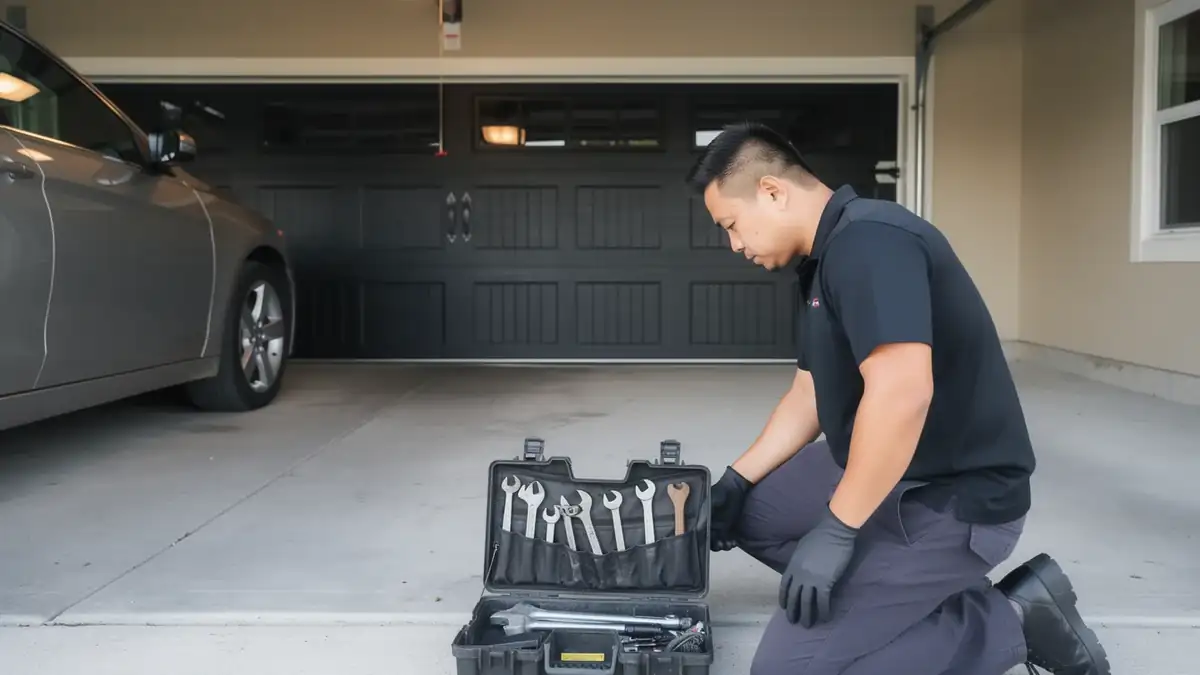
Leaving It Alone
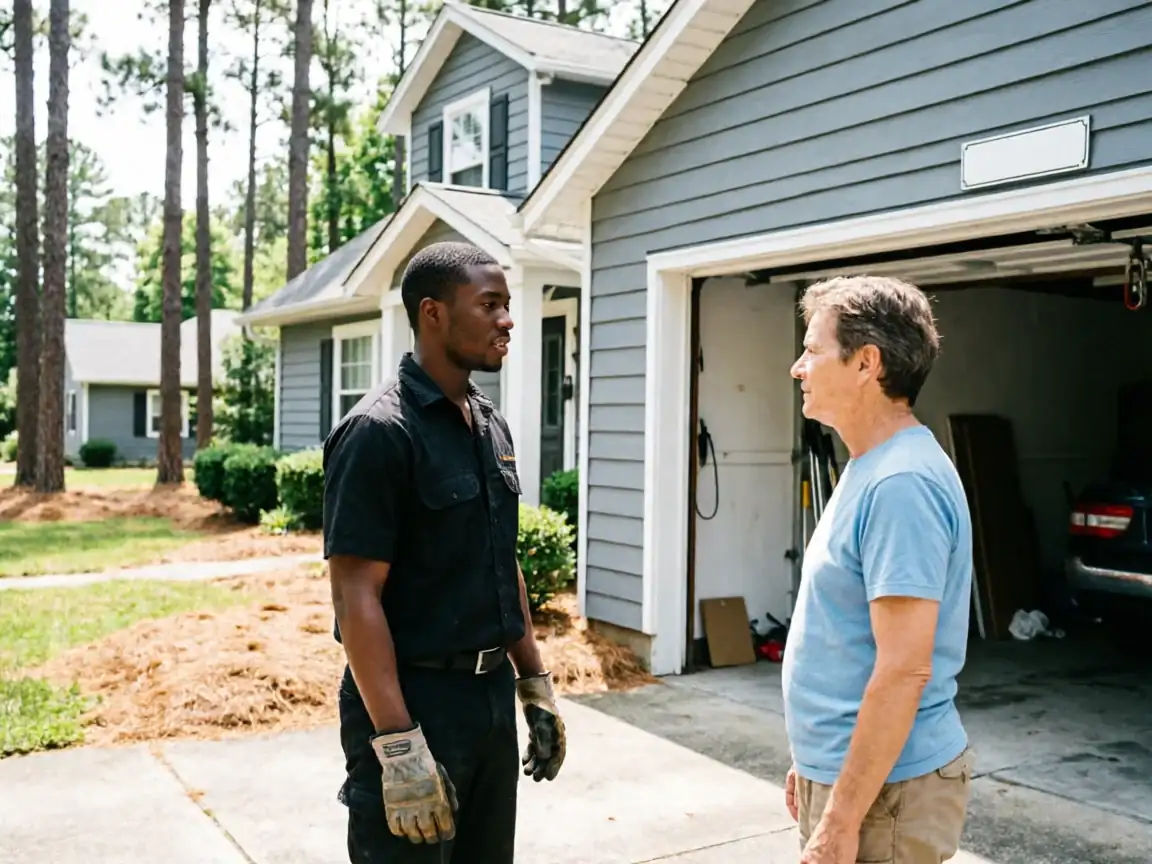
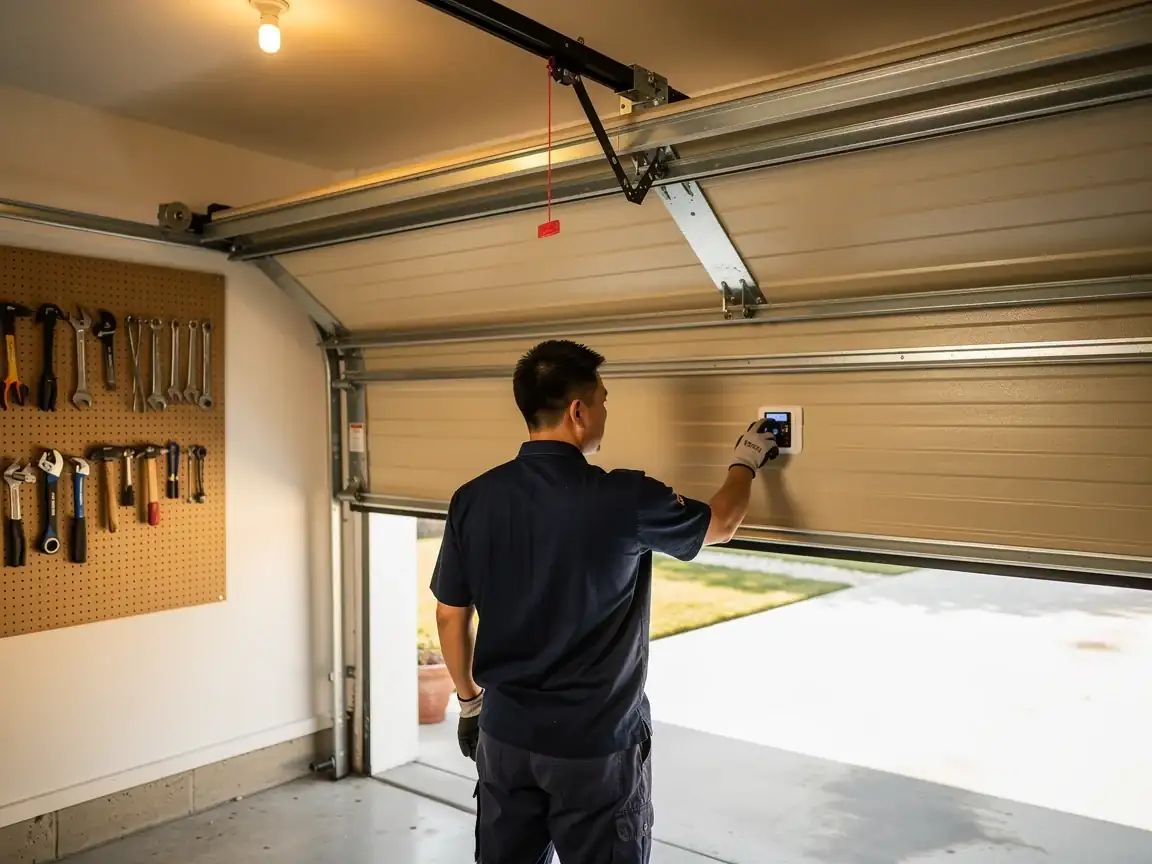
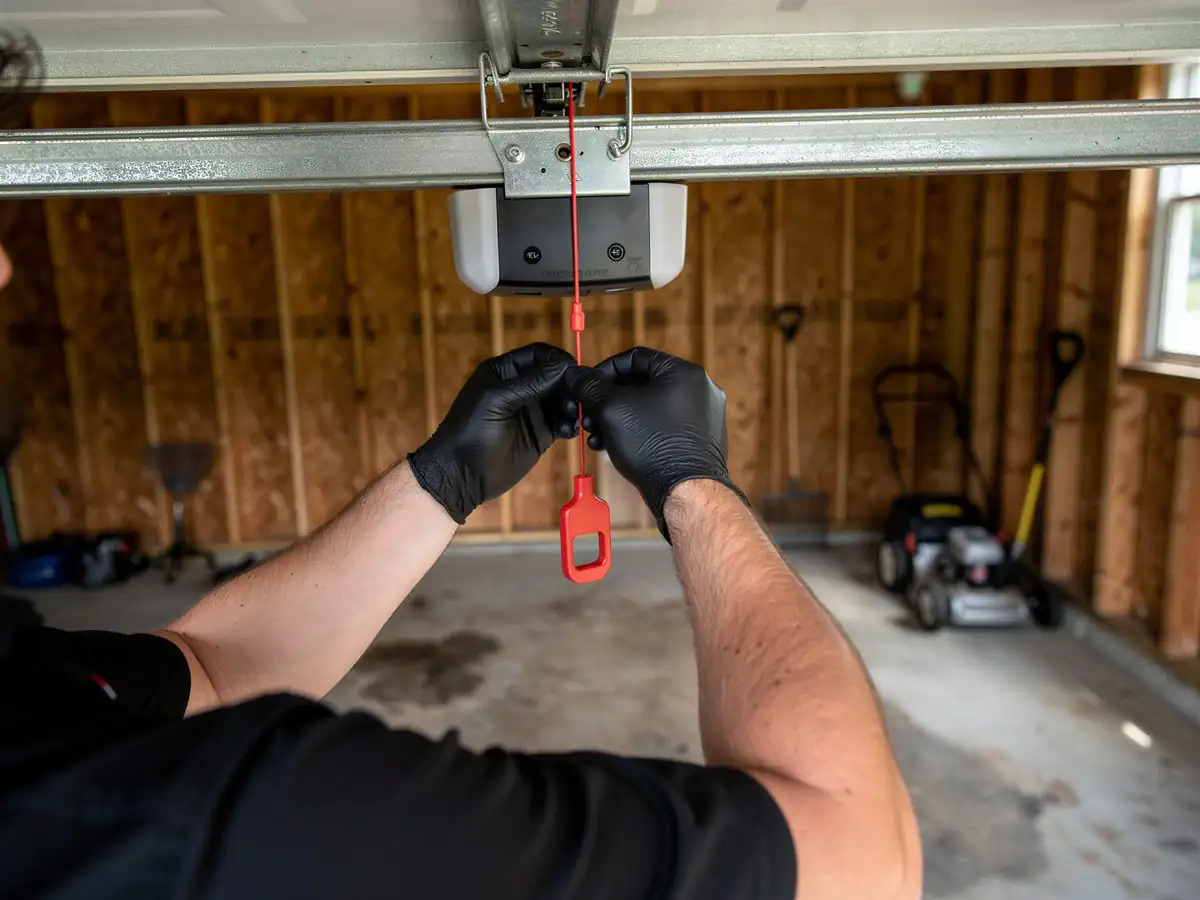
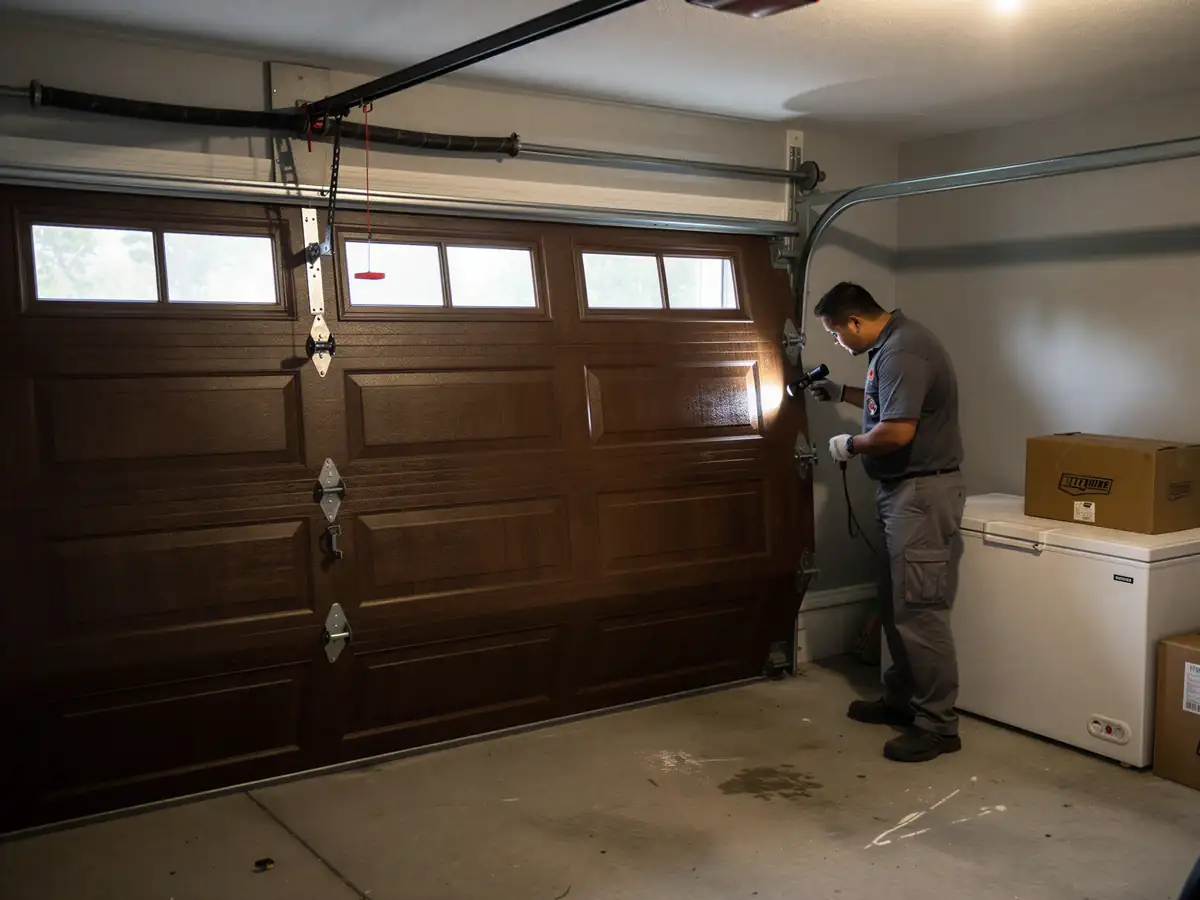
Most of what goes wrong with a garage door in this area isn't something to chase with a Saturday-morning YouTube video. Torsion springs store enough force to break a wrist or worse, and on a house built anywhere from 1957 to 2001 you're often dealing with original hardware nobody's touched in decades. We'd rather talk you through what's safe to check yourself - tightening a loose bracket, clearing a track, testing the auto-reverse - than have you call us after the fact.
Here's the honest limit: if a part is seized, rusted through, or simply obsolete for a door that old, we're not going to spend an hour forcing a fix that fails again in six months. Sometimes the right call on a service visit is telling you the door's done, not patching it. We don't stock every panel size or every opener model from the 1970s and 80s, and if yours needs a special-order part, that's a wait we can't shorten. That's the trade-off of working on housing stock this age - the parts count against you sometimes.
What Local Conditions Do
Rome sits in a cold, moderate climate band, and that matters more for garage doors than people expect
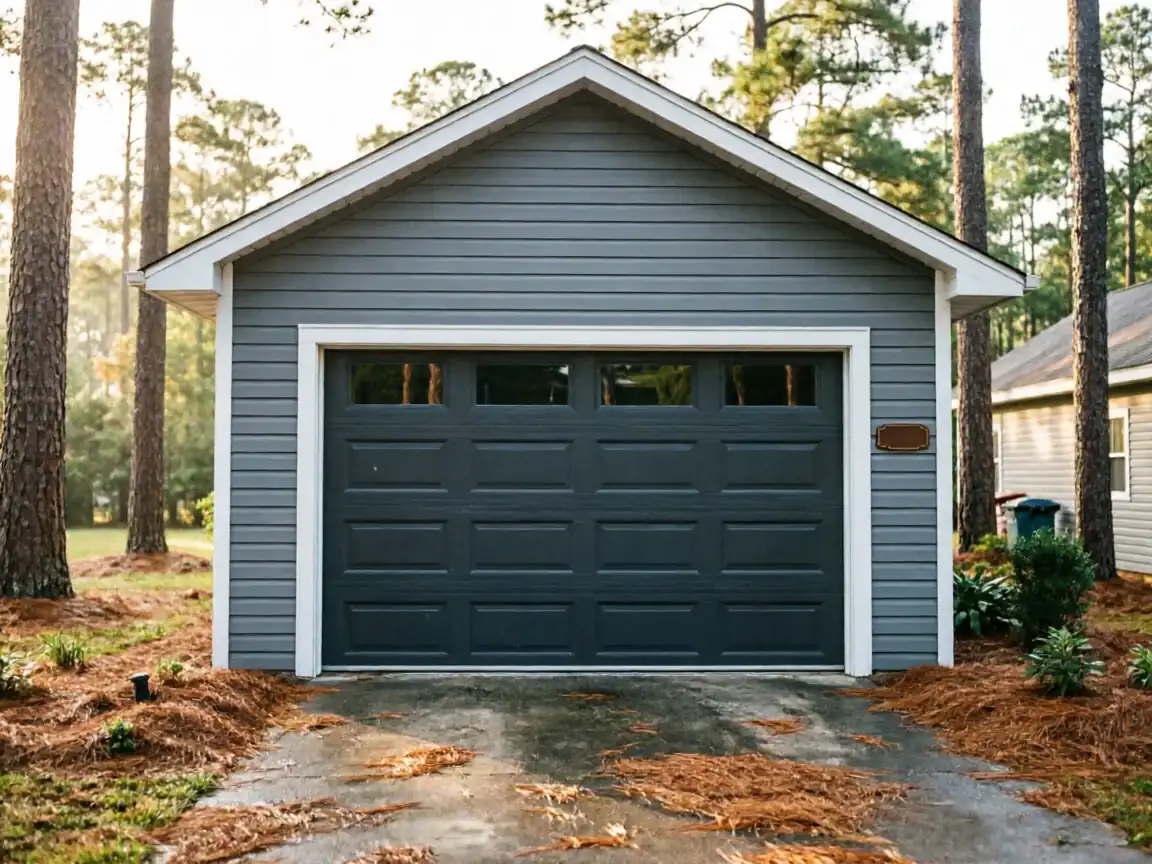
Freeze-thaw cycles through the winter work moisture into cable ends and spring coils, and lubricant that's fine in July turns stiff in January, which is exactly when a marginal spring finally lets go. On a door that's 20, 30, or 50 years old - and across this service area, most of the housing stock runs 1960s to 70s construction with a build range of 1957 to 2001 - that cumulative wear shows up as a louder, slower, or harder-to-lift door well before anything snaps outright.
- 50 years
Humidity swings also matter for wood-panel doors and steel doors with wood trim
Both common on houses from that era, where moisture cycling loosens screws and warps panel edges over years. None of this is dramatic weather - it's steady, ordinary seasonal change doing what it does to hardware that was never designed to last forever. A service call in this area is as much about checking for climate wear as it is about checking for age.
When It Stops Being a DIY Job
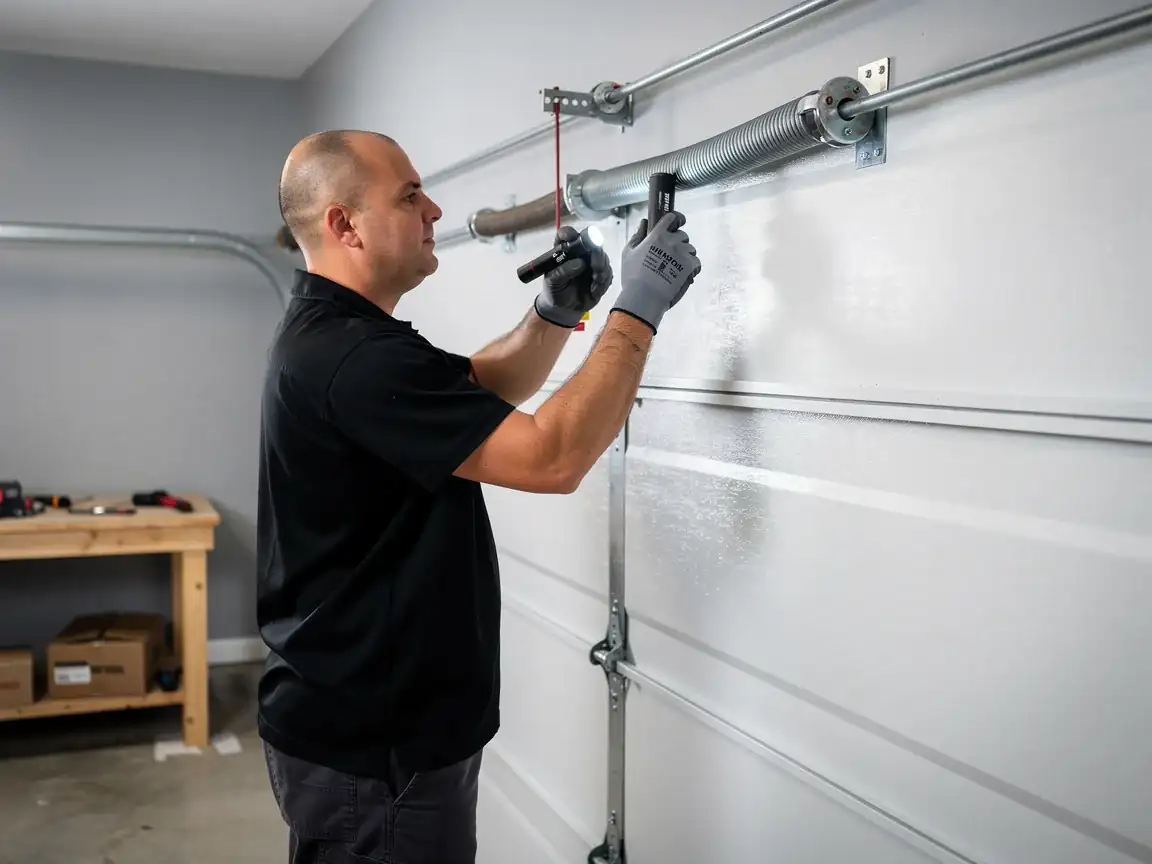
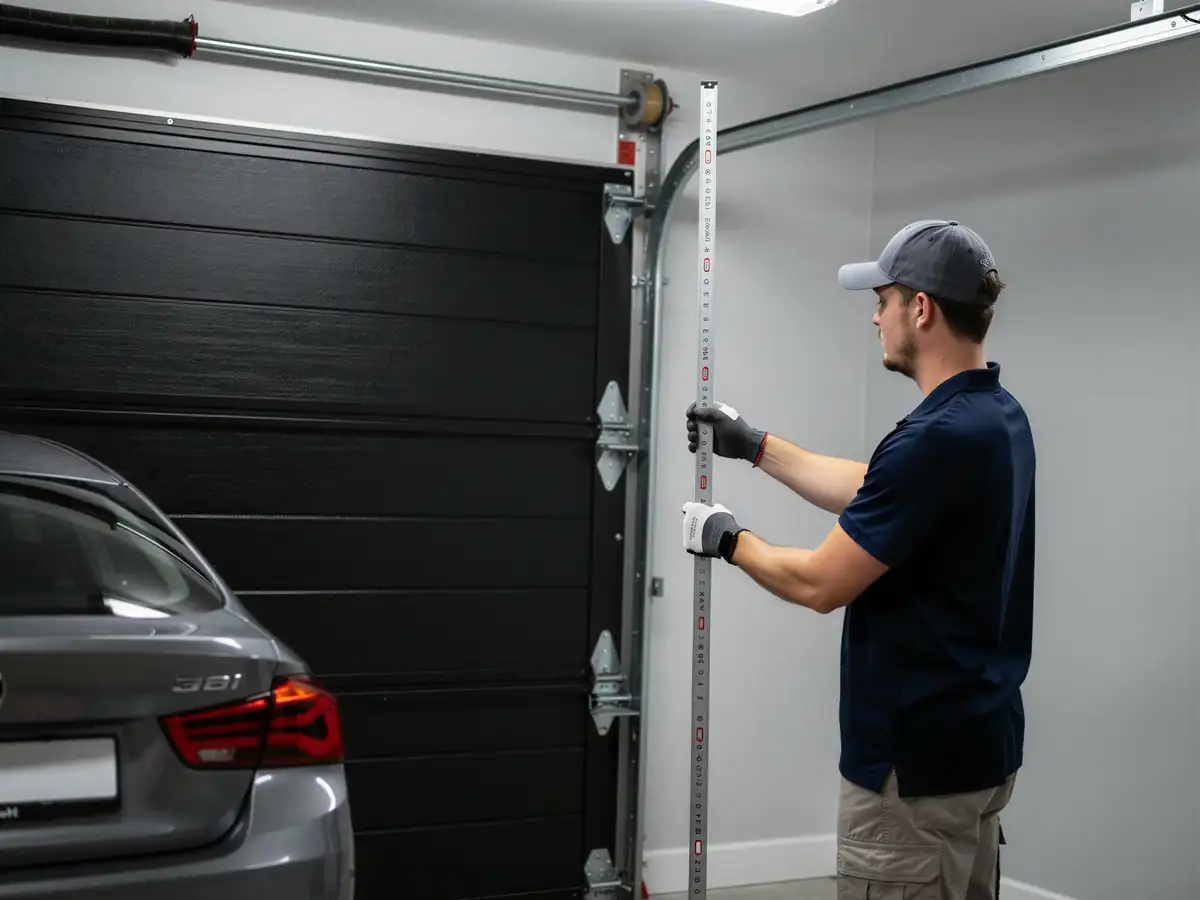
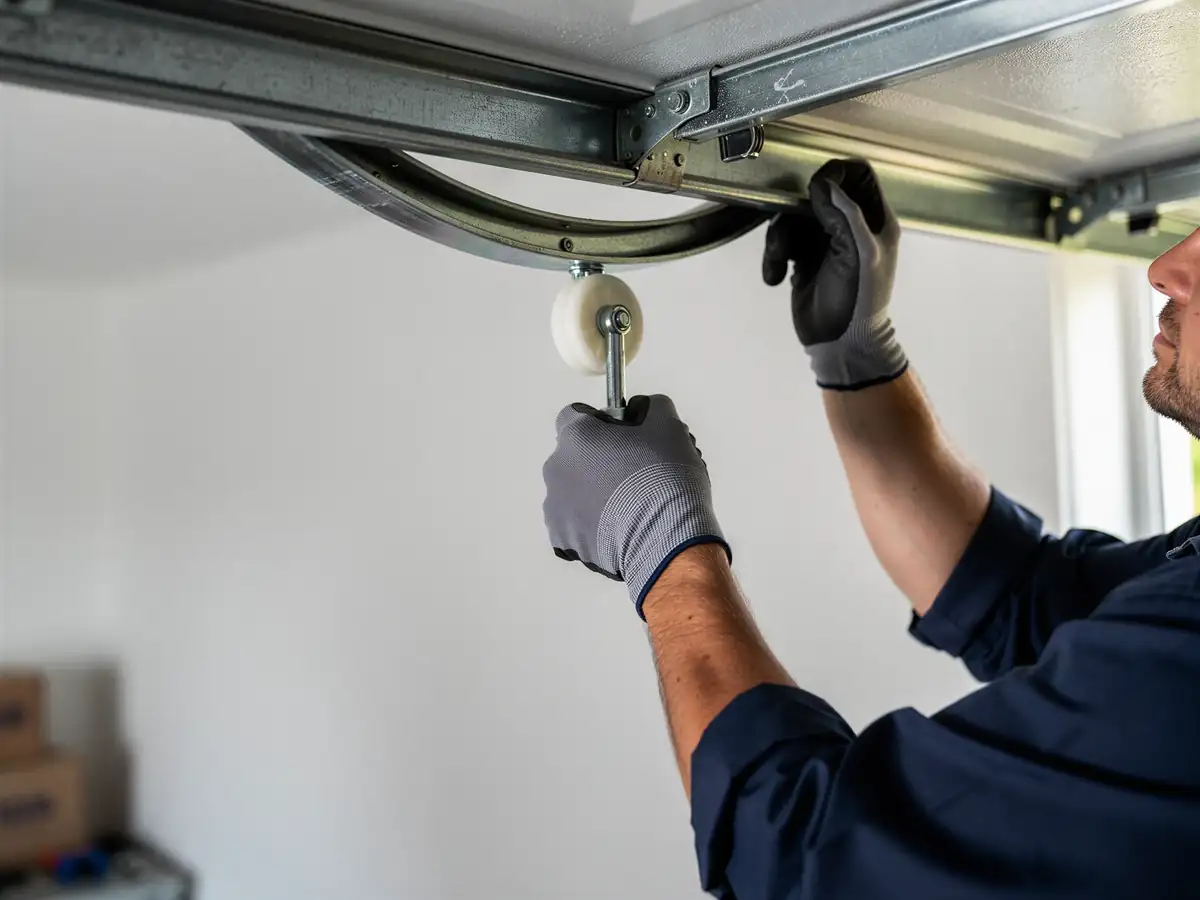
A broken torsion spring on a door from the 1960s-70s stock common across this area is not a bolt-and-washer job. The spring, the cable drums, and the mounting plate were often set up with hardware specs that don't match what's sold today, and swapping in a modern part without matching tension and drum size is how people get hurt or warp a track.
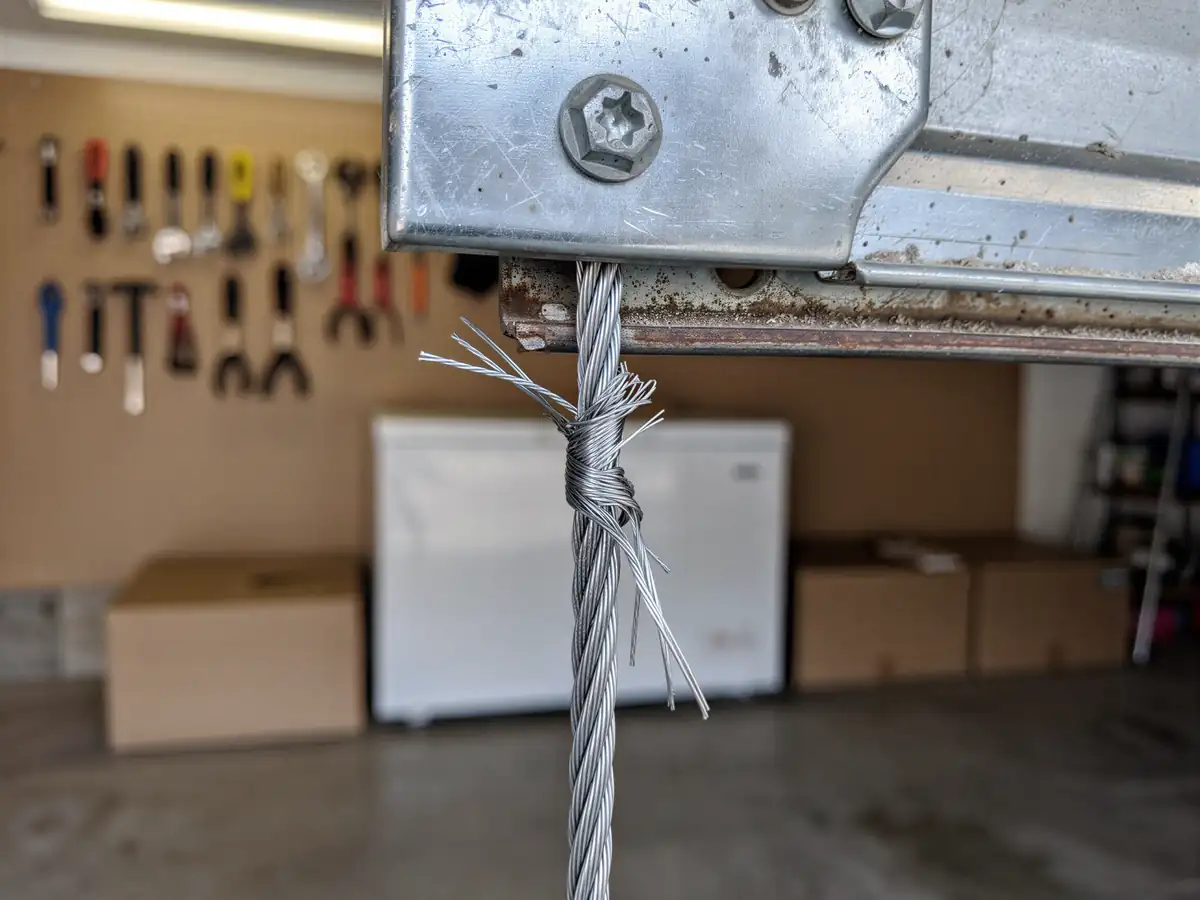
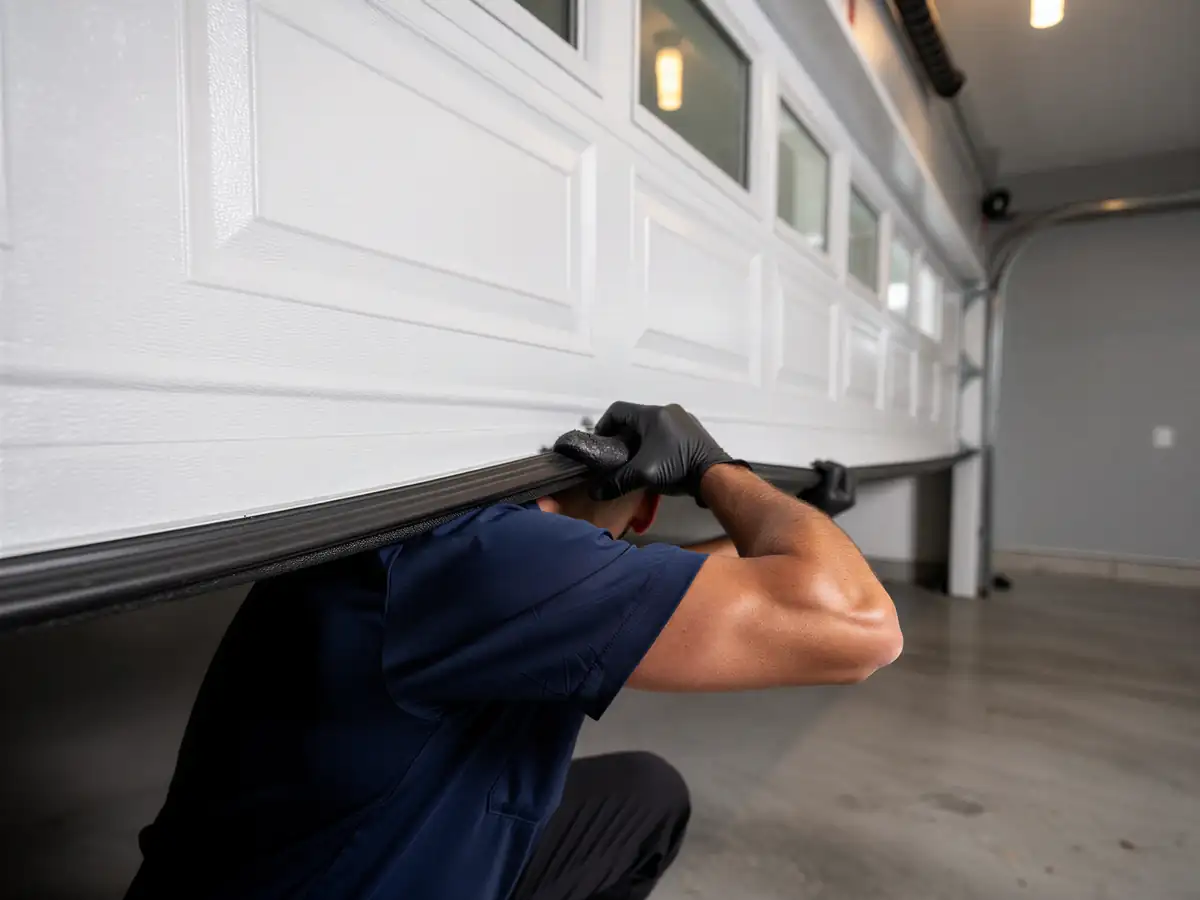
Same goes for cables that have started to fray at the bottom roller - on houses in the 1957-2001 build range, those cables have frequently outlived their rated cycle count, and a frayed strand under tension doesn't give you a warning before it lets go. If the door won't balance when disconnected from the opener, if a panel is visibly bent, or if the opener is straining and reversing on its own, that's past the point of a tightened screw. We'll do the torsion work and cable replacement on-site, but we won't walk a homeowner through doing it themselves over the phone - the margin for error with stored spring force is too small for that.
The Problem
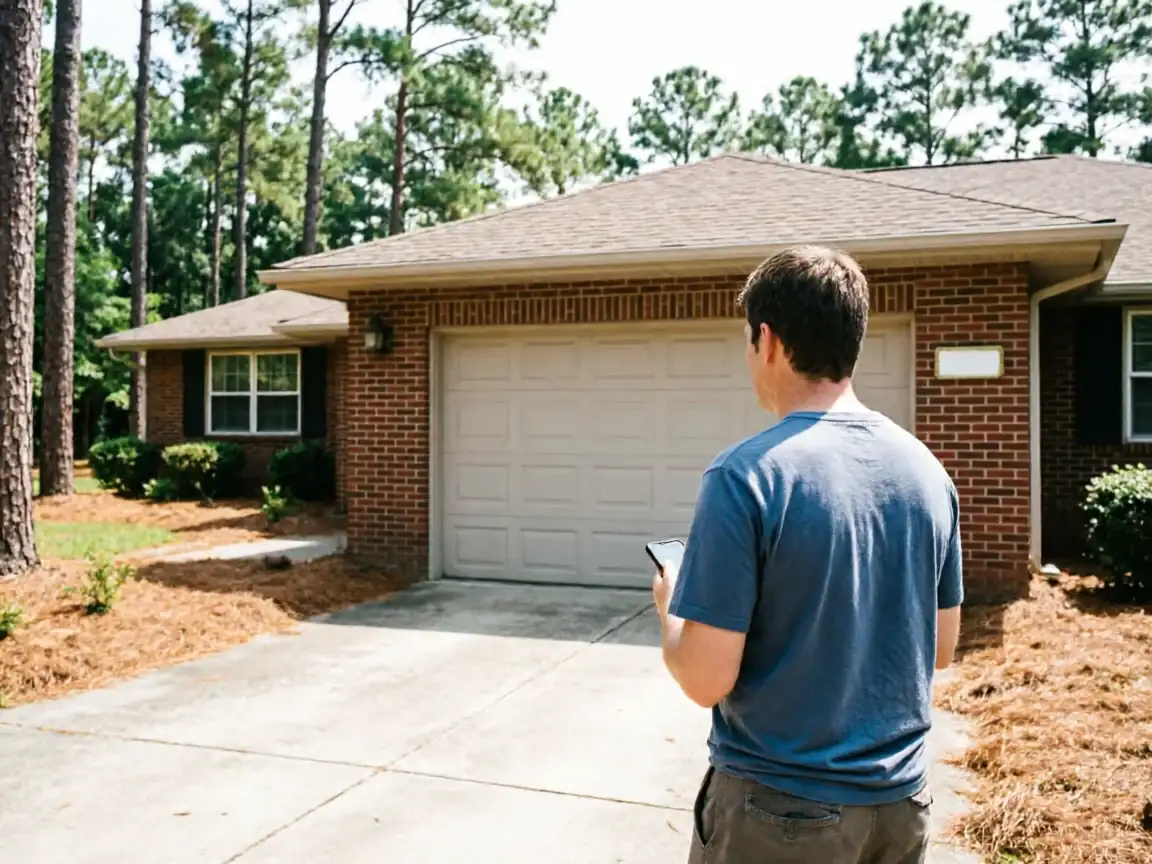
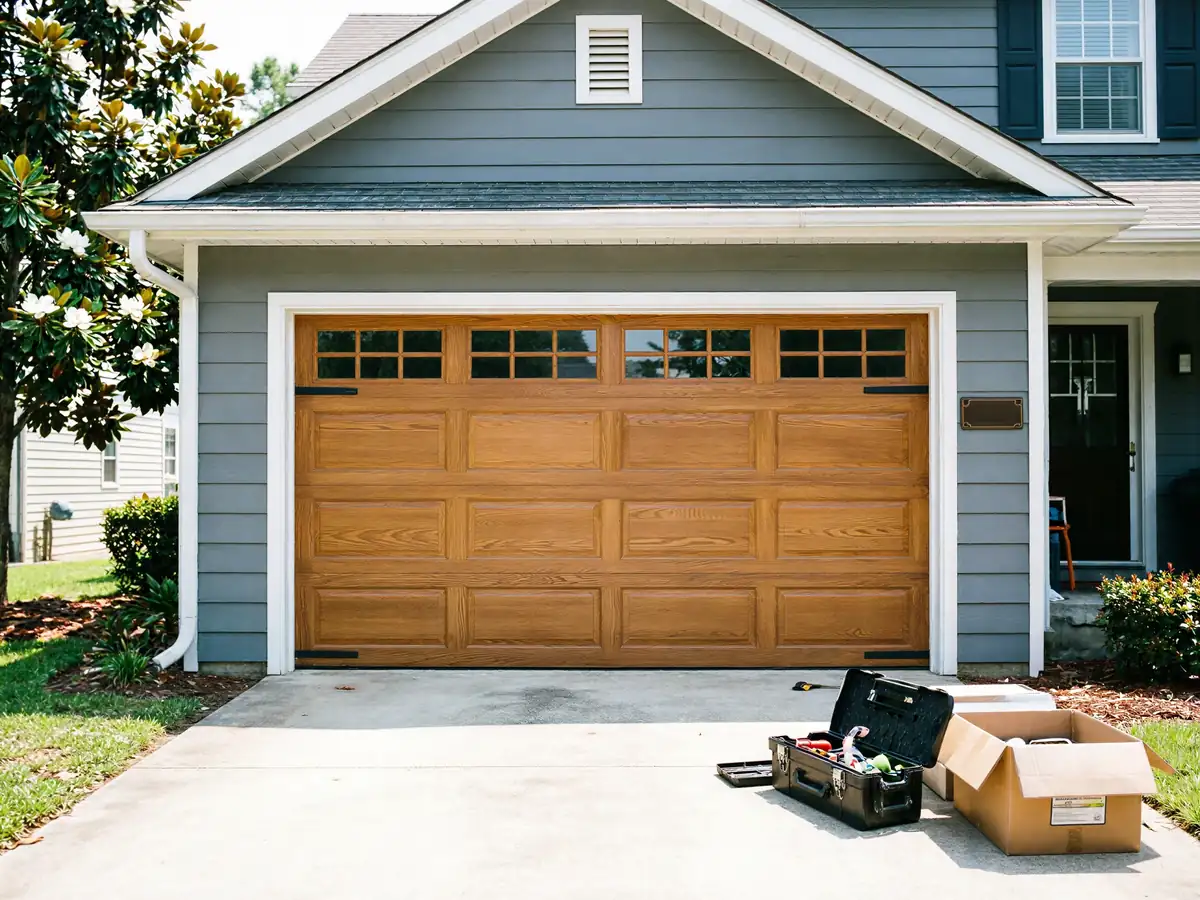
Across this service area there are roughly 13,713 households and 6,489 owner-occupied houses, with a median household income of $52,799. That combination means a lot of homeowners here are weighing a $300 repair against a door that's already pushing 40 or 50 years old, built back when the housing stock across Rome and the nine named areas nearby went up - mostly in that 1960s-70s window.
The real problem isn't any single broken part. It's that a door from 1975 wasn't built to the cycle counts or wind-load expectations we design around now, so a spring fix this year often just buys time before the next part fails. We'd rather tell a homeowner that plainly than keep charging for patches on a door that's structurally at the end of its run. Not every door needs replacing - plenty from this era are still solid - but on a service call we're checking the whole system, not just the part that failed, because on housing this age, one weak link usually isn't alone.