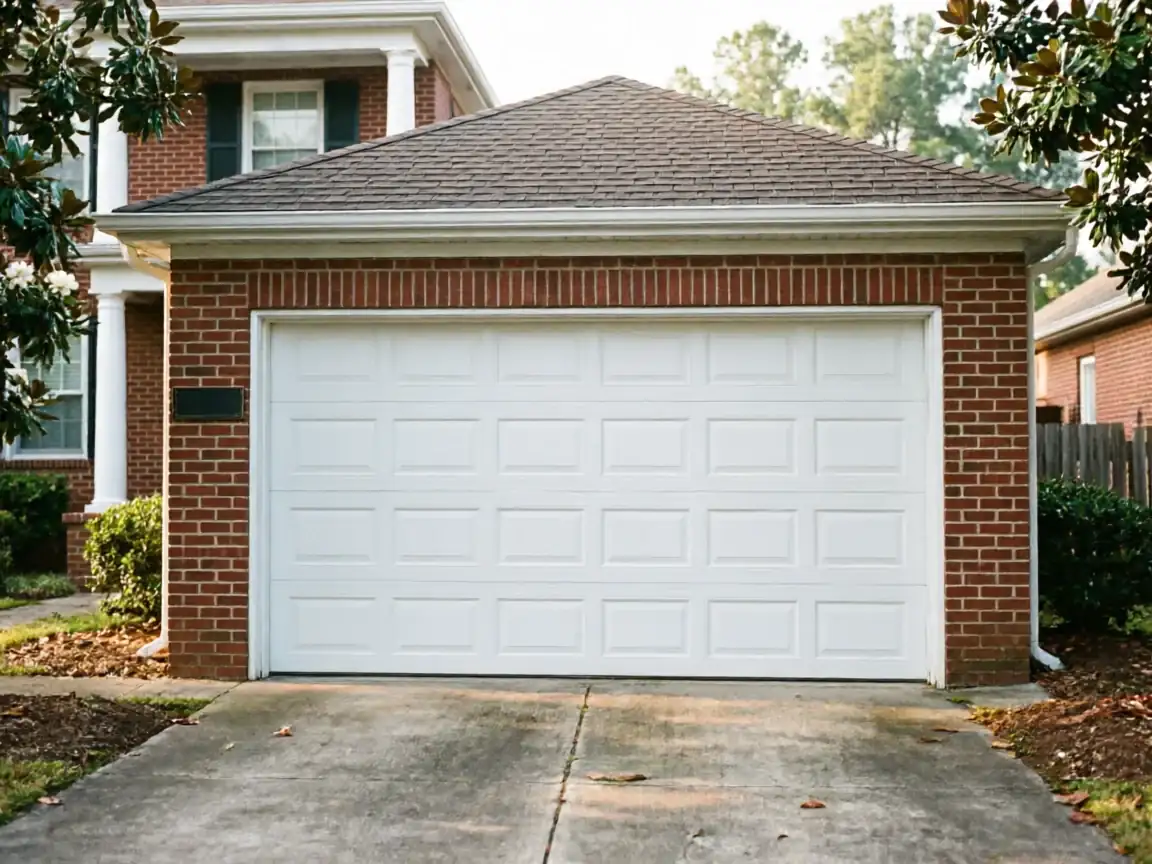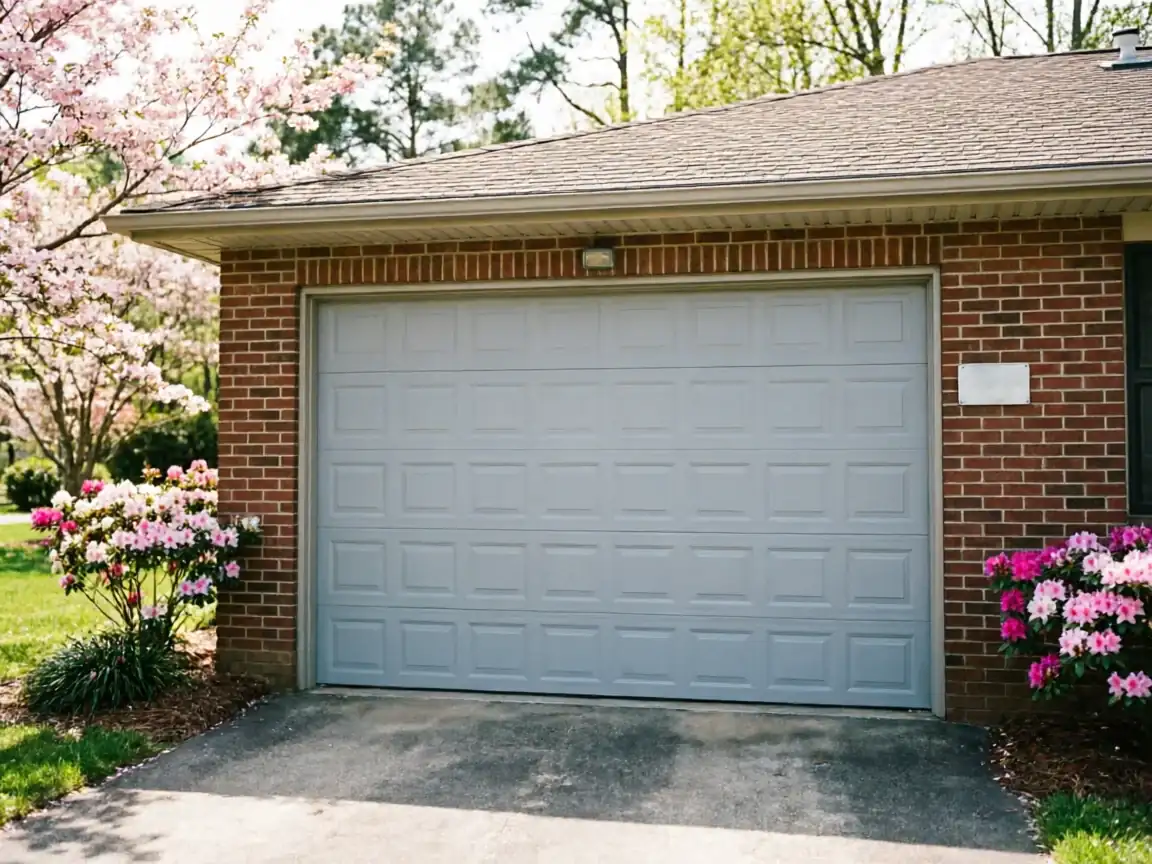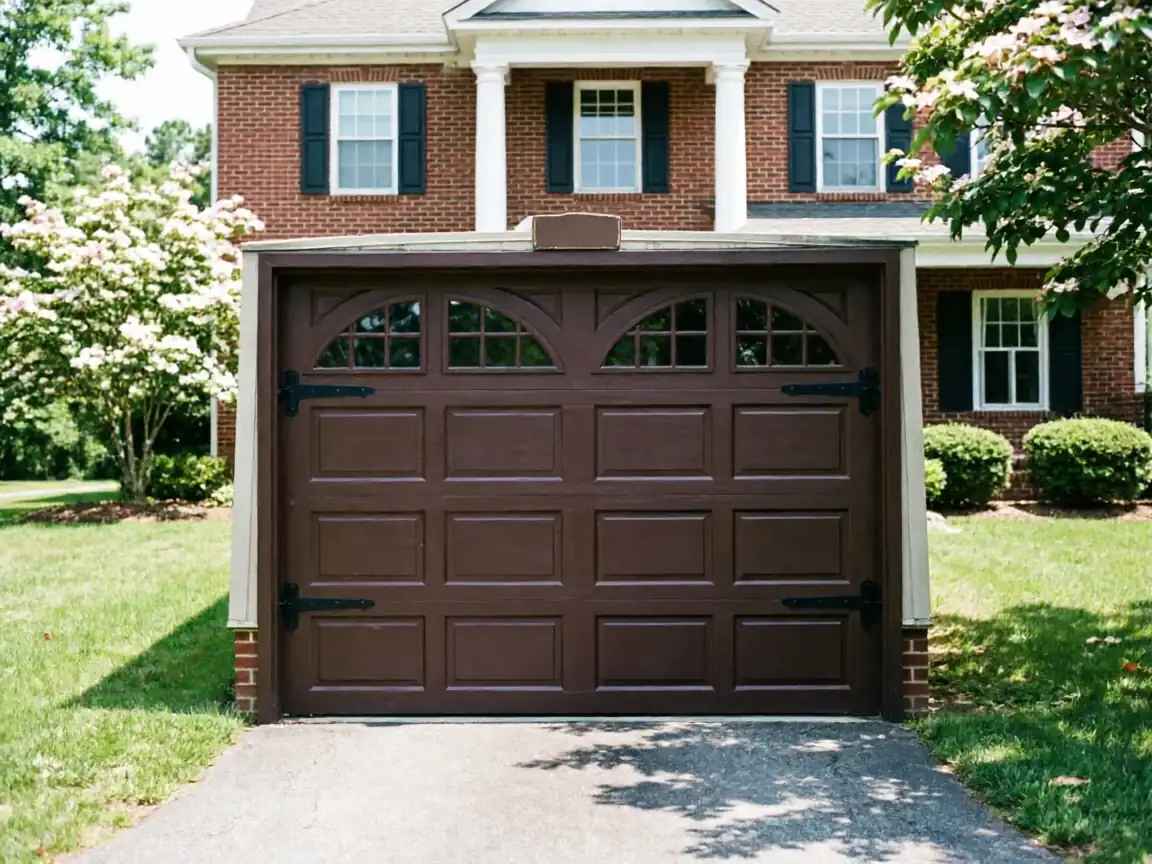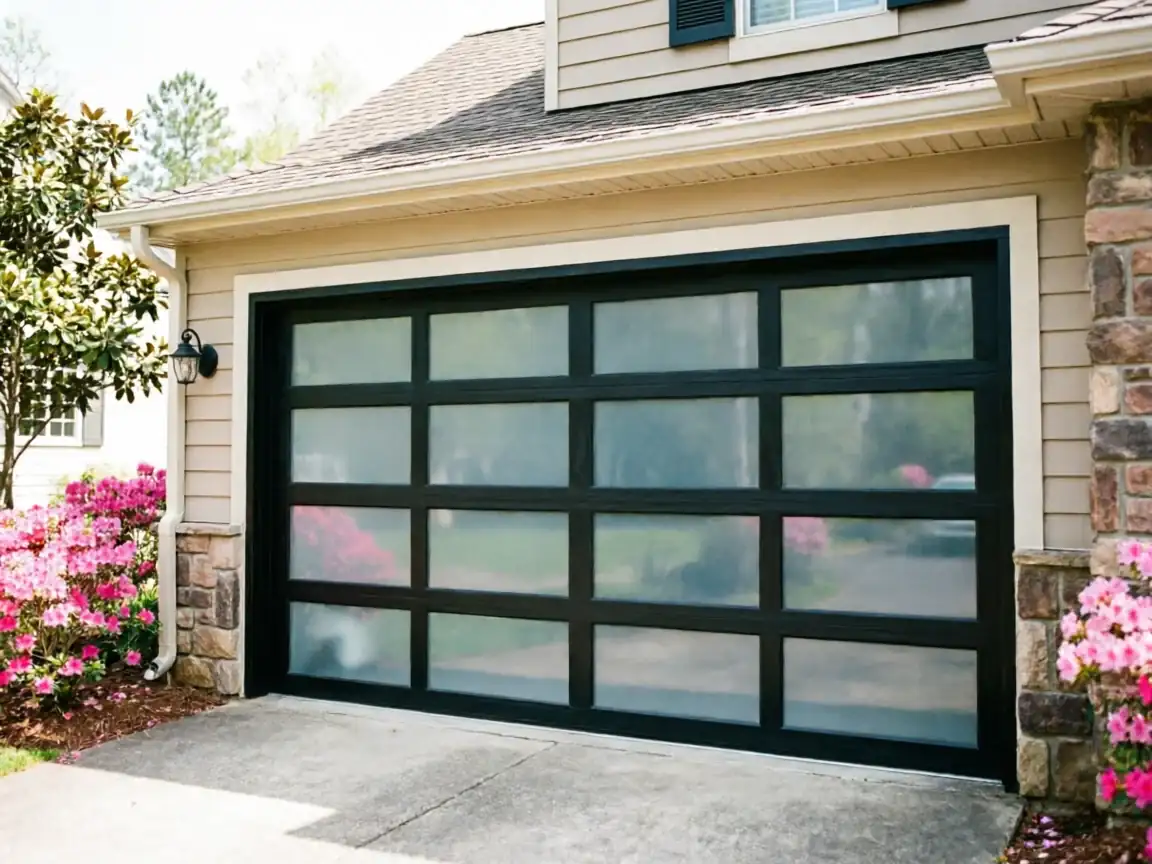
What We Will Not Take On
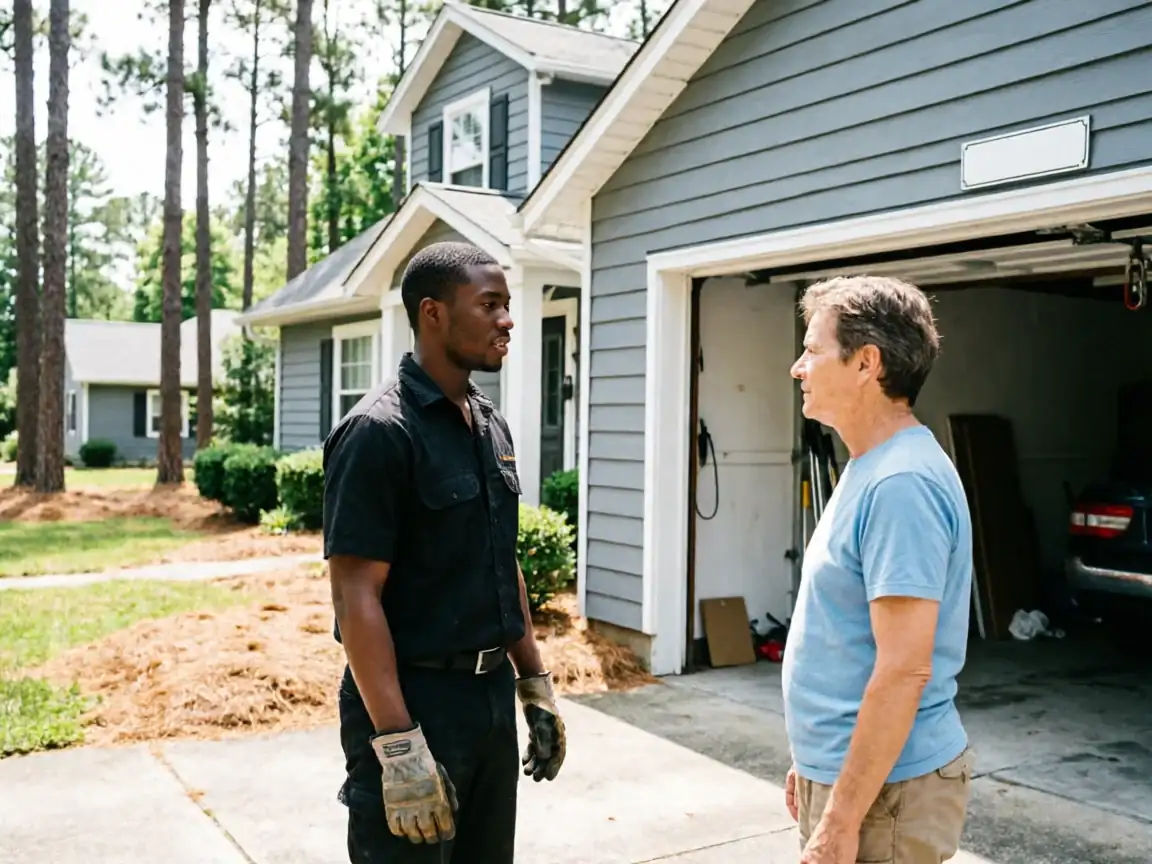
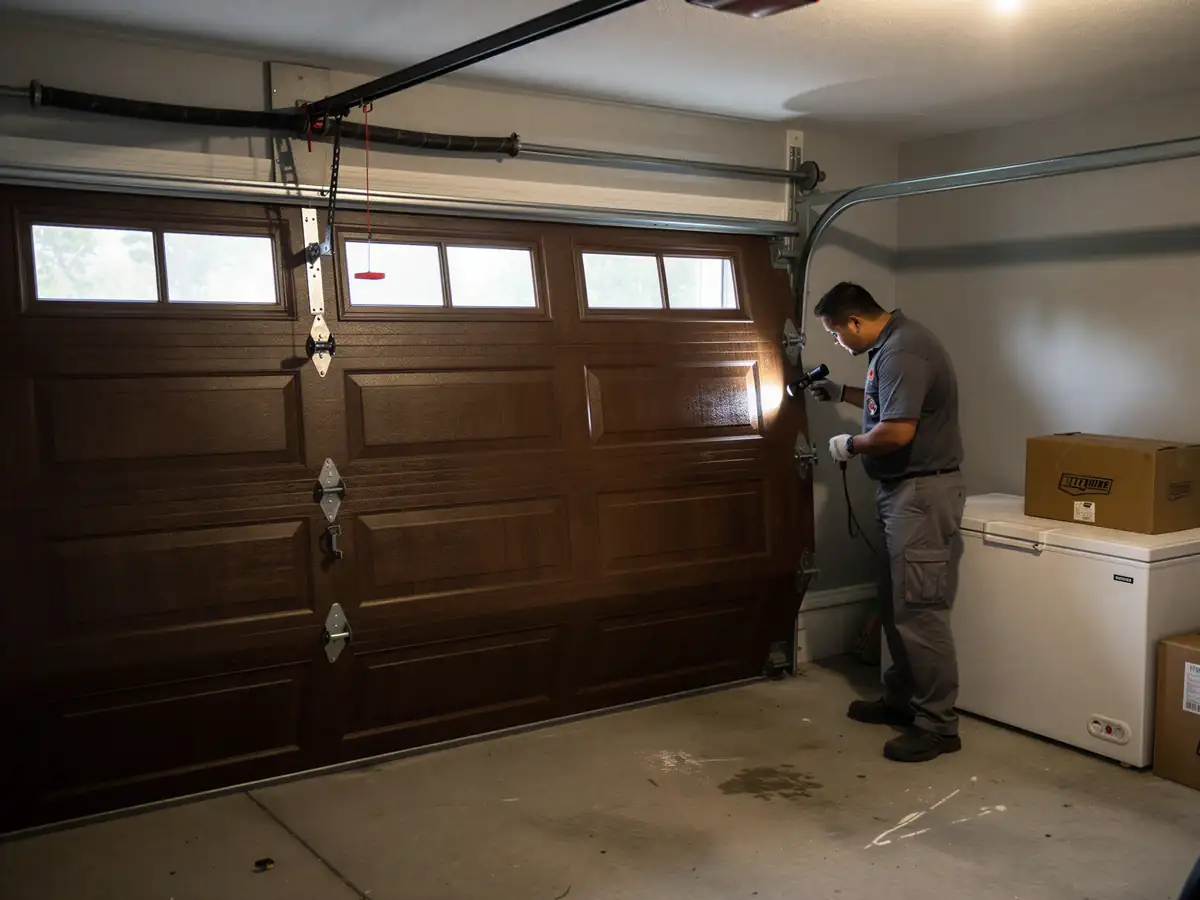
We're honest about what makes sense from a 17-mile drive. If you've got a cracked panel on a door that's otherwise sound, we'll fix the panel - we won't push a full replacement because it's a bigger ticket. On the other side, if a torsion spring has failed on a door old enough that the opener and track are also near the end, we'll tell you straight that patching one part while the rest fails next year isn't a good use of your money.
We also won't promise same-day parts for less common sizes. Because Cedartown is a drive from our shop in Rome, we stock what covers most calls - standard torsion springs, common roller and cable sizes, universal openers - but a specialty panel or an odd-width door built to spec decades ago sometimes means a short wait on the part. We'd rather tell you that up front than have you waiting on a truck that isn't coming today.
Last thing: we don't do cosmetic-only work like repainting a door that's structurally fine. If the door closes, seals, and the hardware is sound, a fresh coat is a DIY weekend project, not a service call.
What Neighbours Usually Call About
The calls from this area cluster around hardware that's roughly fifty years old
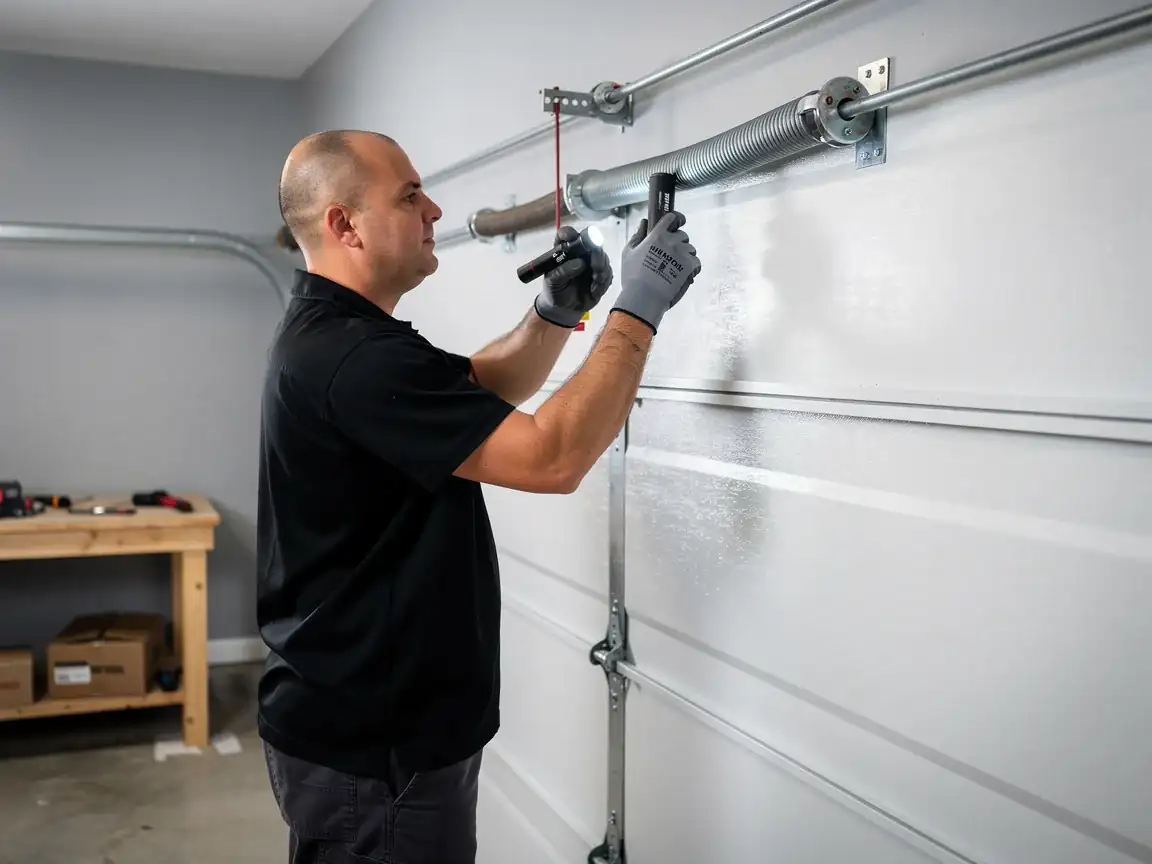
A house built near 1976 almost always has its original torsion spring replaced at least once by now, if it hasn't failed yet - springs are rated in cycles, not years, and a spring installed when the house was new has long since used up its rated life even on a door that doesn't get opened much.
The other recurring call is openers
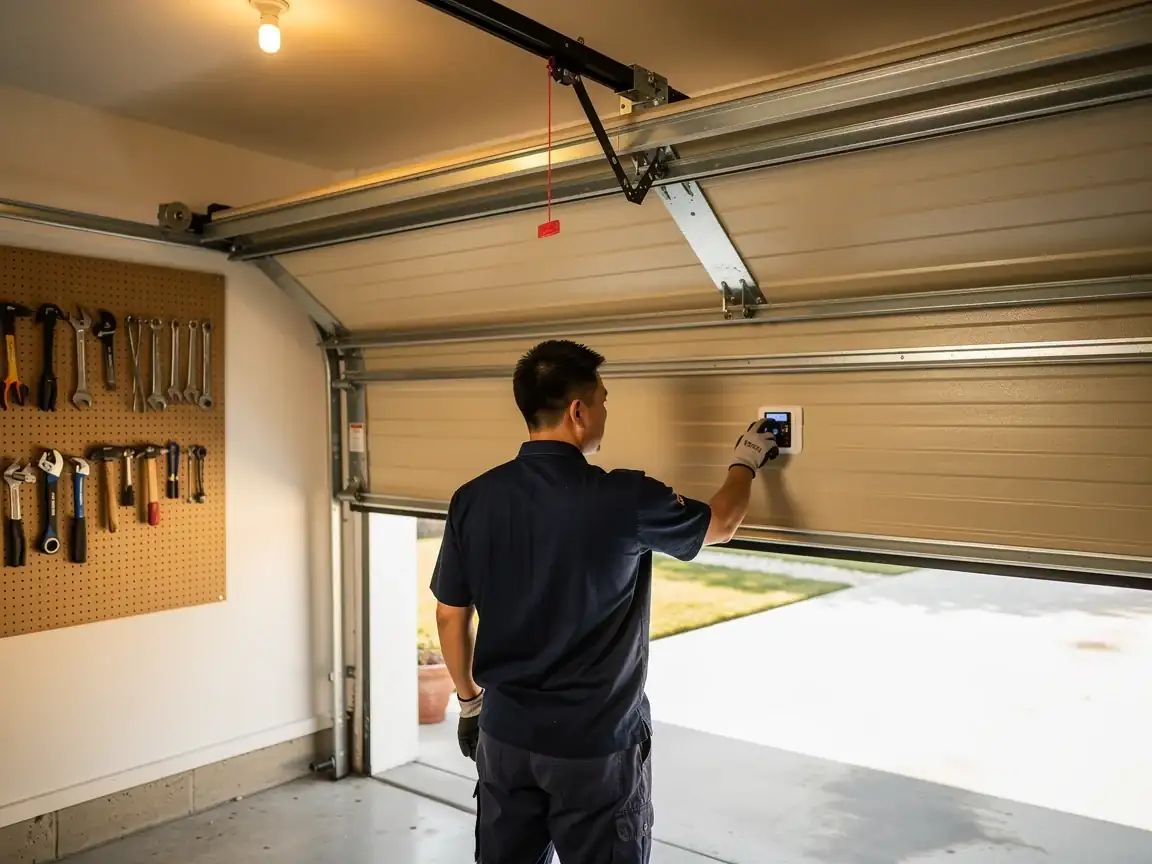
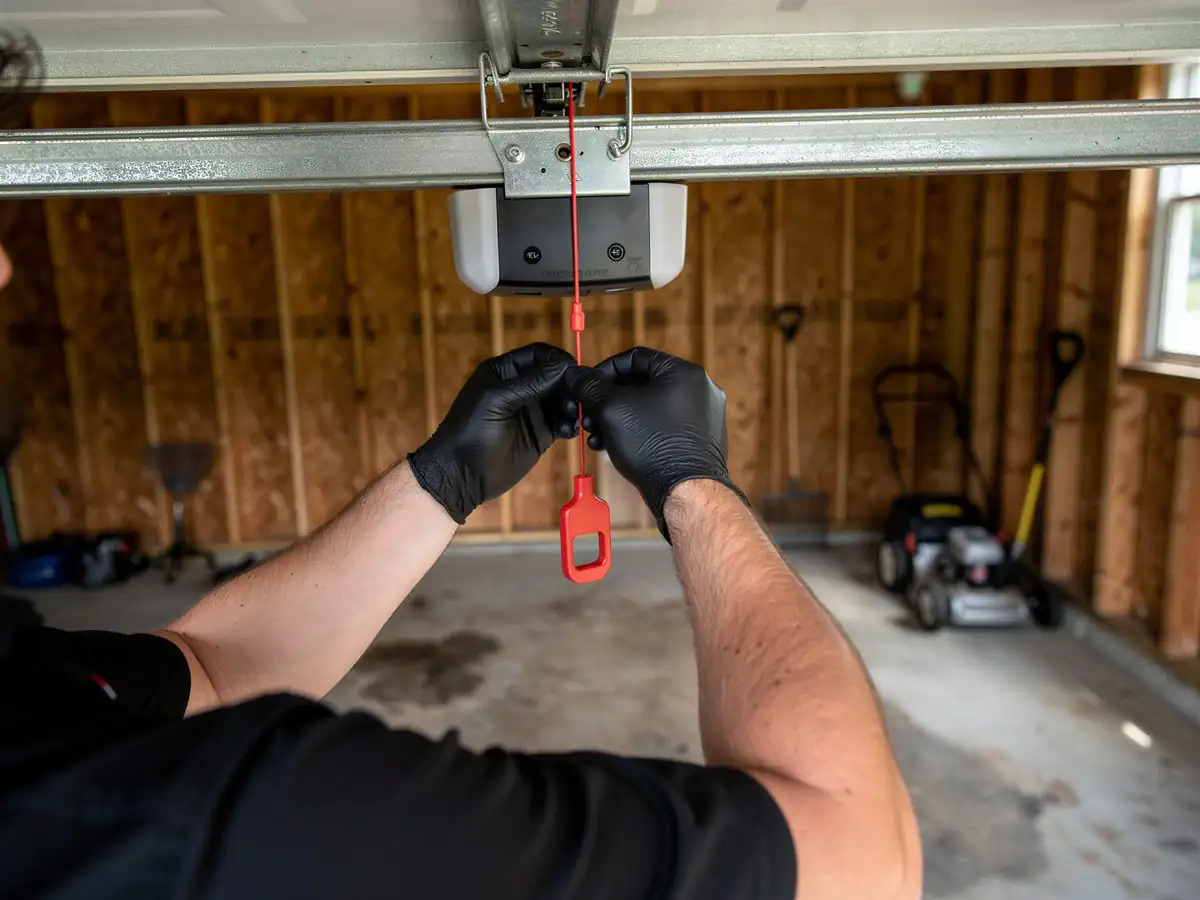
A lot of these homes added a garage door opener as a retrofit sometime after the house was built, which means the mounting and the wiring don't always match what a current opener kit expects. We see brackets that were never meant for the opener bolted to them, and that mismatch shows up as grinding, slow travel, or a door that reverses for no clear reason.
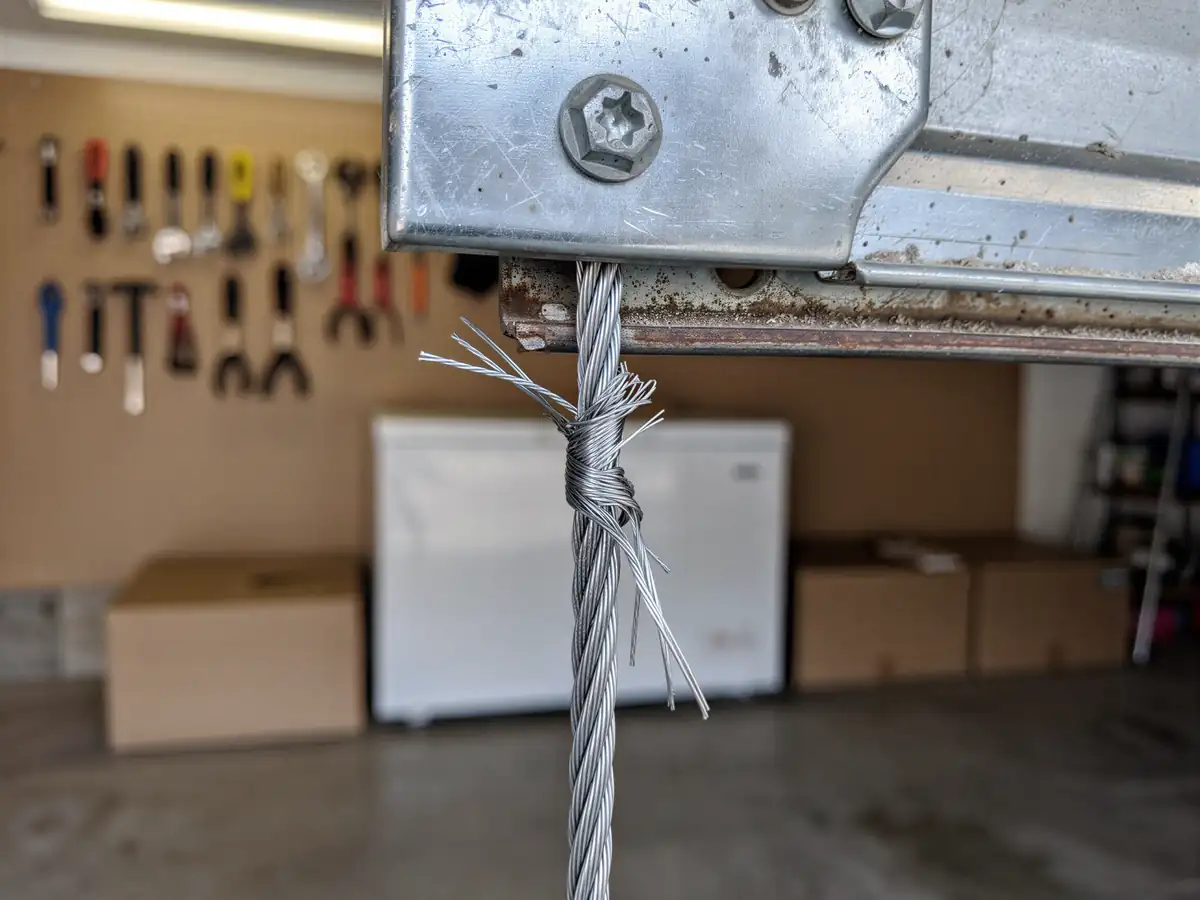
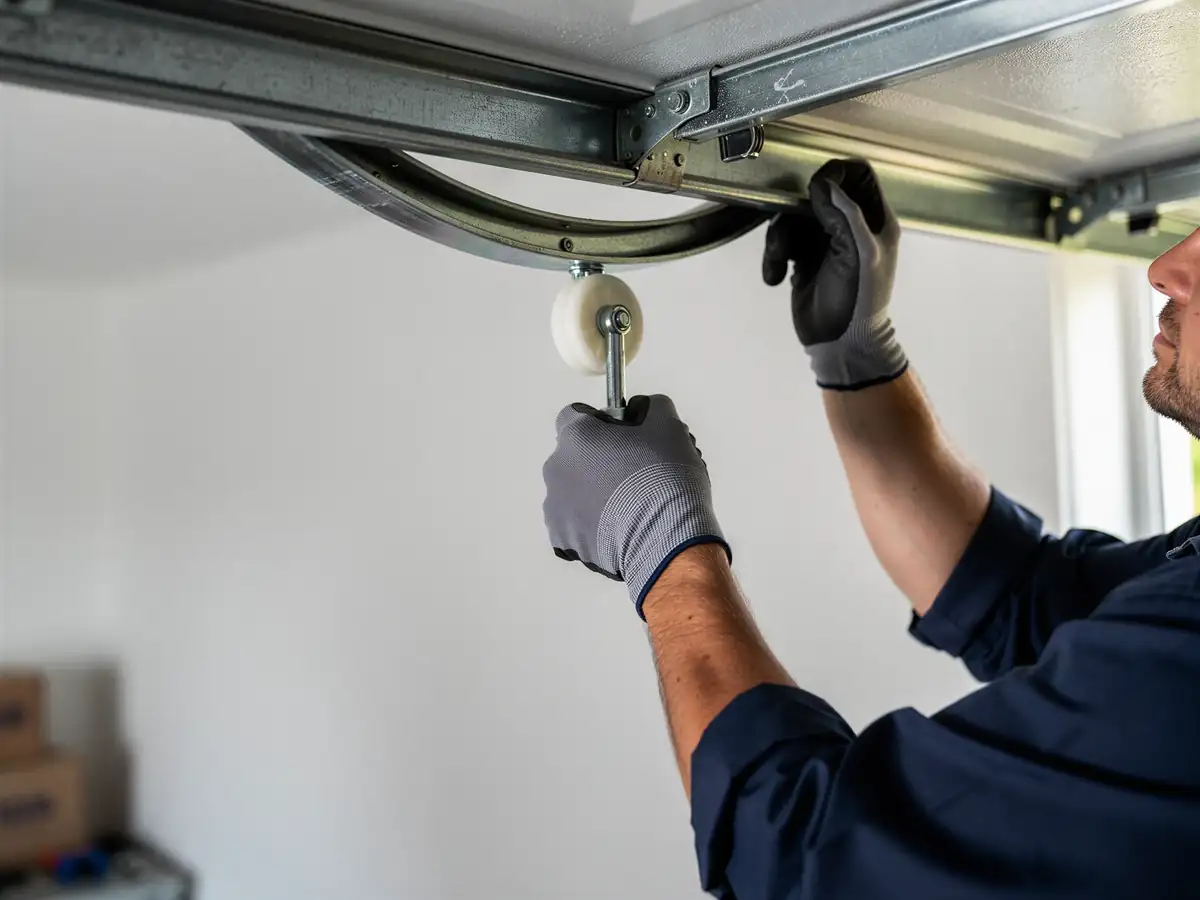
Rollers and cables come up too, especially on doors that have had the springs replaced but nothing else touched
Once a system that old gets disturbed, the parts that were quietly wearing out start failing in sequence.
This Area's Housing
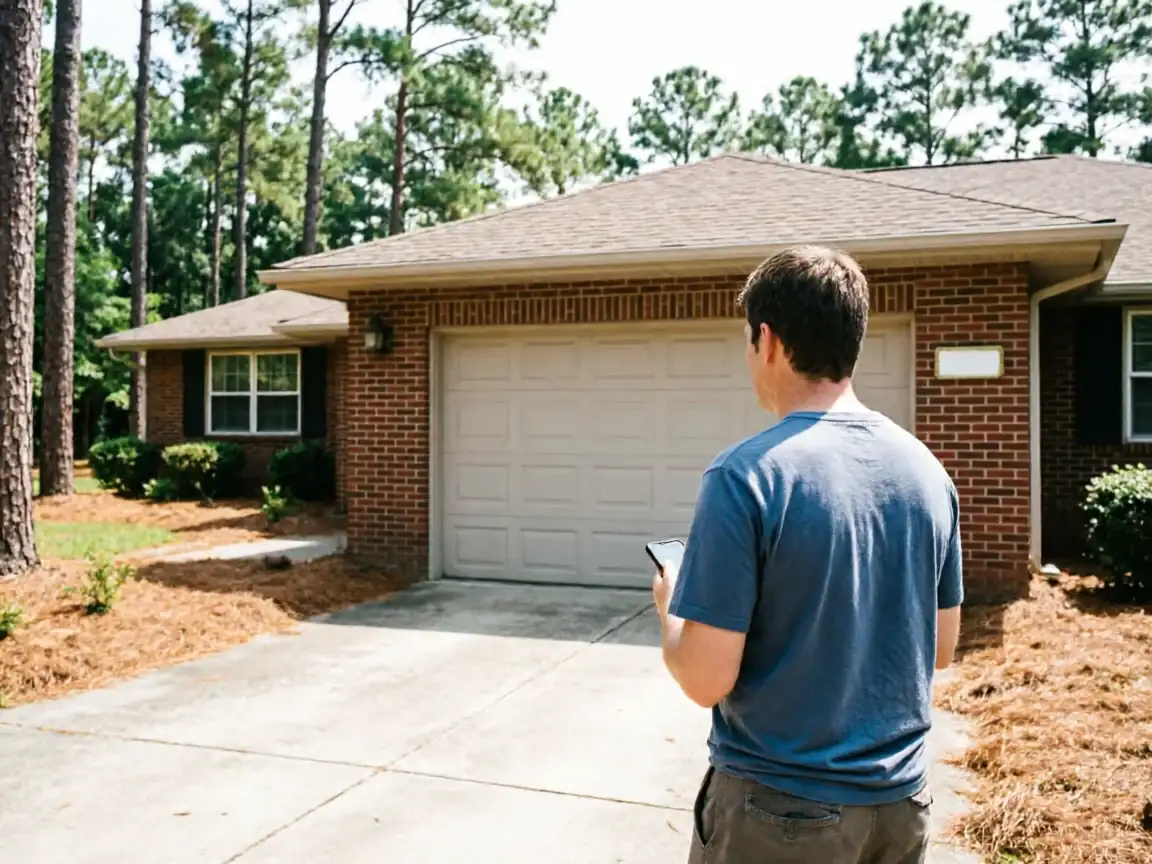
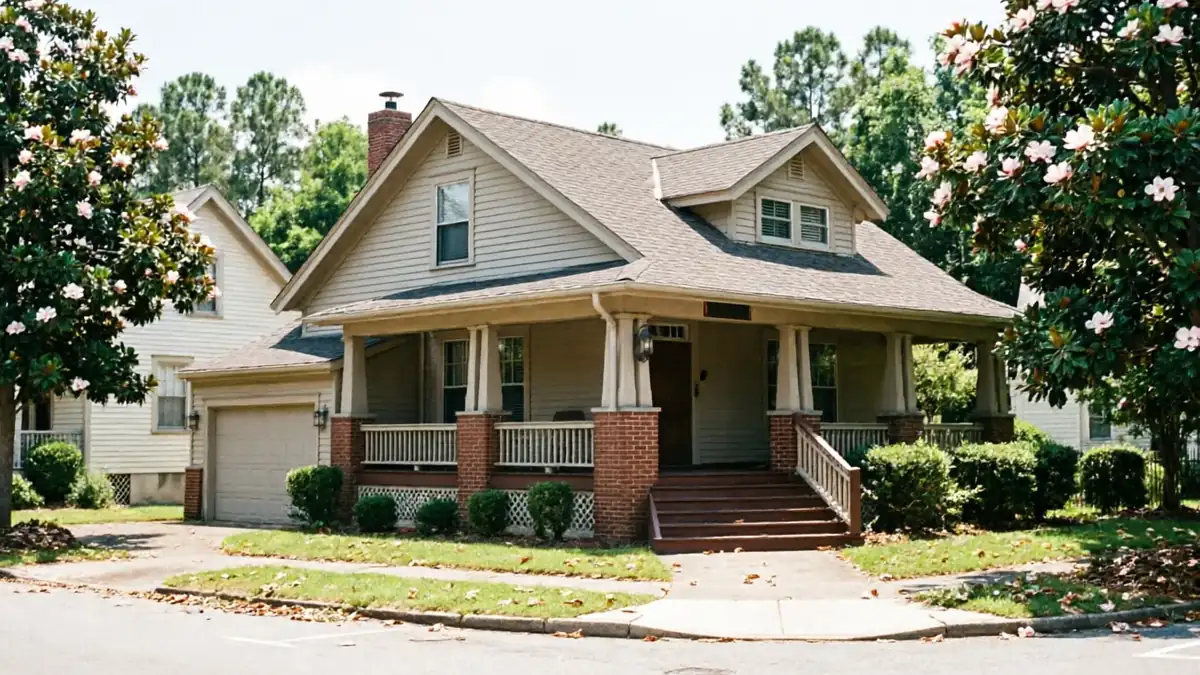
Cedartown homes in our records run a median build year of 1976, which puts most of the housing stock in the mid-1970s wave - a bit later than some of what we see closer to Rome, but still well past the point where garage hardware is original equipment anyone should trust. With 3,764 households in the area, there's a real volume of doors from that same building period, which means a lot of these systems share the same wear pattern at the same time.
Median household income here is $32,064, noticeably lower than the wider service area's $52,799. That's not a side note - it shapes the calls we get. More owners here ask us to repair a working system rather than replace it outright, and more jobs are single-part fixes: one spring, one opener board, one section of track, rather than a full door swap. We work within that. A repair that gets a 1970s-era door running reliably again is often the right answer, not a compromise.
What the Housing Means for Your Door
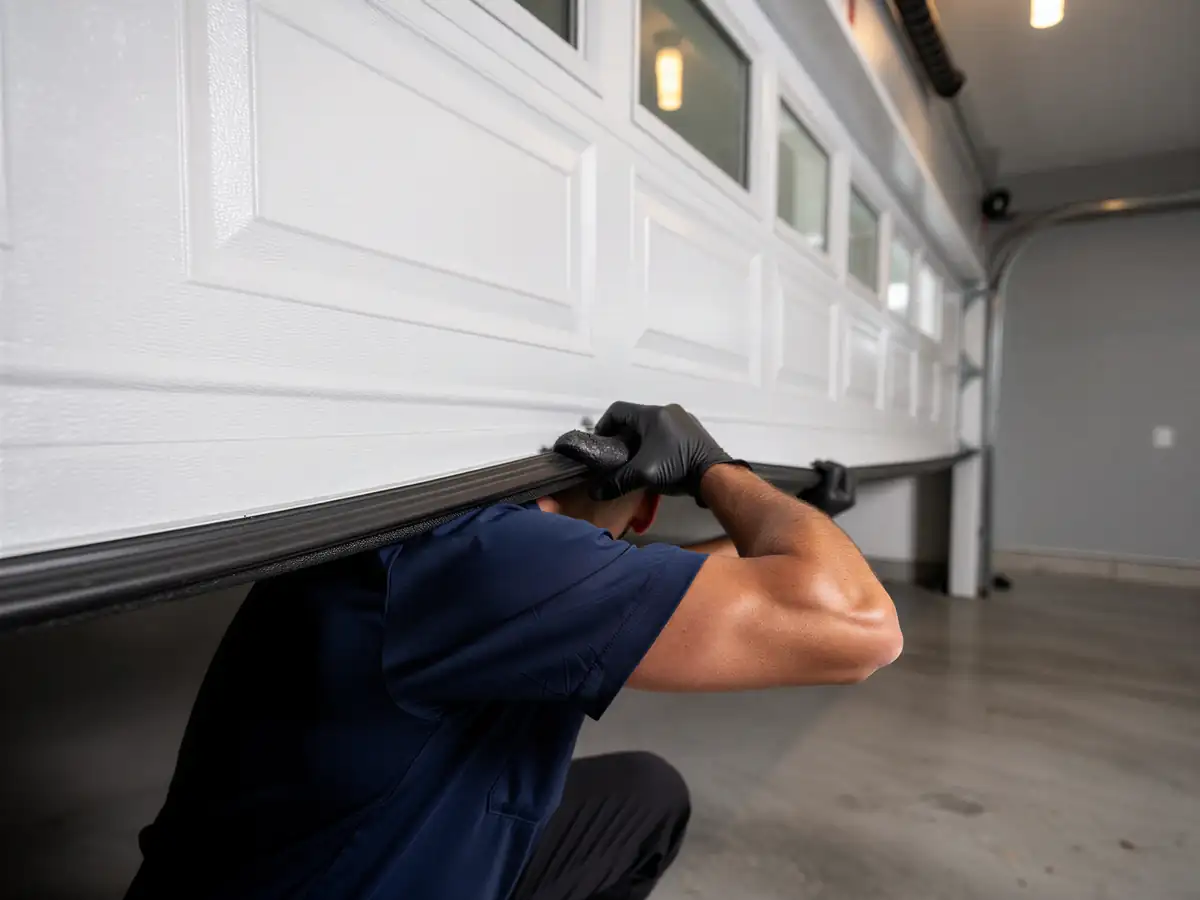
The region sits in a cold-moderate climate band, and on a door built or retrofitted in the 1970s that usually shows up as stiff, cracked, or missing weatherstripping along the bottom seal and side jambs. Original seals from that era weren't built for fifty years of freeze-thaw cycling, and once the seal goes, cold air finds the gap and the door works harder to seat correctly in winter.
That age also means heavier doors on lighter springs than current code would spec. A torsion spring sized for a lighter original panel, paired decades later with a heavier insulated replacement panel, is a mismatch we see often enough to check for every time - it shows up as a door that's hard to lift by hand or an opener straining on every cycle.
If your door and opener are both original to a mid-1970s build, we'd rather look at the spring sizing and the opener's gear condition together than just replace whichever part failed first. One fix at a time on a system this age tends to turn into three service calls instead of one.