Doing It Yourself
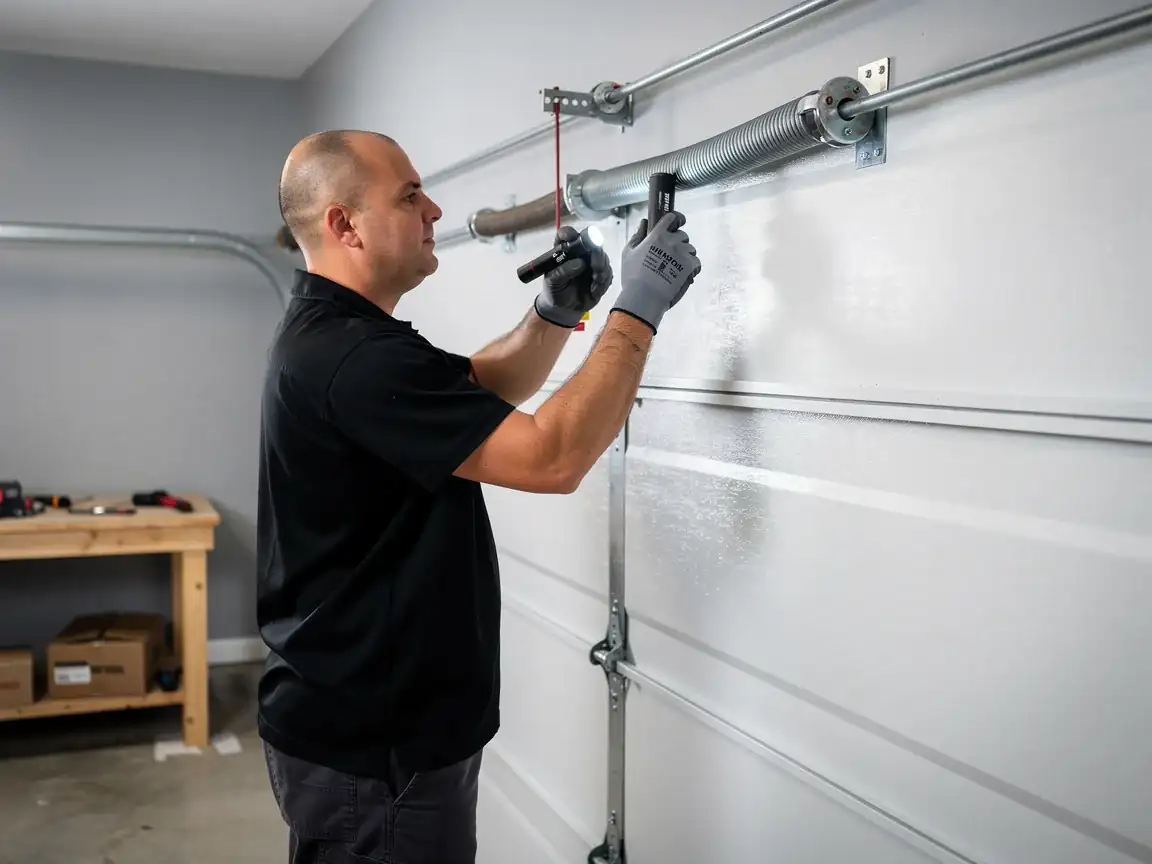
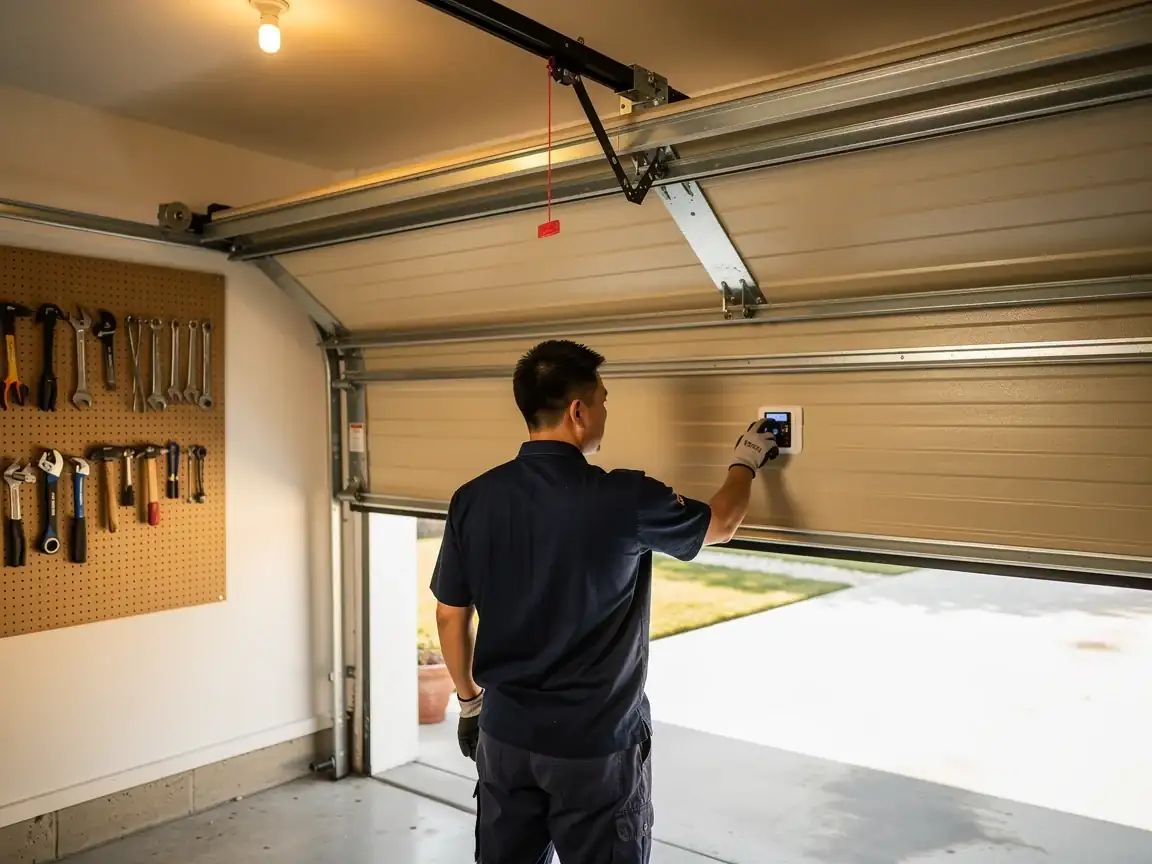
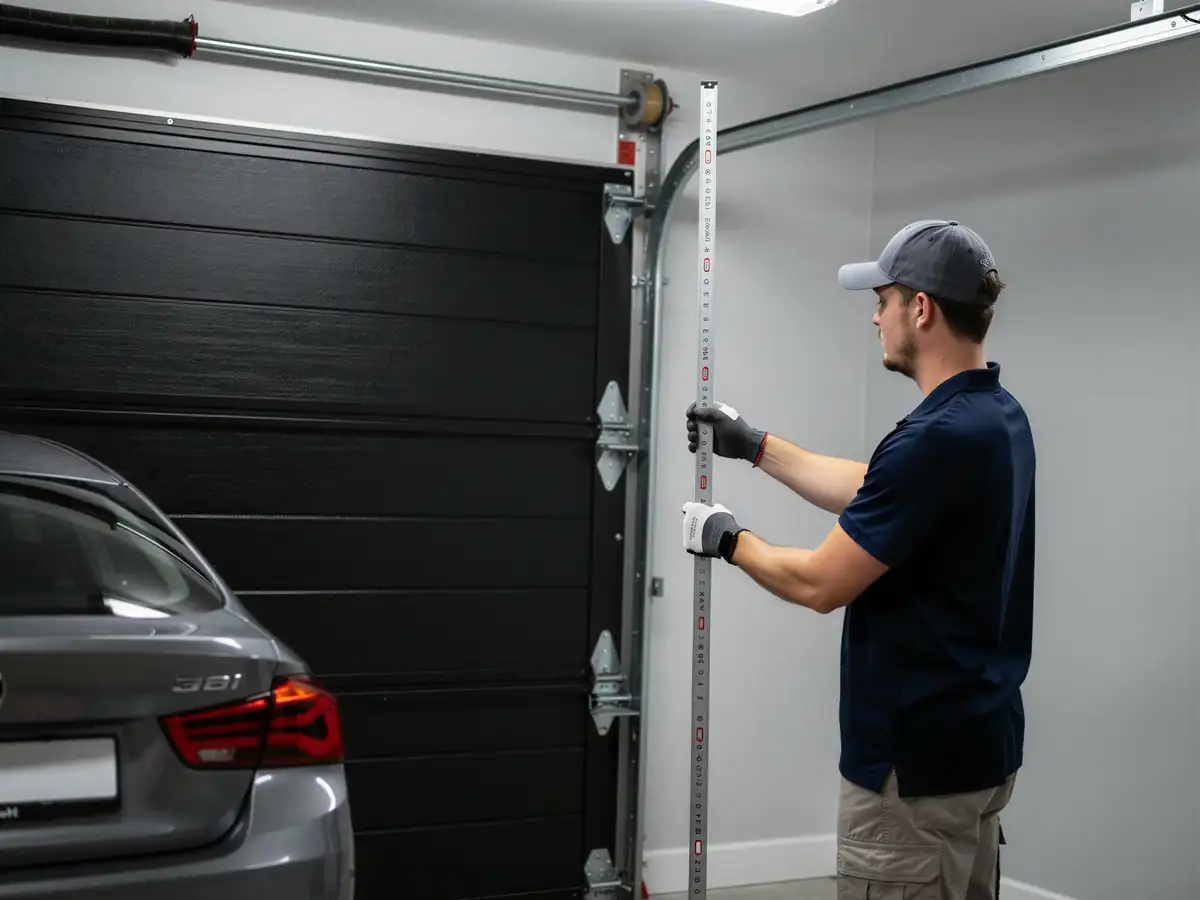
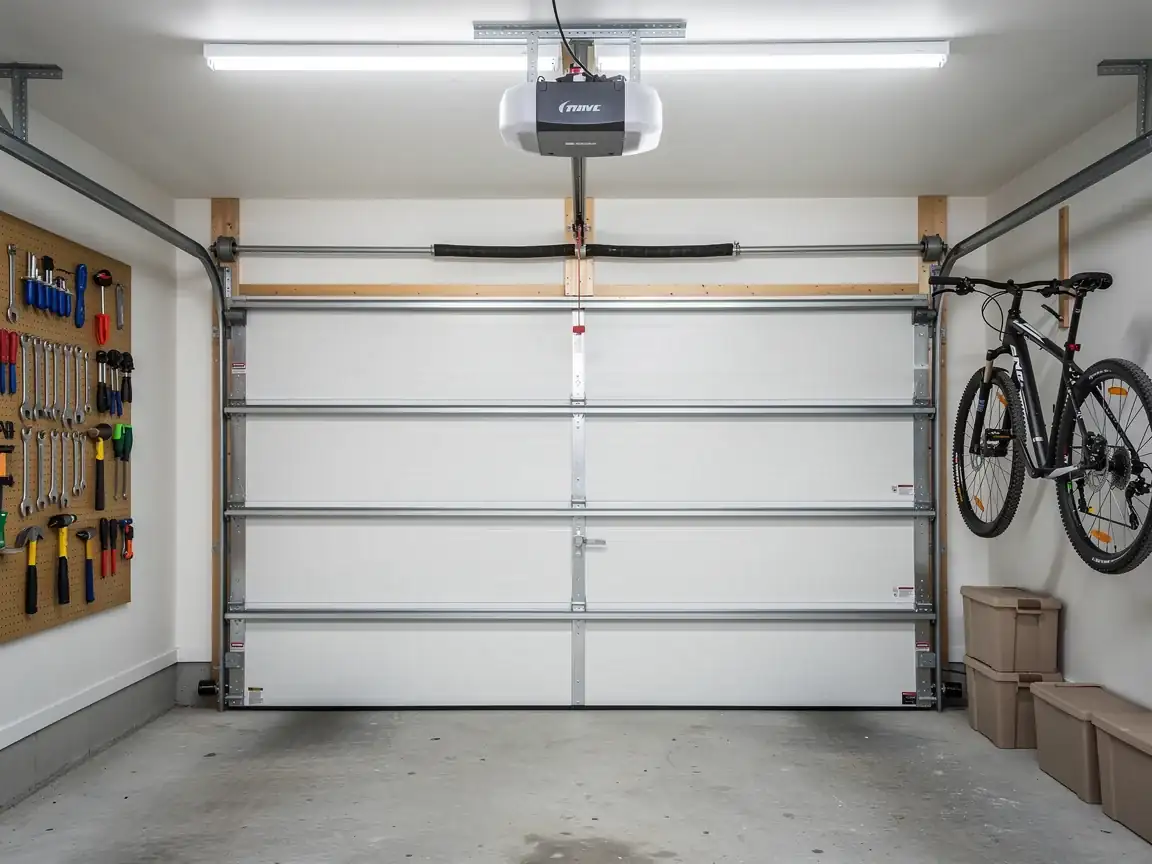
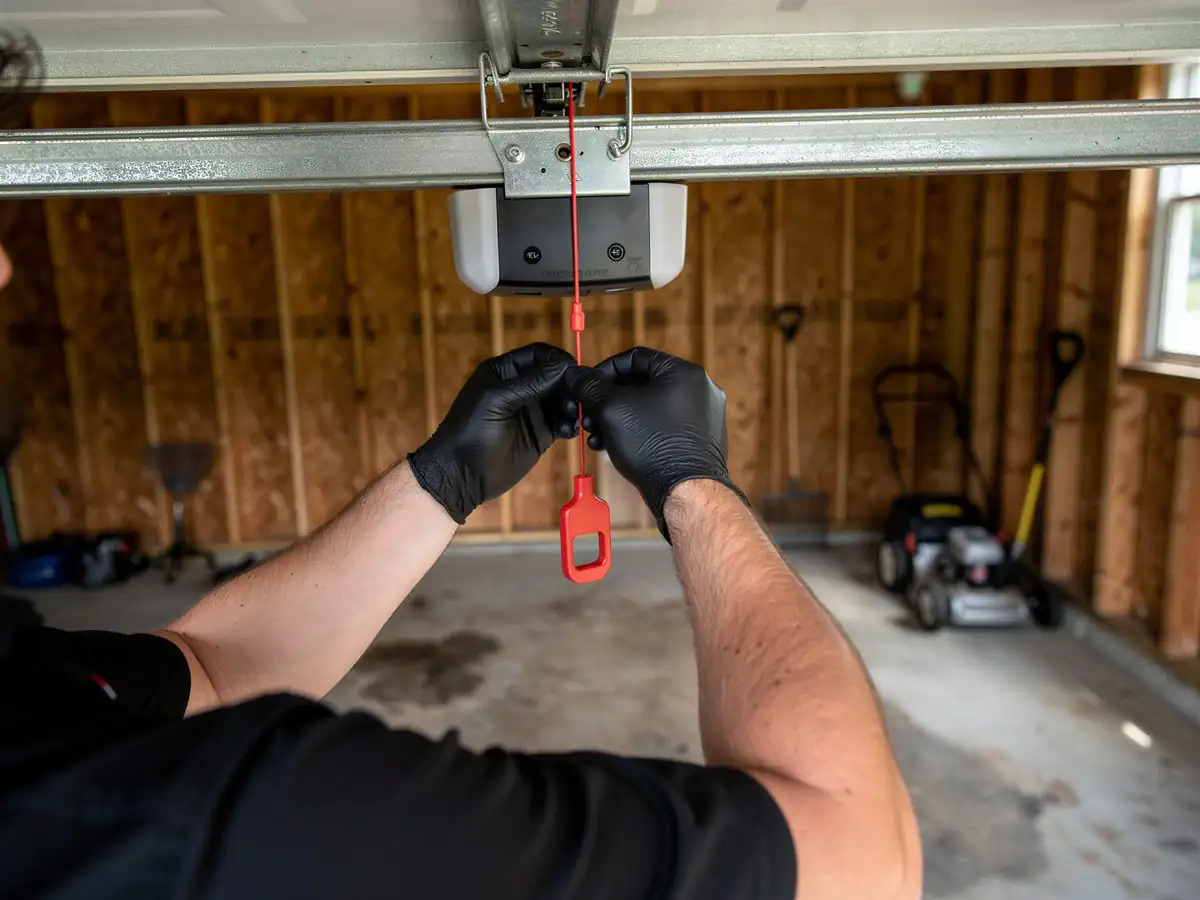
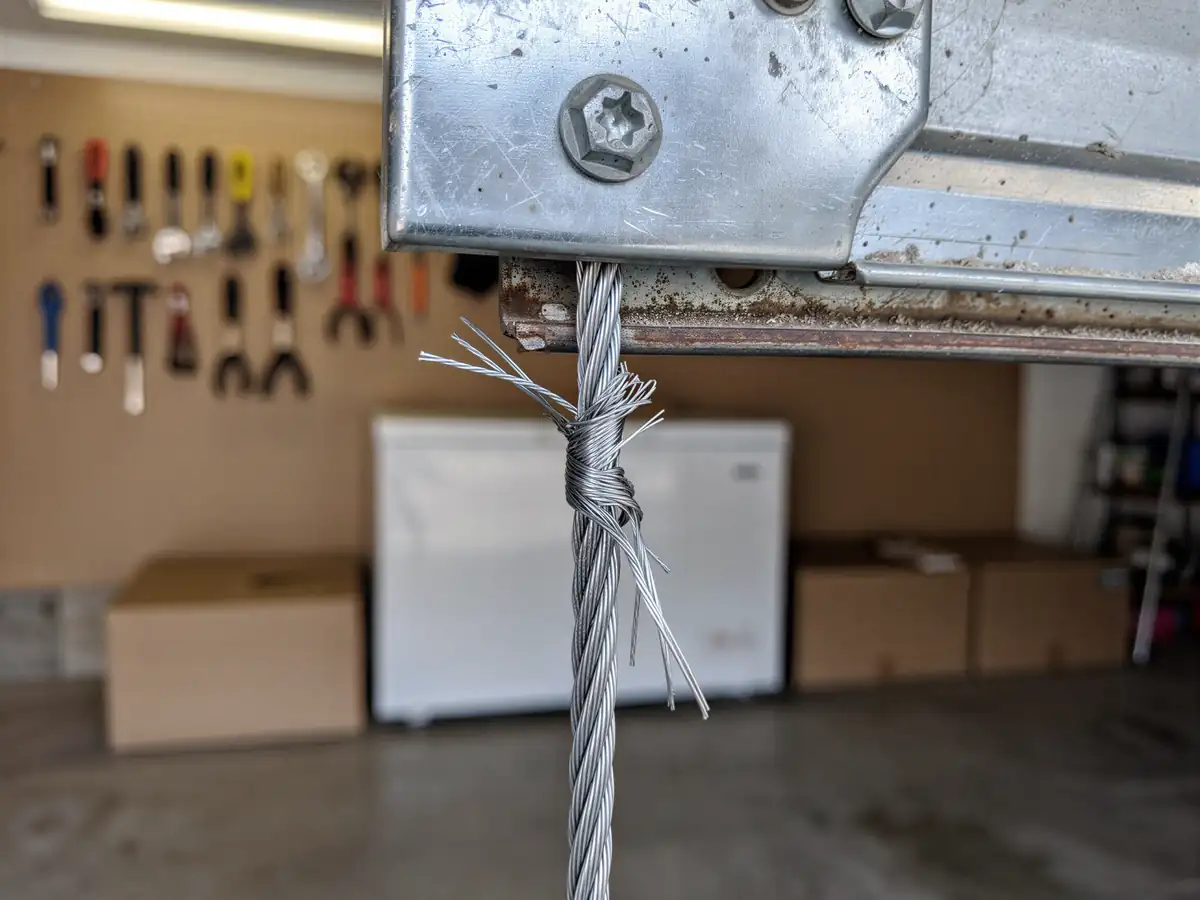
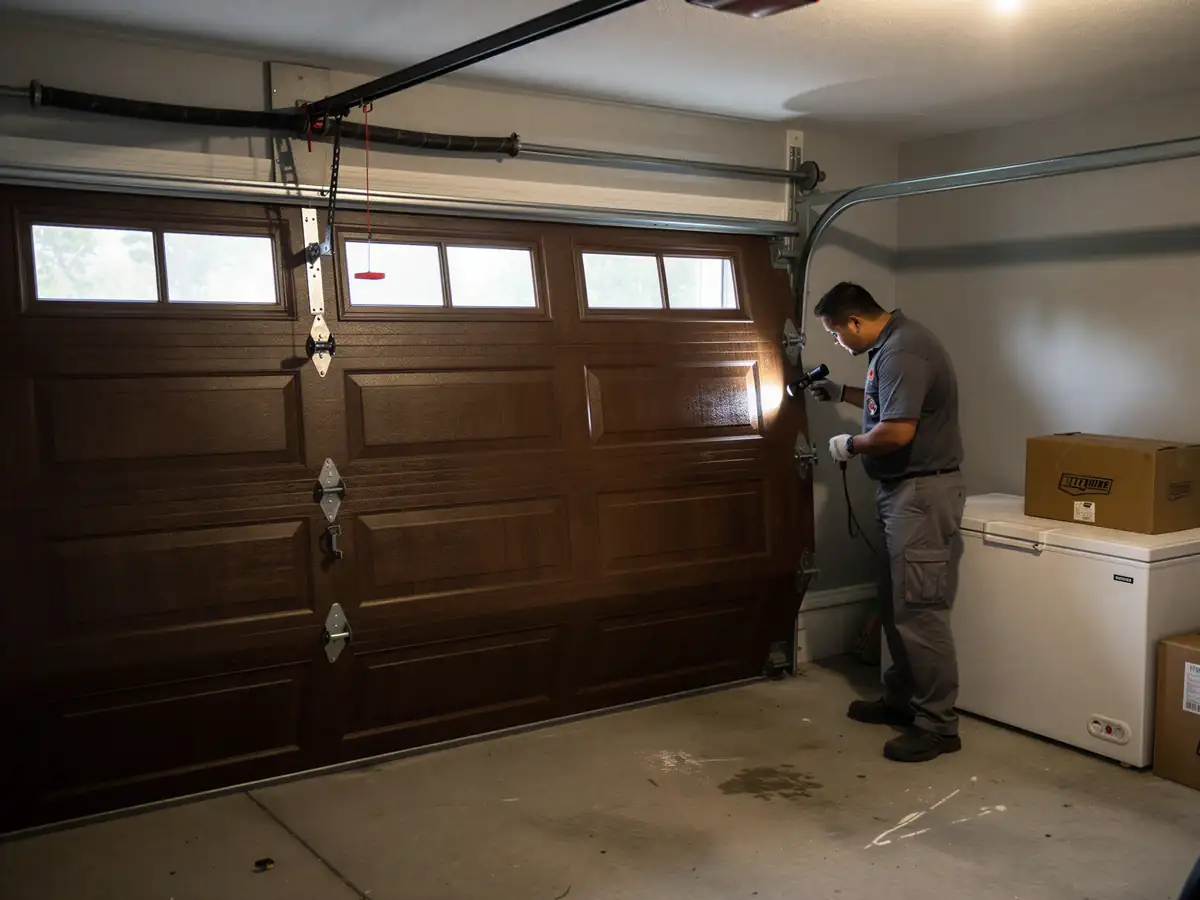
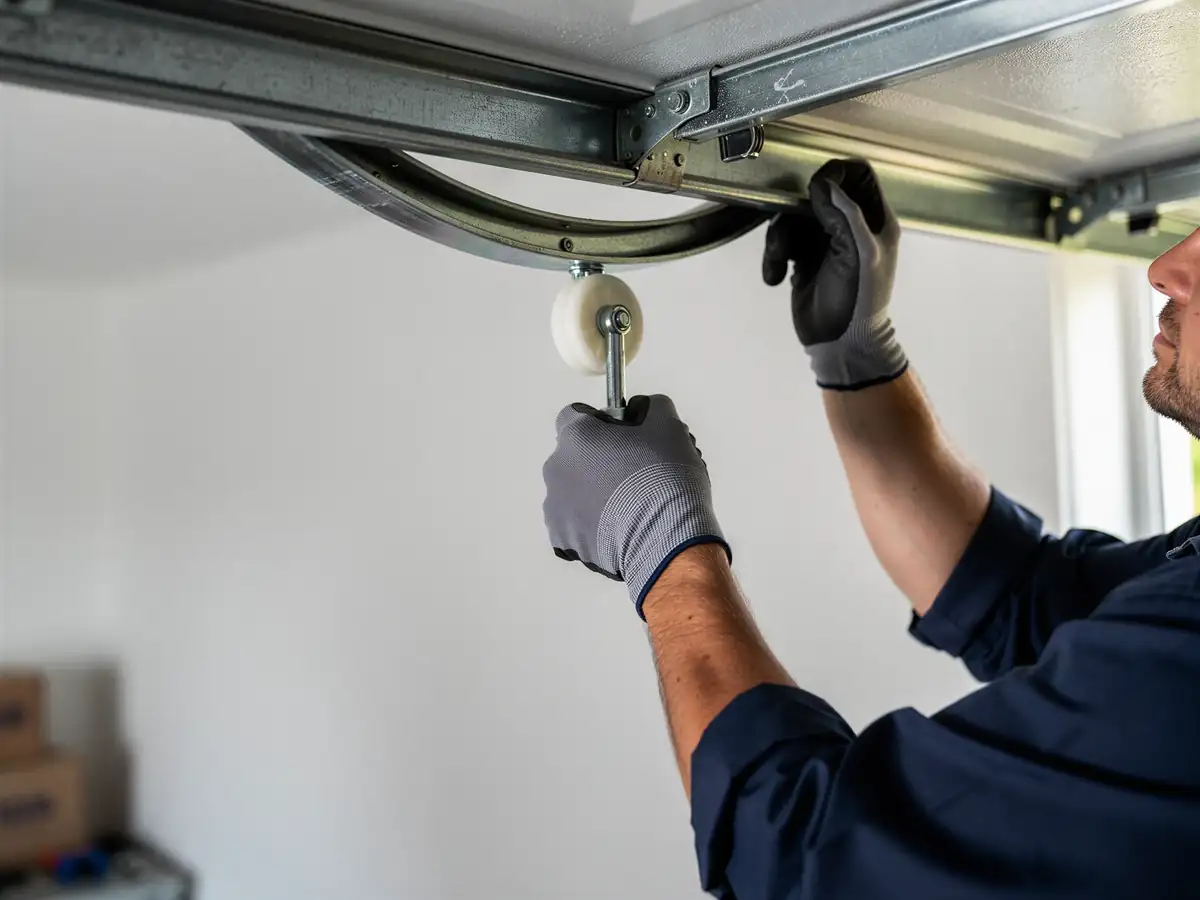
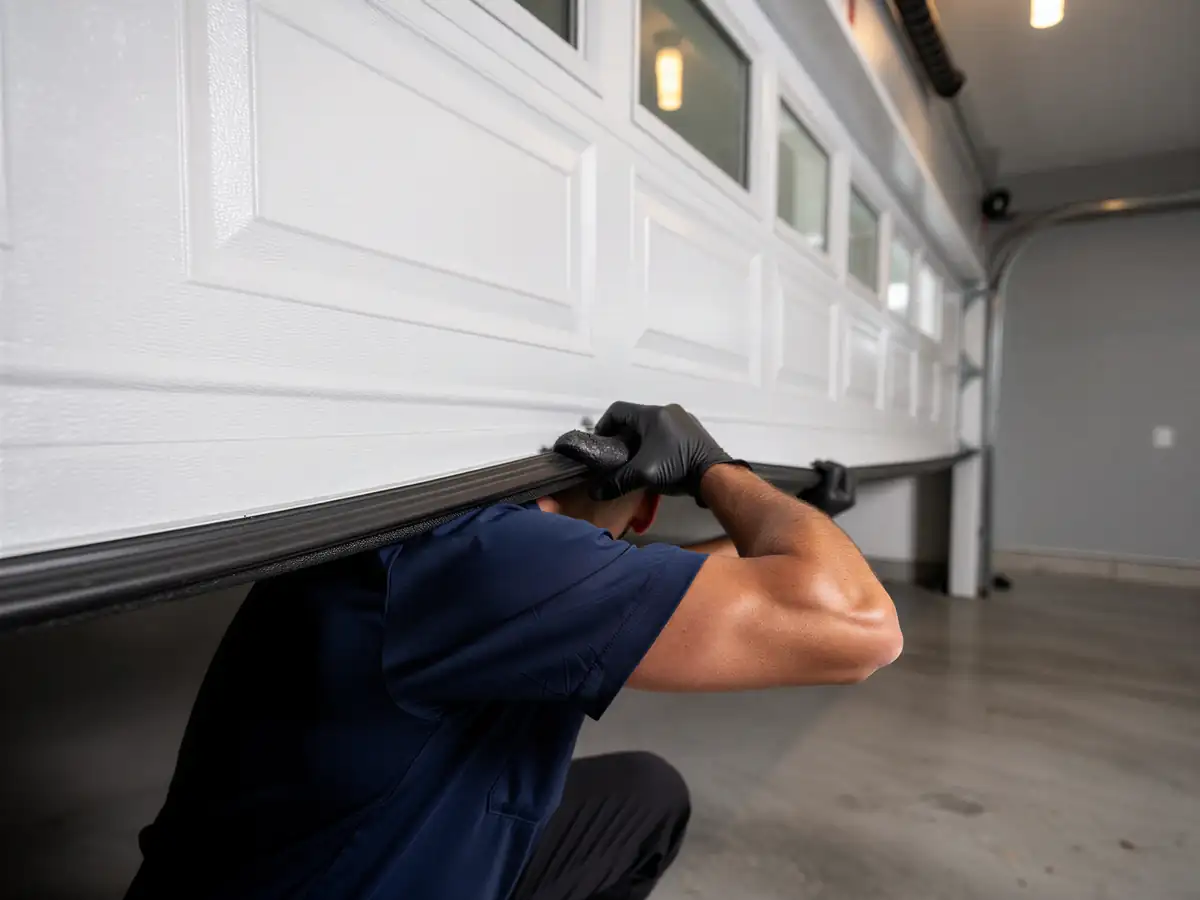
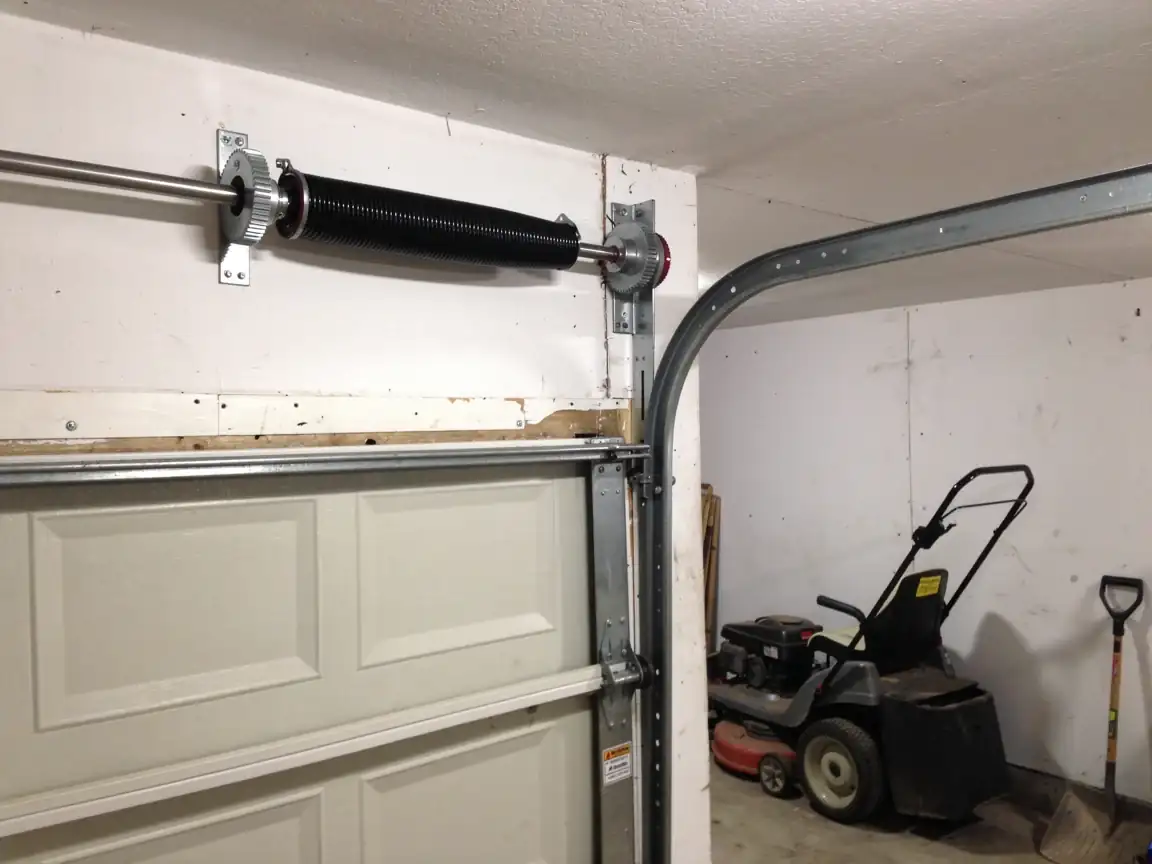
There's a real amount you can check before you call anyone. Pull the release cord and move the door by hand - it should swing up with one hand and hold position about waist-high on its own. If it slams down or won't budge, the springs are out of balance and that's not a DIY fix; spring tension on a double door can take a finger off. What you can do: wipe down and lubricate the rollers and hinges with a garage-door-specific lubricant (not WD-40, which washes out grease), check that the track bolts haven't backed out, and look at the weatherstripping along the bottom panel for cracking. On the older doors common across Rome's neighborhoods, the lift cables and hinges are often original and worth a visual check for fraying or rust before winter sets in. If the door is noisy but still balanced, a lube job and a tightening pass on the hardware solves more calls than people expect. If it's not balanced, stop there and call - that's the one limitation we're upfront about. We don't walk homeowners through spring adjustment over the phone.
Why It Happens Here
Rome's housing stock skews old - most of the roughly 6,489 owner-occupied houses across the service area sit in that 1957-2001 build window, with the bulk from the 1960s and '70s spread across the nine named areas we work. Doors and torsion springs from that era were sized for lighter, non-insulated steel panels, and most have never been swapped even as owners have added insulation or replaced panels individually over the years - which changes the weight the original spring has to lift. Add the cold-moderate winters here: steel contracts in cold snaps, grease thickens, and a spring that was already marginal loses just enough lift to start skipping cycles or binding in the track. It's not dramatic failure, it's gradual - the kind of wear that a homeowner notices as