Doing It Yourself
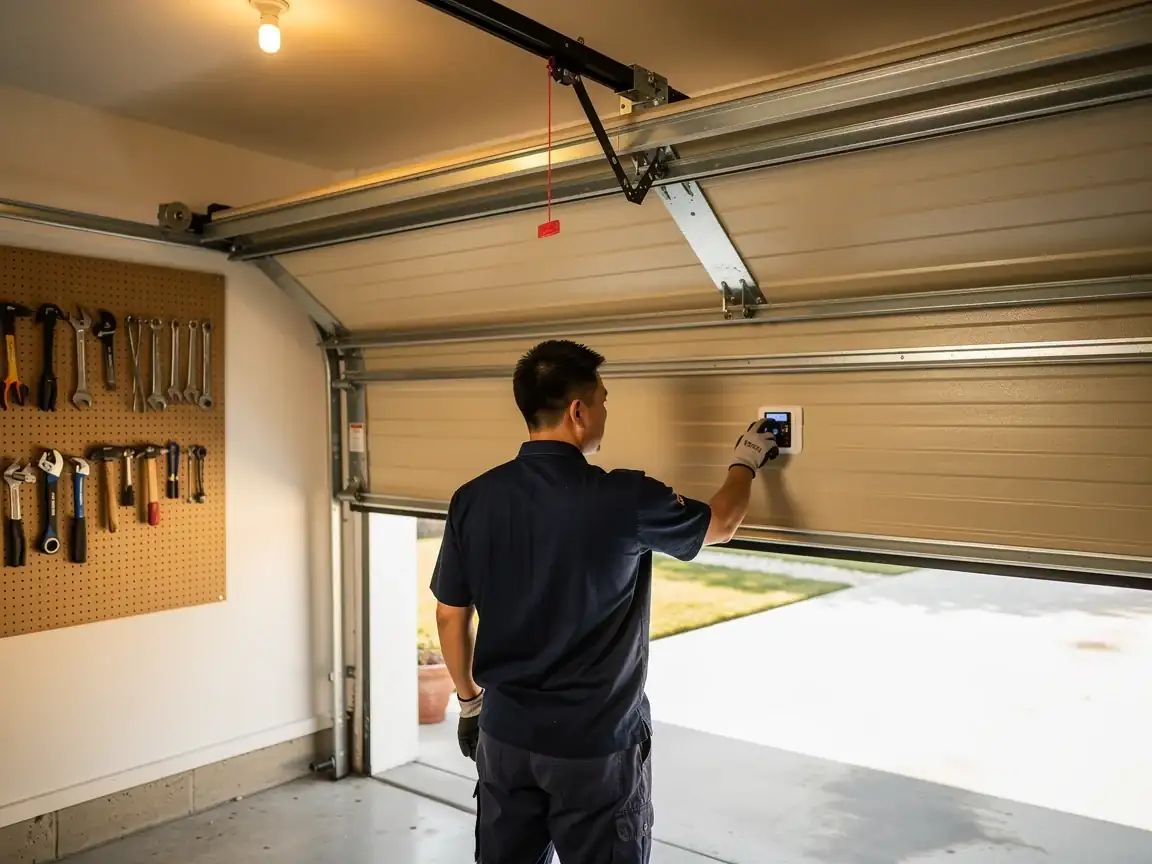
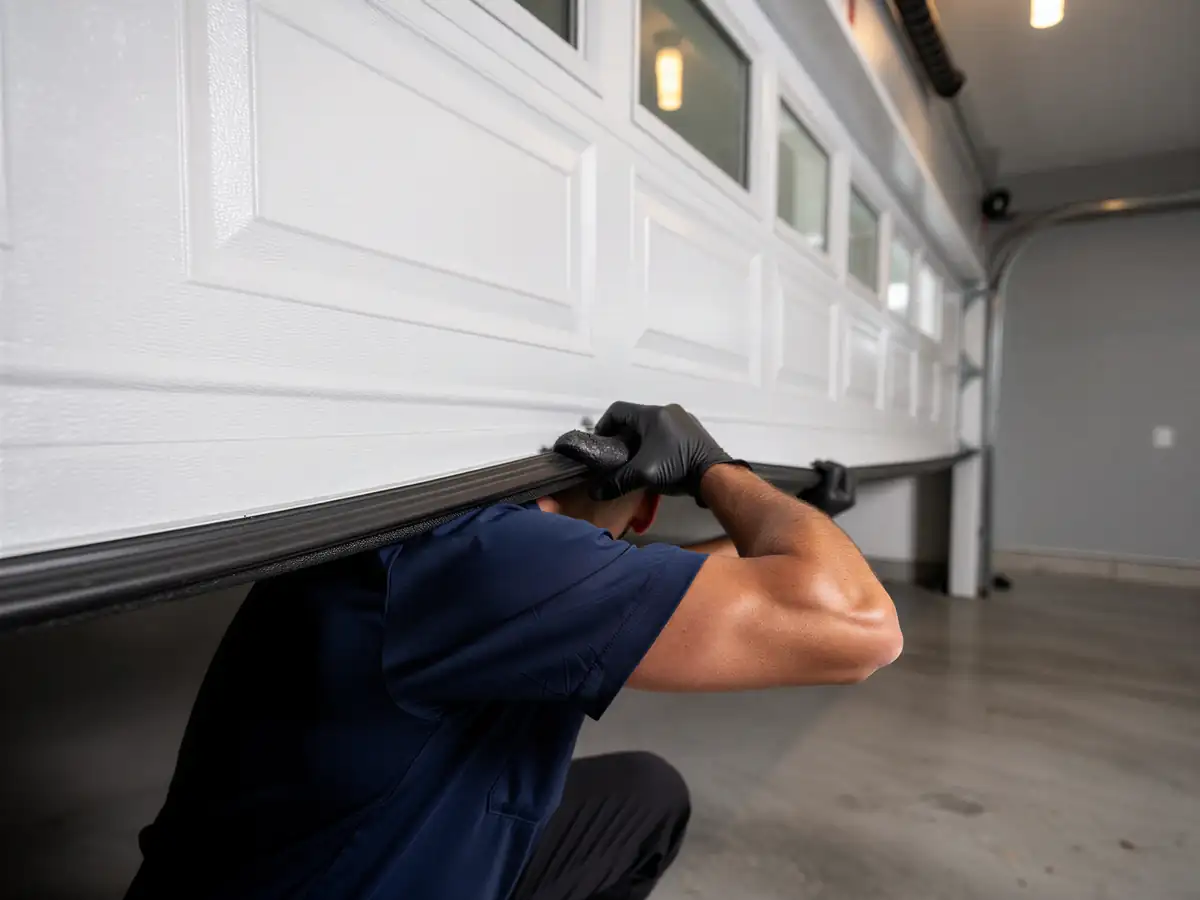
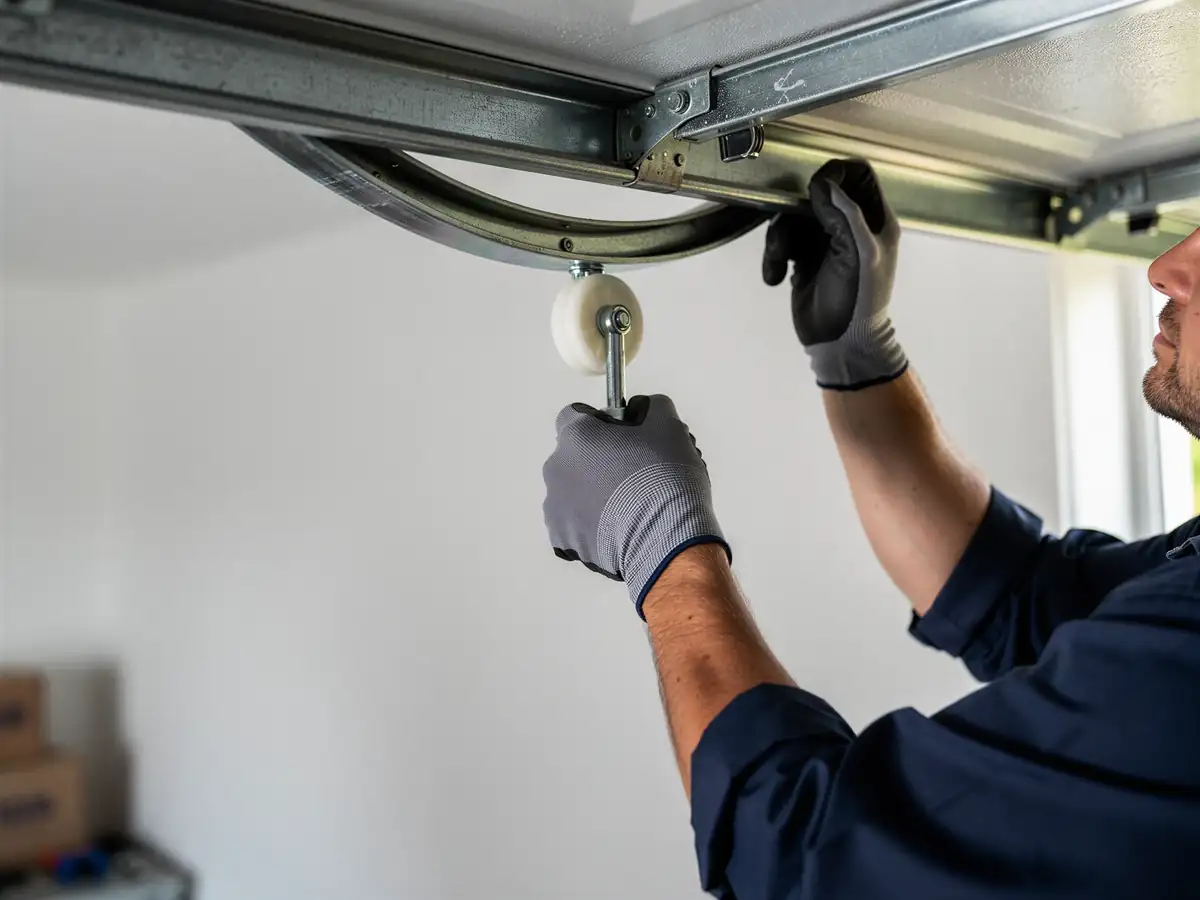
Swapping a garage door roller isn't out of reach for a homeowner with the right clamps and a free Saturday. You release tension, pull the hinge pin, slide the old roller out of the track, and seat a new one. Nylon rollers with sealed bearings run quieter than the steel ones that came stock on most doors built in this area, and they're a reasonable upgrade if you're already in there.
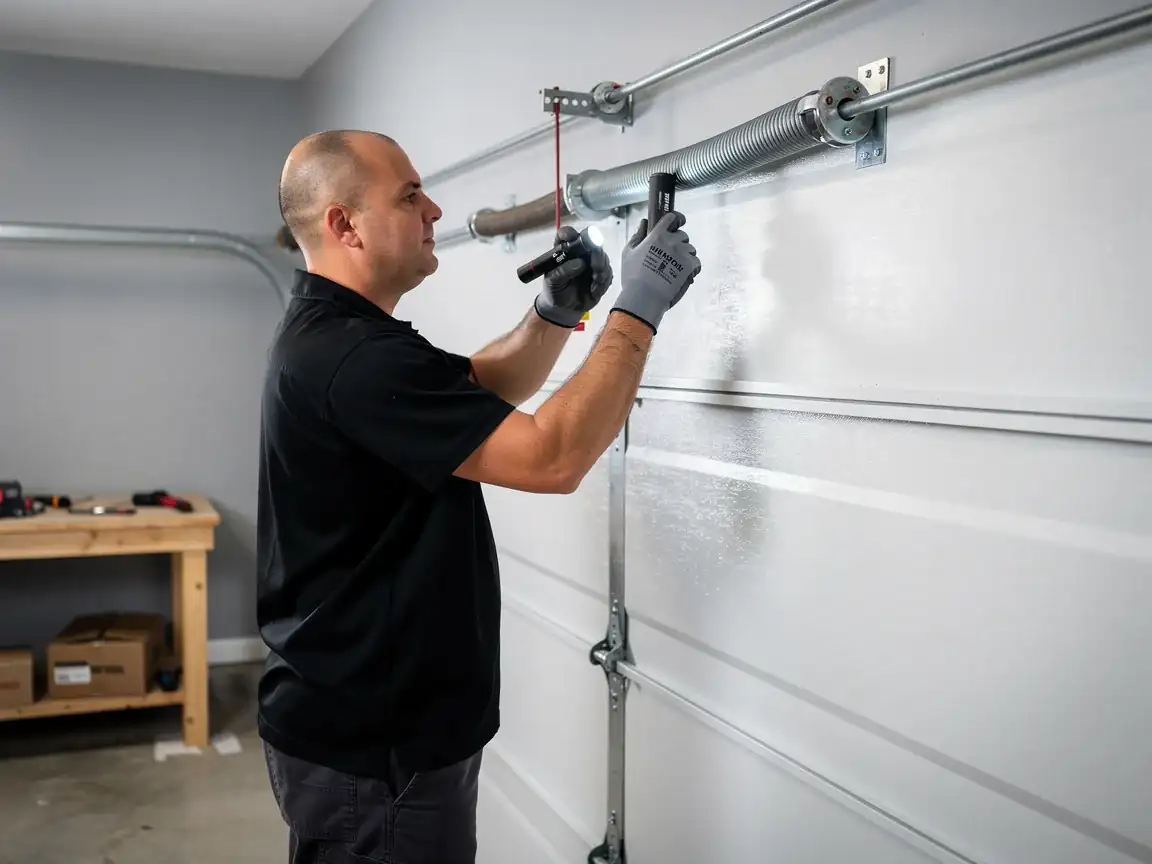
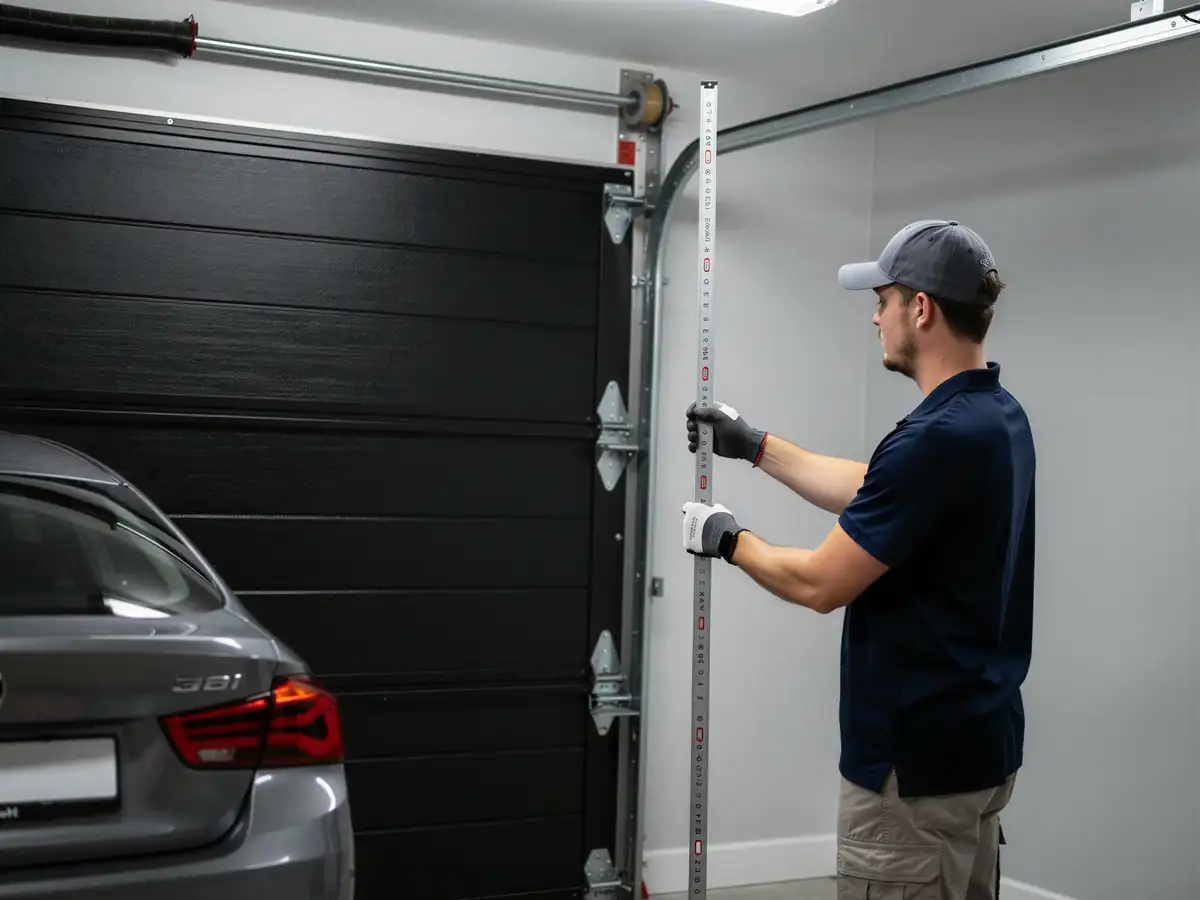
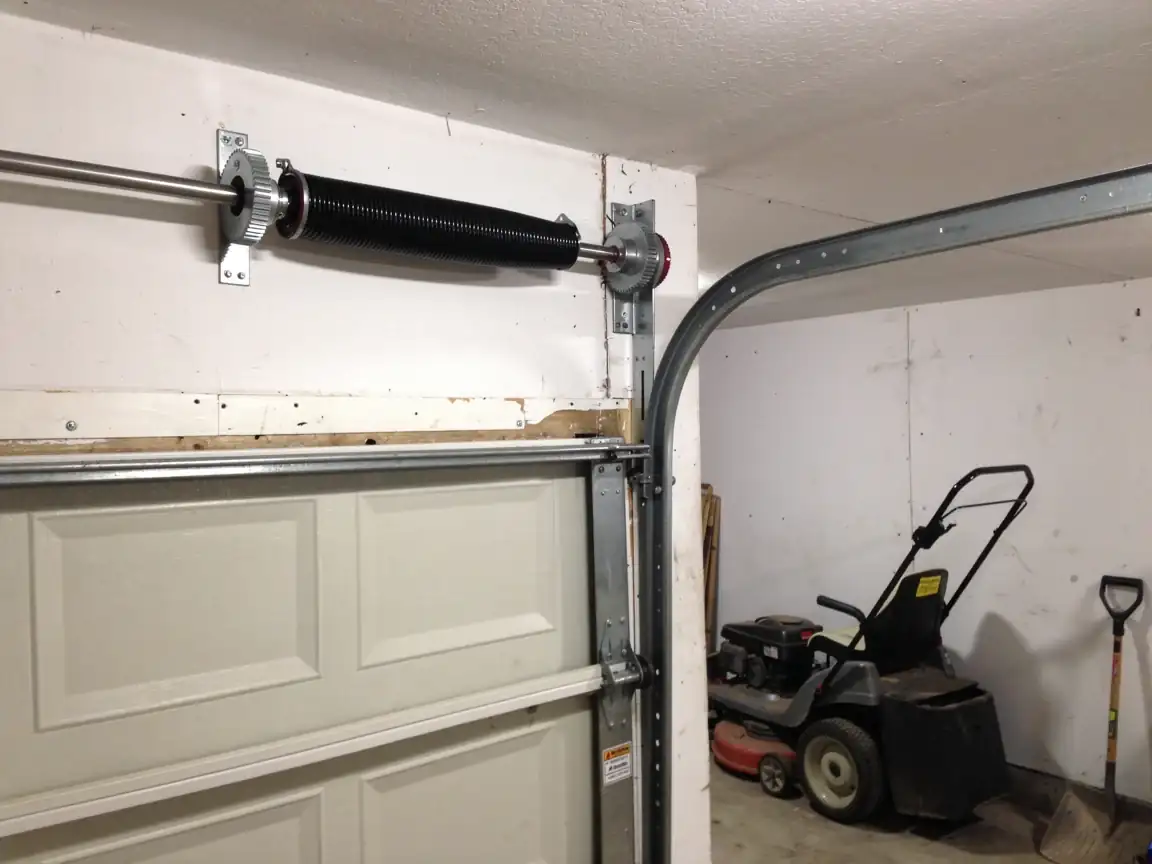
Where it gets risky is the top roller on either side of the door, right next to the bent tracks and close to a loaded torsion spring. That's not a DIY repair - a spring under tension can take a finger off, and we mean that plainly. If your door is still on its original 1960s or 70s hardware, the track itself may be narrower than what current rollers are sized for, and a part that doesn't match the track will bind worse than the one you pulled out.
Our honest limit here: we don't talk anyone through torsion-side work over the phone, and we won't sell you a spring kit at the counter. If the job stops at the bottom rollers on a door that still travels straight and square, it's a fair weekend project. If the door's been leaning, grinding, or dropping off the track even once, that's a service call, not a tutorial.
The Symptom
The giveaway is noise that wasn't there last year
A grinding or rattling right as the door starts to move, usually loudest at the second or third roller up from the floor. You'll also see it: a roller wobbling loose in its track, a stem bent sideways, or a chunk of nylon missing off the wheel. Some doors jump the track entirely on one side, usually the side that gets more sun or more cold depending on which way the garage faces.
On older steel rollers, the bearing dries out first and the wheel stops spinning freely
So it starts dragging and flattening against the track instead of rolling through it. That flat spot is permanent once it forms. A door that used to glide now shudders, and the opener motor works harder to pull it up, which is often the first thing people notice - a slower, louder open than the one they remember.
Why It Happens Here
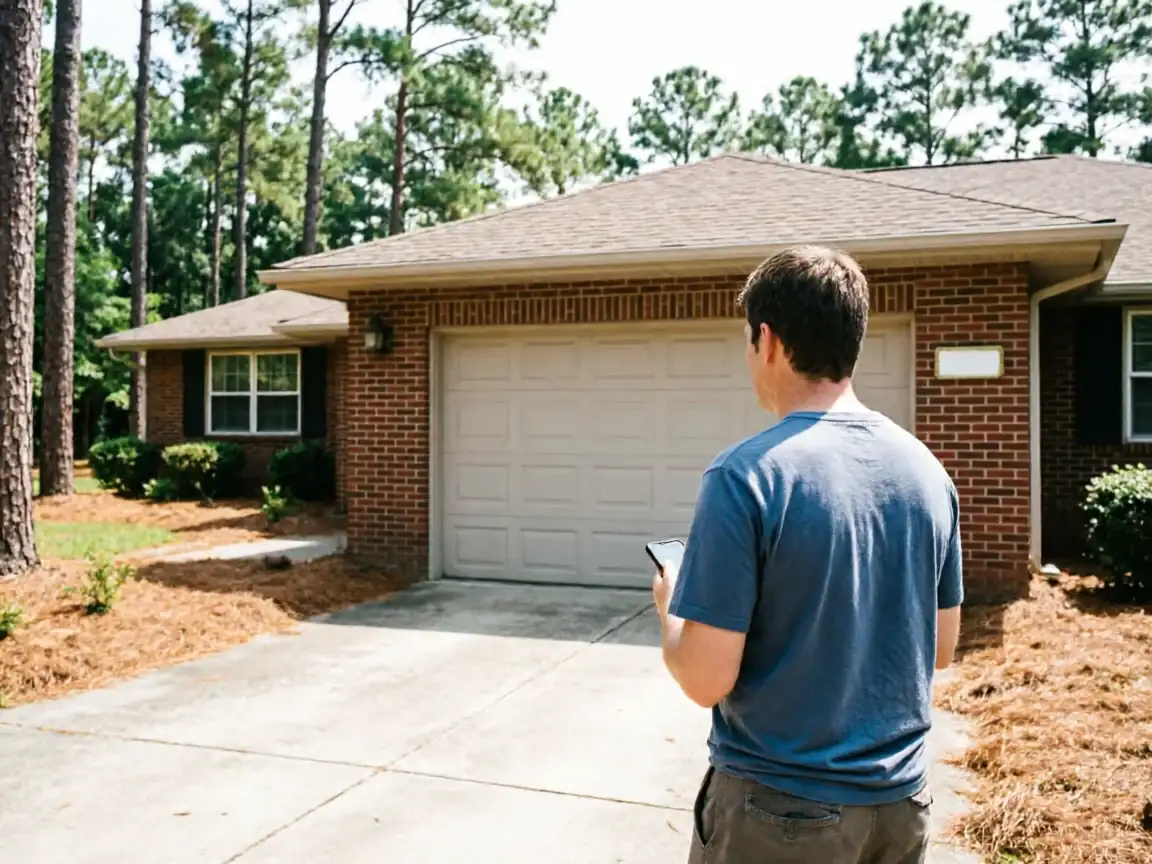
Most of the housing across this service area went up between 1957 and 2001, with the bulk of it dating to the 1960s and 70s. Rollers on doors that age are original steel, unsealed, and never built to run forty-plus years without replacement - they were a ten-to-fifteen-year part on a house that's now pushing six decades.
The cold-moderate climate here adds its own wear. Winter mornings shrink the nylon or dry out the lubricant on steel rollers overnight, so the first open of the day is the roughest one - cold grease, a stiff bearing, and a door that's been sitting still for eight hours. That daily hot-to-cold cycle is harder on a roller than steady weather would be, because the metal and the bearing grease expand and contract at different rates every single day, not just in a hard freeze.
Across the roughly 6,489 owner-occupied houses in this service area, the pattern repeats: a house built in that same 1960s-70s window, original hardware, and rollers that have simply outlasted their design life. It's not bad luck - it's the age of the stock matched against the daily temperature swing.
How Long It Takes
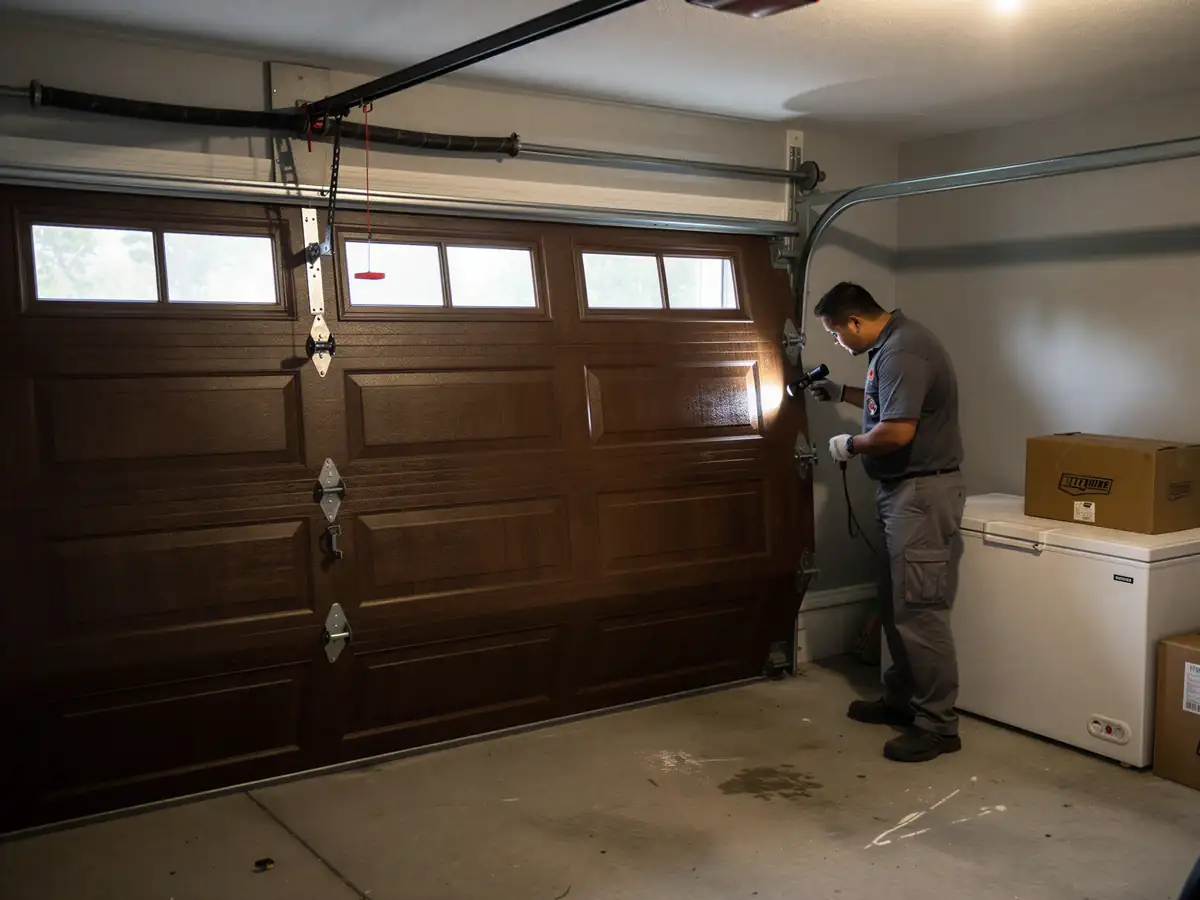
A straight roller swap, all ten rollers on a standard double door, usually runs under an hour once a tech is on site - there's no spring work involved if the torsion system is sound. Add time if a bent track needs to be straightened or replaced alongside the rollers, which is common once a roller has been grinding in one spot long enough to deform the rail.
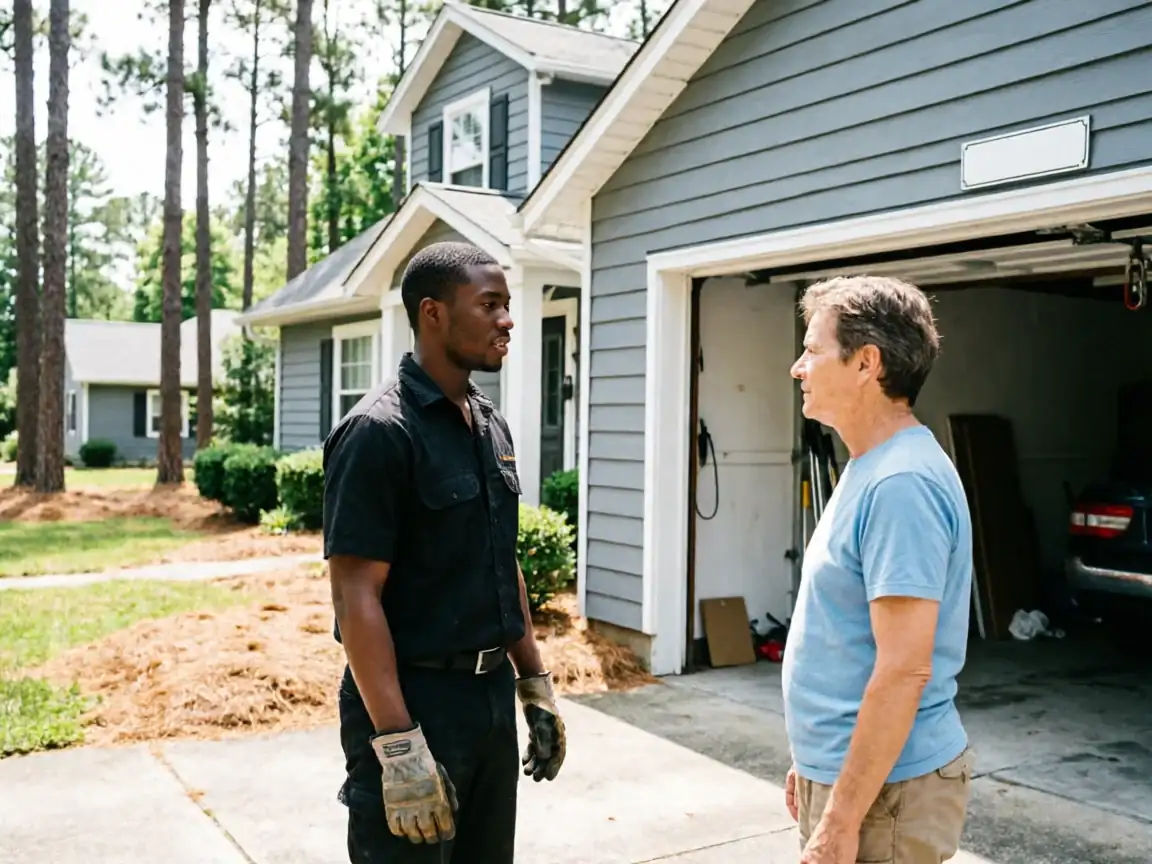
We price the job by what's actually worn, not a flat rate, and on a median household income of $52,799 across the area, most owners want to know upfront whether it's a roller-only fix or a track-and-roller job before we start. We'll tell you which one it is before any tools come out.