What We Will Not Take On
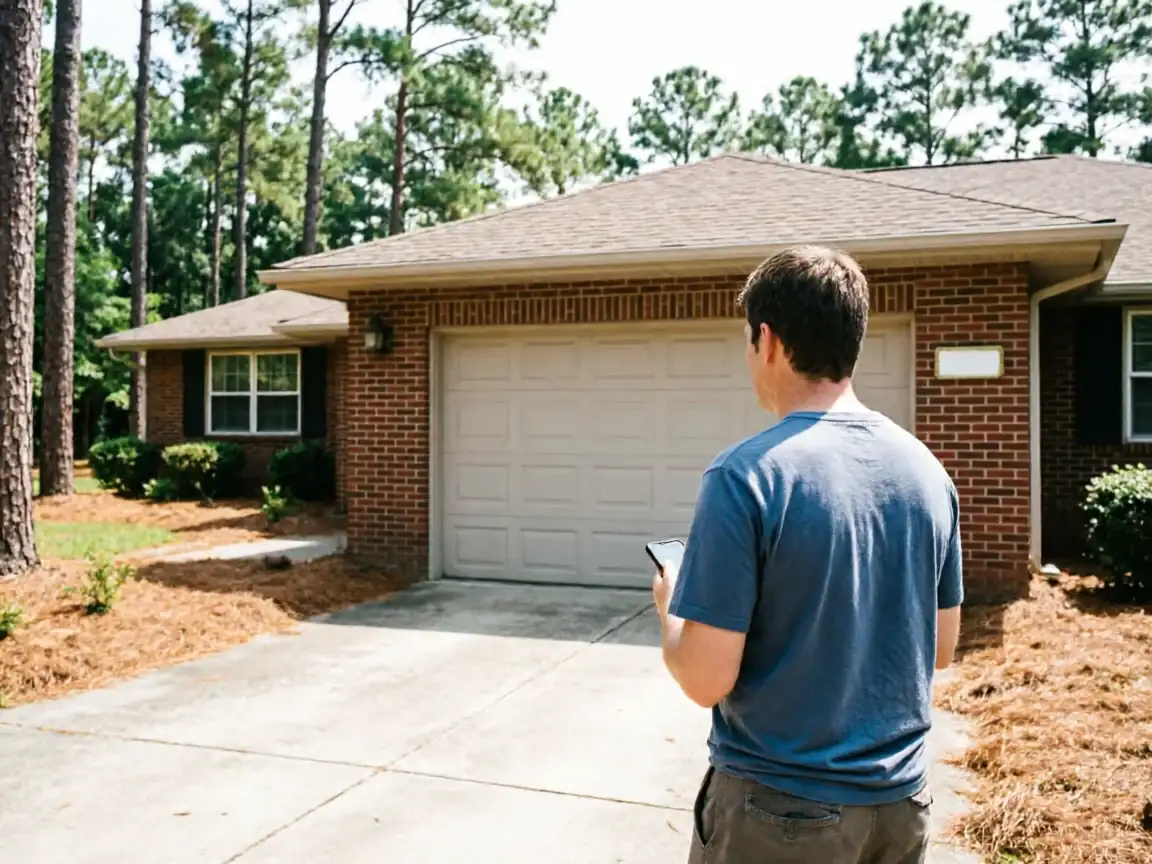
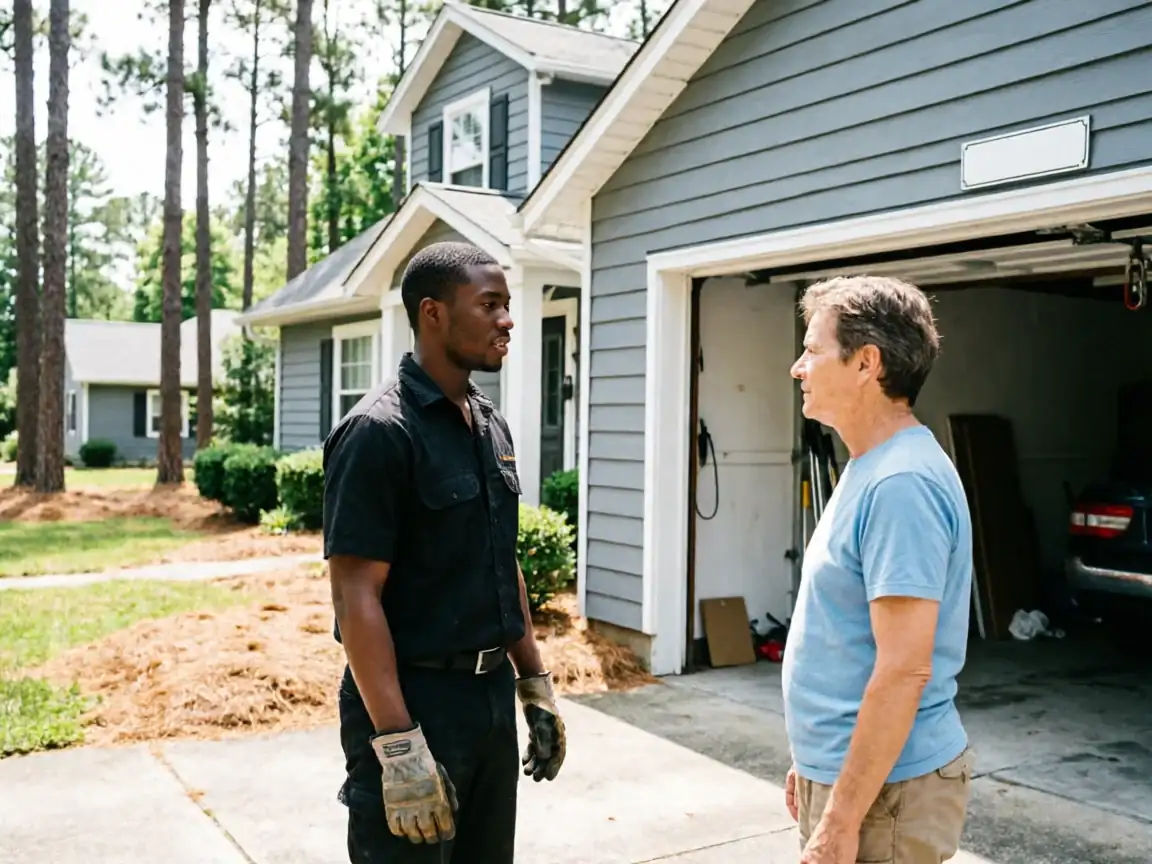
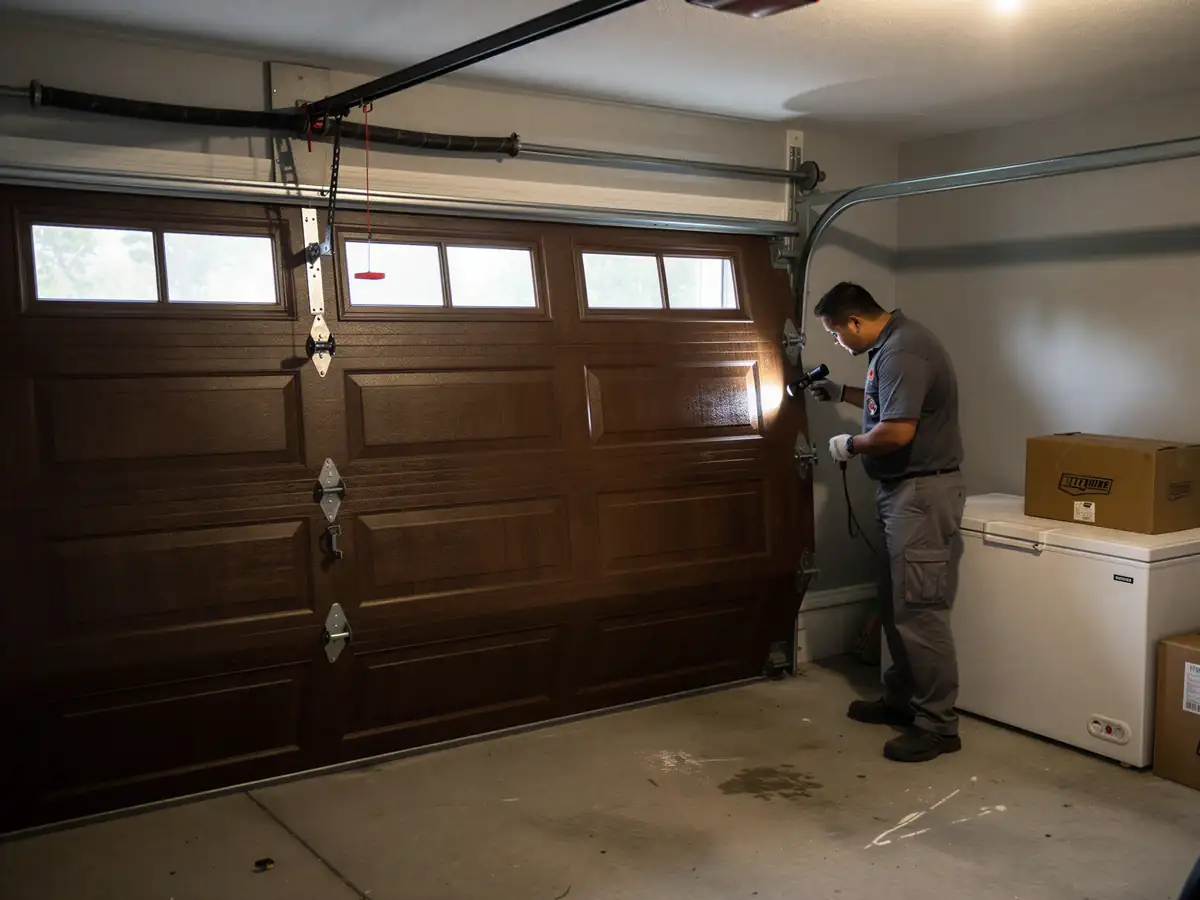
We run out of Rome, 17 miles from Summerville, so there's no counter to walk into and no same-day drop-in the way a shop based in town could offer. If you need a part right now because a cable snapped on a Sunday evening, we'll tell you straight whether we can get there before dark or whether it's a next-day call.
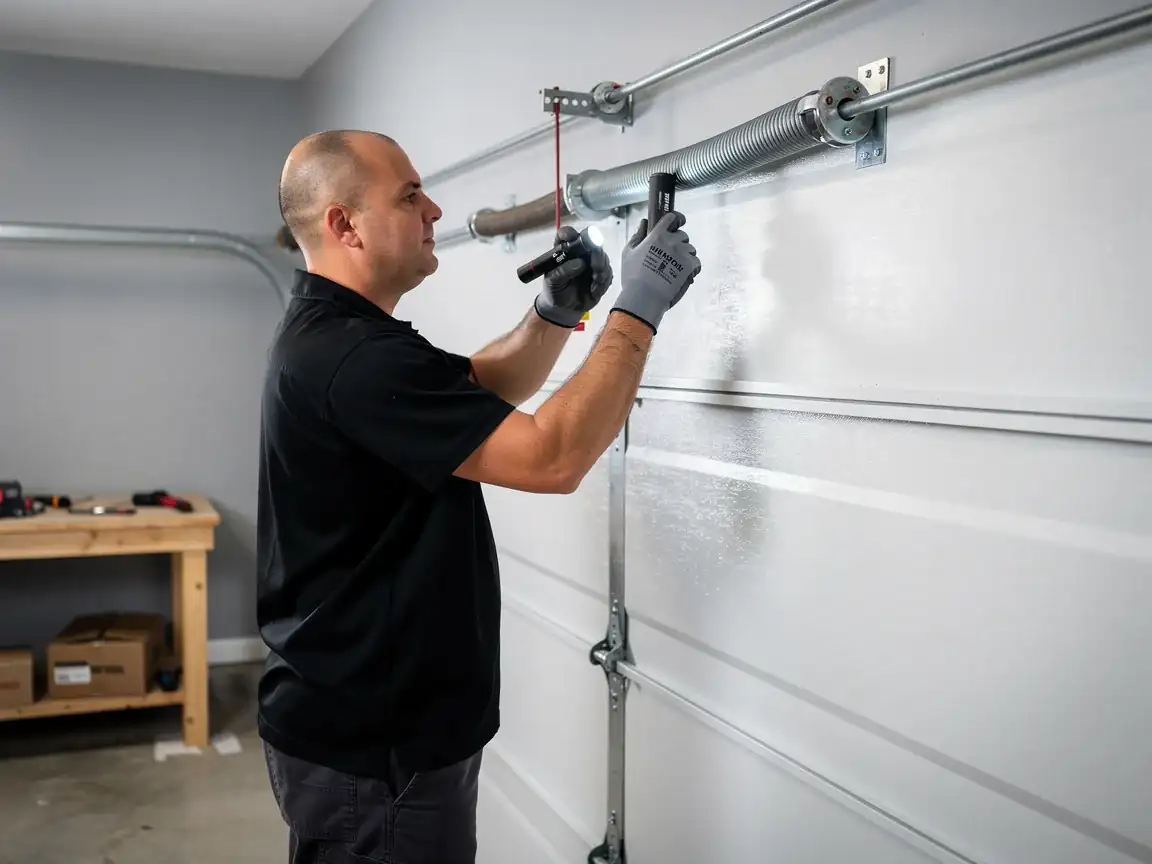
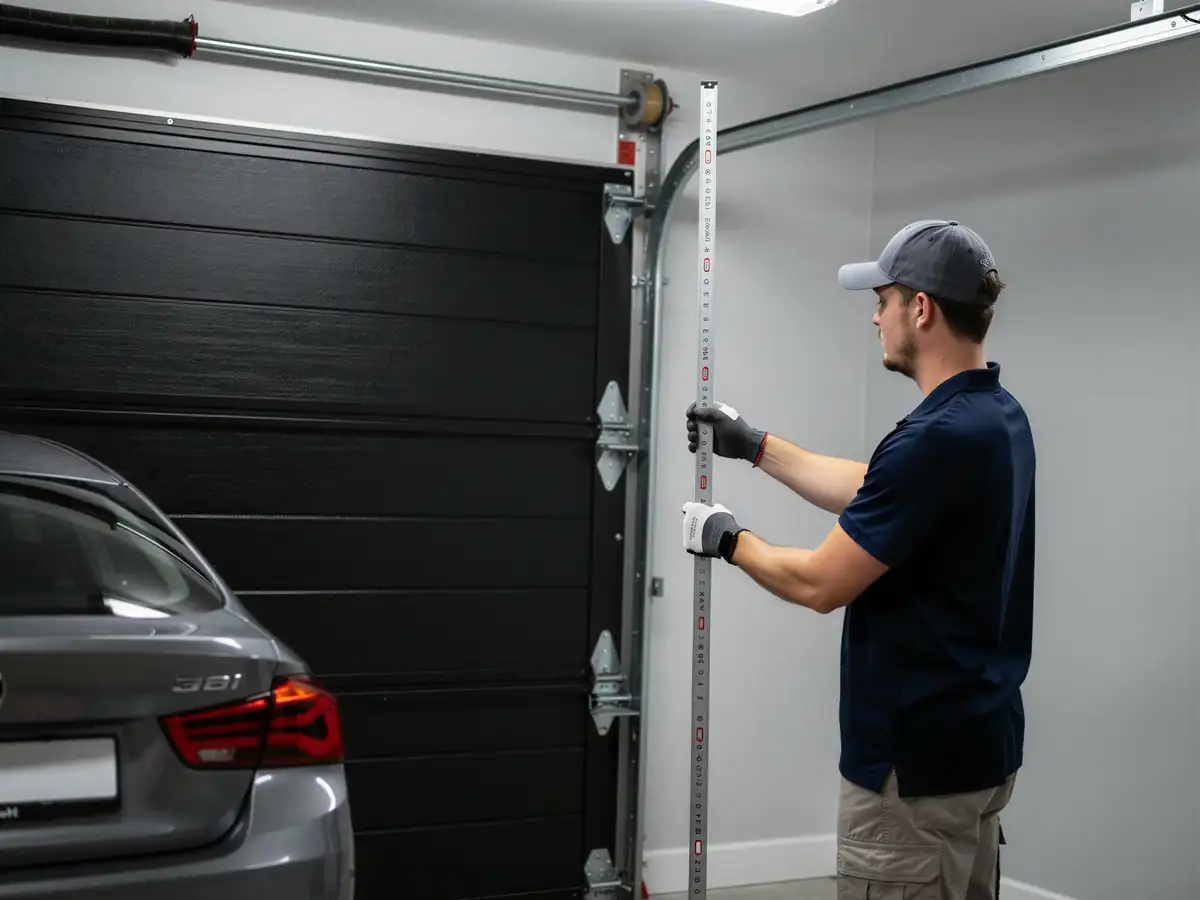
We also won't quote a torsion spring size over the phone on a door we haven't seen. Summerville's housing runs older than a lot of newer subdivisions, and a lot of these doors have been through at least one hardware swap by a previous owner or handyman. Guessing the wire size on a spring that's already mismatched to the door weight is how you end up with a cable that snaps again in six months. We measure it in person.
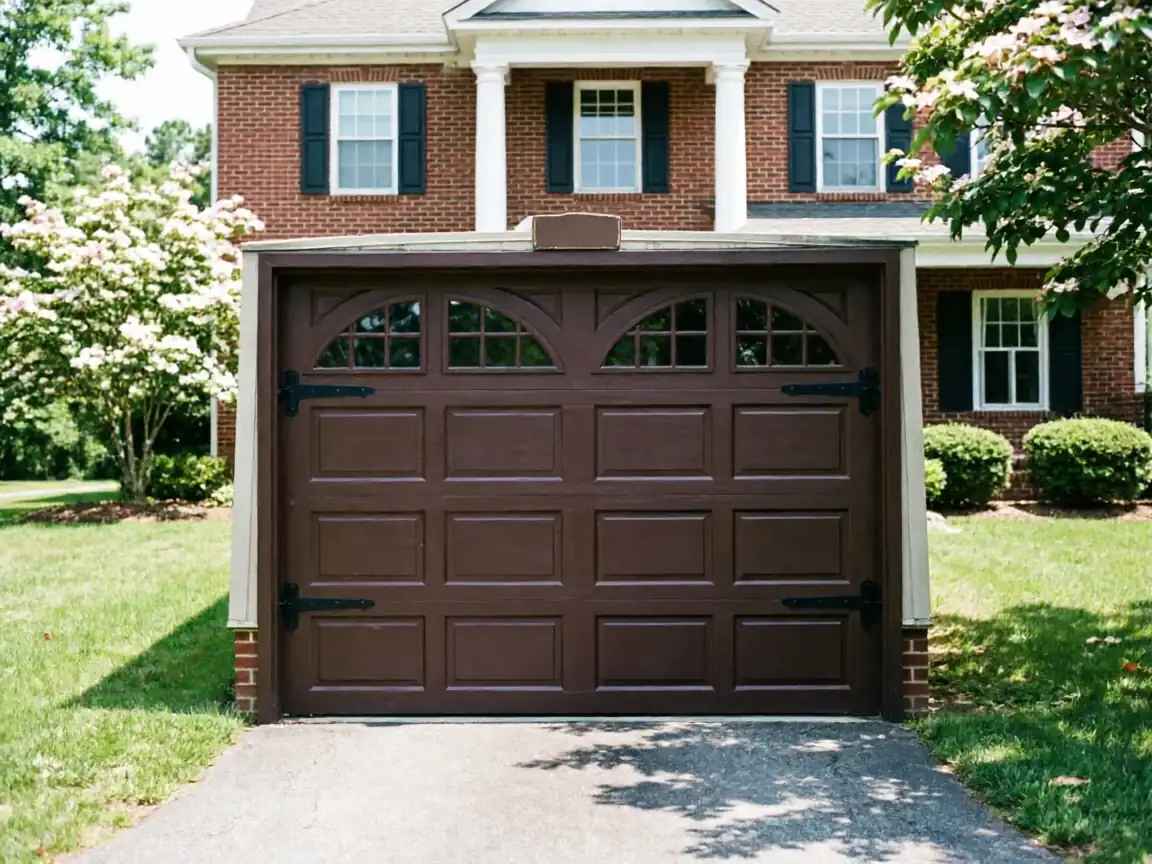
Last thing: if a wood panel door has gone soft from rot at the bottom rail, we're not going to patch it with filler and call it fixed. On a door that old, that's a panel replacement or a full door swap, and we'll say so instead of selling a repair that won't hold through another winter.
What Neighbours Usually Call About
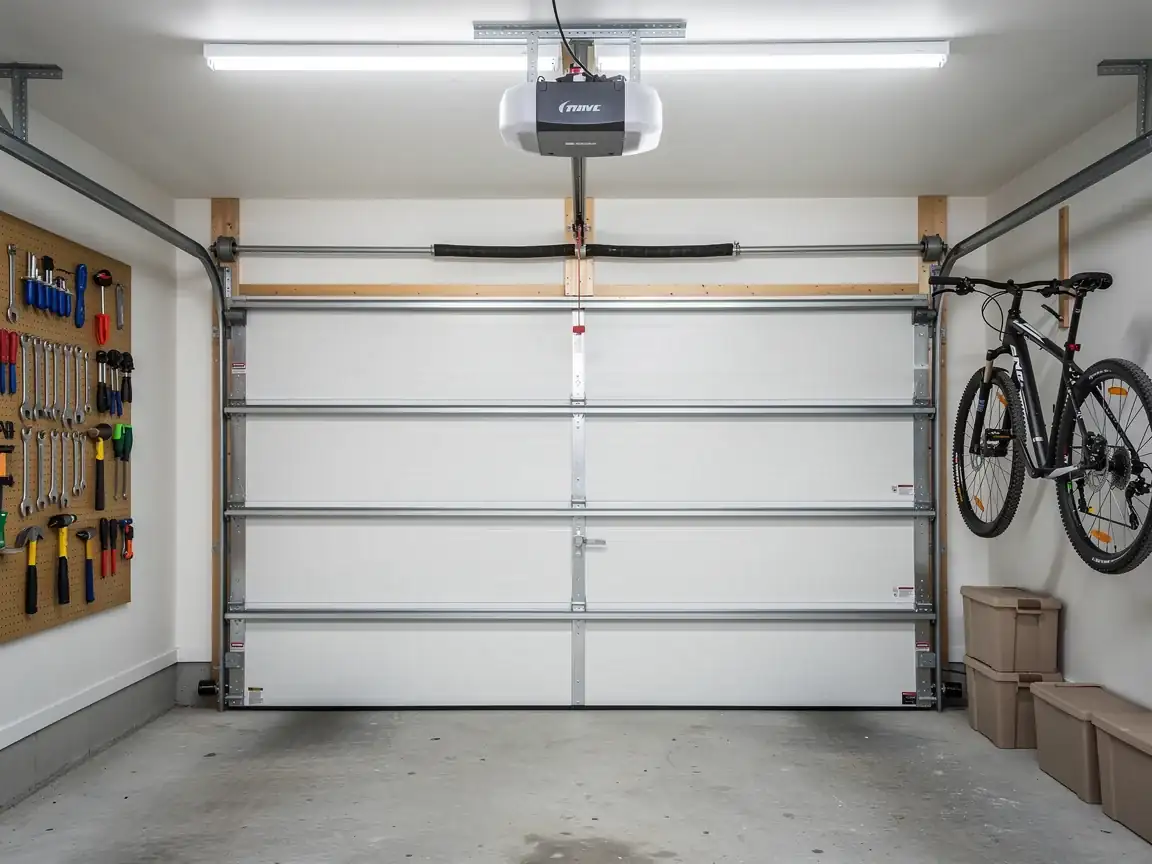
Most of the calls we get from this side of things are torsion springs that have simply worn out from age
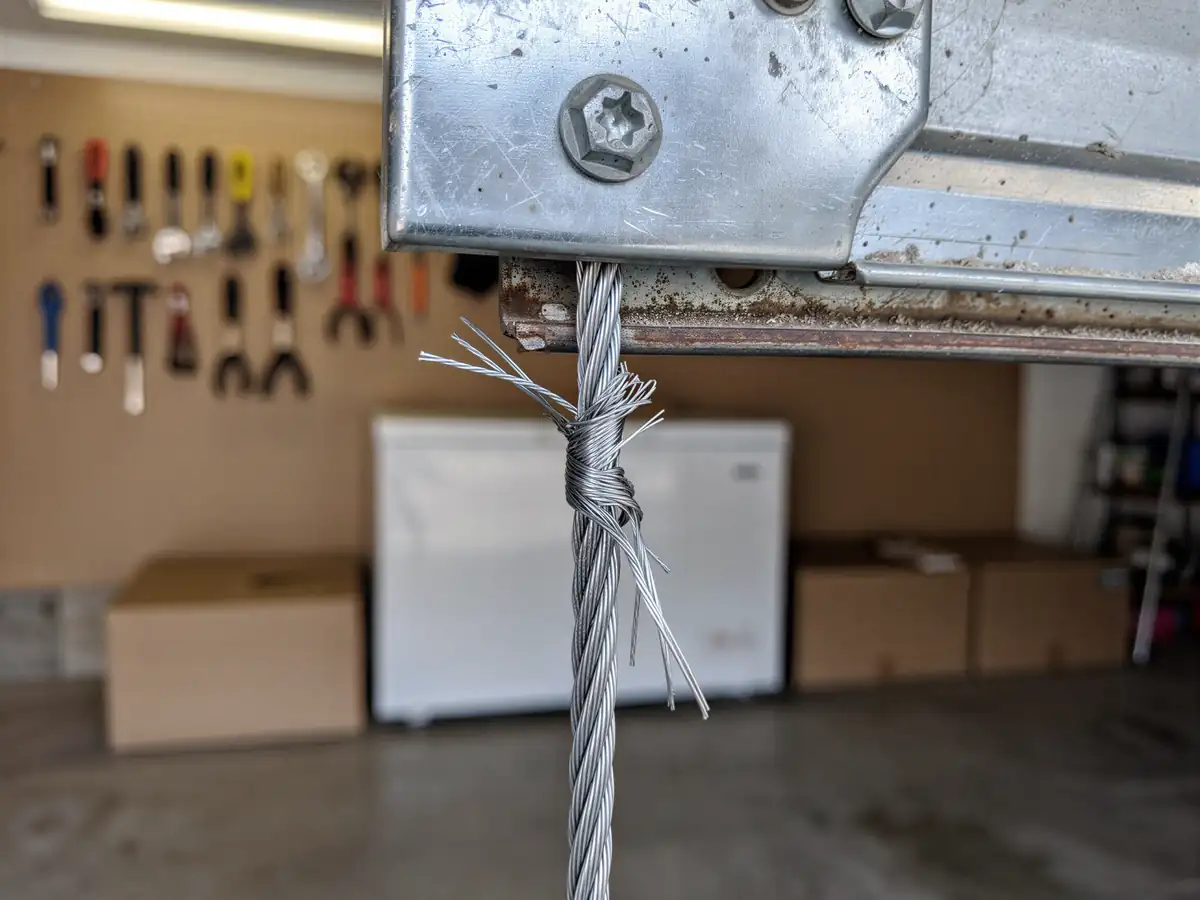
Not from one bad break. A spring rated for a few thousand cycles, installed when the house was built, has been through decades of openings. By now a lot of them are near or past that number, and they go without much warning - a loud bang, then the door won't lift past a foot off the floor.
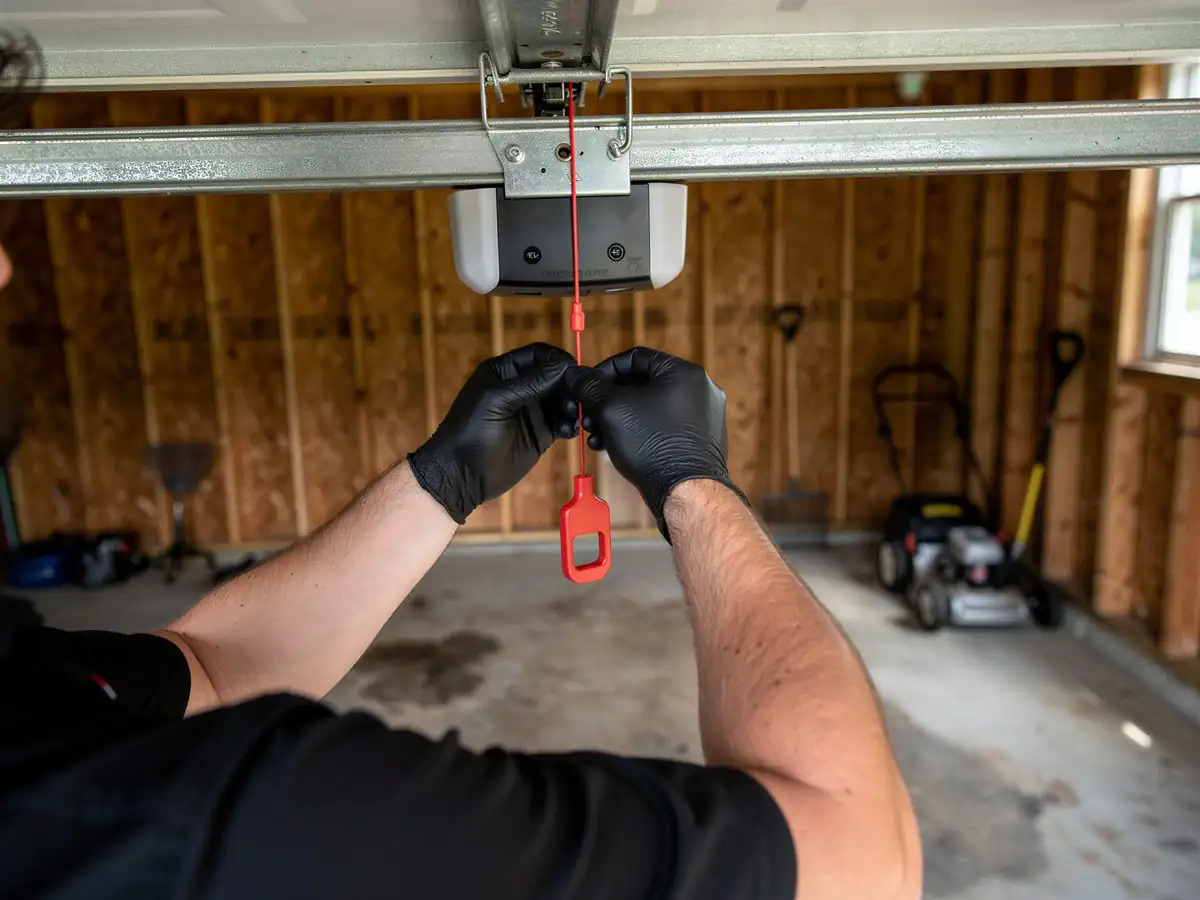
We also hear from folks whose chain-drive openers are starting to grind or who've had the opener just quit mid-cycle
On houses from this era, the opener itself has often been replaced once already, sometimes with a unit that doesn't match the door's weight or track angle, which shows up as the door reversing for no clear reason.
Rollers and hinges on steel doors from the 1970s and 80s are the other common one
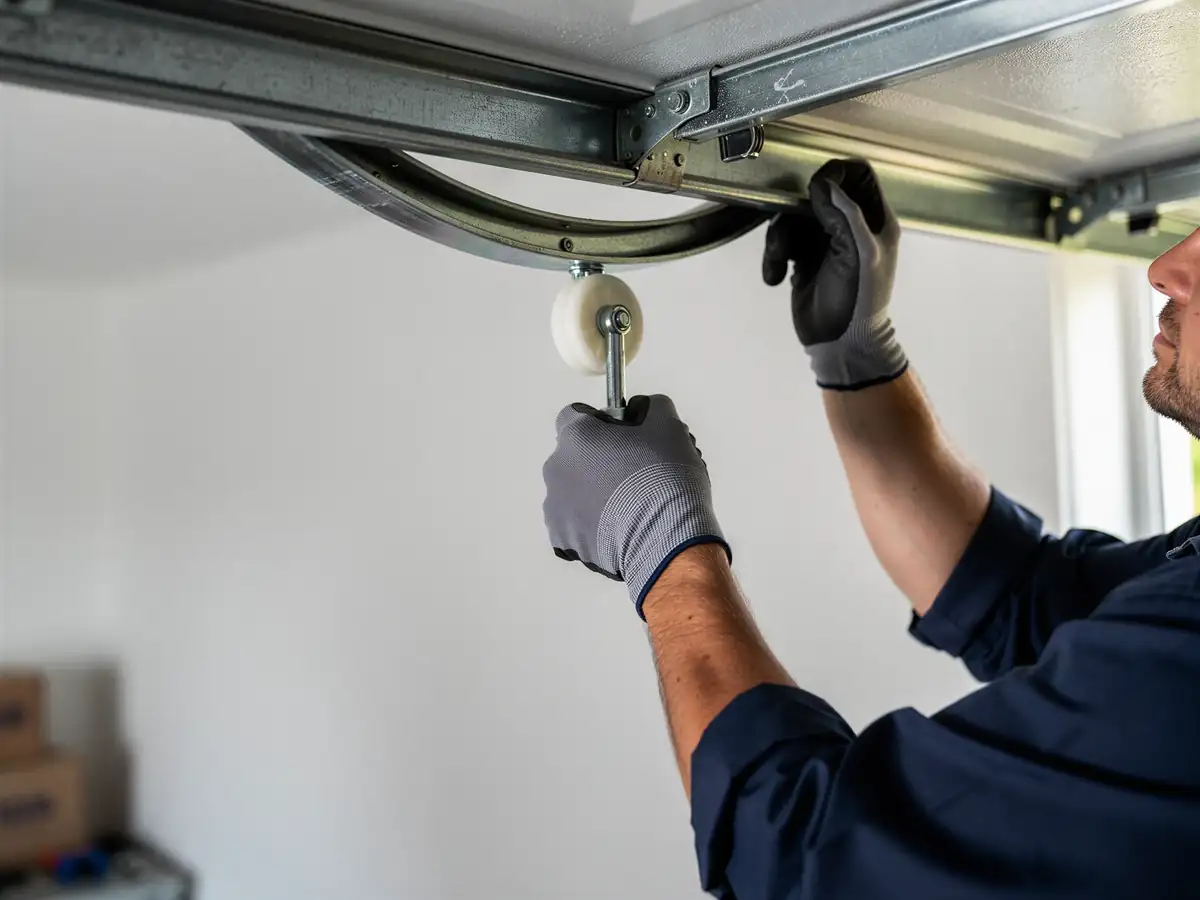
Metal rollers that have worn their track grooves wide, making the door loud and a little rough at the top of the run. None of this is unusual for a door that old. It's just wear, and it's fixable without replacing the whole unit most of the time.
This Area's Housing
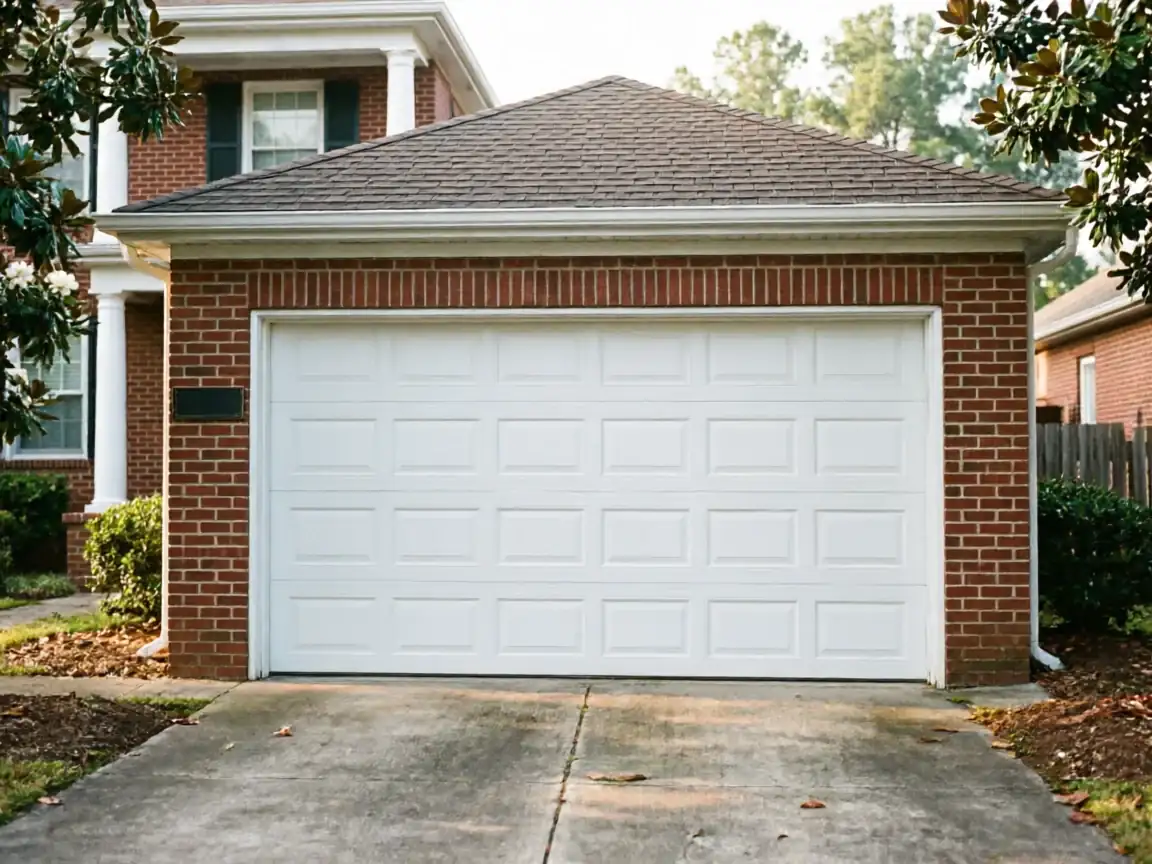
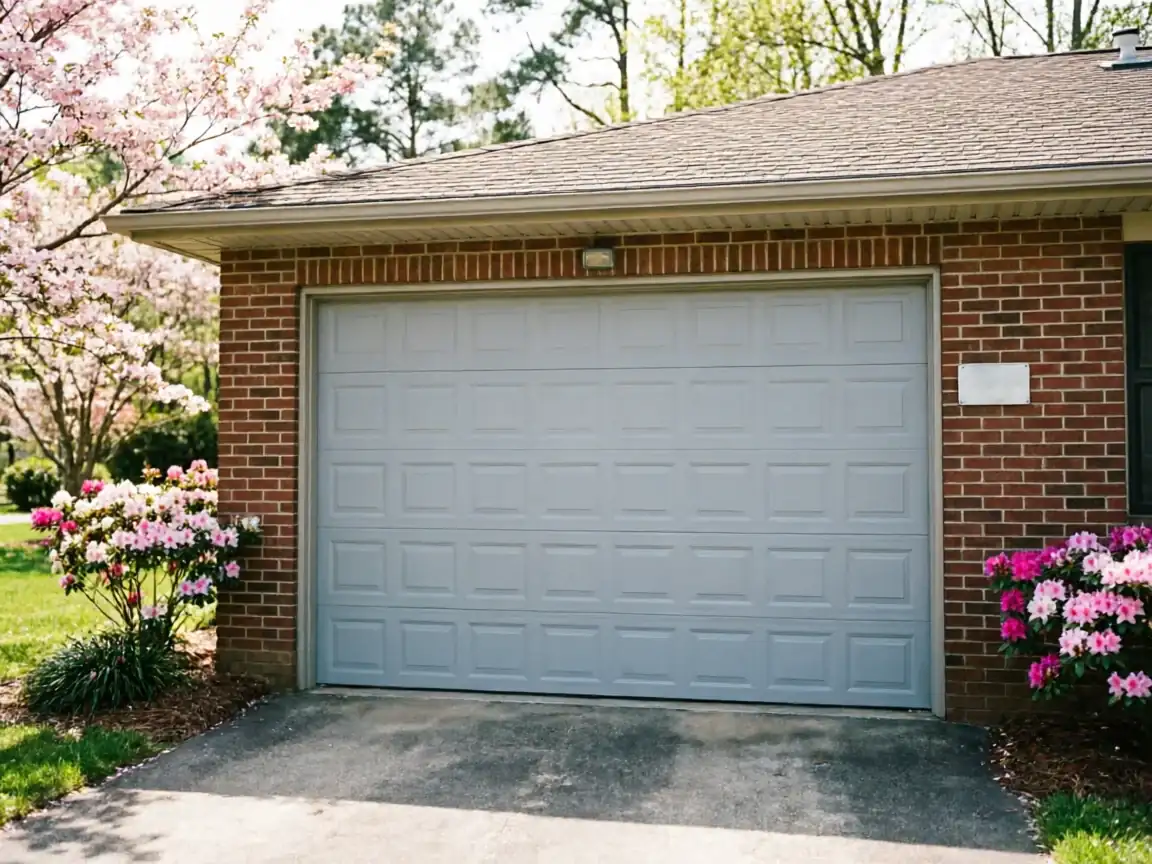
Summerville's housing stock centers on a median build year of 1974, which puts most of these homes squarely in the era of steel sectional doors on extension or early torsion hardware rather than the one-piece wood doors from earlier decades. There are roughly 2,012 households in this area, and the median household income runs around $31,429 - lower than some of the other towns in this part of the county, which tends to mean more owners are holding onto an original door and opener longer rather than replacing on a schedule.
The climate here falls into a cold-moderate band, which matters more for garage doors than people expect. Winters bring enough cold and damp to stiffen old lubricant in bearings and rollers, and enough freeze-thaw cycling to work loose fasteners on track brackets that were torqued down fifty years ago. None of that shows up as a dramatic failure - it shows up as a door that's gotten noisier and slower to respond every year, until one day it doesn't respond at all.
What the Housing Means for Your Door
With a median build year of 1974, a lot of Summerville garage doors are original steel sectional units on hardware that's never been upgraded - older torsion springs, sometimes a single spring on a double-wide door that really should have two, and track brackets mounted with lag screws into framing that's shifted a little over fifty years.
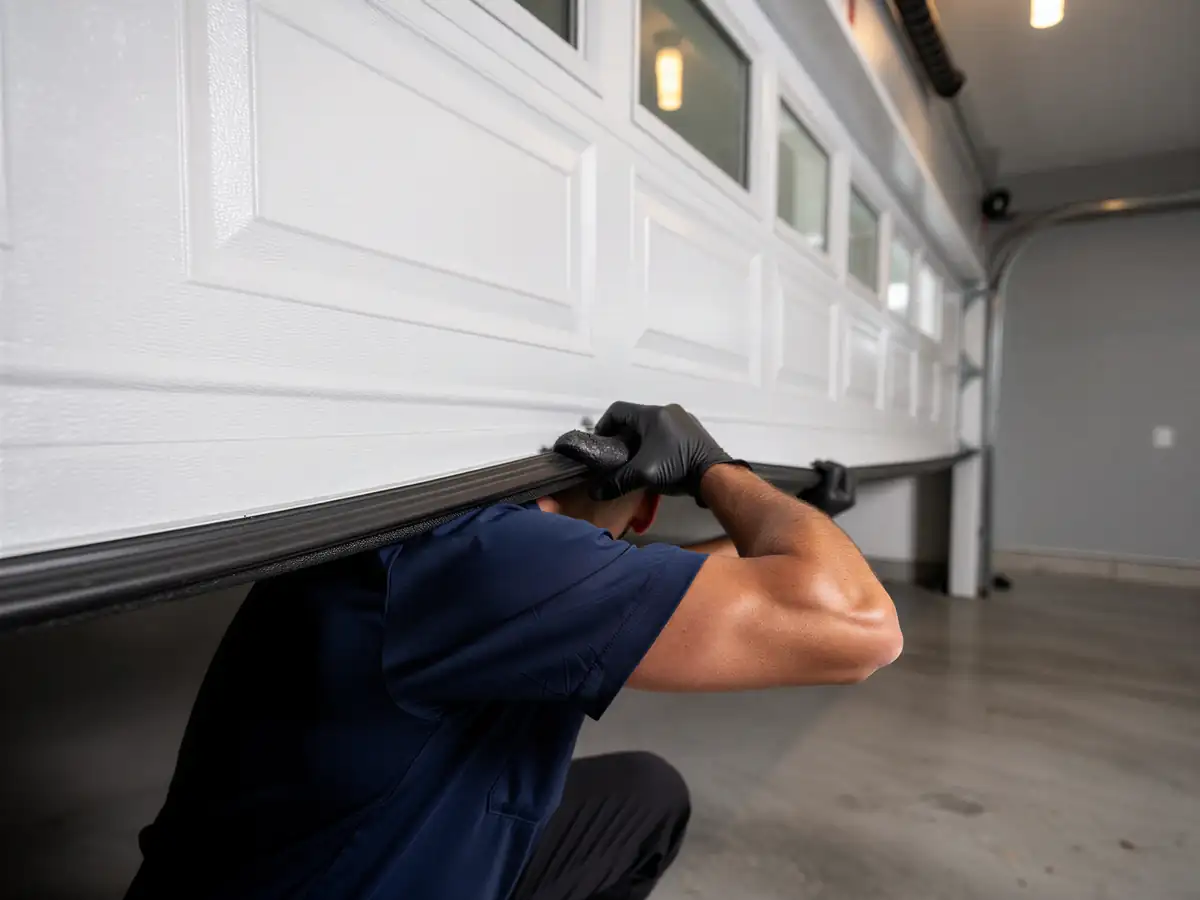
That combination means a few things when something goes wrong. First, torsion spring replacement on these doors often means also replacing the center bearing plate, since the original one has usually worn oval rather than round. Second, the cold-moderate climate here means weatherstripping on a door this age is almost always original and brittle, which lets in more cold air and moisture at the bottom seal than most owners realize until they feel the draft in the attached garage.
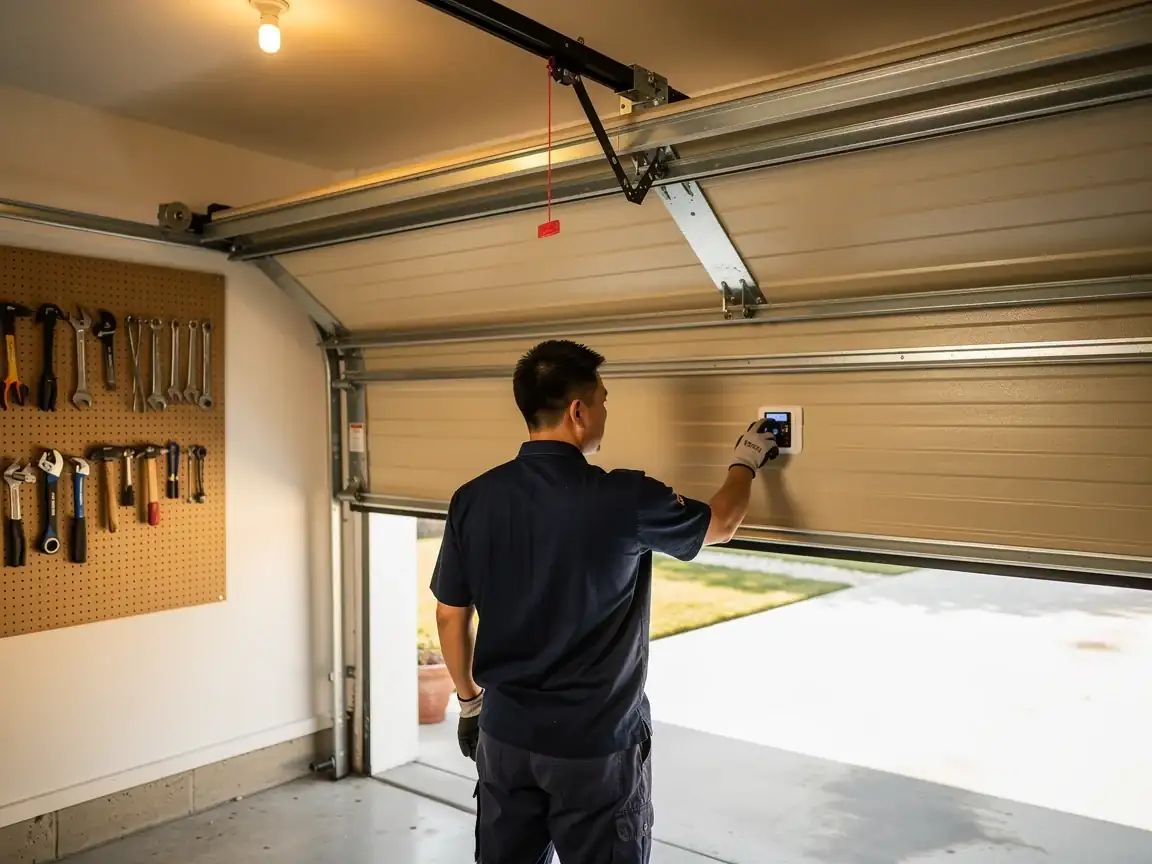
Third, chain-drive openers from an earlier replacement cycle are reaching the point where the motor or logic board goes before anything mechanical does - that's a different repair than a spring job, and it's worth knowing which one you're dealing with before you call. We check the door itself before touching the opener, since a misadjusted door can make a healthy opener look like it's failing.