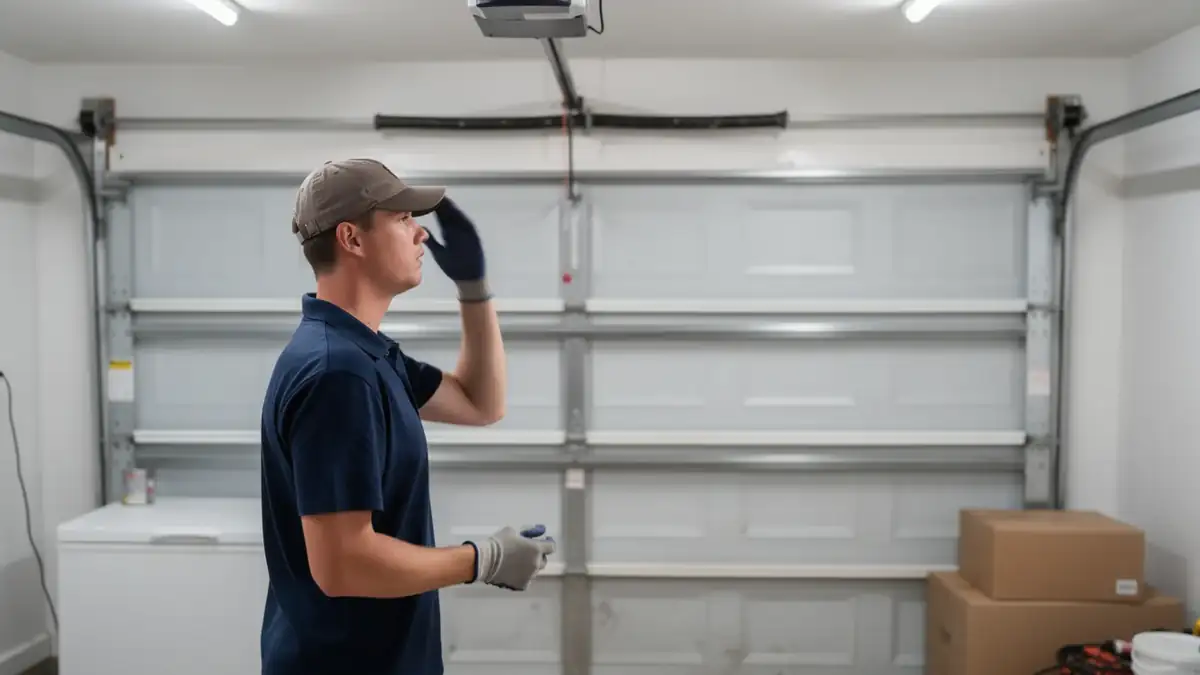
Leaving It Alone
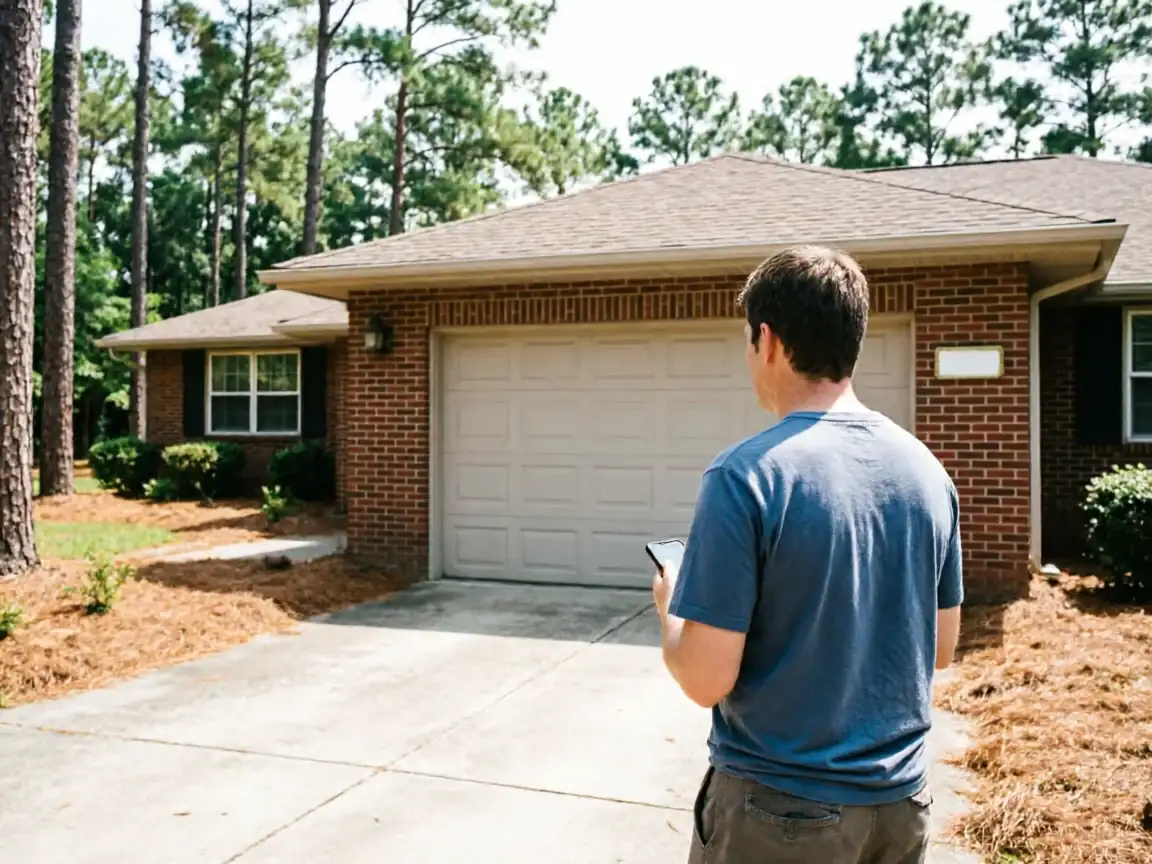
Most of the garage doors we see in Rome are original to houses built between 1957 and 2001, with the bulk going up in the 1960s and 70s. That matters because a door installed in 1968 is pushing sixty years of cycles on the same hardware, even if someone swapped the opener along the way. A lot of owners hear a new sound - a scrape on the way up, a pop halfway down - and file it under "the house makes noise, old houses do that."
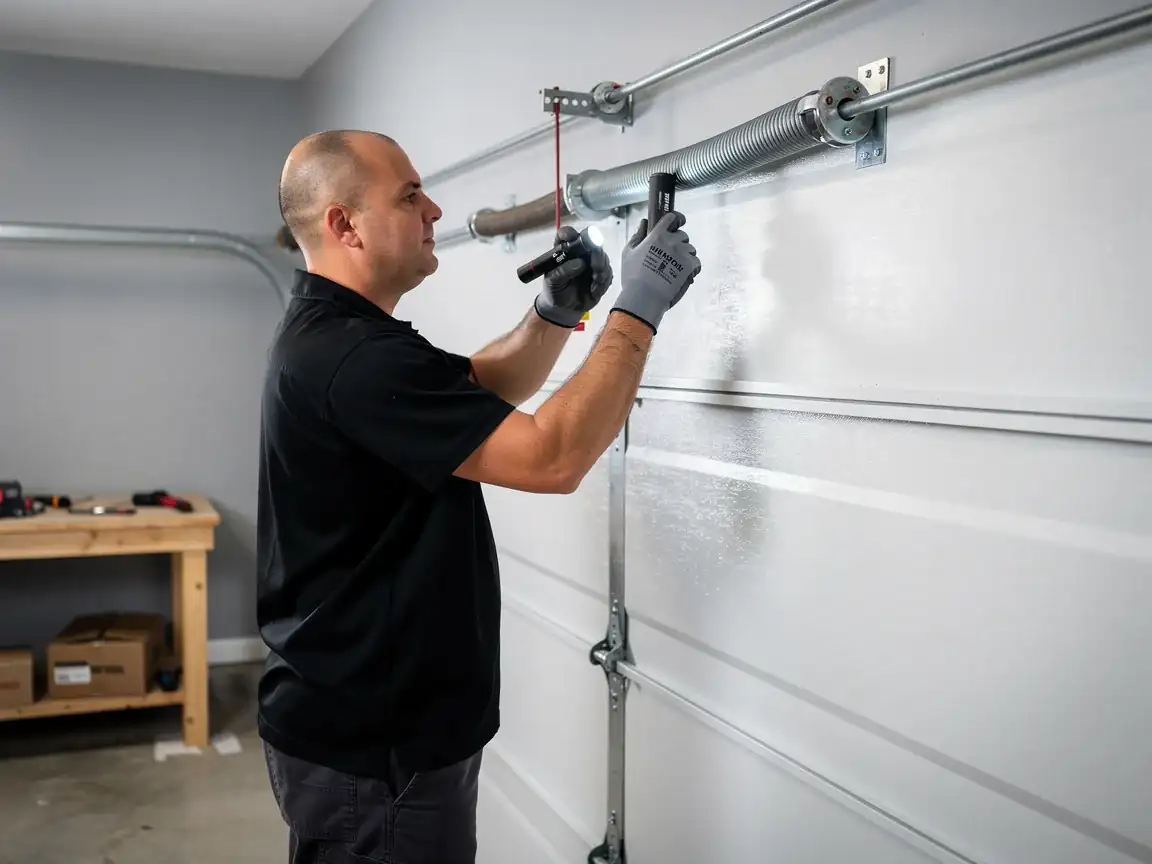
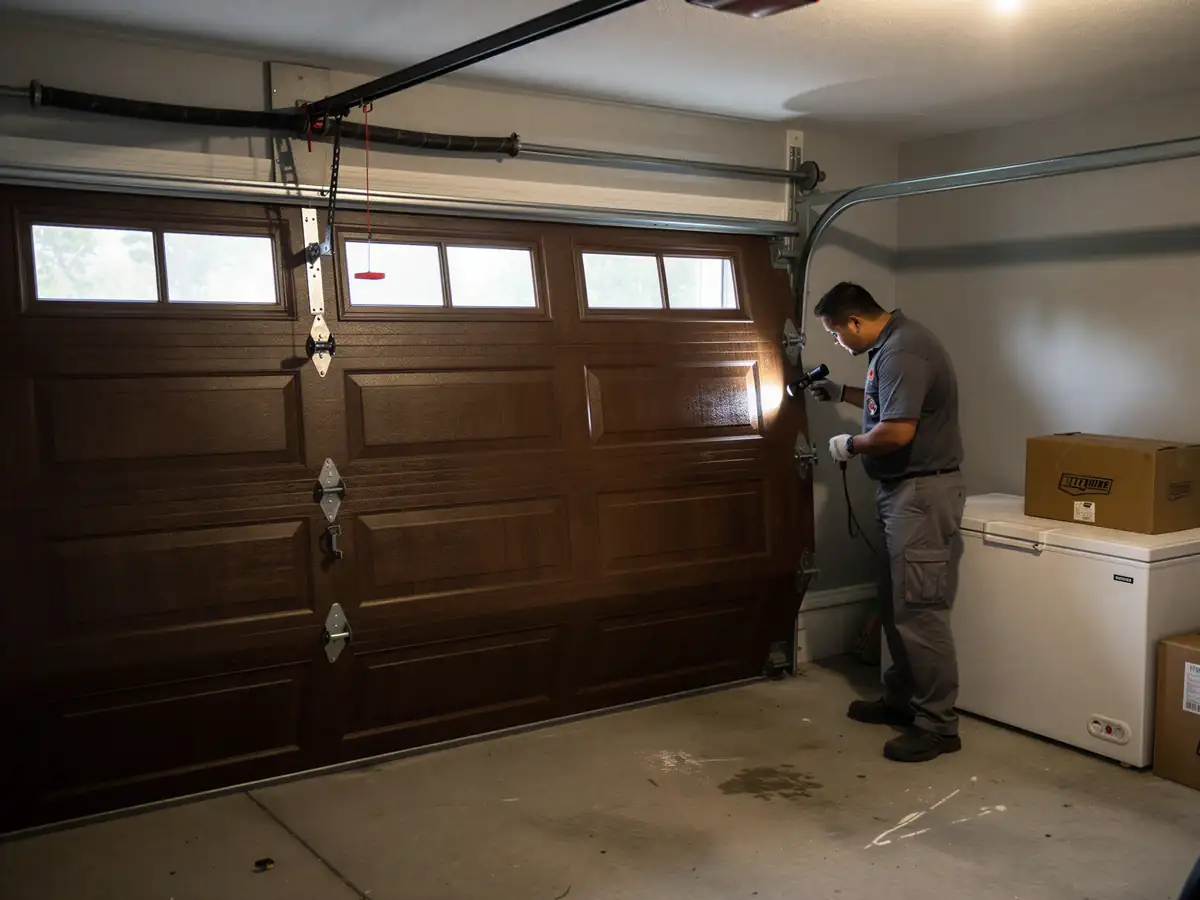
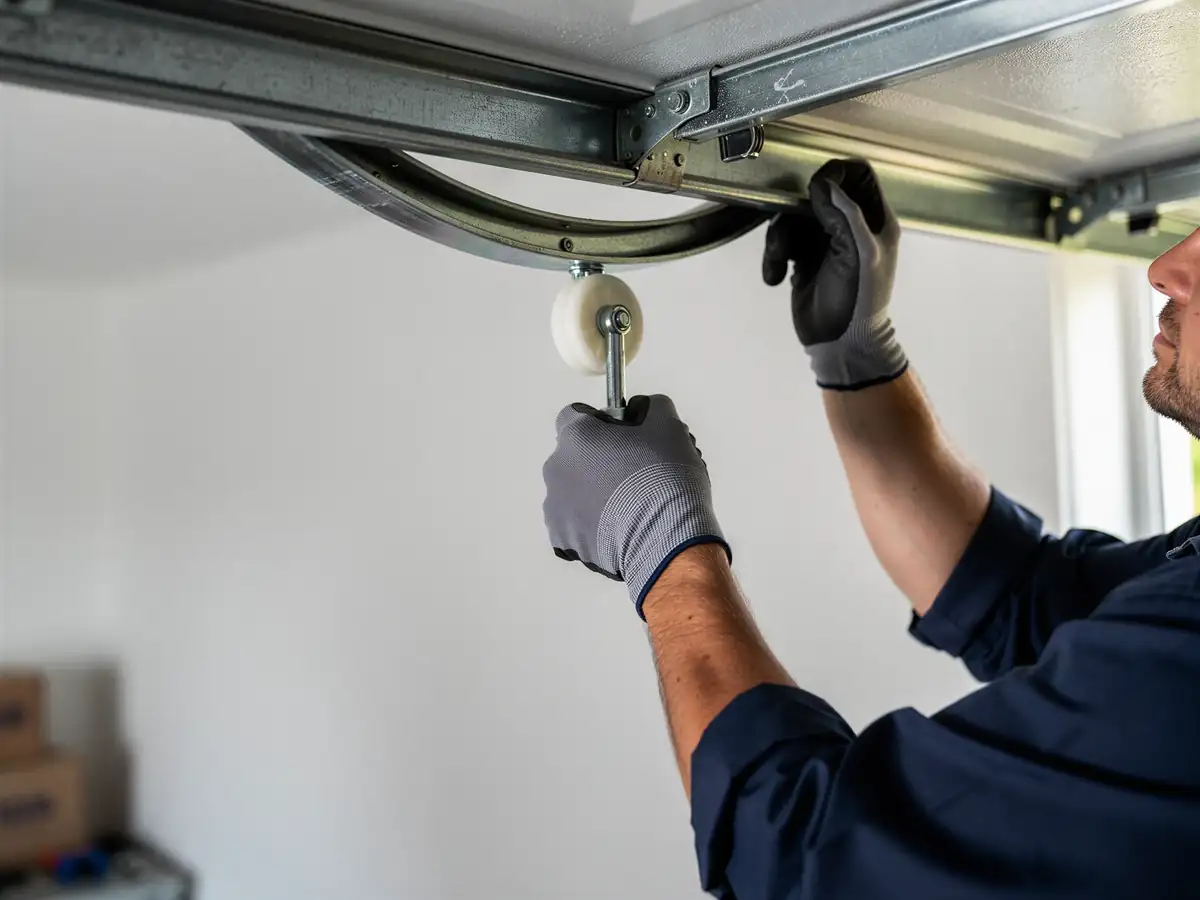
They don't. Not without a reason. A torsion spring losing temper sounds different from a roller riding a bent track, and both sound different from a cable starting to fray at the drum. Across the nine areas we work in around Rome, the same 1960s-70s stock shows up again and again, and the noises that mean something are rarely subtle once you know what you're listening for. Ignoring a new sound on a door this age isn't thrift, it's betting that a thirty-pound spring under tension will fail on its own schedule instead of yours. Sometimes that bet is fine. Sometimes it's a door that comes down wrong with a car underneath it.
What Local Conditions Do
Rome sits in a moderate cold climate band
Which means the hardware on these doors goes through real swings - not the brutal freeze-thaw of further north, but enough temperature change across a year to work on steel and lubricant both. Grease that was fine in July turns stiff by January, and a track that was square in warm weather can tighten just enough in cold to make a roller chatter instead of roll.
On houses from the 1960s and 70s stock that dominates this area, that cycle has been running for fifty-plus years
Which is longer than any factory lubrication or factory spring was built to last. The moderate-cold pattern doesn't destroy a door the way a harsher climate would, but it does mean seasonal noise changes are normal and worth paying attention to rather than normal and worth ignoring. If a door only groans on the first cold morning after a warm stretch, that's usually lubrication, not damage. If it groans every time, that's wear.
When It Stops Being a DIY Job
Median household income across our service area runs $52,799, and we get why a lot of owners start with a tube of white lithium grease and a YouTube video before calling anyone. That's the right first move for a squeaky hinge or a dry roller. It is not the right move for a torsion spring, a cable, or anything that's actually holding the door's weight against gravity - those parts are under enough tension to put someone in the hospital if they let go wrong.
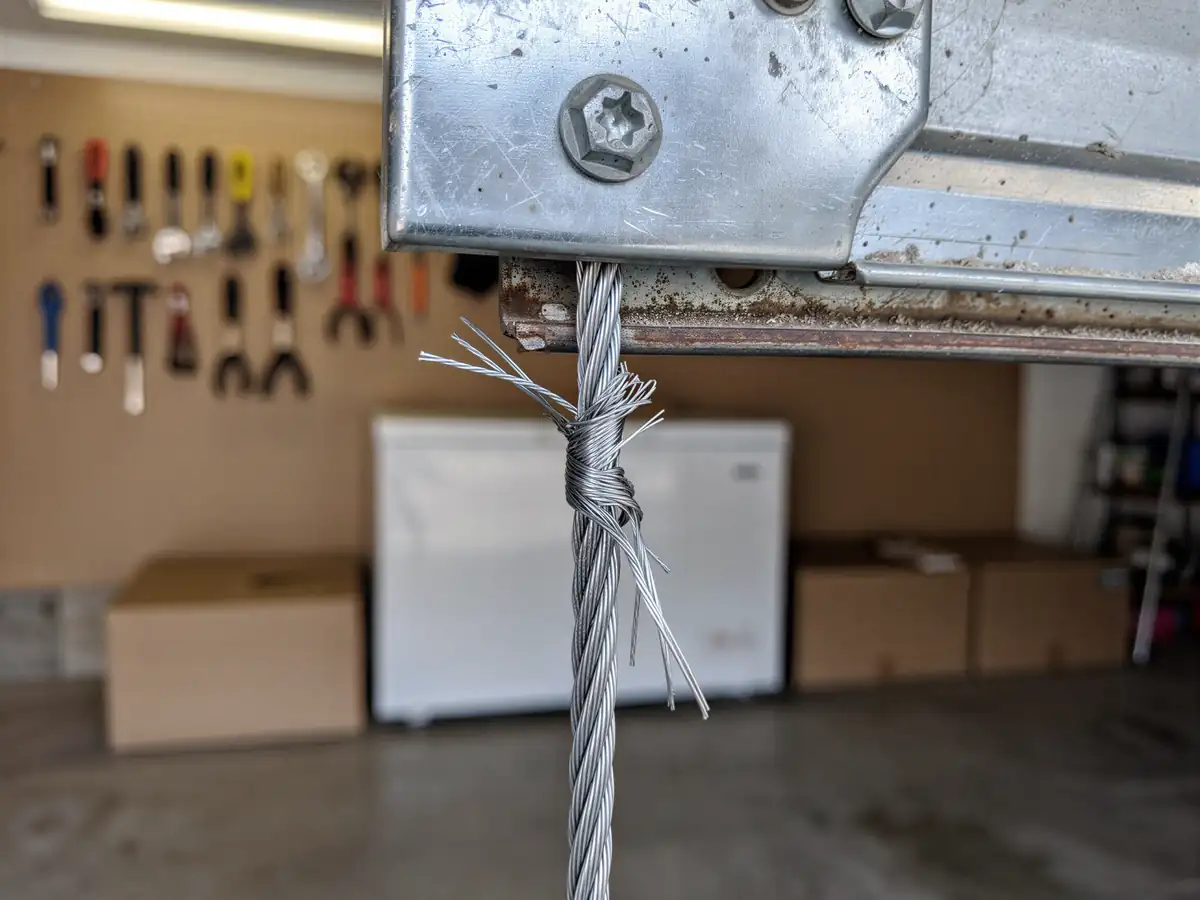
Here's the honest limit: if the noise is coming from the spring system at the top of the door, or if a cable looks frayed anywhere along its length, that's not a weekend fix regardless of how handy you are. We'd rather tell you that upfront than have you find out the hard way. Everything else on a door this age - tightening hardware, lubricating hinges, adjusting a sensor - is fair game to try yourself first.
The Problem
Our service area covers 13,713 households, and 6,489 of those are owner-occupied houses sitting on the same 1960s-70s hardware we keep describing. That's not a small number of doors quietly aging past their design life at the same time, which is part of why spring failures and track wear tend to cluster by neighborhood instead of showing up one house at a time.
It's not just Rome itself. Lindale sits five miles out and Shannon eight, and the doors in both places are the same age as the ones in Rome proper, built in the same stretch of years under the same climate. Cave Spring and Kingston, fourteen miles out, run a little newer on average but not by much. The problem isn't any one bad part. It's a whole region of houses built inside a twenty-year window, now all approaching the point where original springs and rollers are past due, whether or not they've started making noise yet.