Stocked Parts
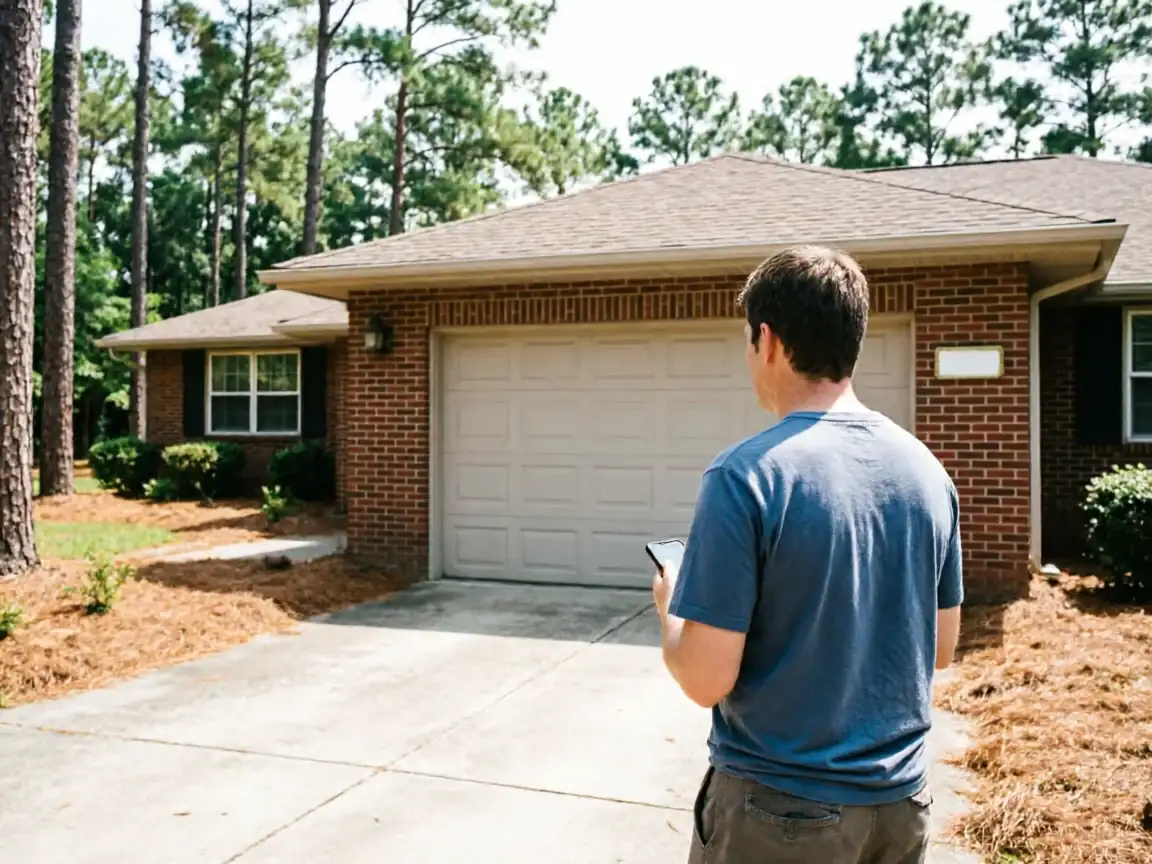
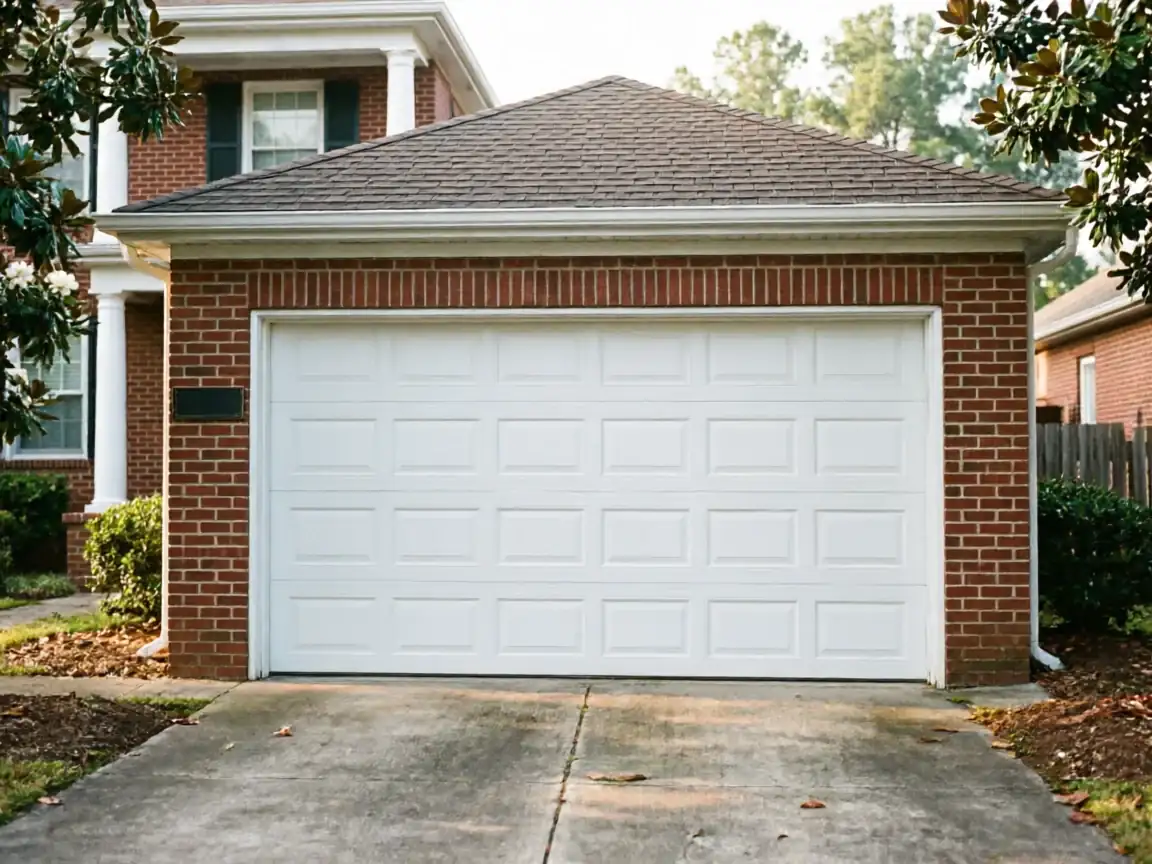
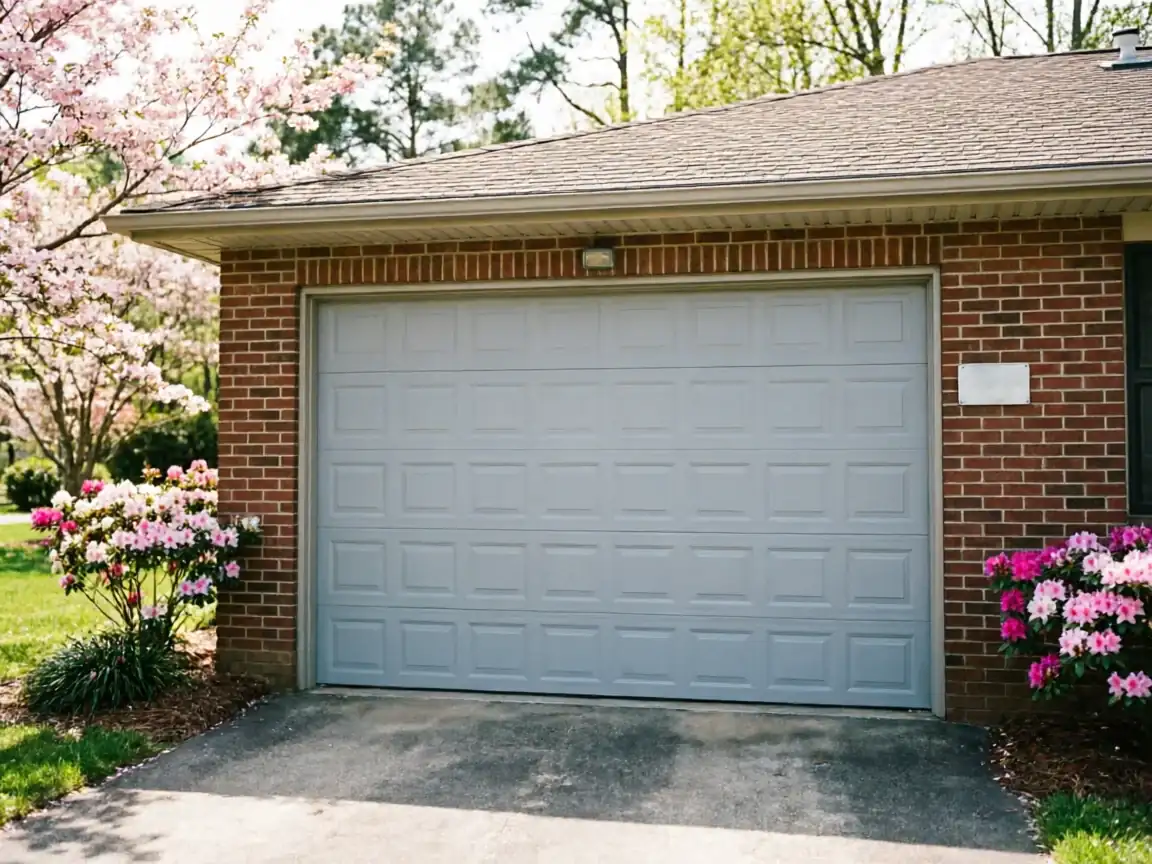
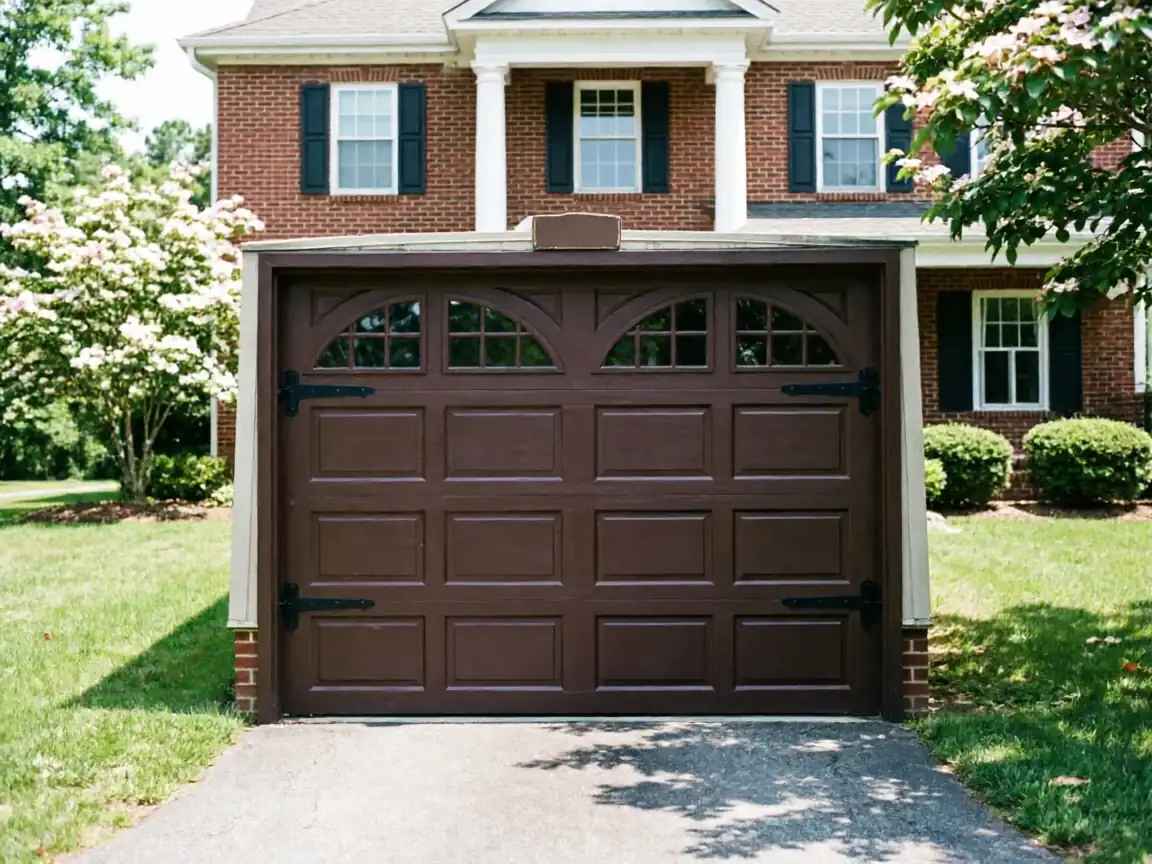
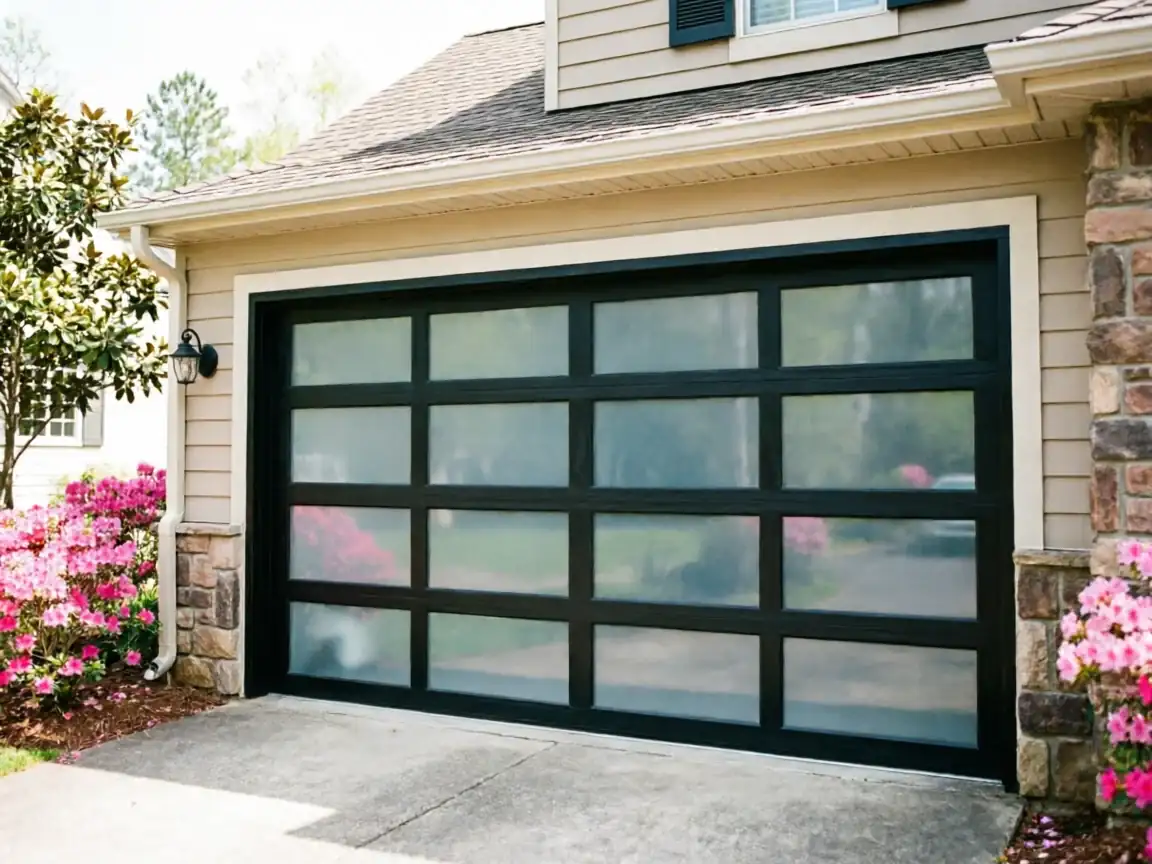
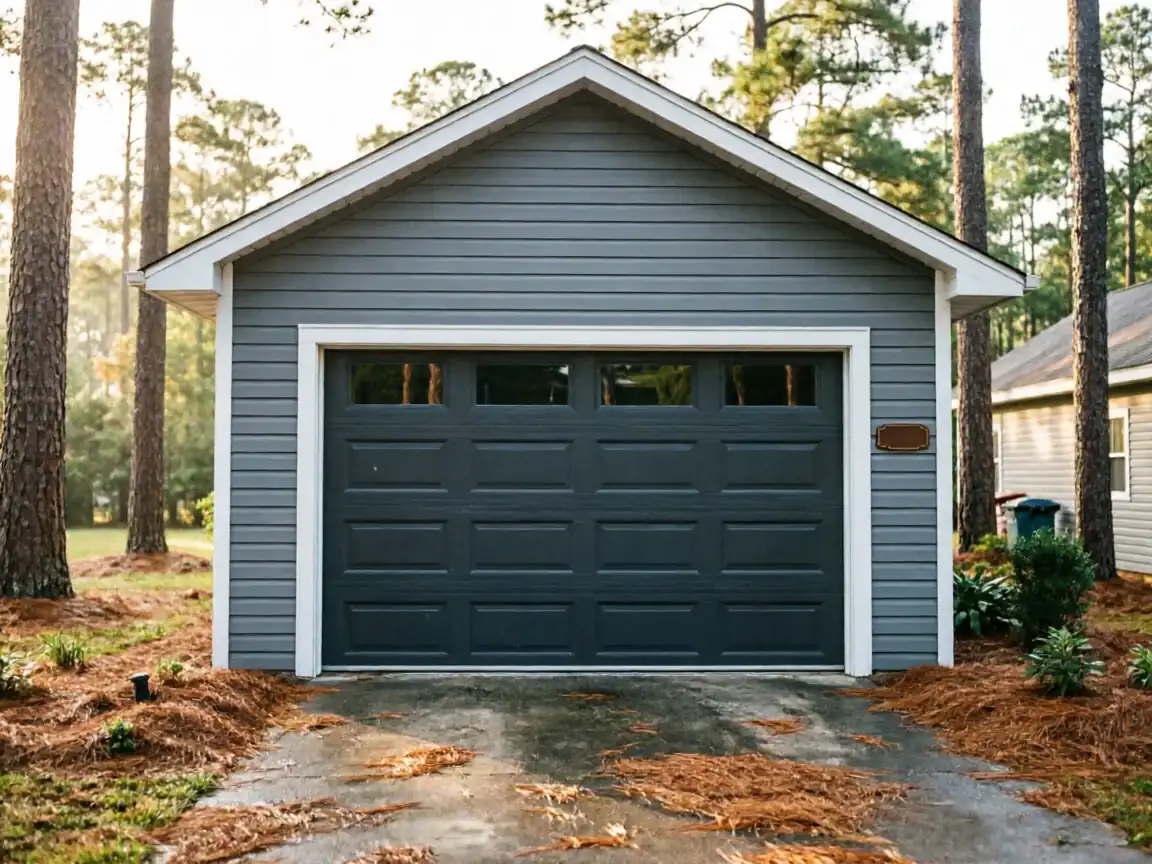
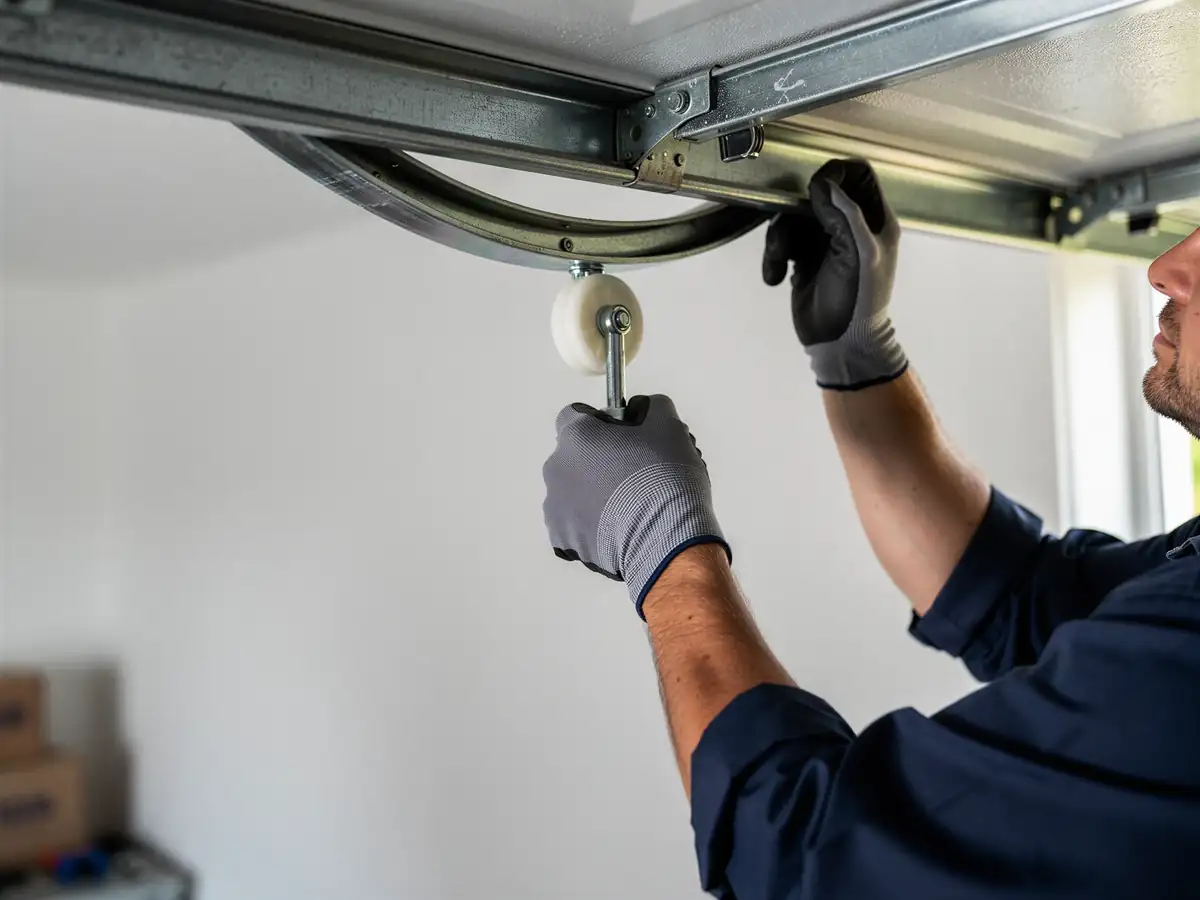
Adairsville's housing skews newer than most of the towns we cover out of Rome - the median home here was built around 2001, not the 1970s stock you'll find closer in. That matters for what's on the truck when we head out the 17 miles from Rome. A door from 2001 is almost always steel sectional, factory-painted, hung on a standard 16-by-7 double or 9-by-7 single opening, running on torsion springs sized for a lighter panel than the older wood or hollow-core doors we service elsewhere. We carry the galvanized torsion springs, nylon rollers, and standard-lift cable that fit this generation of door, plus the sensor brackets and logic boards that go with openers from that same build window. What we don't stock on the truck are parts for doors built before 1985 or custom oversized openings - those get special-ordered, and we'll tell you that up front rather than make a second trip look like a surprise.
Because the stock here is more uniform - most of it went up in a tighter window than the older, mixed-era neighborhoods closer to Rome - a tech can usually predict the spring size and track style before pulling into the driveway. That cuts down on guesswork, not on the actual work.
The Symptom
On a door from the early 2000s, the first sign of trouble is rarely a dramatic failure
It's a grinding or uneven roll as factory-grease nylon rollers dry out, or a door that reverses on the way down because the factory-set opener force has drifted after twenty-plus years of the same settings. Steel sectional doors of this era also tend to show rust bleed at the bottom panel seam before anything else goes - the galvanizing holds up, but the cut edges at the bottom corner wear through first, especially after a hard freeze-thaw winter, which this part of Georgia gets its share of.
Homeowners also call about a spring that lets go without warning
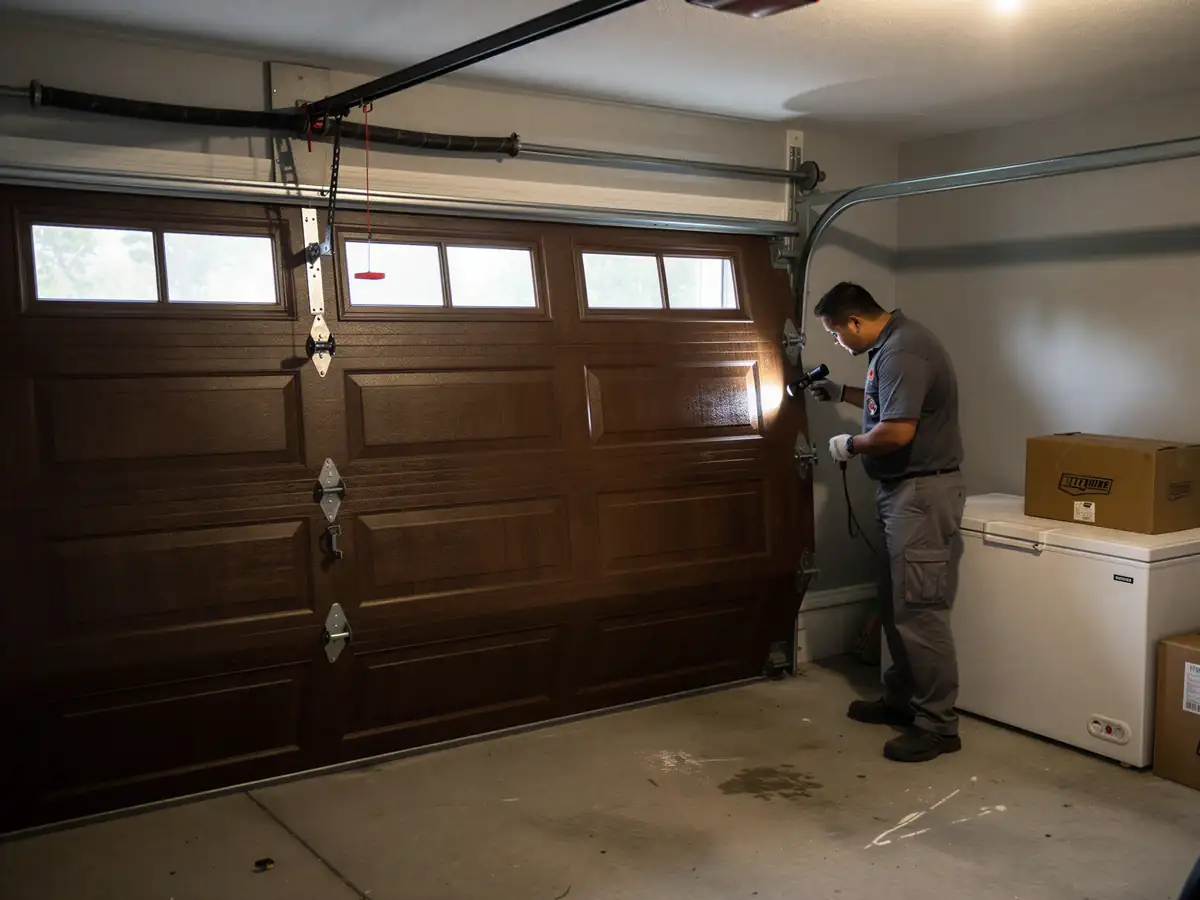
Usually a single torsion spring, since that's what's standard on doors this size and weight. It's loud, it stops the door cold, and it's not a job to force past with the opener. On a 1,414-household town where most garages were built to the same code era, we see the same two or three failure patterns repeat more than we see anything unusual.
What the Fix Involves
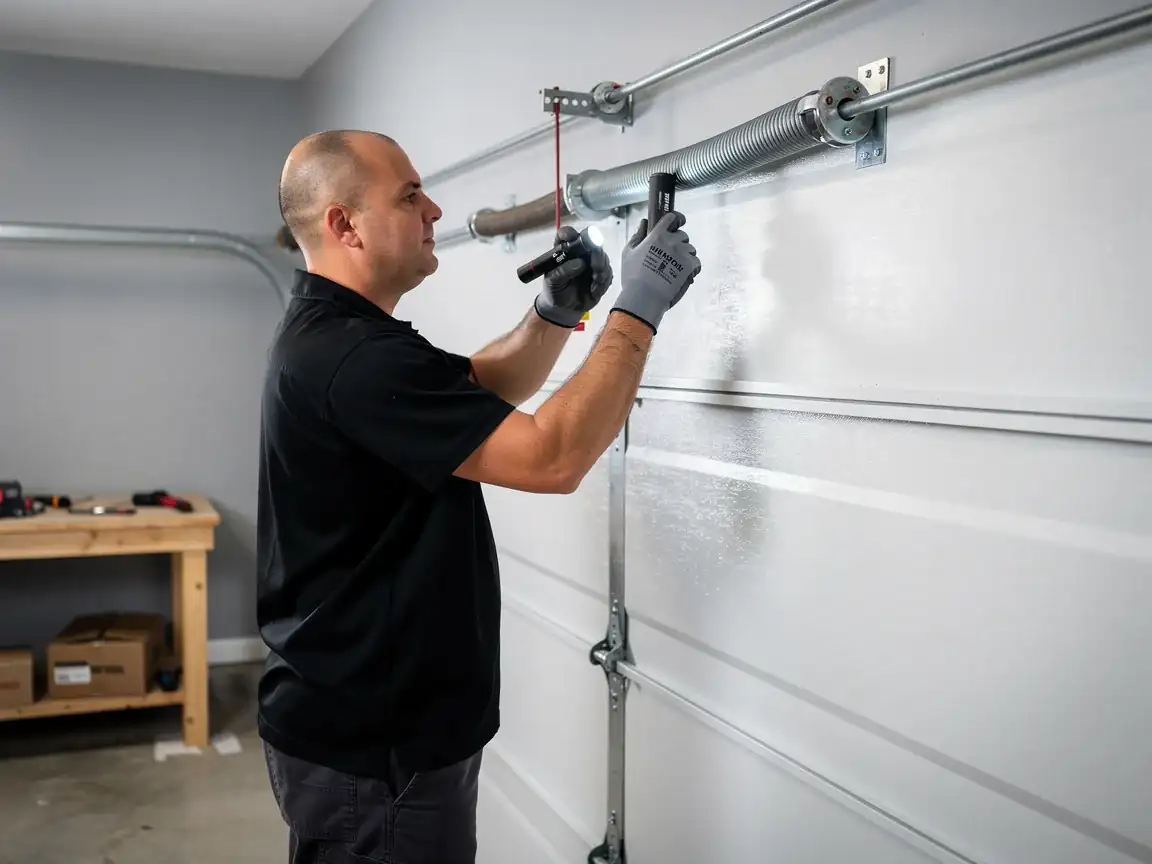
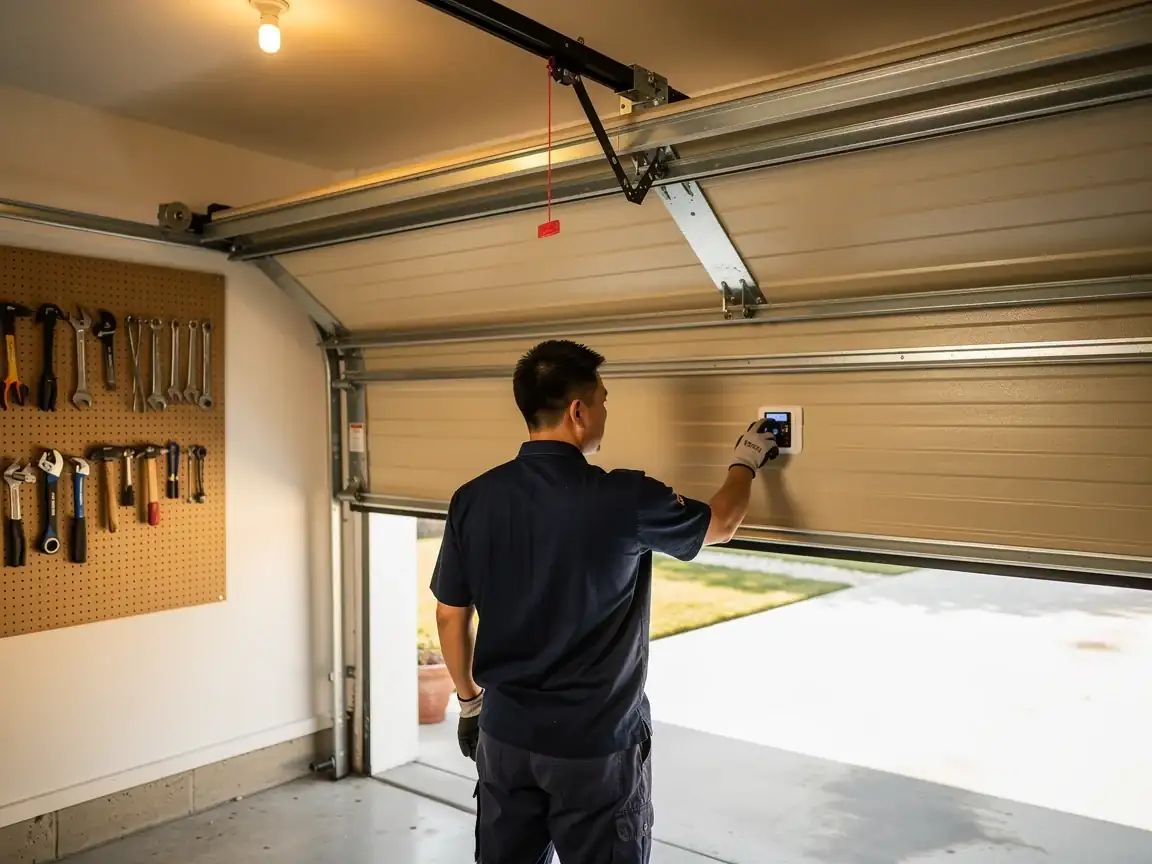
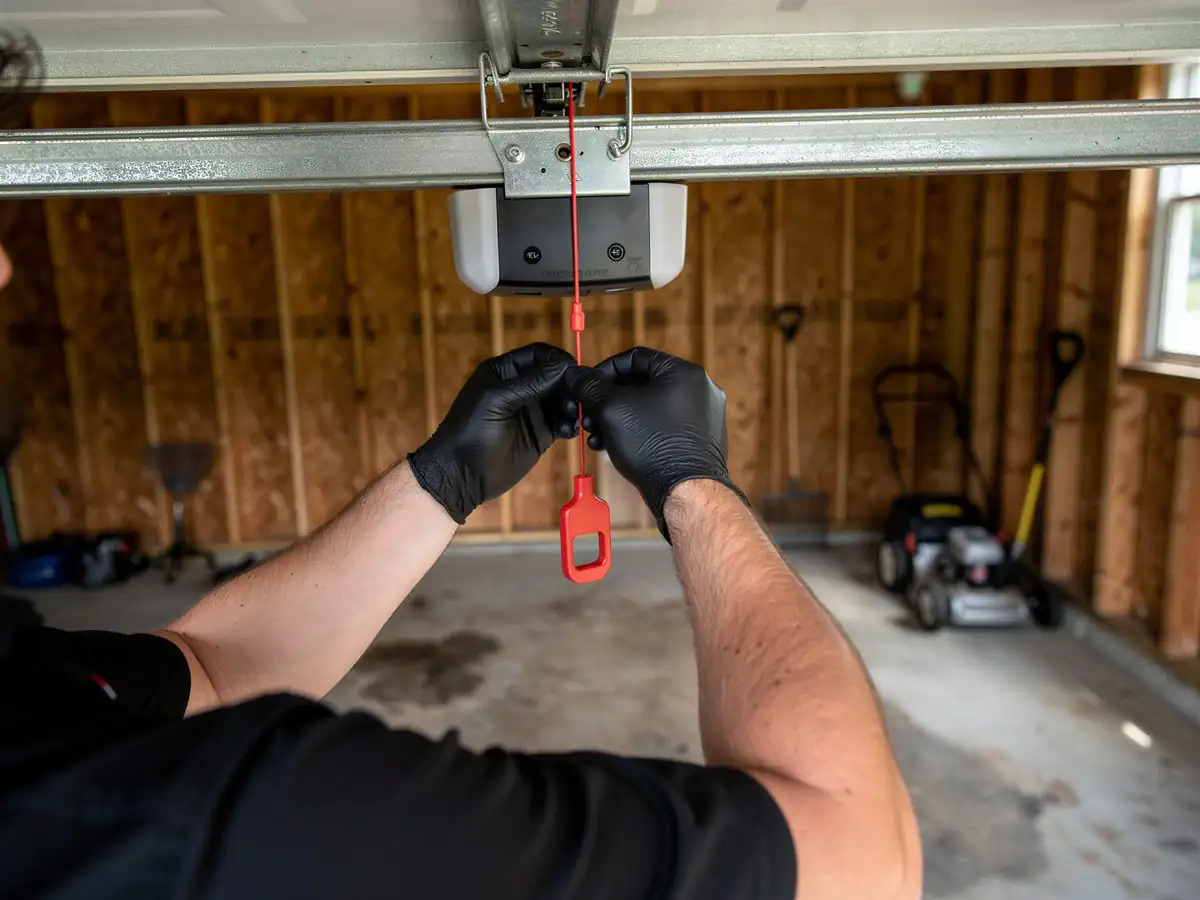
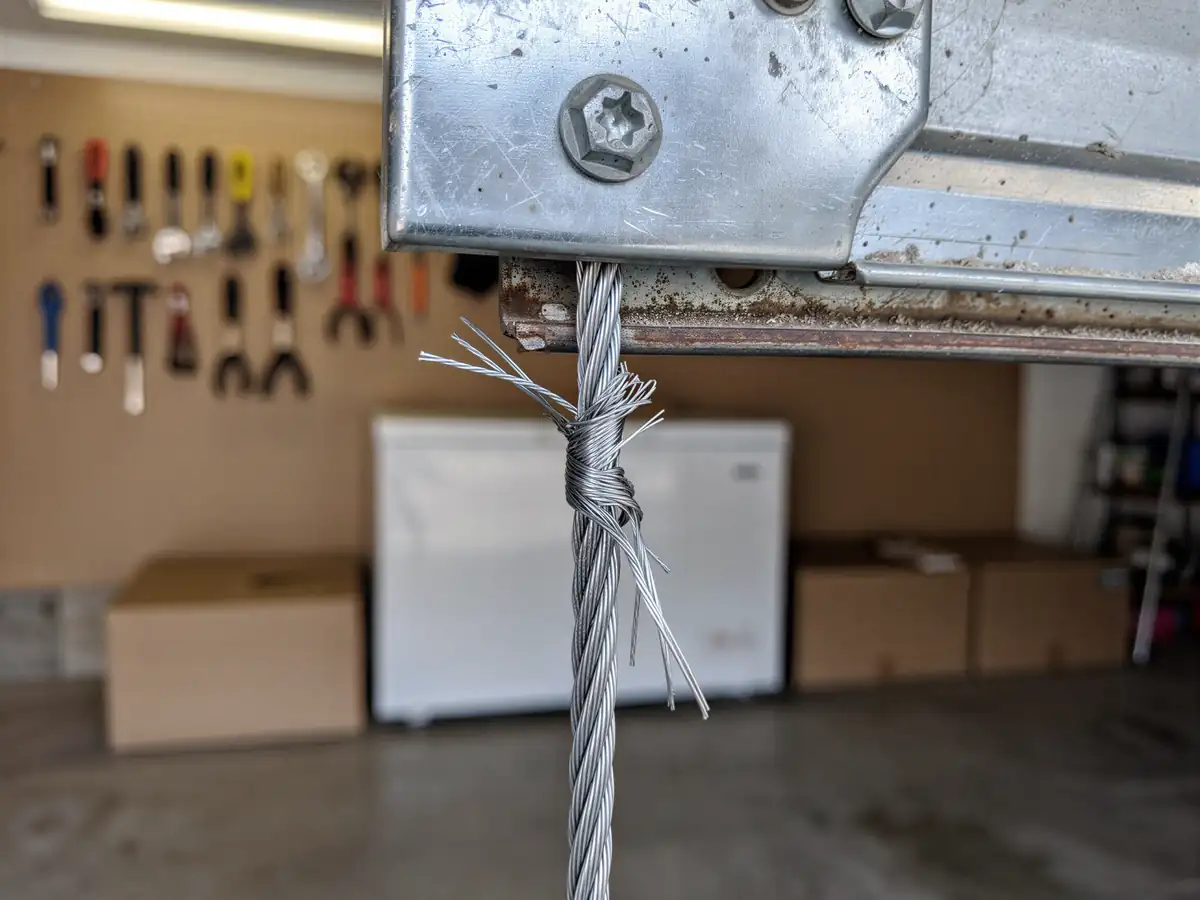
A tune-up on a 2001-era door starts with the torsion spring and cable, since that's the hardware doing the heaviest lifting and the part most likely to be original. We check cable fray at the drum, re-tension or replace the spring to match the door's actual weight rather than the sticker weight, and lubricate rollers and hinges that have gone dry. Opener work is usually a force and limit reset rather than a full replacement - boards from this era are often still serviceable, and we won't sell a new opener onto a door that doesn't need one.
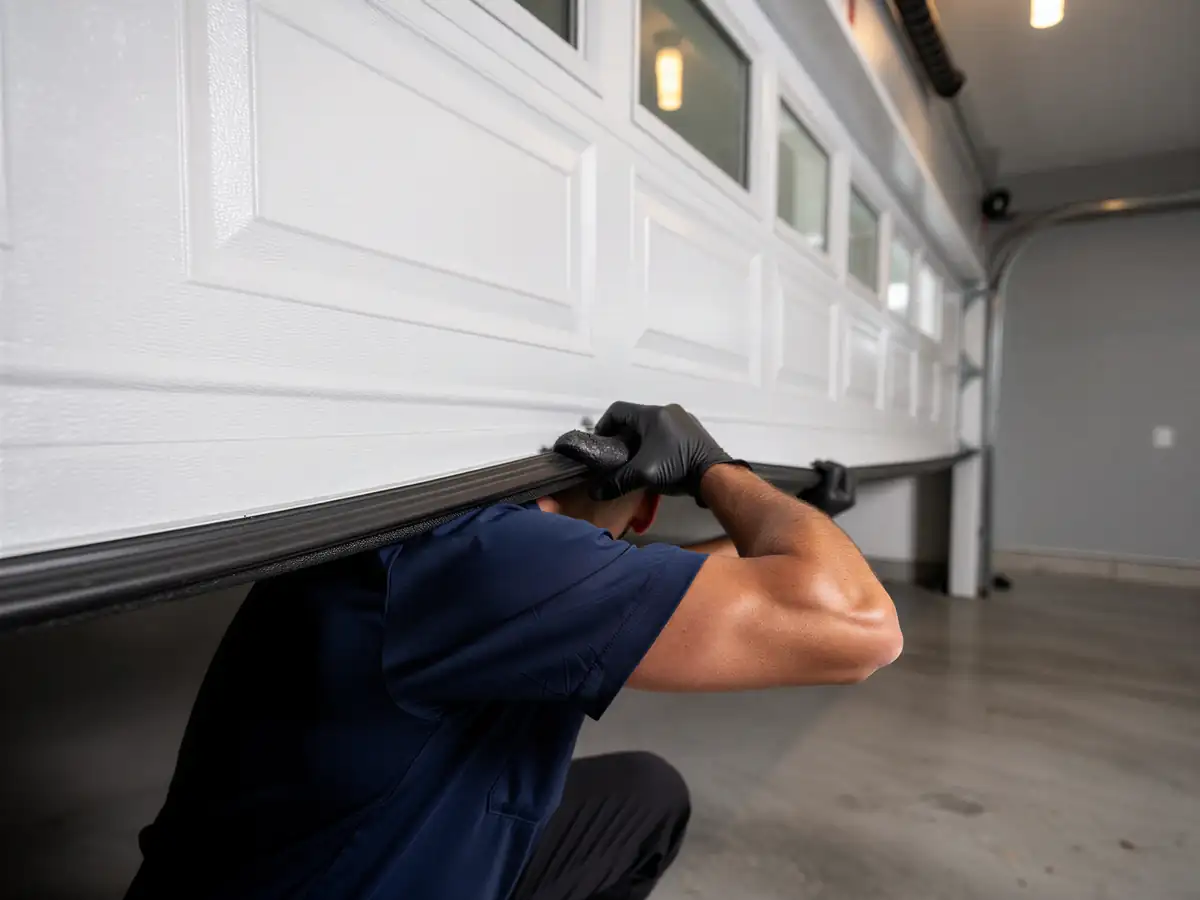
The honest limitation: if the bottom panel has rusted through at the seam, that's a panel or full-door replacement, not a maintenance visit, and we'll say so rather than patch it. Steel skins from this build period don't take a cosmetic fix well once the edge has gone - trying to seal over it buys a season, maybe two, not a real repair.
Booking a Visit
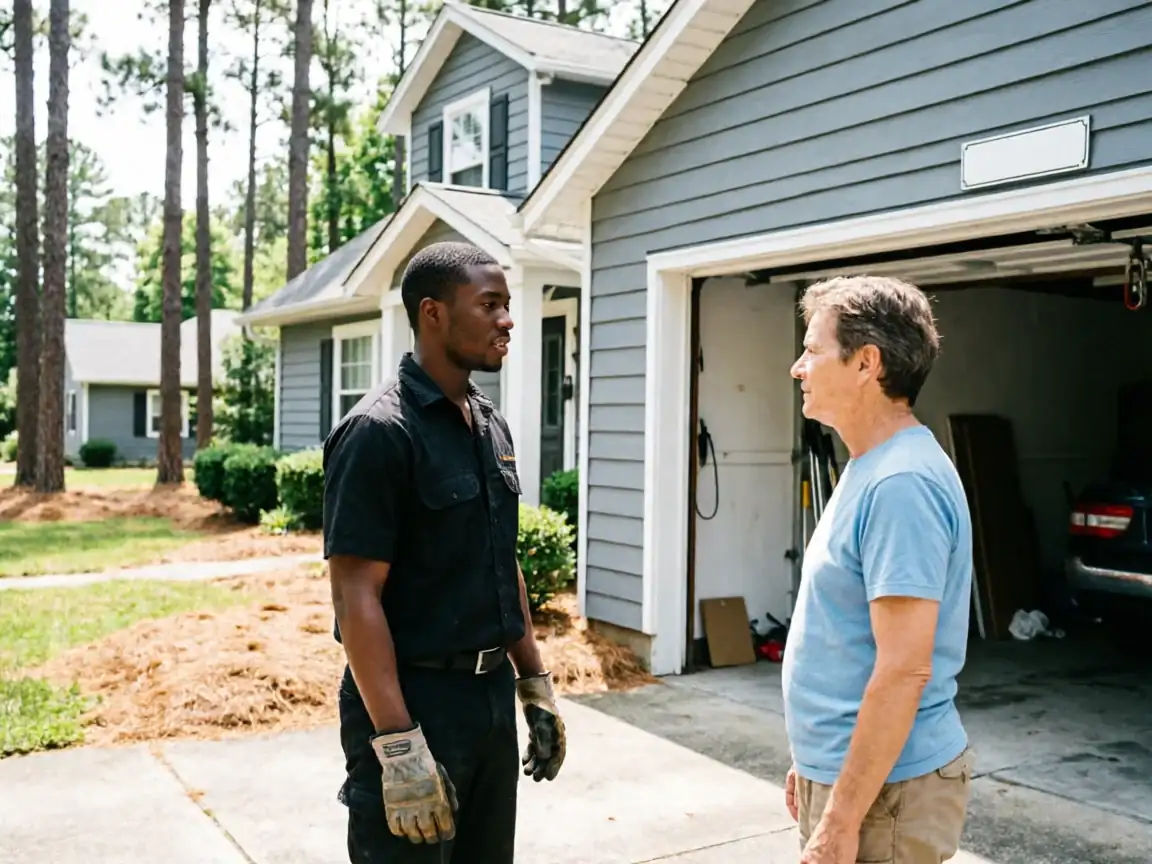
We run the 17 miles out from Rome for scheduled maintenance same as we do for any call in the service area - there's no branch in Adairsville, so visits are routed from the Rome shop. Given the income and household numbers here, most owners we see are maintaining a door that's still within its working life rather than replacing one outright, which is exactly the kind of visit where a tune-up pays for itself: catching a worn cable or a drying spring before it snaps saves the emergency call later. If you're not sure whether your door needs a tune-up or a repair, tell us the age of the home when you call - for Adairsville, that's usually enough to know what's in the garage before the truck leaves Rome.