What the Fix Involves
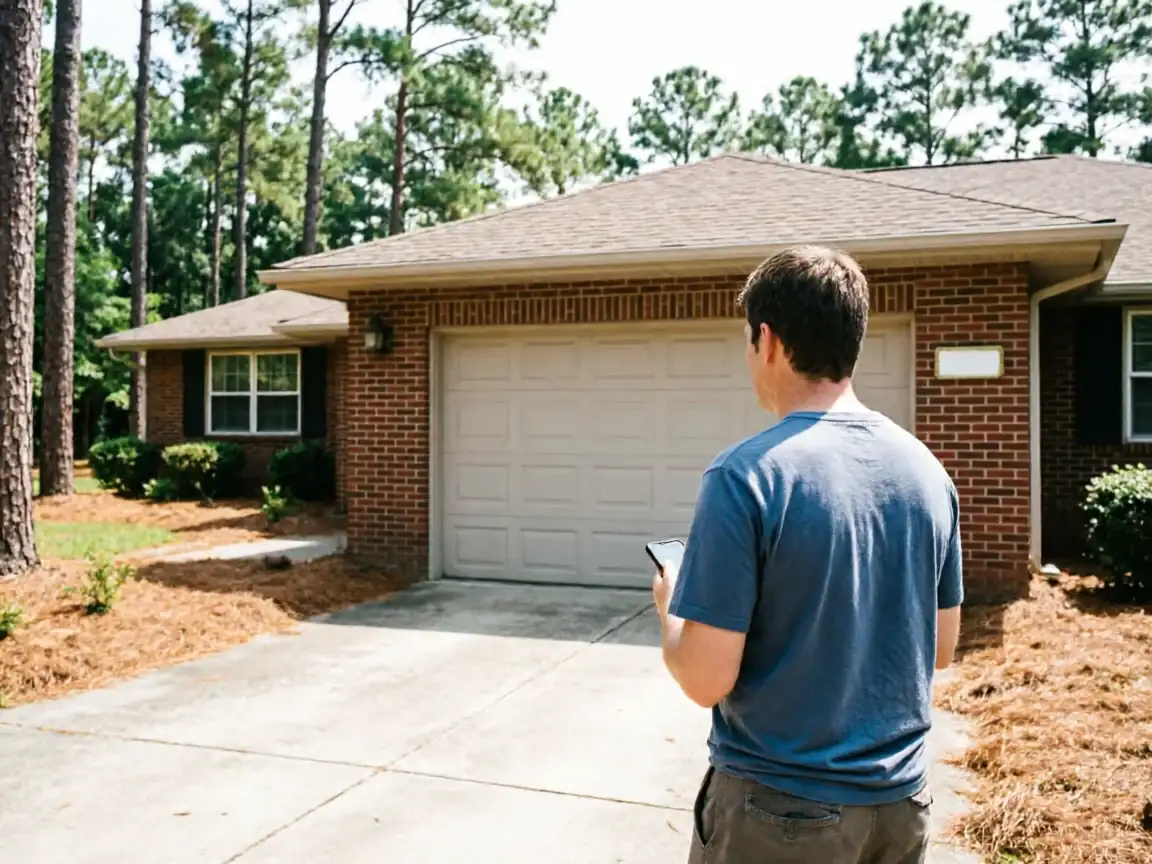
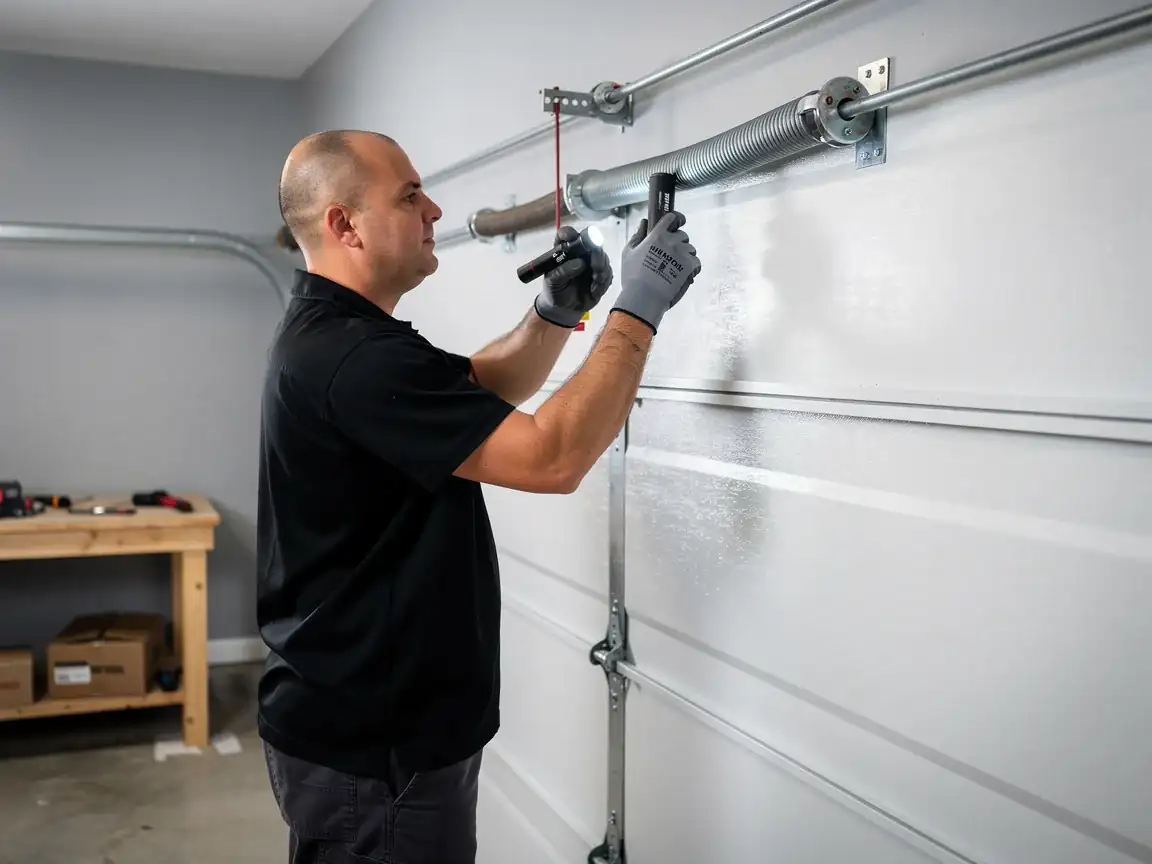
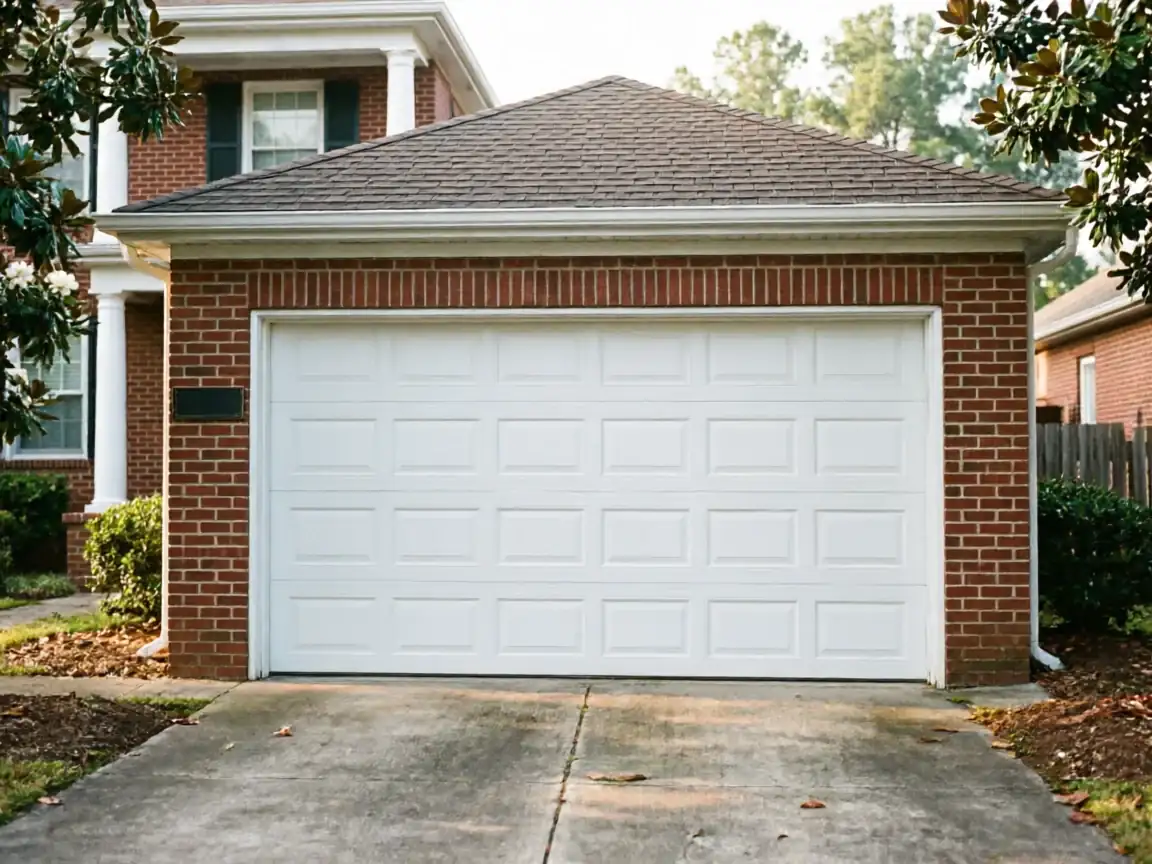
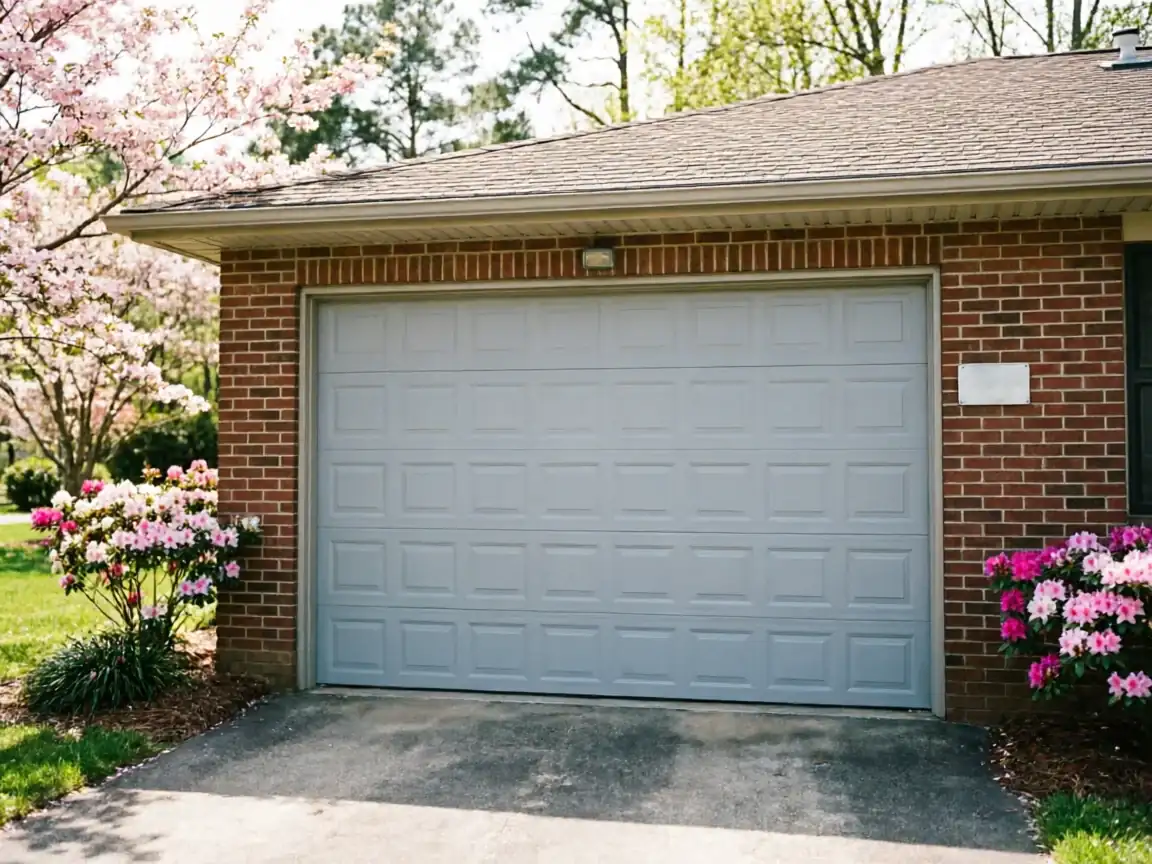
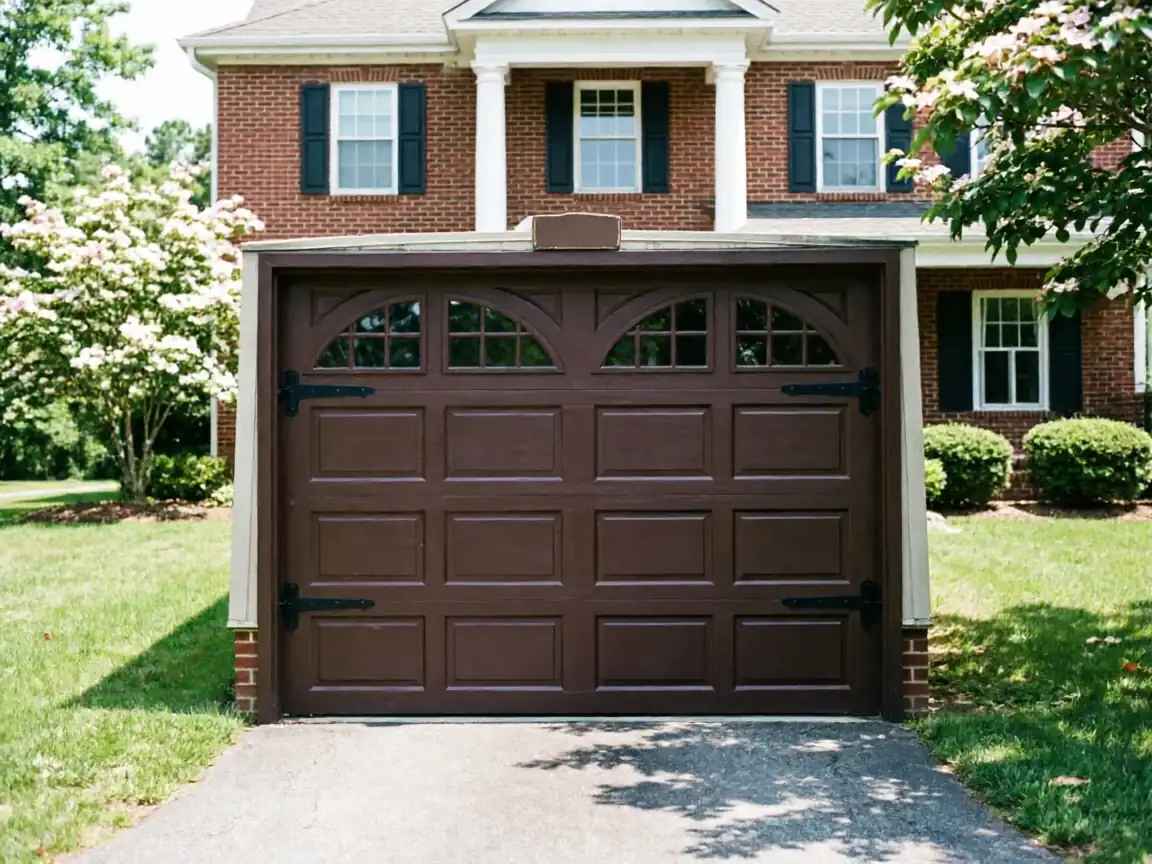
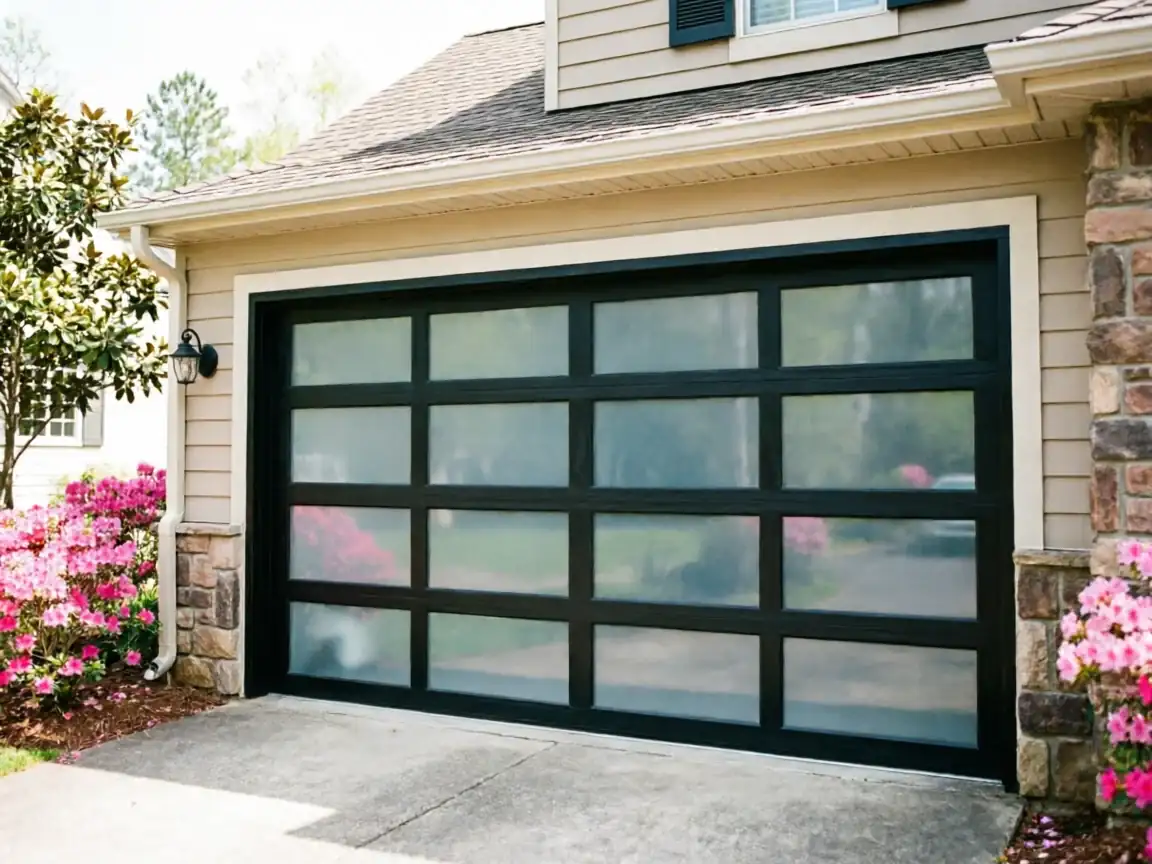
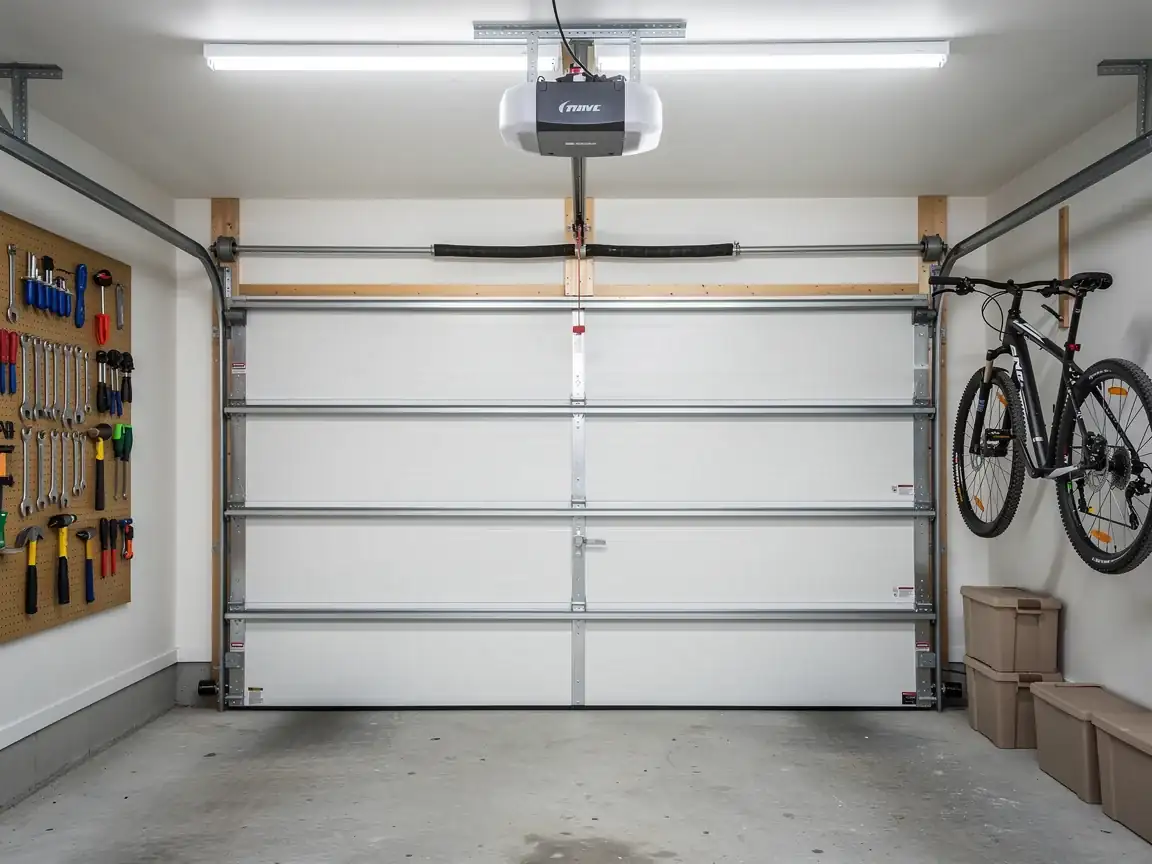
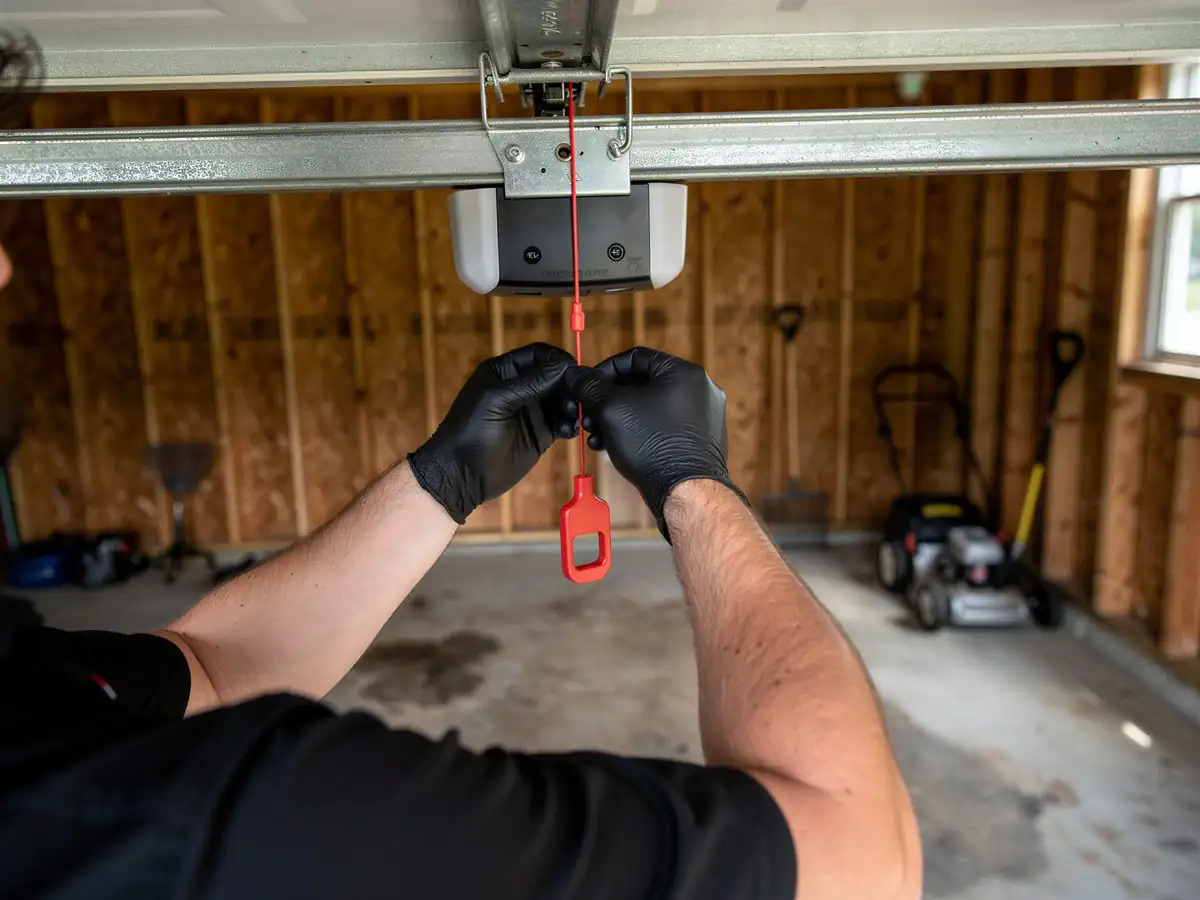
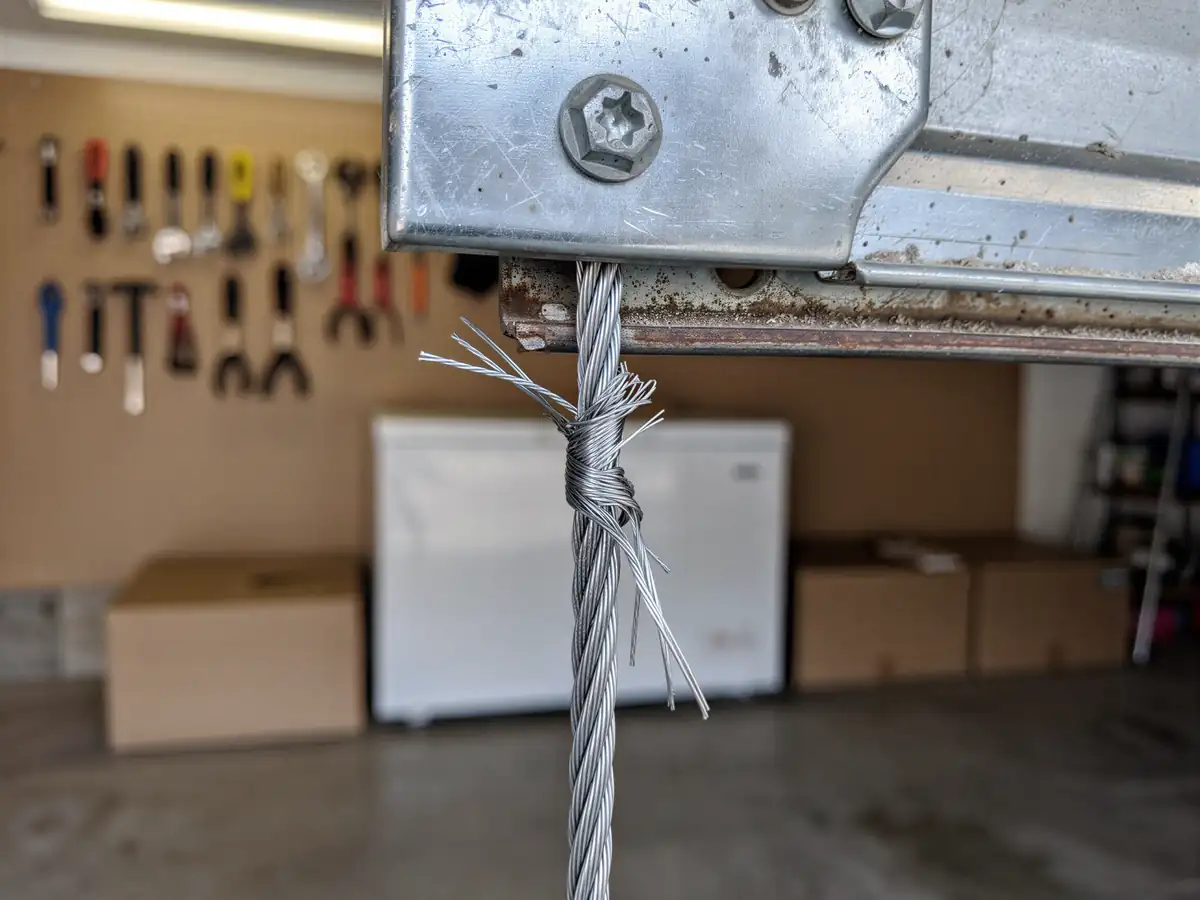
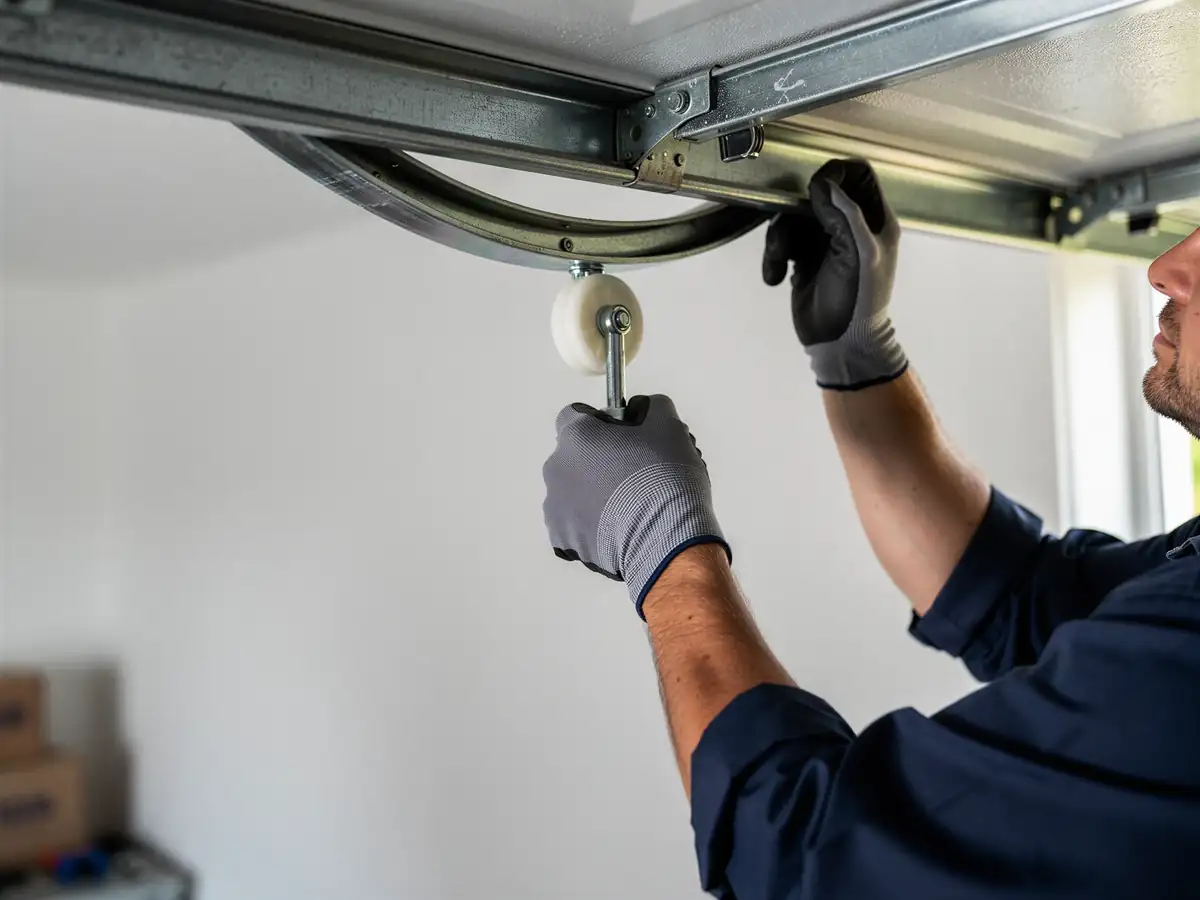
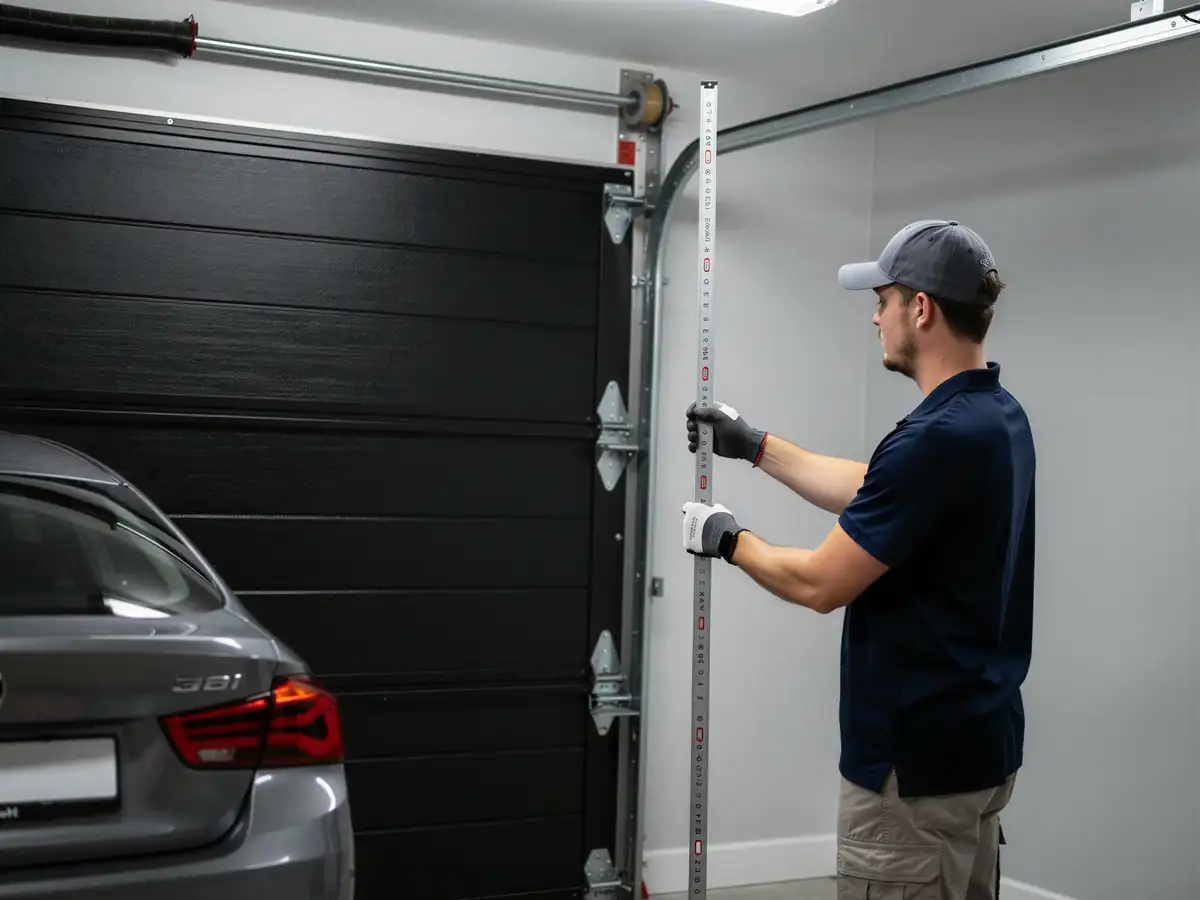
Most houses in Cave Spring went up around 1971, which puts a lot of the original garage doors - or their direct replacements - on single-car or standard two-car openings with steel sectional panels and extension springs mounted along the horizontal track rather than a torsion bar over the opening. That hardware was common through the 1970s and it's a different repair than what you'd do on a newer torsion setup. Extension spring doors use pulleys and a separate set of safety cables that keep the spring from becoming a projectile if it snaps - a lot of these cables are original or close to it, and they're often the actual point of failure even when the spring looks fine. We check the cable condition and the pulley brackets as part of any spring job here, not as an upsell, because on a door this age one weak link tends to come with others. If the track is bent or the rollers are the original steel ones, that gets priced in too. We don't force a torsion conversion on a door that doesn't need it - if the extension system is sound, we fix what's there.
The Symptom
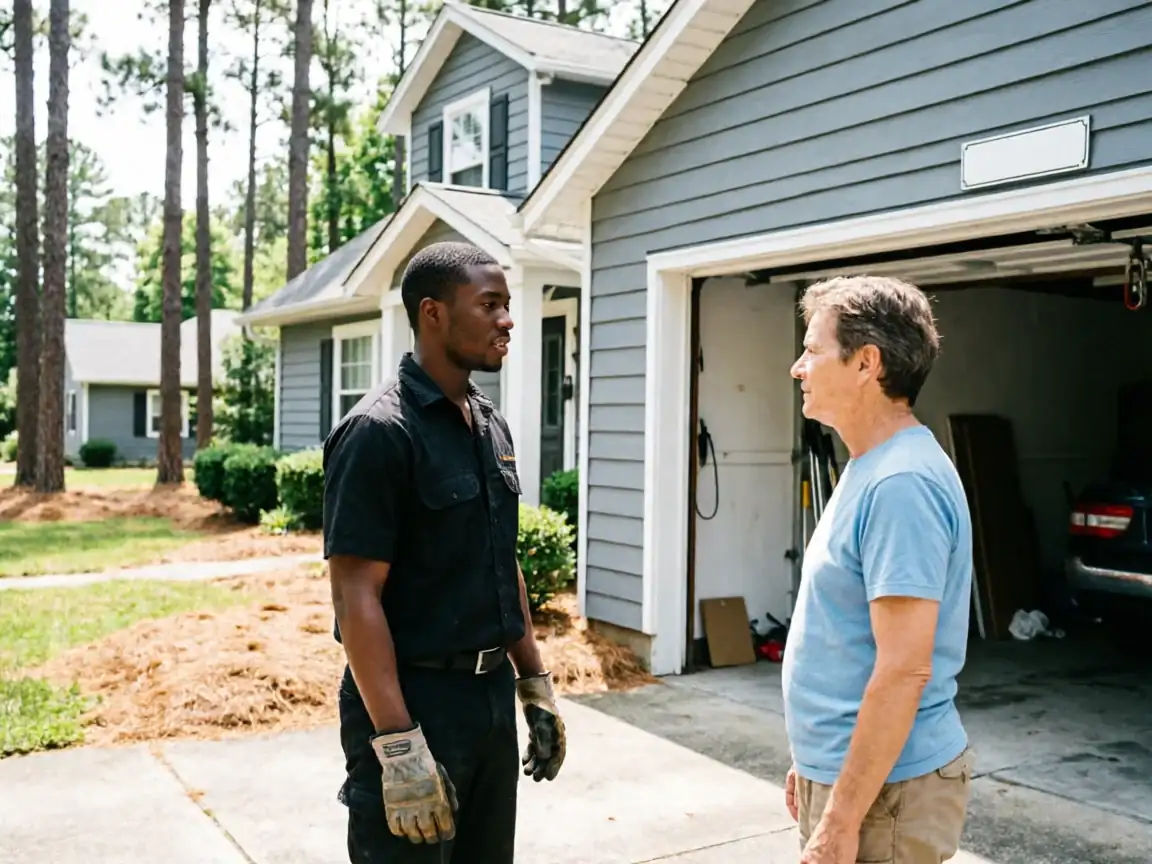
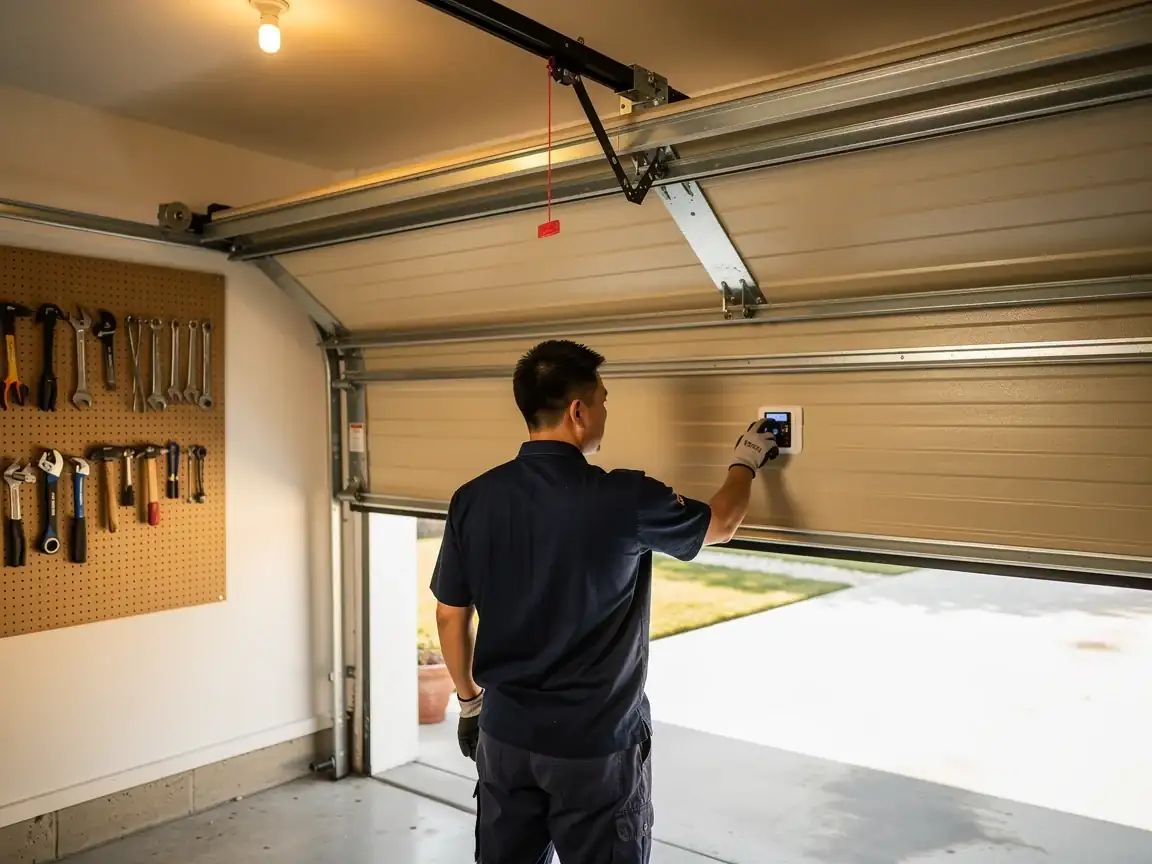
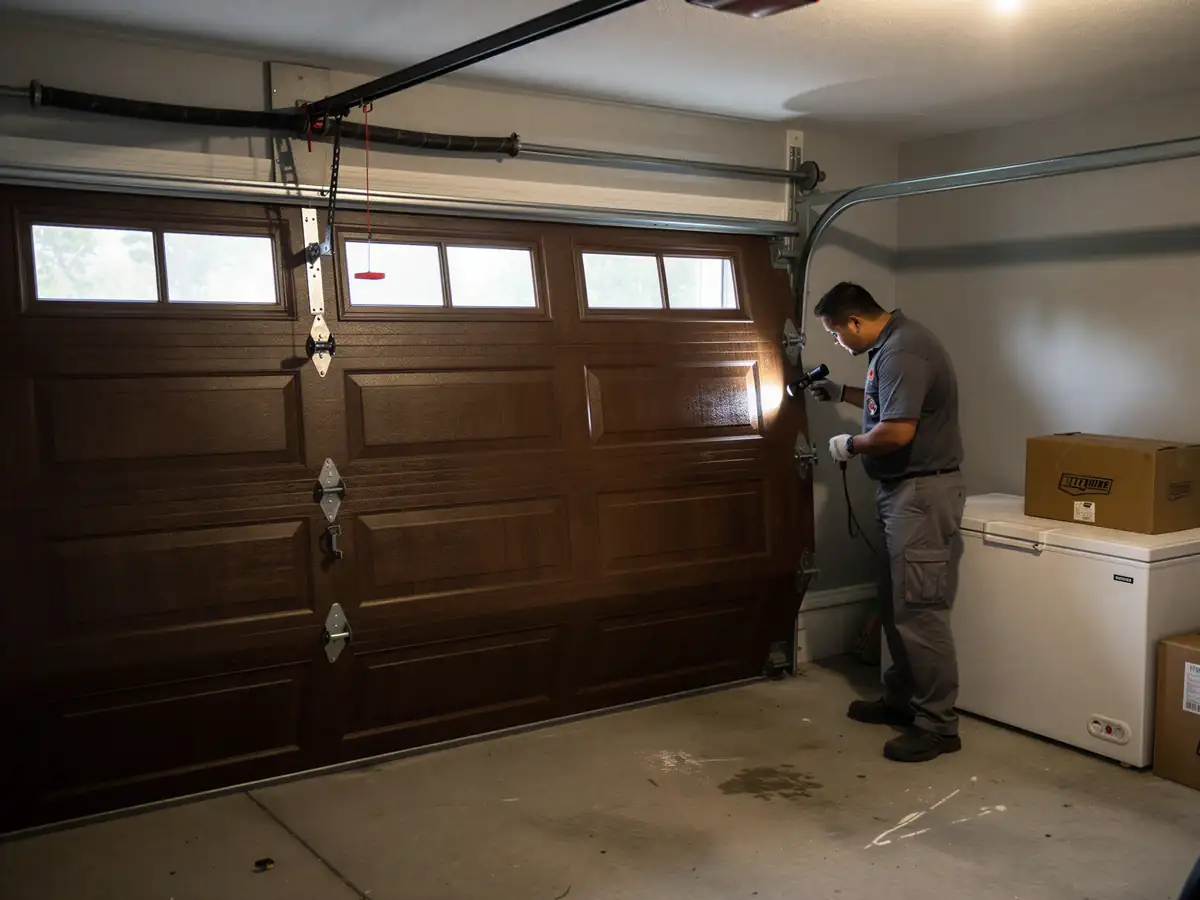
The complaint we hear most from this part of the service area is a door that slams the last foot of travel, or one side that drops faster than the other when it's closing. On an extension spring door that's almost always a sign one spring has lost tension or let go while the other is still pulling - the door tries to close level and can't. Some owners also notice the door catching or grinding partway down the track, which on houses from this era is often a track bracket that's worked loose from fifty years of expansion and contraction rather than a motor problem. We hold off diagnosing over the phone past that point; what it is depends on whether one spring failed or both, and that's a visual call.
The Complications
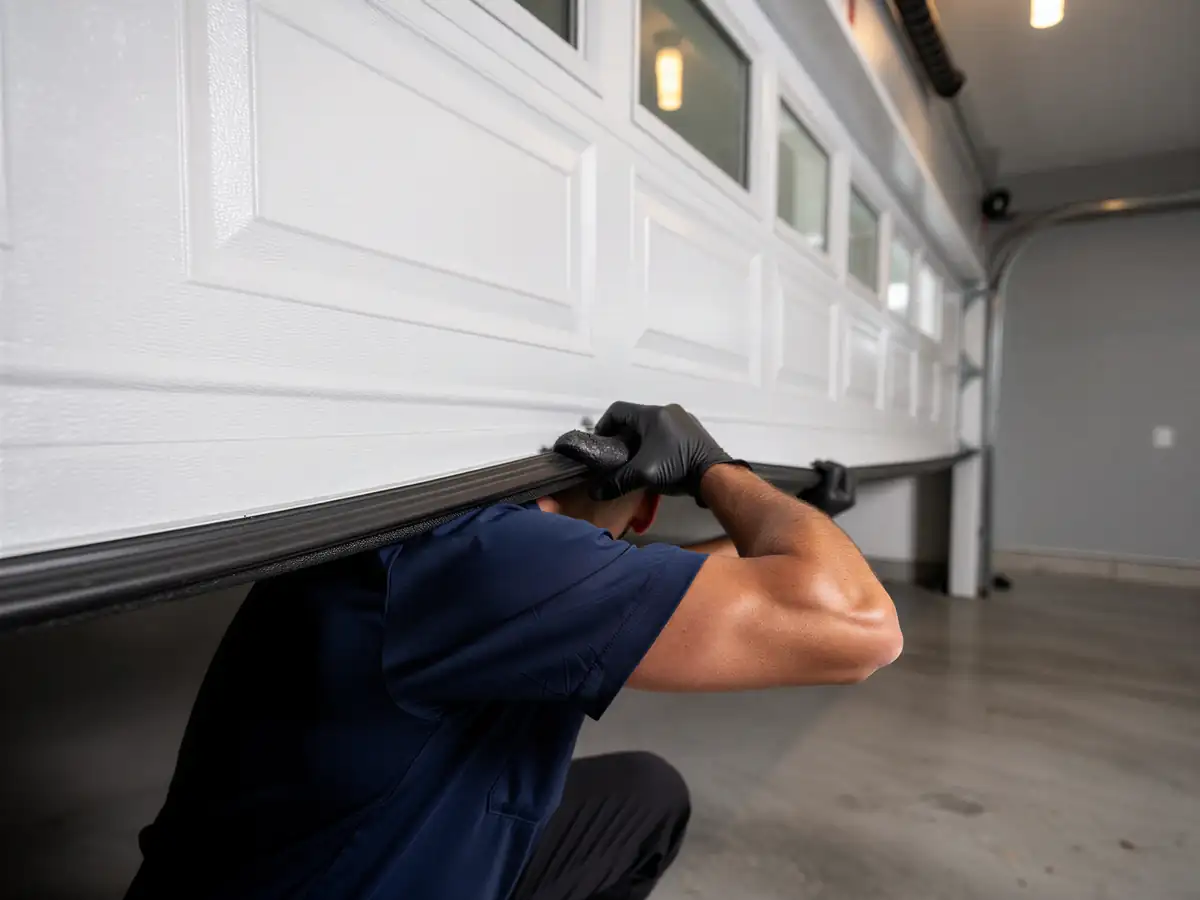
Cold winters here put steel doors through repeated contraction and expansion, and on an older frame that shows up as rust at the bottom panel seams and stiffness in rollers that haven't been lubricated in years. We're honest that a door this old sometimes isn't worth chasing with one more repair - if the bottom panel is rusted through or the track is bowed in more than one spot, a new door usually costs less over a few years than patching an old one piece by piece. We'll tell you straight if that's where your door is instead of running up a bill on a frame that's done. Cave Spring's smaller household count also means parts for less common original hardware - older pulley styles, odd-length torsion springs - aren't always something we stock without a day's notice.