What the Fix Involves
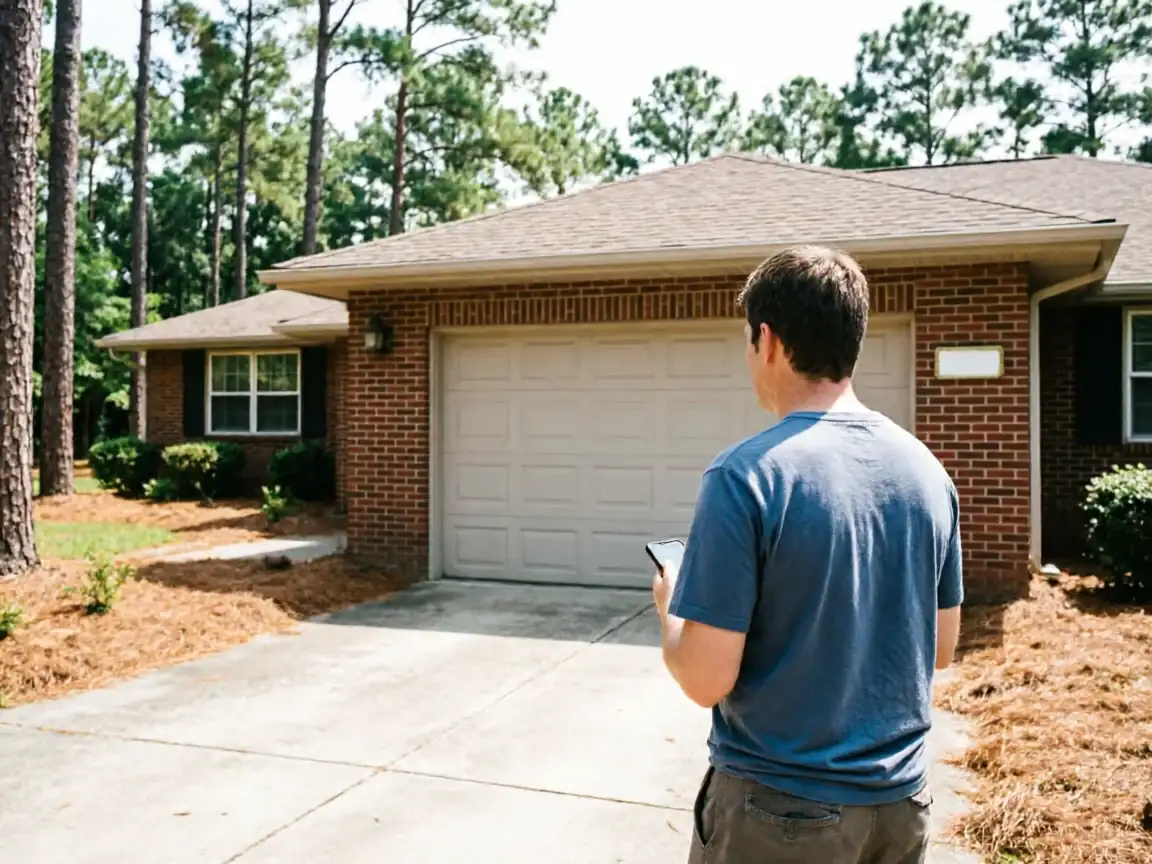
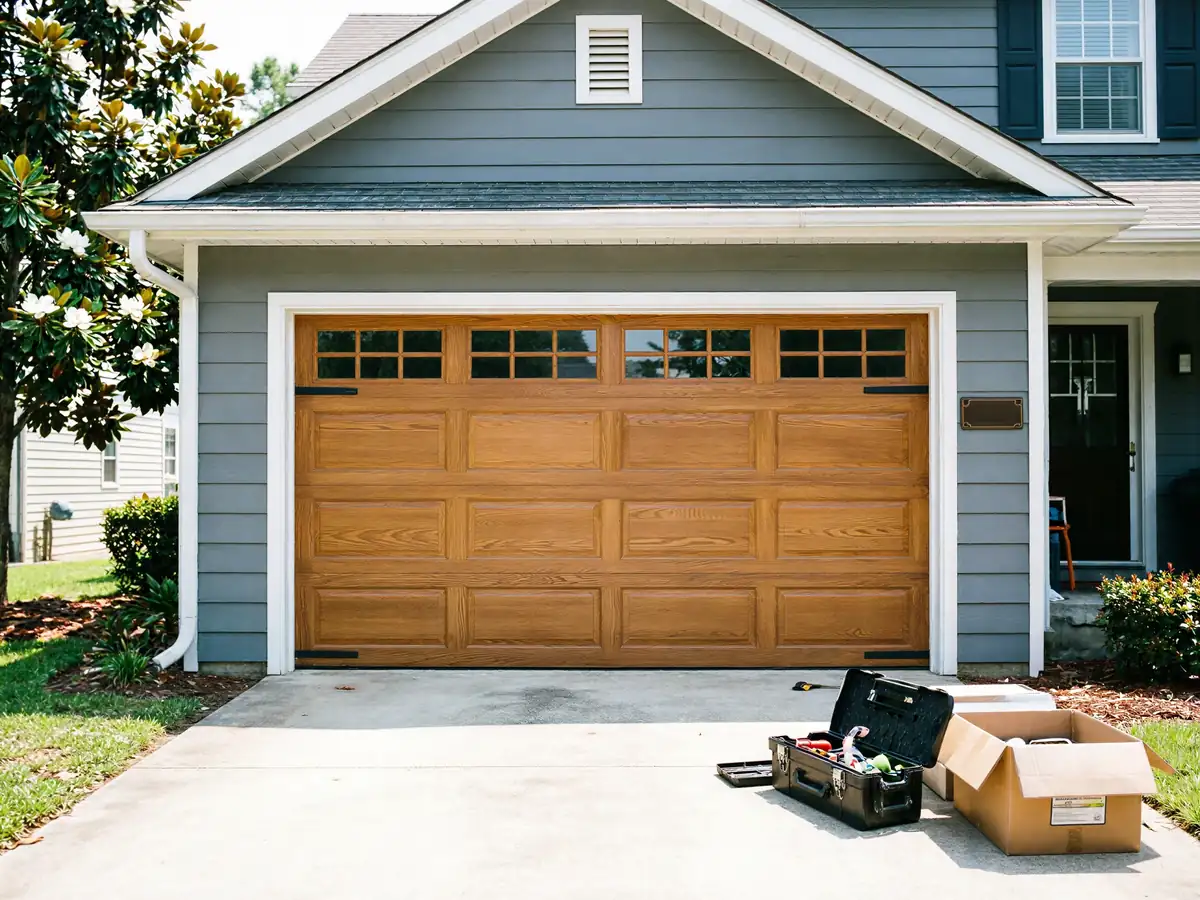
Cave Spring sits about 14 miles out from our shop in Rome, which changes how we plan an install day more than people expect. We're not swinging by on the way to another job - we're loading the truck with everything the measurements call for before we leave, because a forgotten bracket or the wrong track radius means a second trip out that nobody wants to pay for in windshield time.
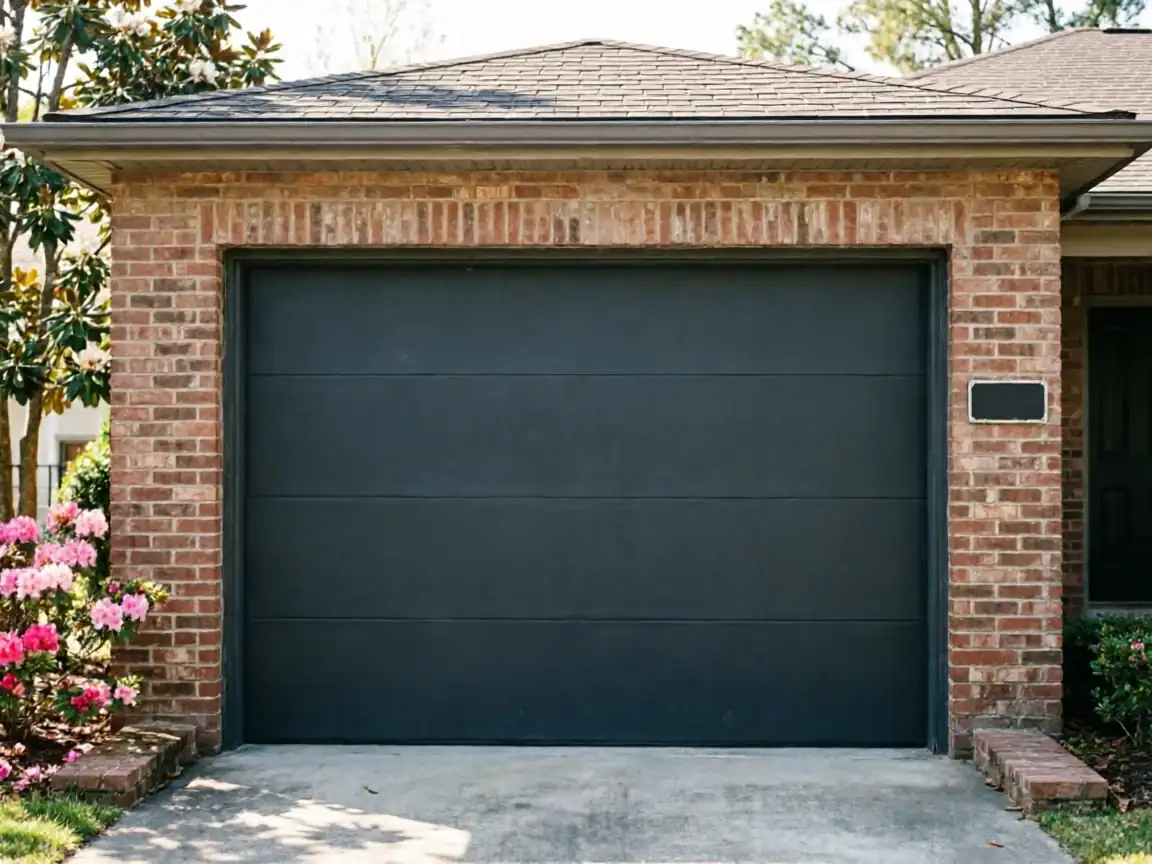
Most of the houses we see out here were built around 1971, a touch older than the service area's overall median of 1975. That matters for an install because older openings were often framed for single-layer steel doors on a narrower track - if you're upgrading to an insulated door, we're not just swapping panels, we're checking headroom, jamb square, and whether the existing track spacing works or needs to be re-set. A new door on old framing is a common mismatch, and catching it before the door shows up on the truck saves a return visit.
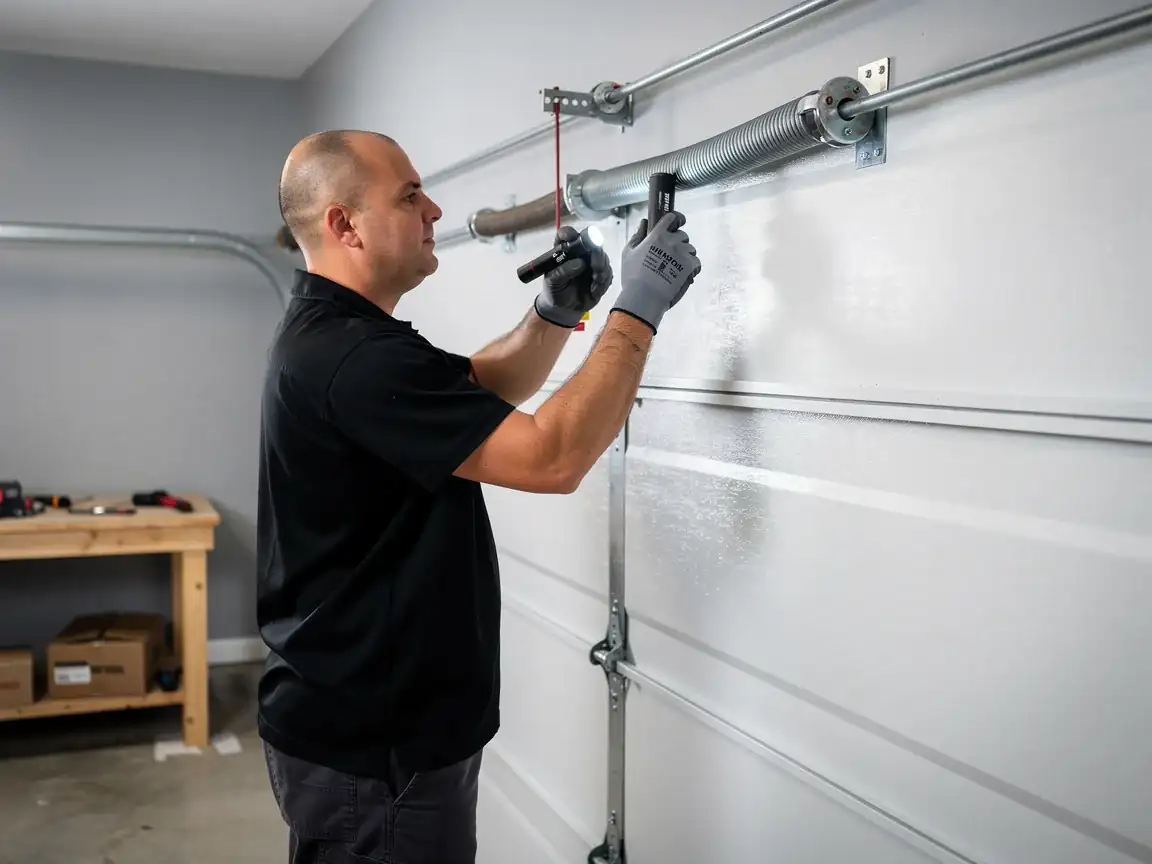
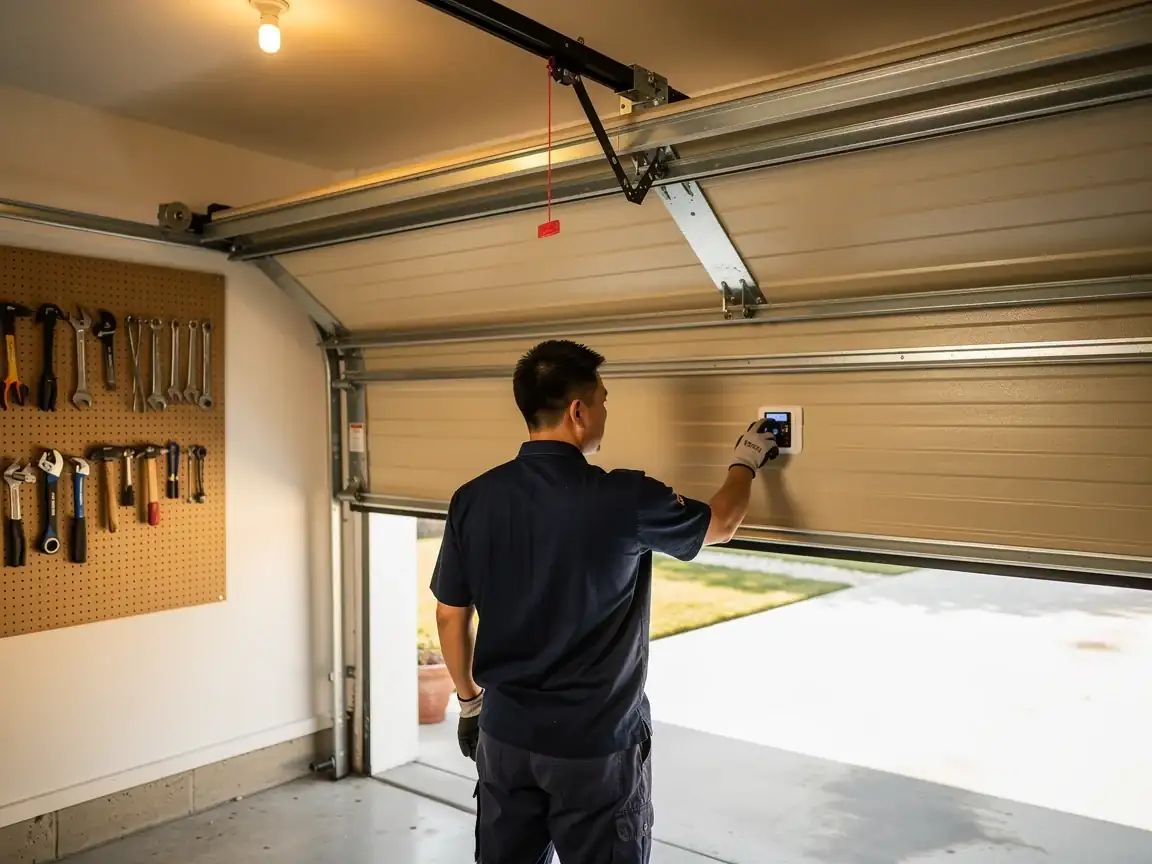
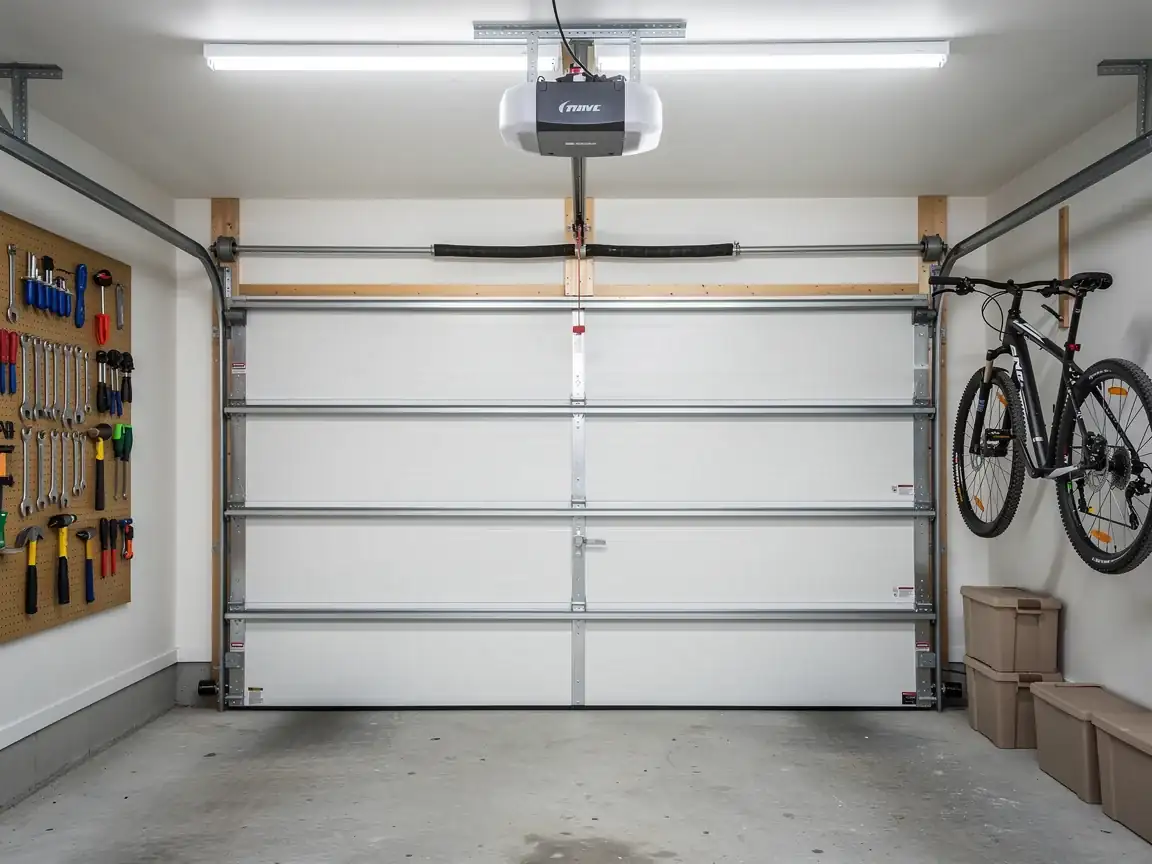
We size the opener and spring set to the door itself, not to a generic chart. A double door on an older 1970s-built garage can run heavier than the torsion spring that's currently in there, especially if a prior owner swapped the panel material at some point without re-balancing the door.
How Long It Takes
Because the job starts with a drive, we build the day around one visit doing the real work
Not multiple short ones. A straight single-door install, where the opening and framing are standard for what we see across this part of the service area, is usually a one-visit job. Where it runs longer is when the 1971-era framing needs shimming or the track has to be reset to clear an opener mount that wasn't there originally.
We don't give a time window here that we haven't confirmed for this specific house
Every opening is a little different once we're actually standing in front of it. What we can say is that the quote we give before we load the truck accounts for the drive and the install together, so there's no separate travel charge tacked on after the fact. If a part isn't on the truck and has to be ordered, that's a second visit, and we'll tell you plainly when that's likely rather than guessing.
The Symptom
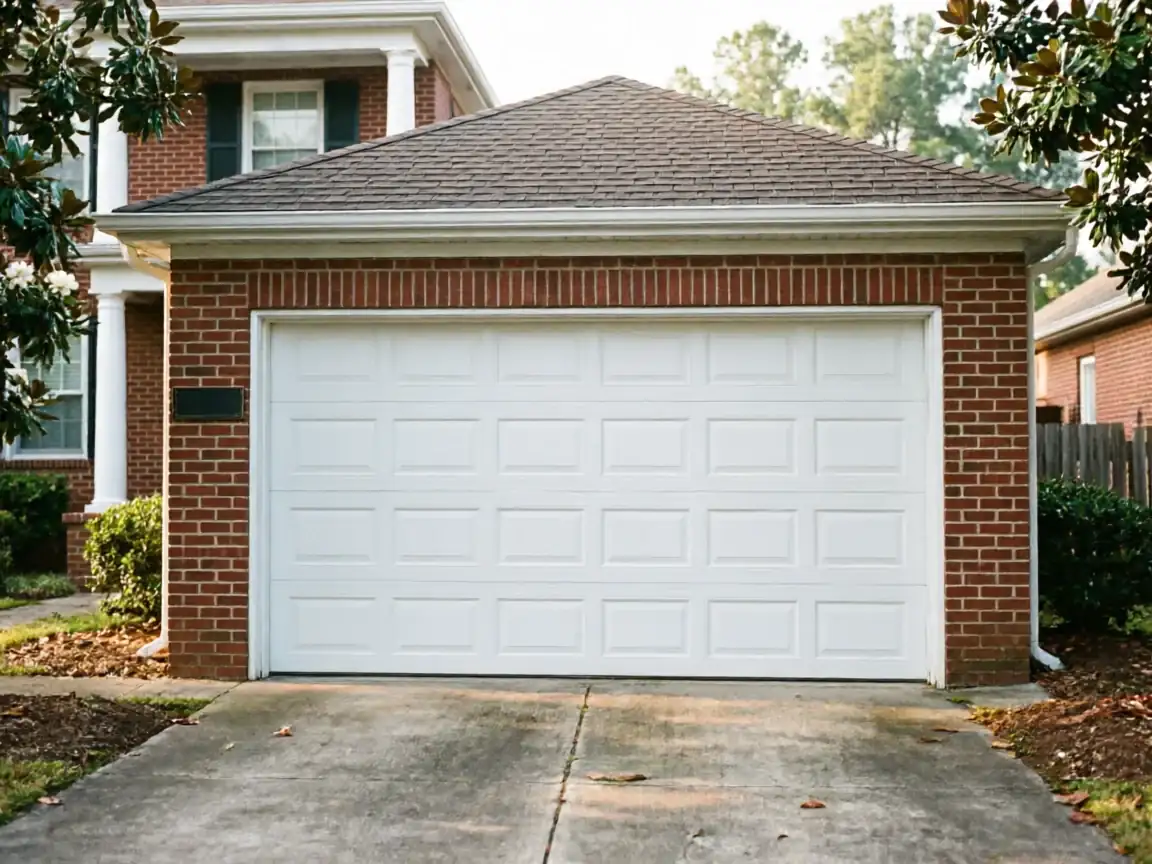
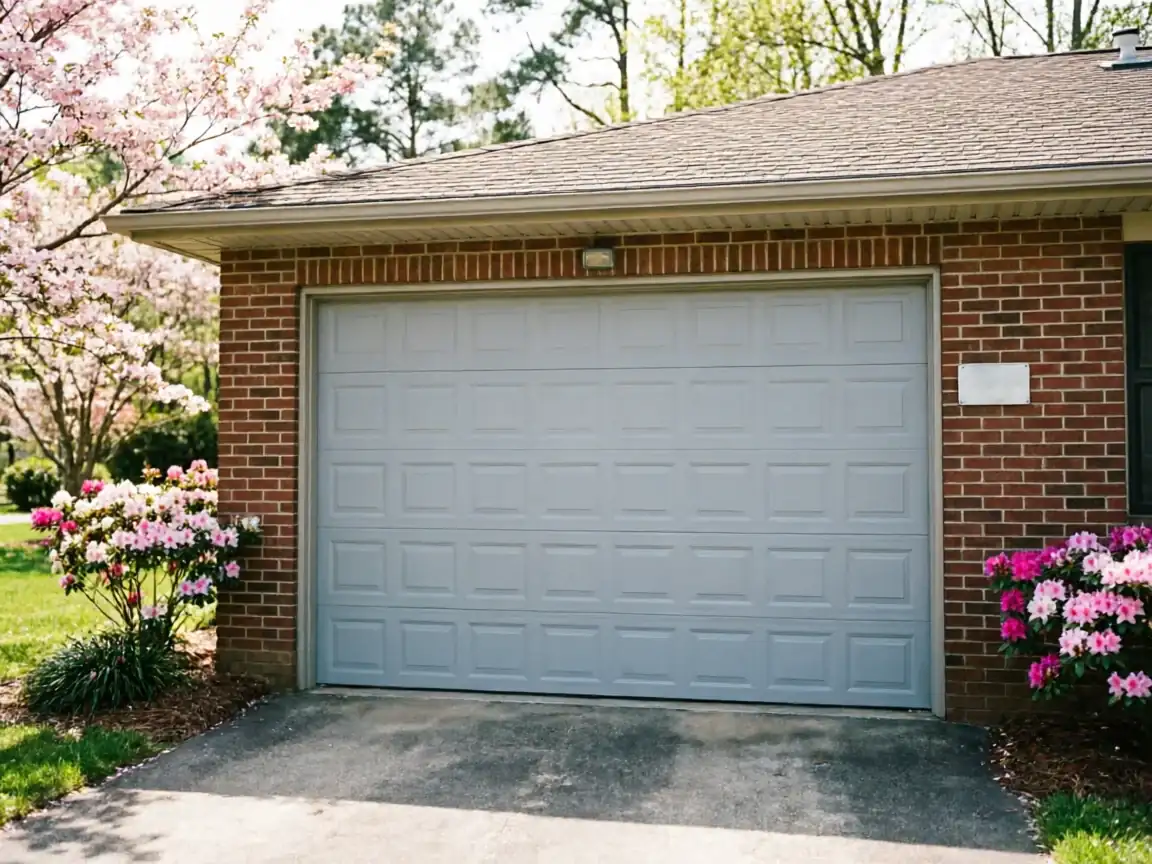
The complaint we hear most from owners calling about a new install rather than a repair isn't that the door is broken - it's that it's tired. A steel door from the 1960s-70s building wave that's still structurally fine but has no insulation, a dented panel from decades of use, or an opener that's been retrofitted onto hardware it wasn't designed for.
With median household income in this area running lower than the region's broader figure of $52,799, a lot of the calls we get here are from owners weighing a full replacement against patching what's there one more time. That's a fair question to ask, and we'll answer it honestly rather than pushing new hardware on a door that still has life in it. If the track and spring are sound and it's just the panel that's gone, we'll say so.
The Complications
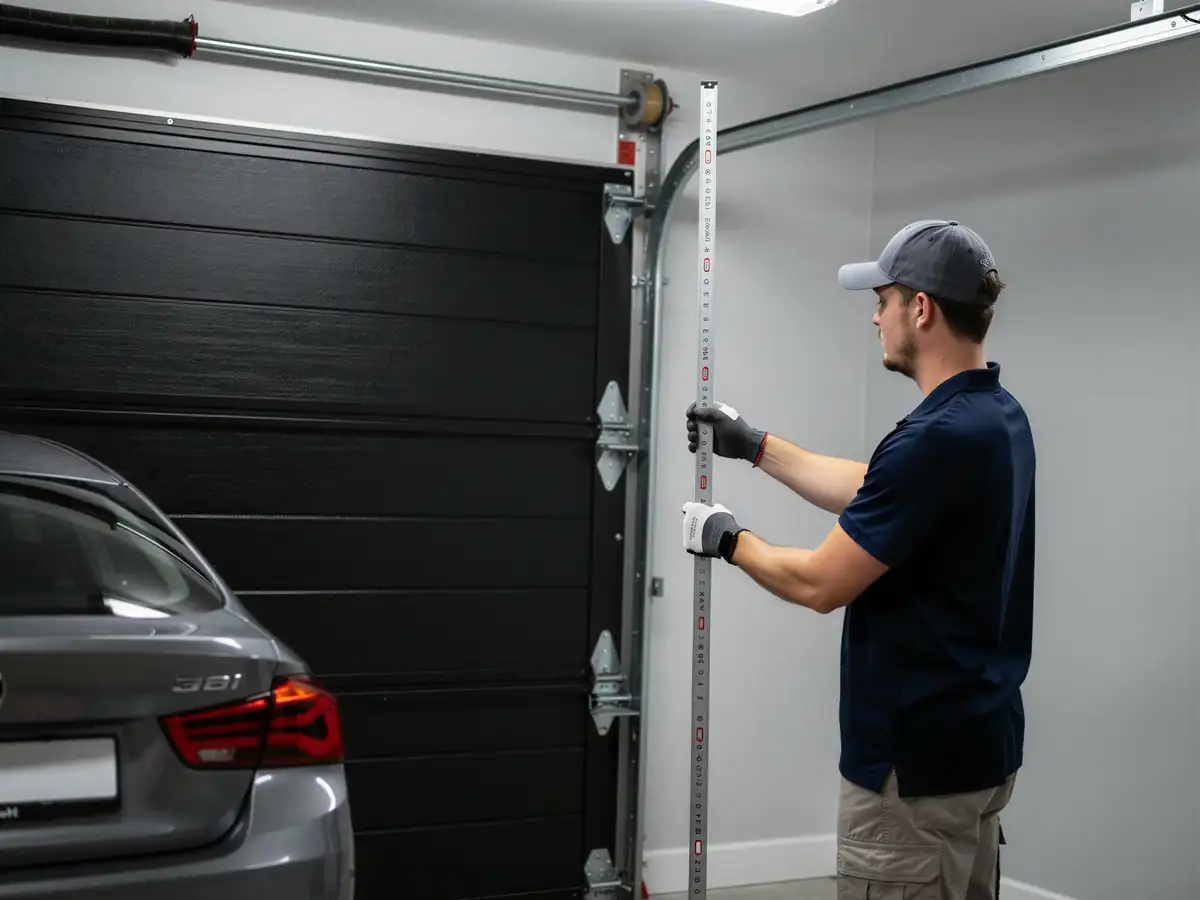
The biggest wrinkle with older stock - and a fair share of Cave Spring's houses sit right in that 1960s-70s build window along with the rest of the area - is headroom. Some garages from that era were framed tight, with just enough clearance for a low-profile single-panel door and no more. Swap that for a modern sectional door with a standard torsion spring setup and you can run out of vertical clearance fast. We measure for this before we quote, not after we show up.
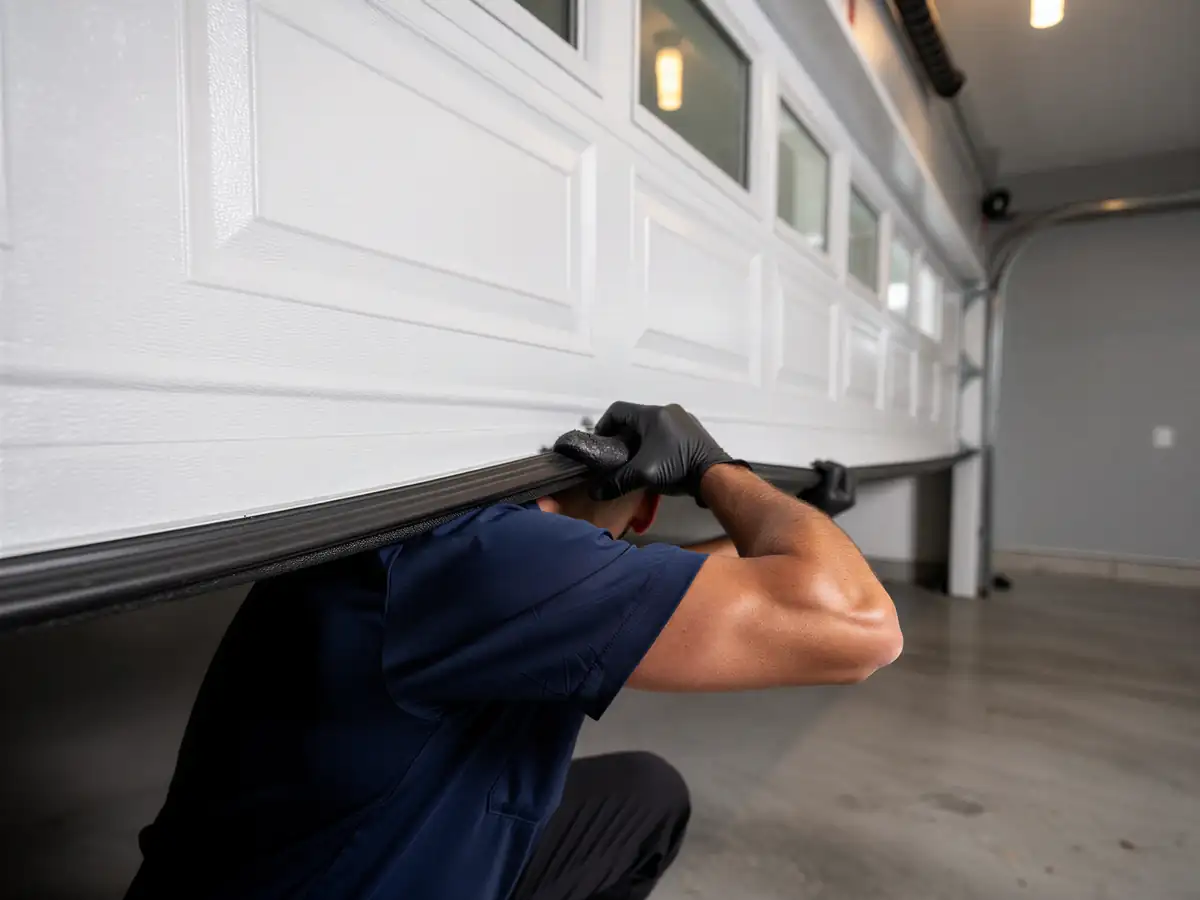
Cold-weather sealing is the other one. This area sits in a moderate cold climate band, which isn't severe, but it's enough that a bottom seal and weatherstripping that fit loose will let noticeable draft through by midwinter. We spec the seal kit to the door, not a generic size.
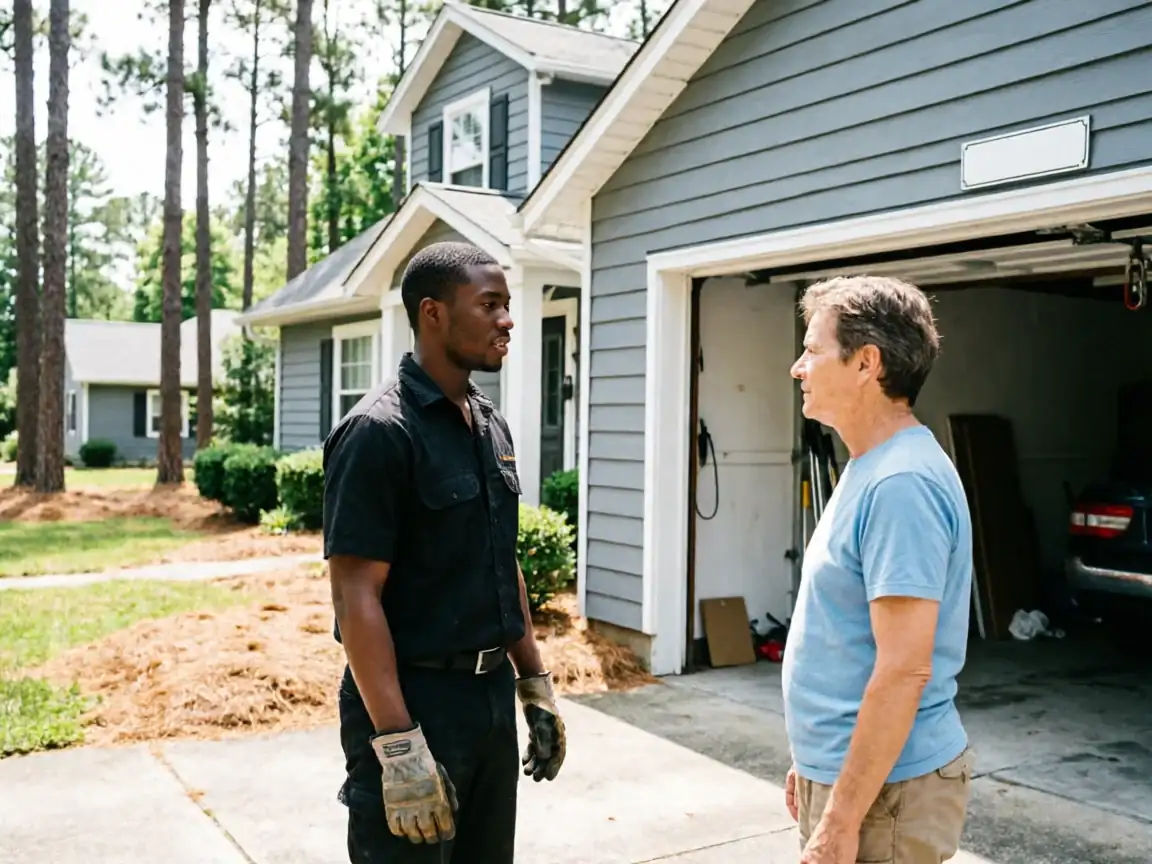
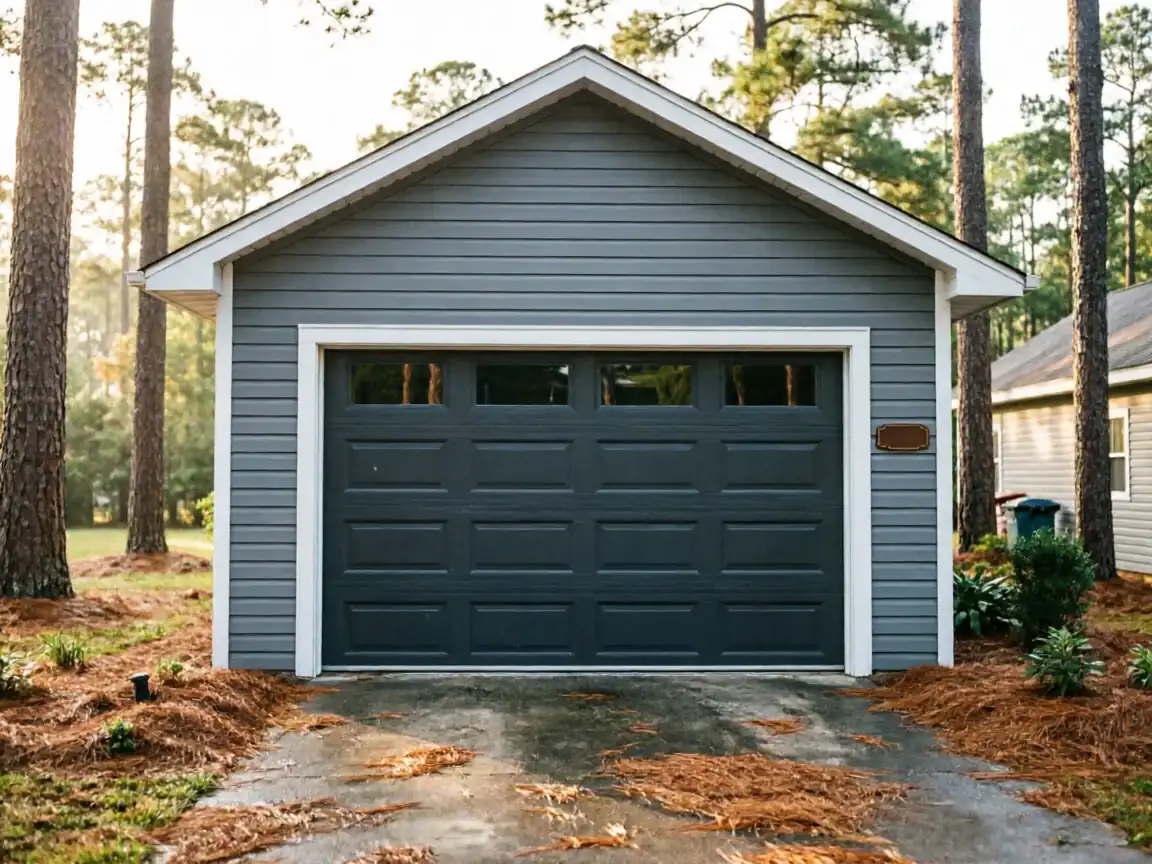
Here's the honest limit: if your opening is non-standard - an add-on garage, a converted carport, anything built outside normal framing - we may need to order a door to size rather than install off the truck. That adds lead time we don't control, and we'll flag it as soon as we see the opening, not after we've taken a deposit.