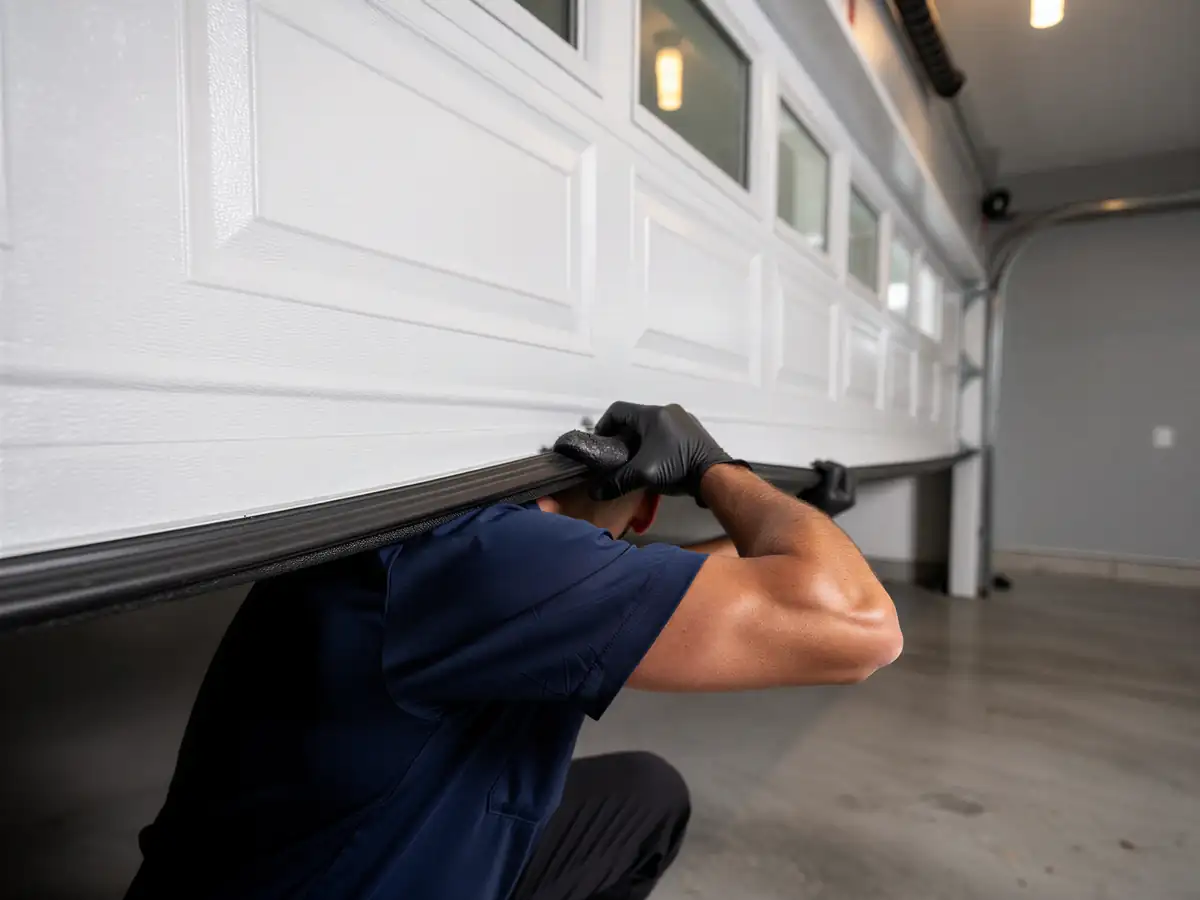
What the Fix Involves
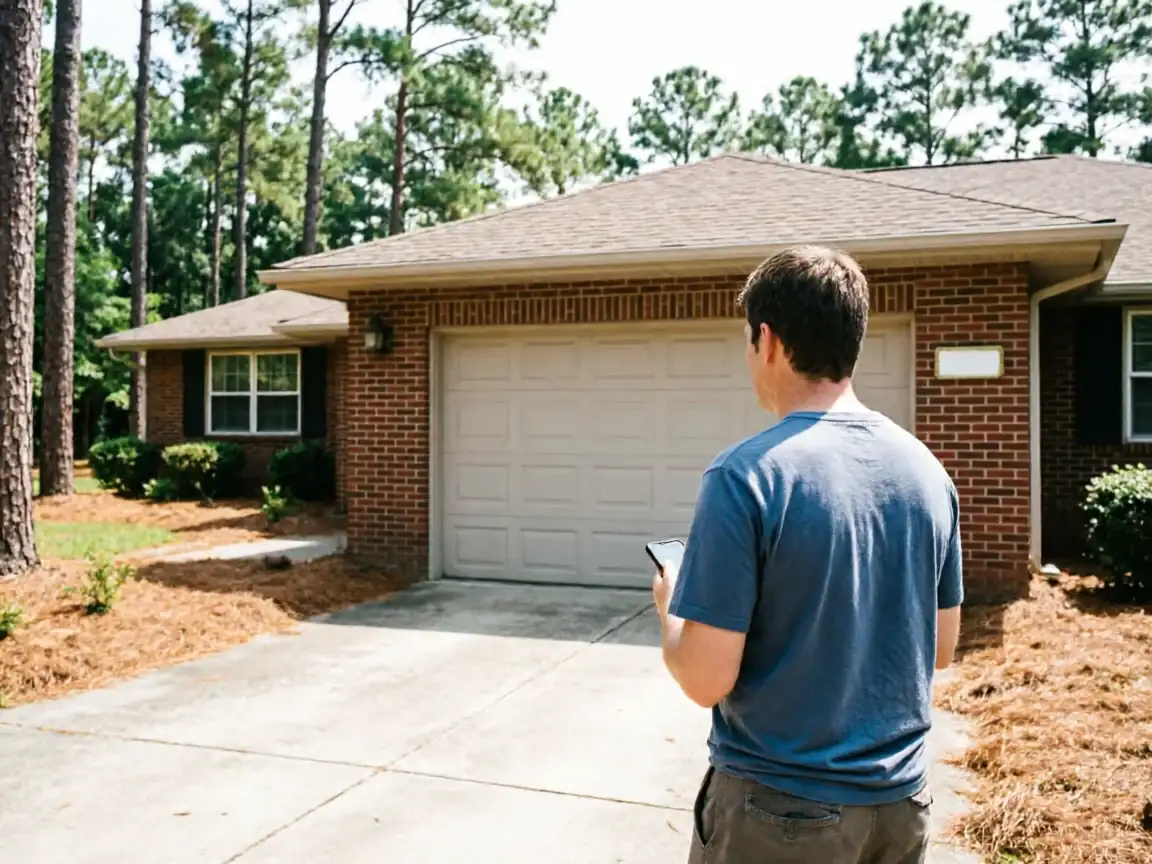
Cave Spring sits 14 miles out from Rome, and the housing here skews a touch older than the median for the service area overall. Rome Garage Door Pros sees a median build year of 1975 across the nine communities it covers, but the homes on this side of the county tend to cluster closer to 1971. That five-year difference doesn't sound like much until you're the one on the ladder - doors from that window often ran galvanized steel tracks with narrower flanges than what gets installed today, and the roller carriages don't always match current hardware without an adapter bracket.
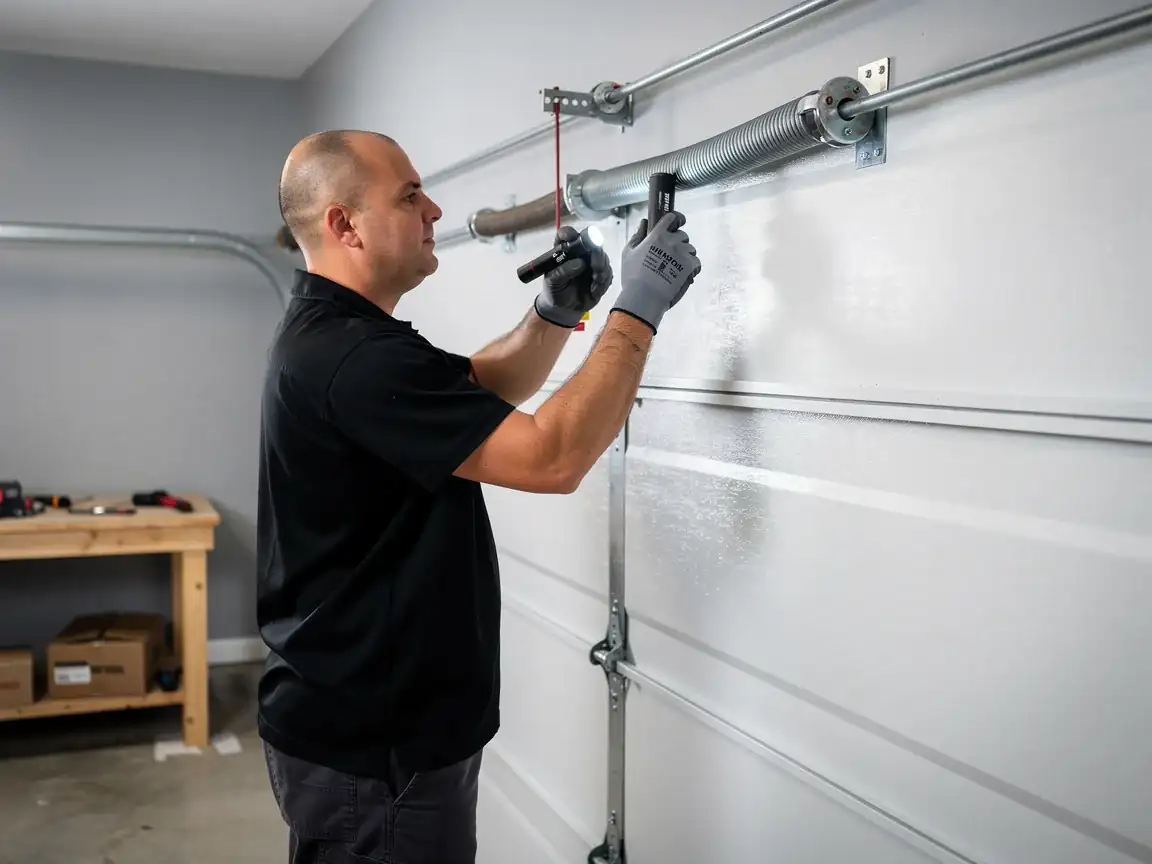
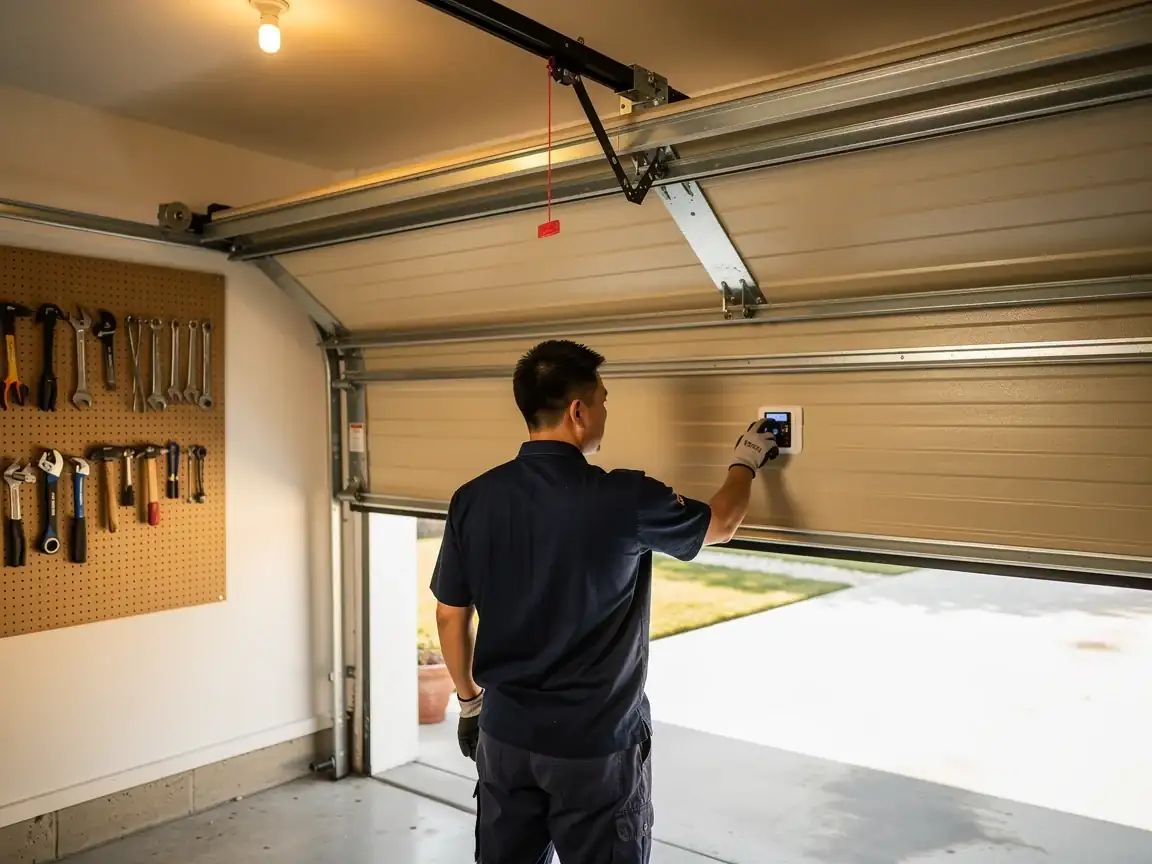
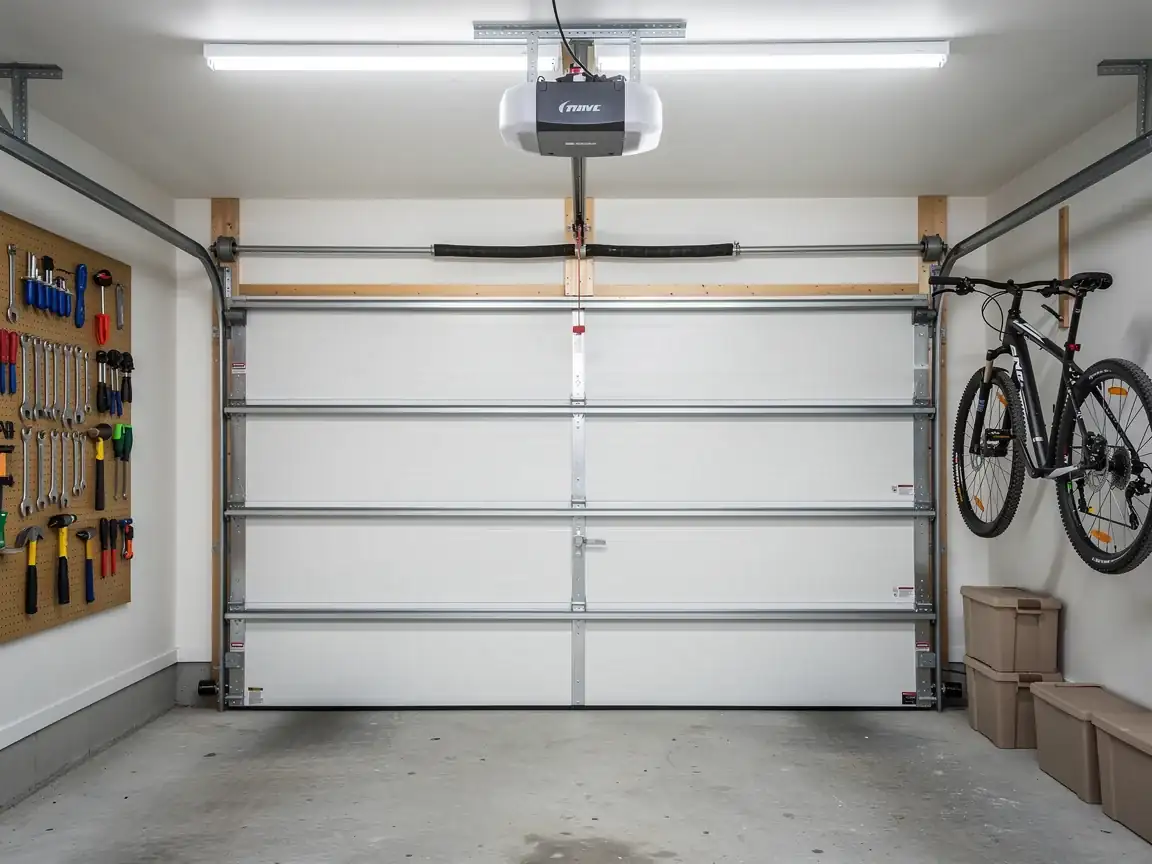
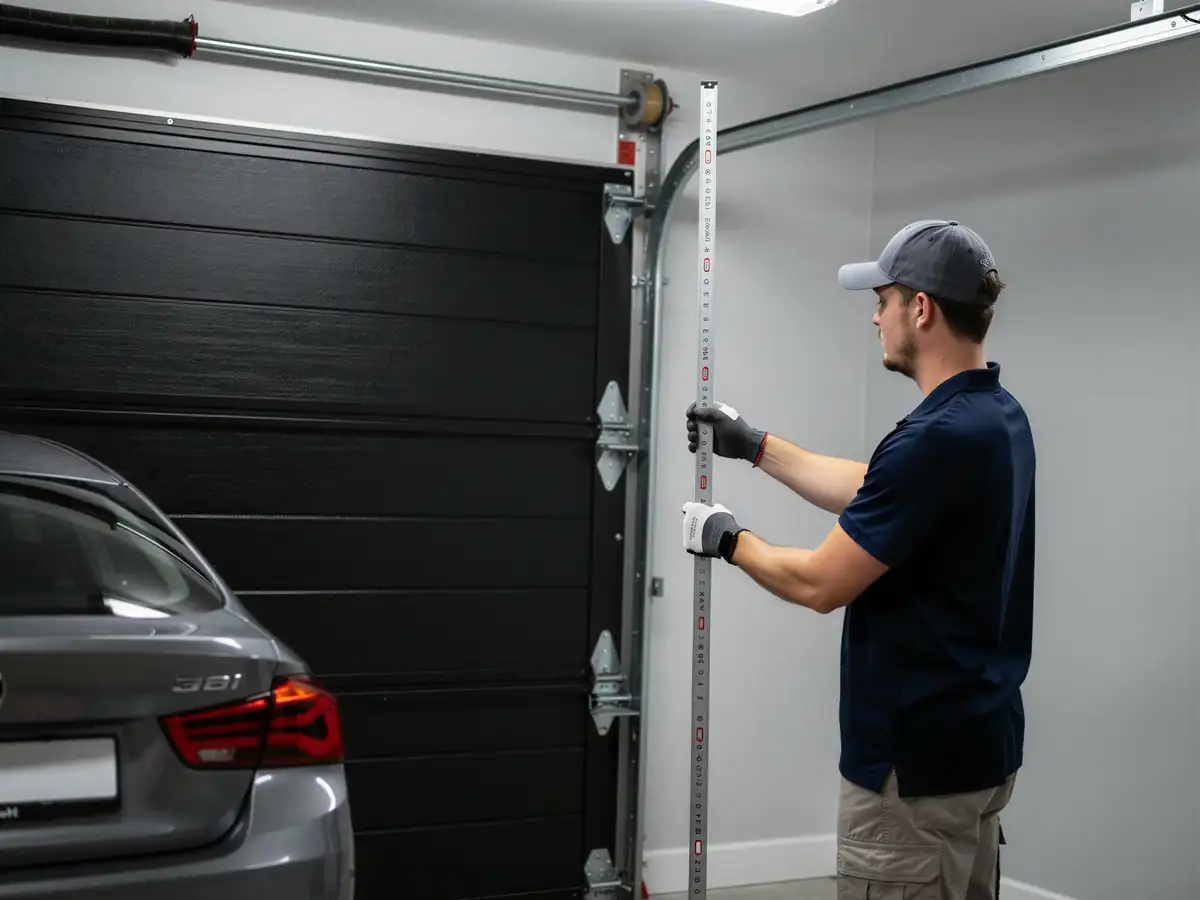
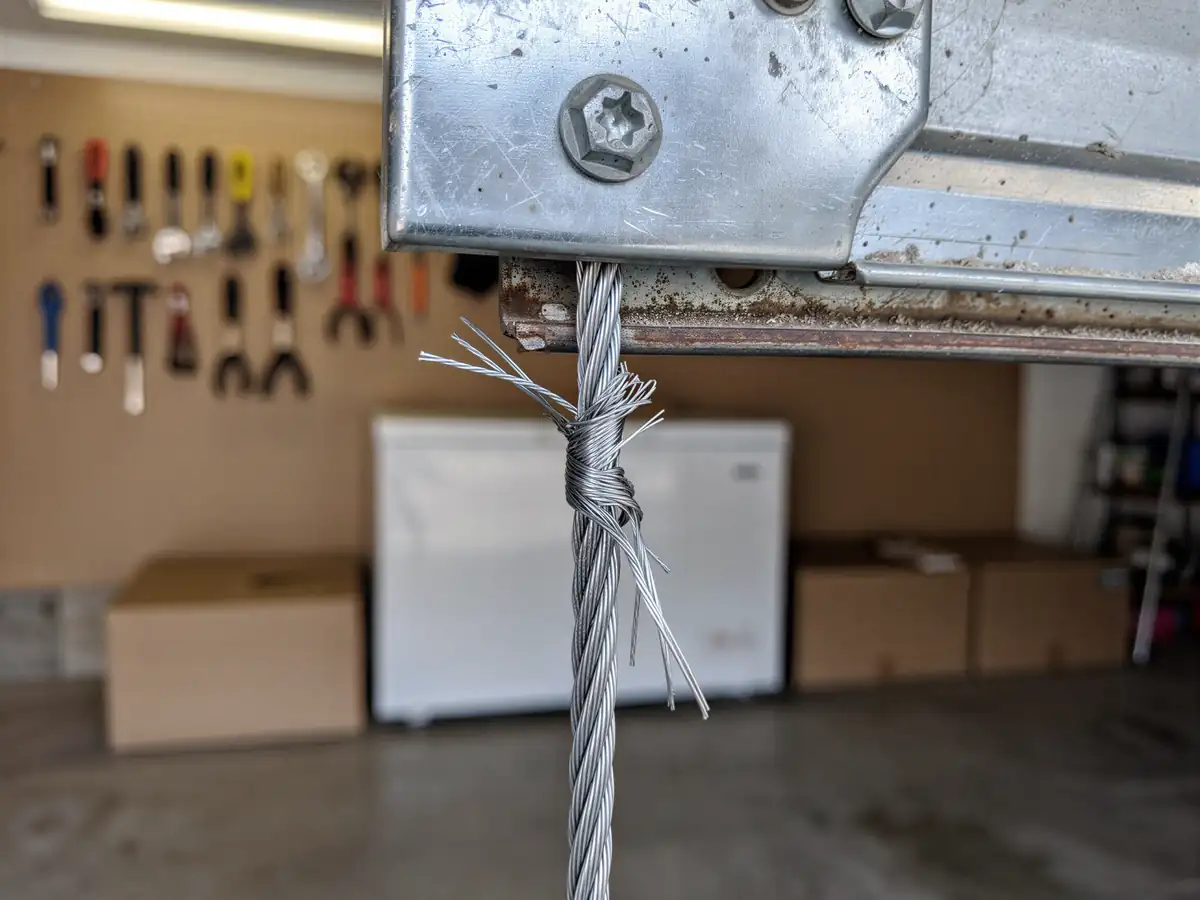
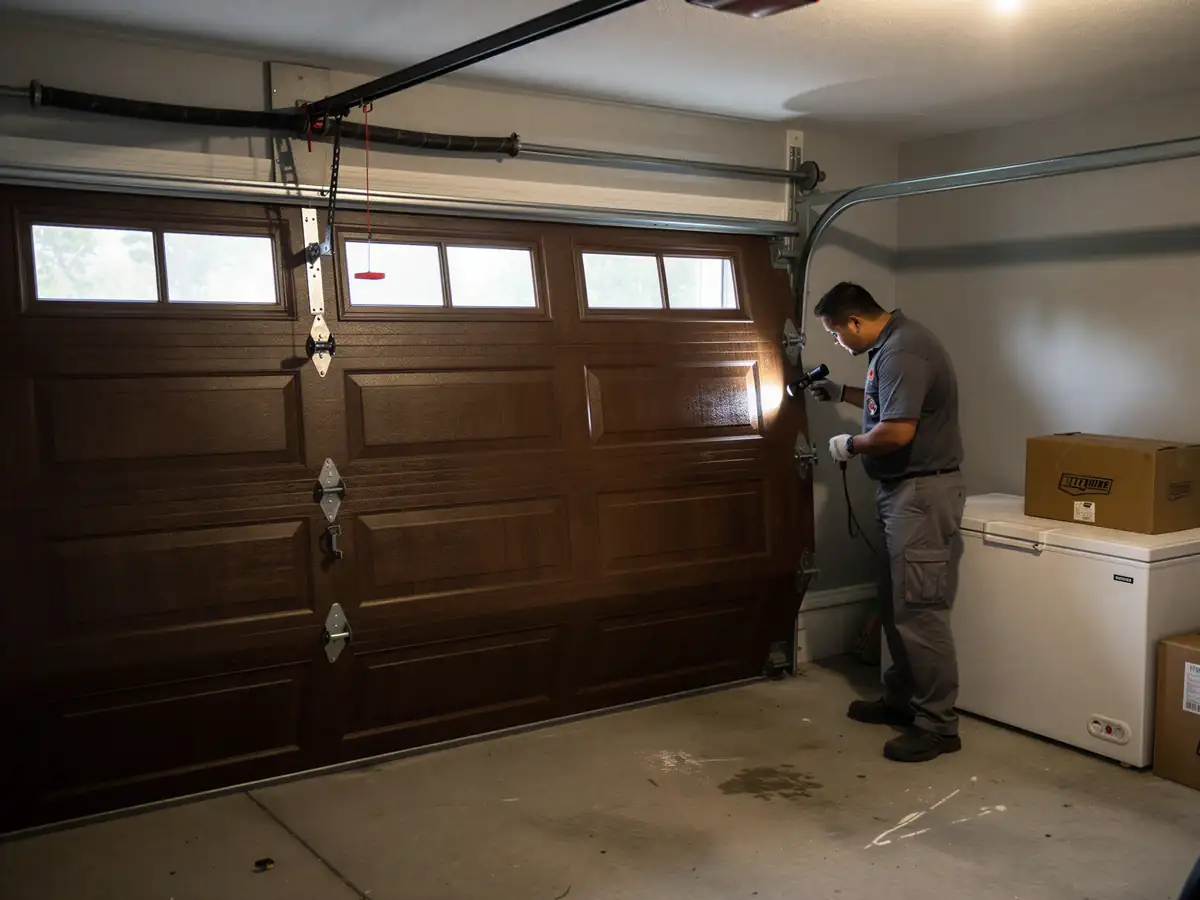
An off-track door almost always means one of two things: a bent track rail from the door getting forced past a jammed roller, or a broken cable or lift wire that let one side of the door drop and twist off the rail. We check the track plumb and the rail-to-jamb fasteners first, because on older framing the lag screws loosen over decades and let the whole rail rack out of true. If the rail itself is bent at the bottom bracket, it gets replaced rather than hammered straight - that's a repair that holds for a season and then fails again, so we don't offer it as a fix.
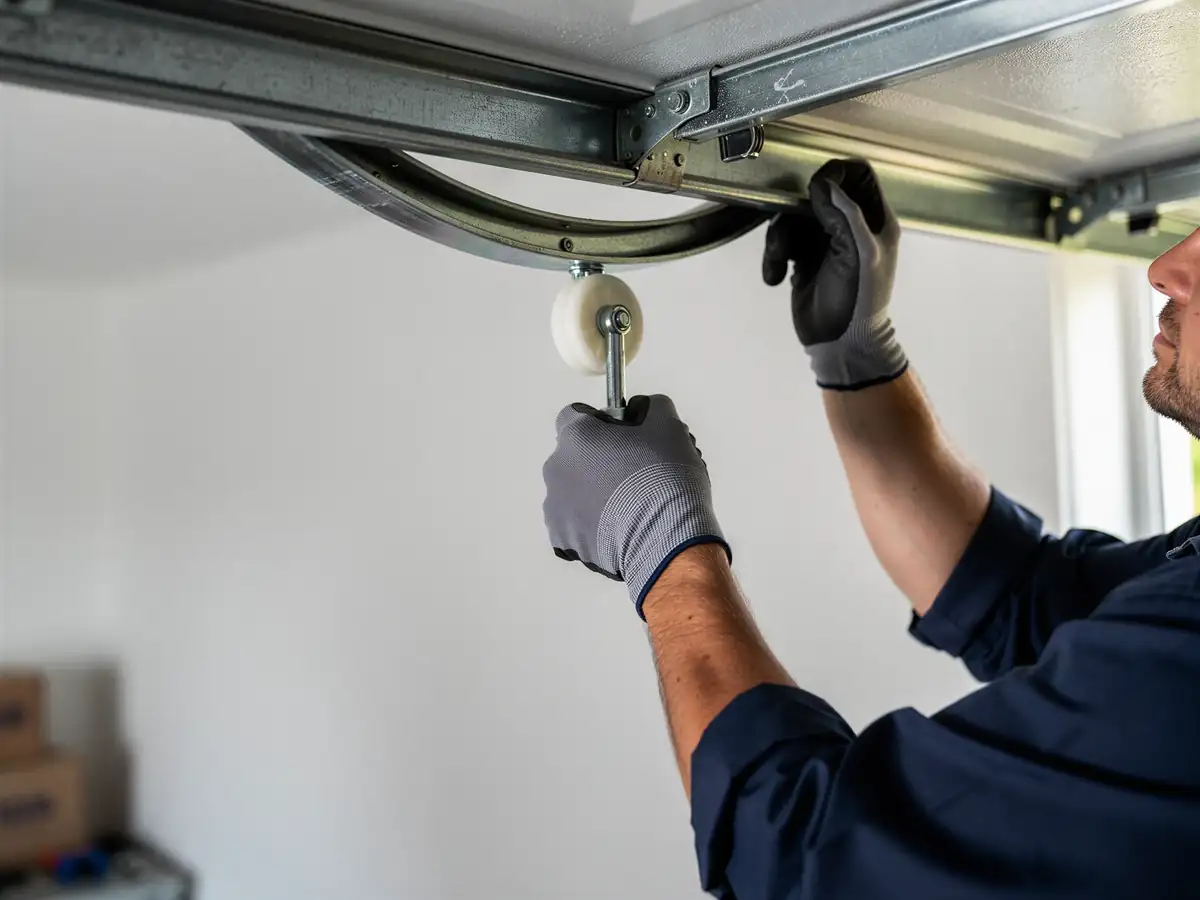
We also look at the bottom roller brackets, since on doors from this era they're often the original steel stamping and the bracket ears wear thin enough to let the roller walk sideways under load.
How Long It Takes
Most off-track calls here run one to two hours once the truck is on site
Depending on whether it's a single track knocked loose or both sides racked. Replacing a bent section of rail and resetting the rollers is the bulk of the job; realigning the jamb brackets on an out-of-square opening - common enough in homes built before 1980 - adds time because you're shimming rather than just bolting back to spec.
We don't carry a stock of every roller and bracket size for doors built across a 1957-2001 window
So if the hardware on your door is an older profile that's been discontinued, the visit may be a diagnosis-and-order trip rather than a same-visit fix. That's the honest limitation: we'd rather tell you a part needs to be sourced than jam in a mismatched bracket that strips out in a year.
The Symptom
The door looks crooked in the opening, hangs at an angle, or one bottom corner sits lower than the other. Sometimes it's quieter than that - the door runs but you hear a scrape or grind on one side as a roller rides the edge of the rail instead of sitting in the channel. Either way, don't run the opener again once you see daylight at one corner of the door; forcing it with the motor running usually turns a bent rail into a cracked panel.
On colder mornings, which this region gets a fair share of given the moderate-cold climate band it sits in, stiff grease in an older roller bearing can make a marginal track problem show up as a hard stop or reversal the first cycle of the day, even if the door tracks fine by afternoon.
The Complications
With 417 households in this immediate area and a median income of $47,560, a fair number of garage doors here are original to houses built in the early 1970s and have never had the track hardware upgraded. That matters for off-track repairs specifically: a modern nylon roller doesn't always seat right in a track rail sized for the steel rollers common when these doors were installed, so a straight swap can leave the door riding loose in the channel even after the visible problem is fixed.
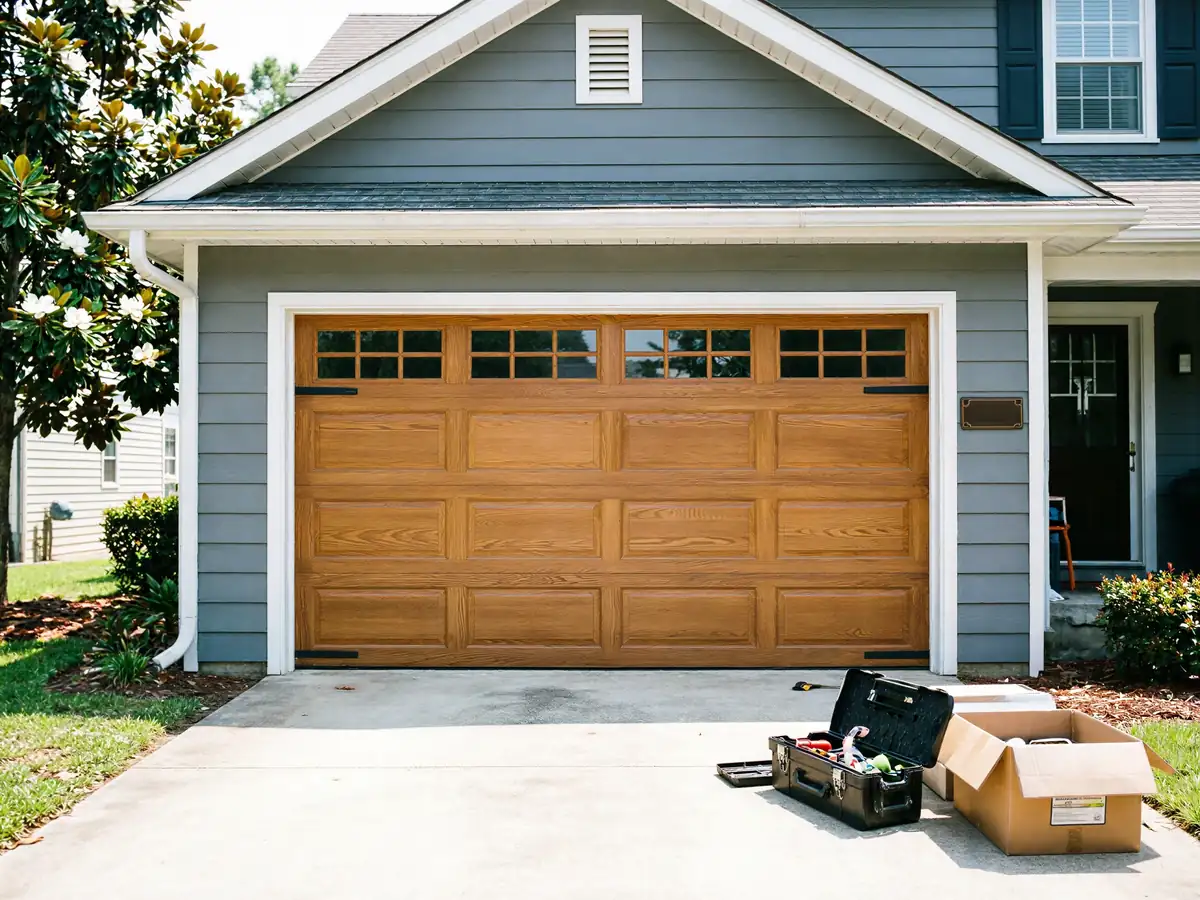
We also see two-car doors where only one panel section has ever been replaced - usually after storm or impact damage - and the replacement section is a different gauge than the original. That mismatch puts uneven weight on the roller brackets, which is often why one side comes off the track while the other never does.