What the Fix Involves
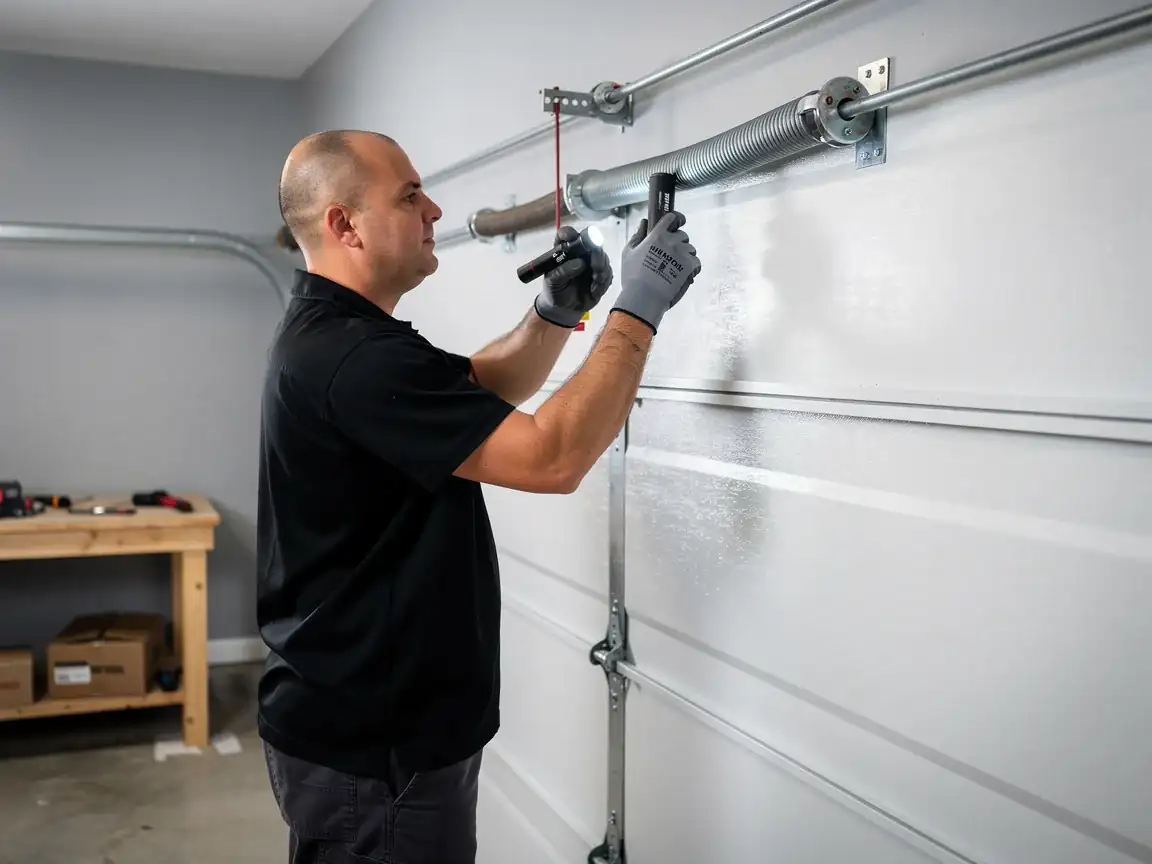
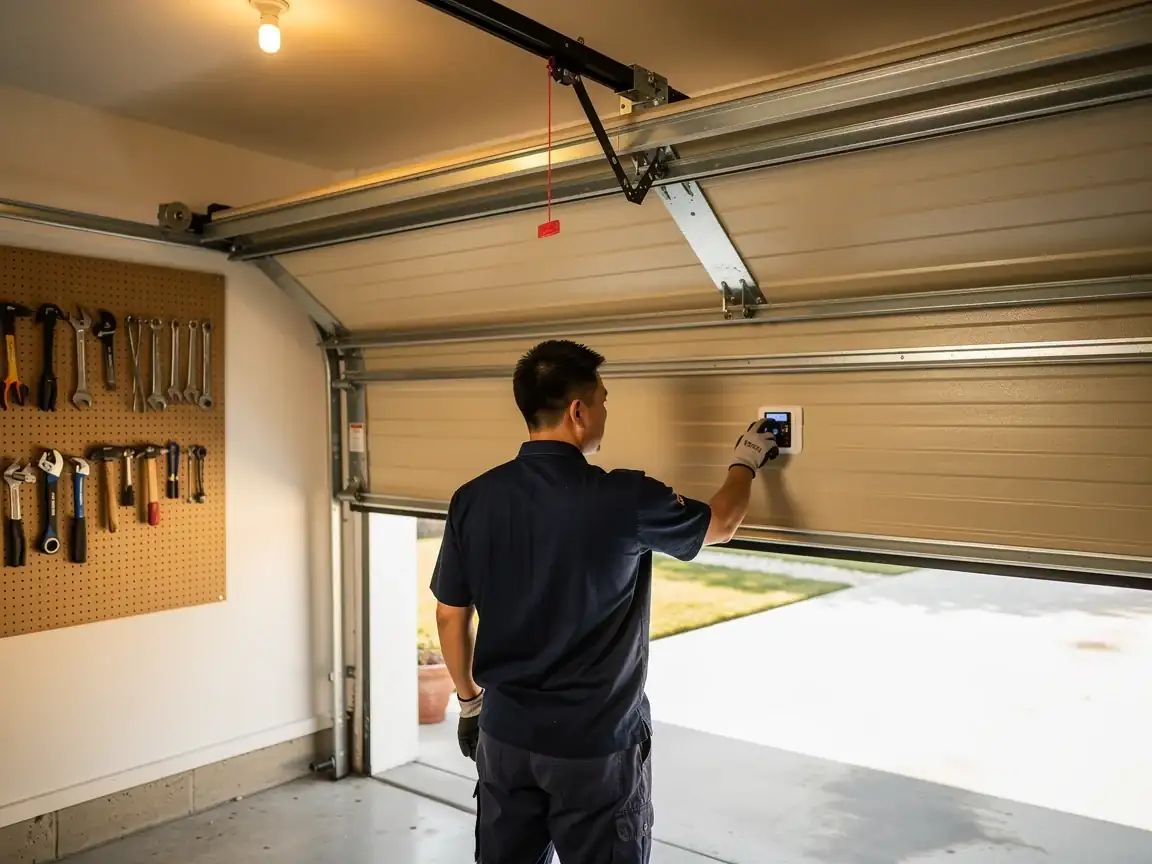
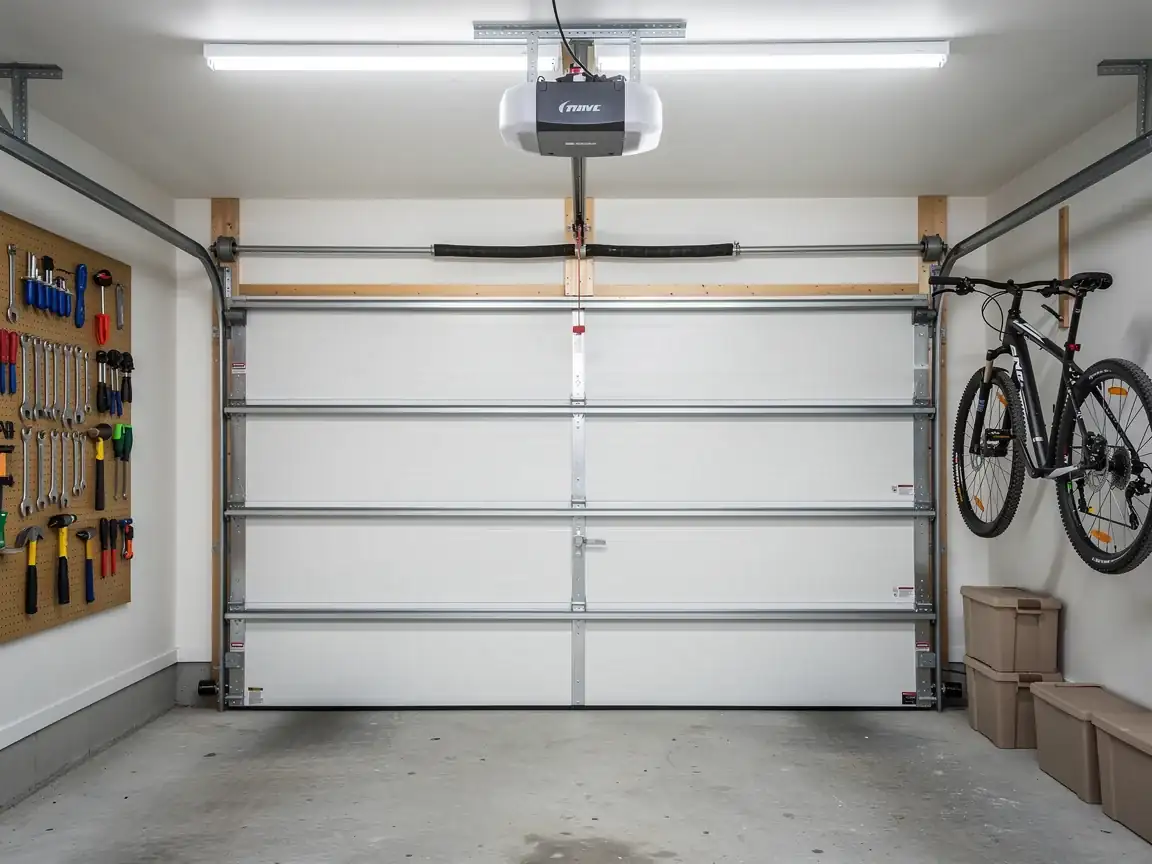
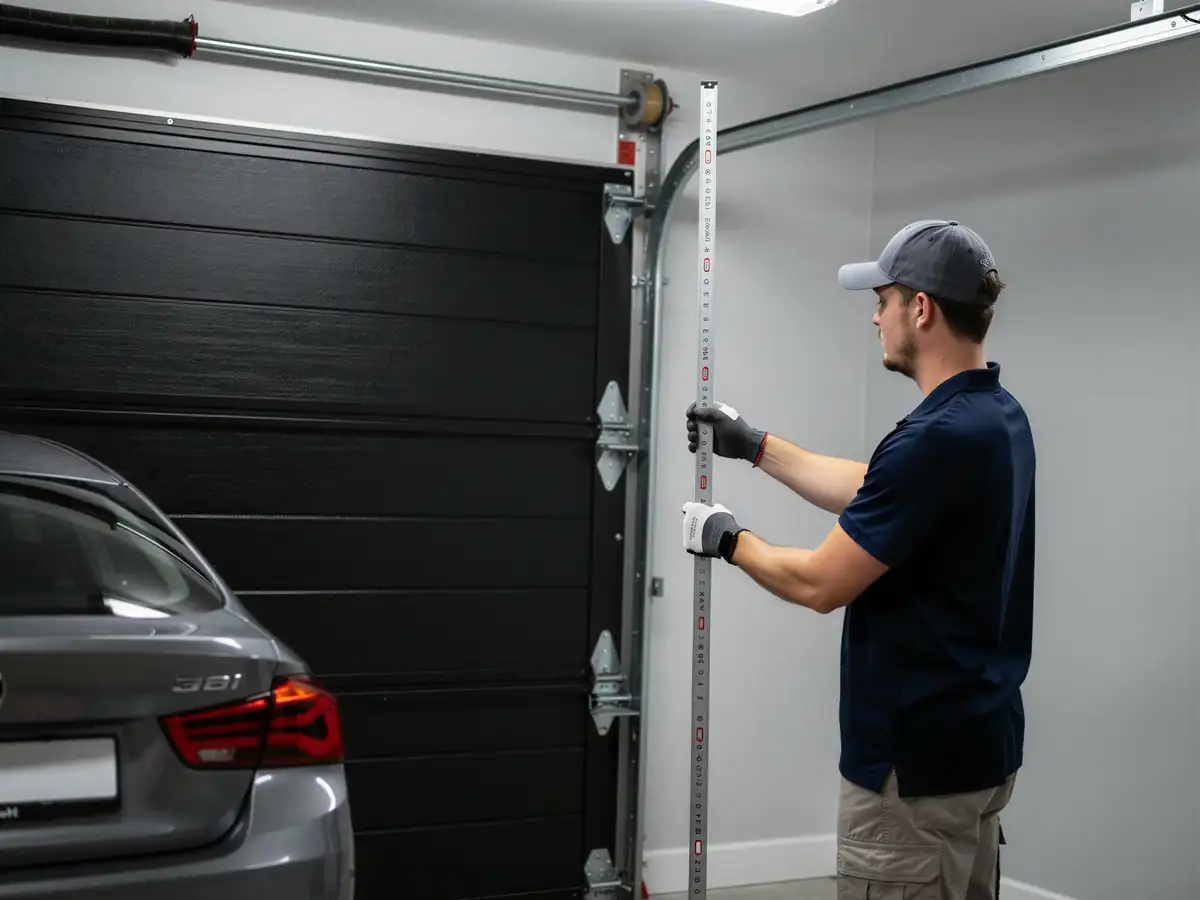
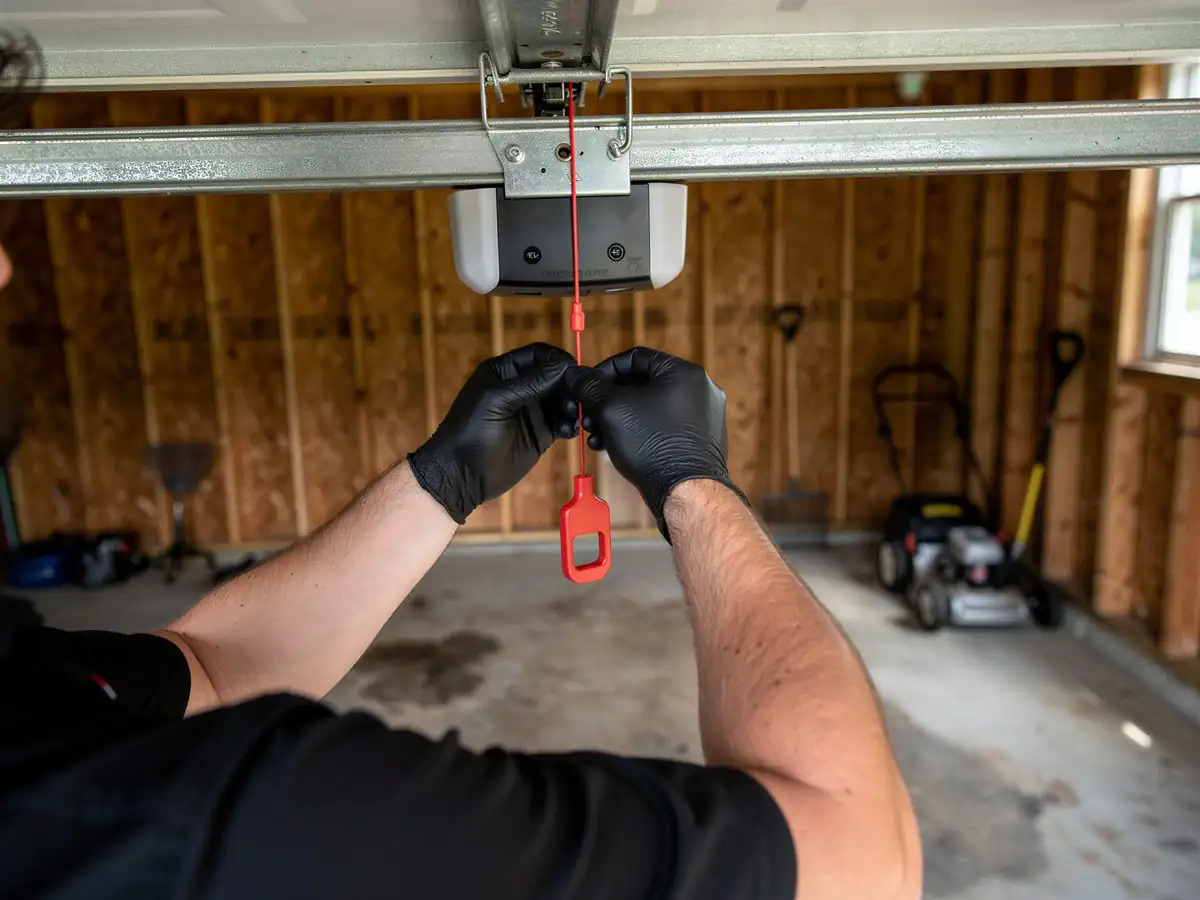
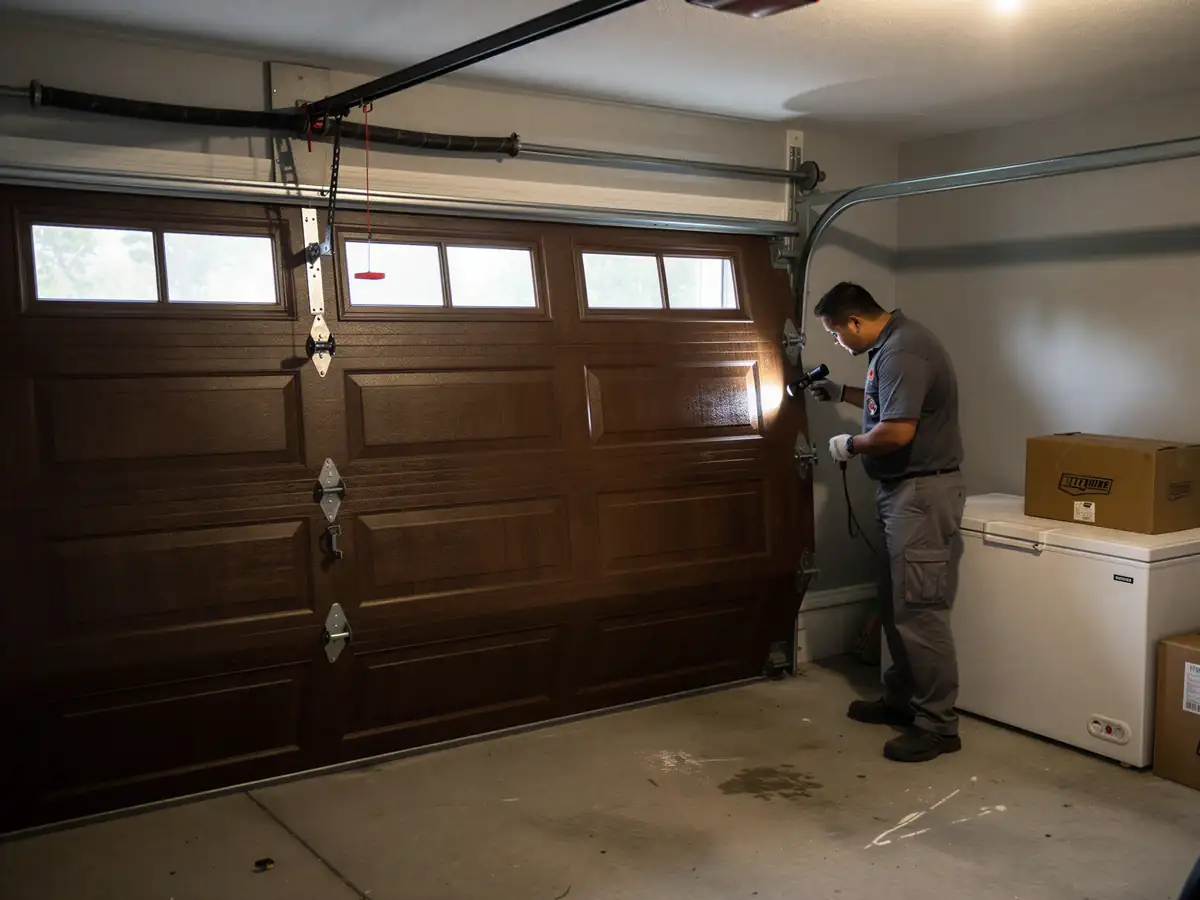
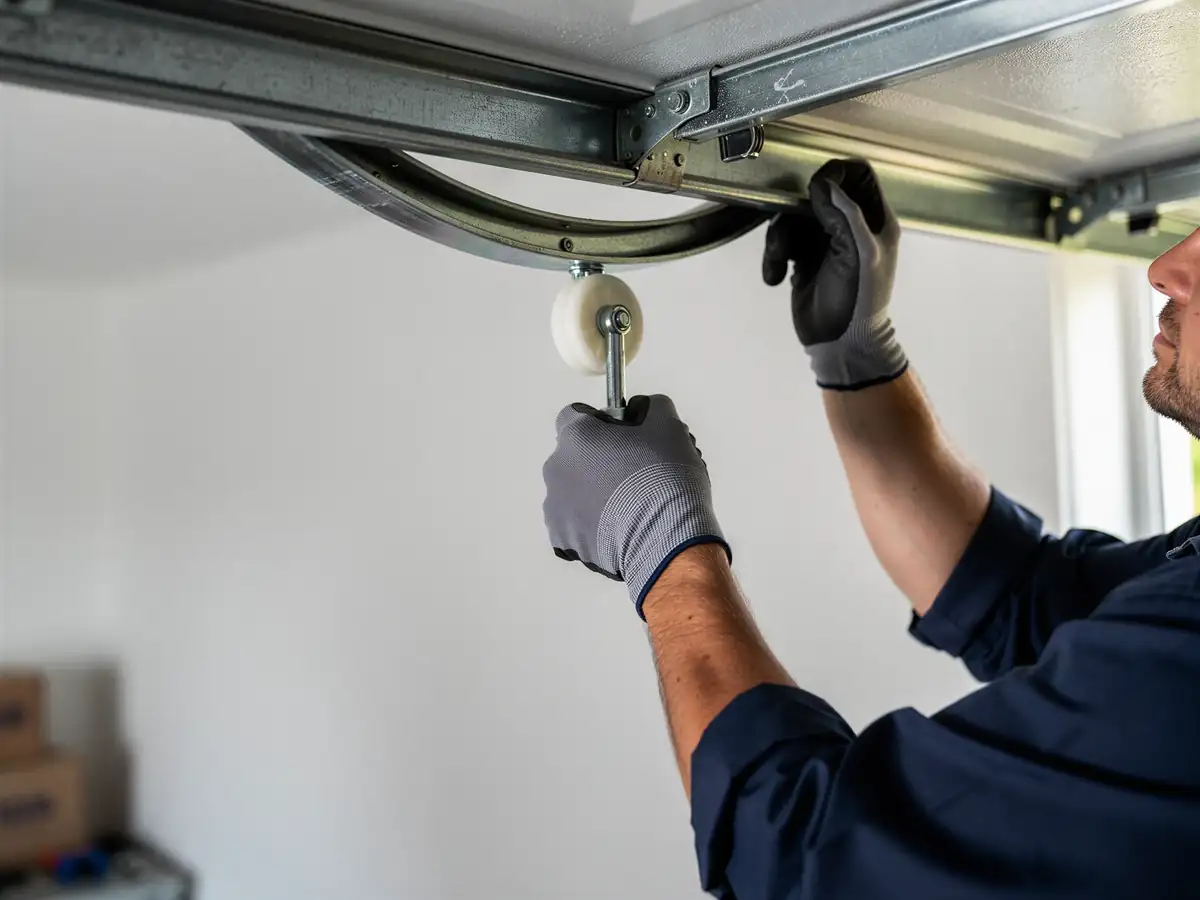
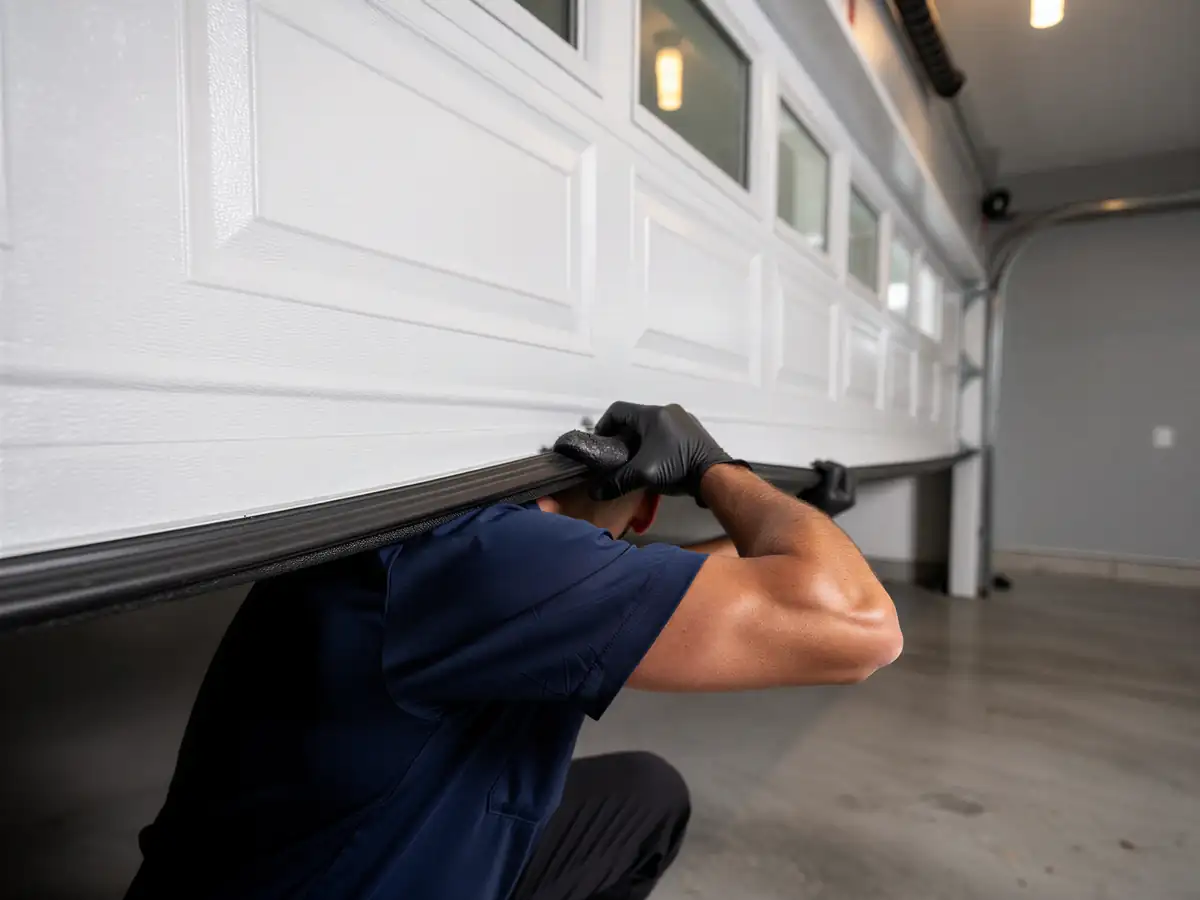
Cave Spring's median household income sits at $47,560, lower than much of the rest of the area we cover out of Rome. That number matters more than it sounds like it should, because it decides where the repair-or-replace line falls. On a house built around 1971 - which is close to the median build year here - a torsion spring, worn rollers, or a dry track almost always make more financial sense to service than to rip out and replace. A full tune-up means lubricating the track and hinges, checking spring tension, tightening the hardware that's worked itself loose over fifty-some years of opening and closing, and testing the auto-reverse safety sensors. On a door this age, we're also looking at whether the cable drums and bottom brackets still meet spec, since replacement parts for that era aren't always a same-day item. We don't push a new opener on a homeowner here unless the motor itself has actually failed - at this income level, that's not a call to make lightly, and the math usually doesn't support it for a door that's otherwise sound.
The Symptom
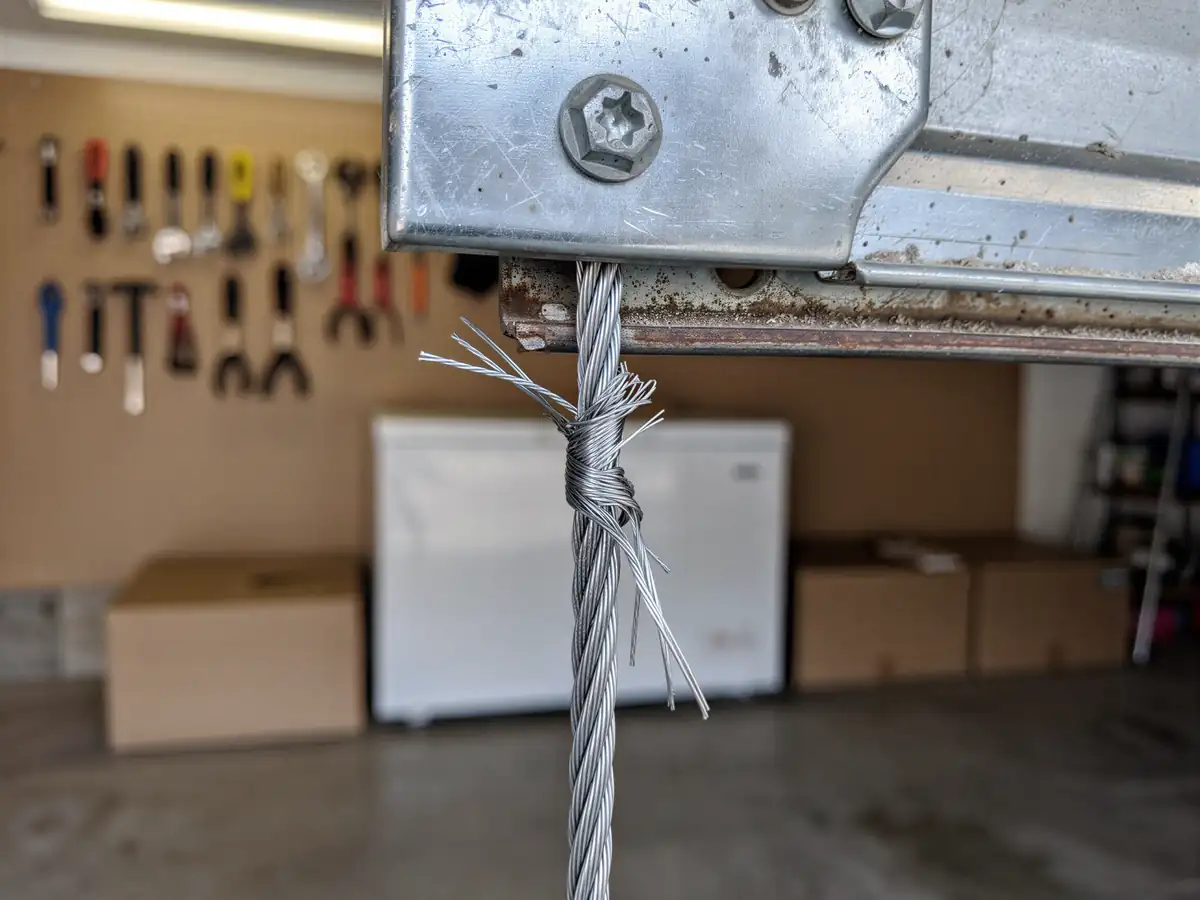
The complaint we hear most from Cave Spring is a door that's gotten loud - a grinding or popping sound on the way up, sometimes a hesitation partway through the cycle. On a door built in the early 1970s, that's almost always dry rollers or a spring losing tension, not a motor problem. Climate plays a part too: this area sits in a cold-moderate band, and metal track and hardware contract in winter, which tightens tolerances that were already loose from decades of use. A door that's quiet in August and noisy in January is telling you exactly what's wrong - it's a maintenance issue, not an opener issue, and catching it early is cheaper than waiting for a cable to snap.
The Complications
Cave Spring is a small area - about 417 households - and that has one real effect on service: we're not running a crew through here daily the way we might in denser parts of the territory. We make the 14-mile drive from Rome for every call, so maintenance visits get scheduled rather than walk-in. The honest limitation: if a part needs ordering - an older-style spring size, a discontinued roller type - that adds lead time, and we won't pretend otherwise. On a house from the early 1970s, original hardware isn't always something we can grab off a shelf same-day. We'd rather tell you that up front than promise a fix we can't deliver on schedule.