What You Pay
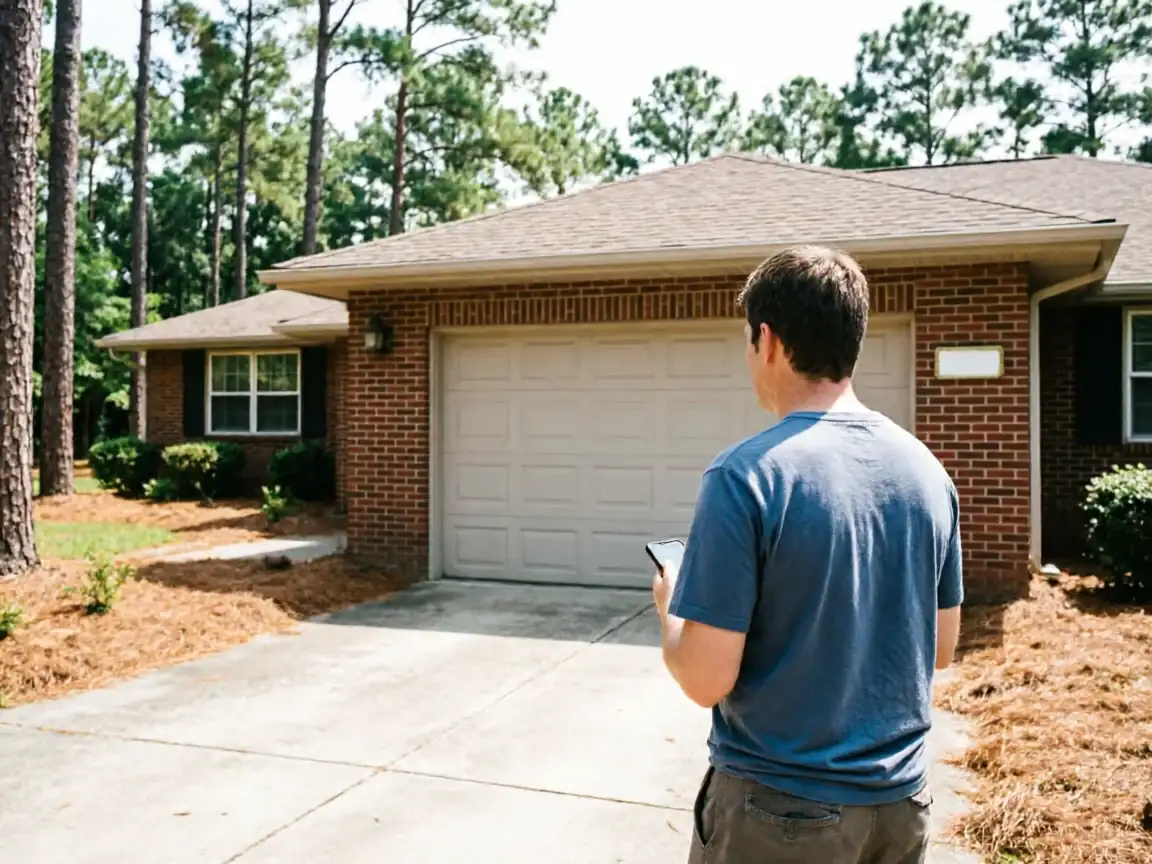
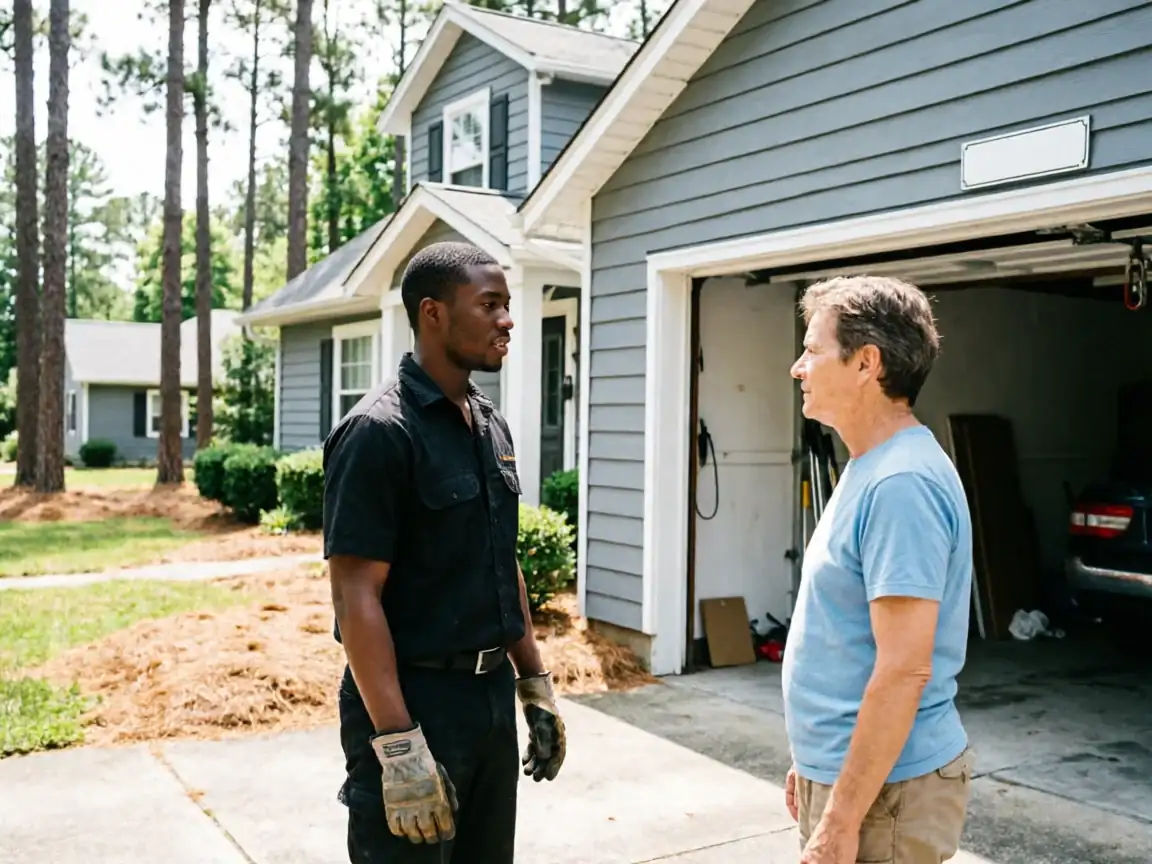
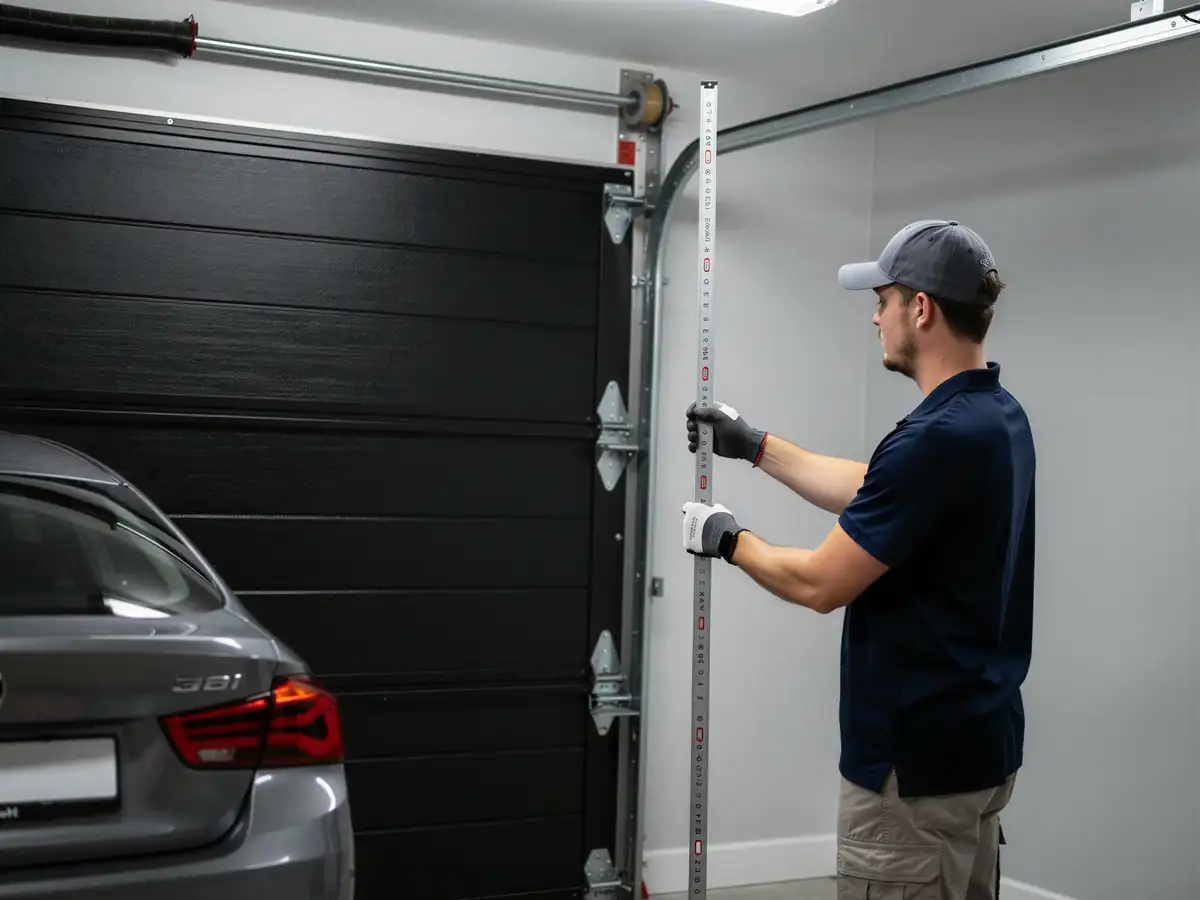
Summerville is a small town - about 2,012 households, nowhere near the size of the 13,713 across the wider service area. That matters for pricing because it means fewer jobs per week here, not a different price list. What drives the bill is what's actually wrong: a torsion spring job costs different money than an opener board or a bent track. With a median household income here around $31,429, well below the $52,799 median for the broader area, we try to be straight about when a repair is the cheaper path and when it isn't. We don't publish a flat number for 'garage door repair' because the fix on a 1974 single-car door with original hardware is rarely the same fix as a newer sectional door. We quote once we've looked at the door, not before.
The Complications
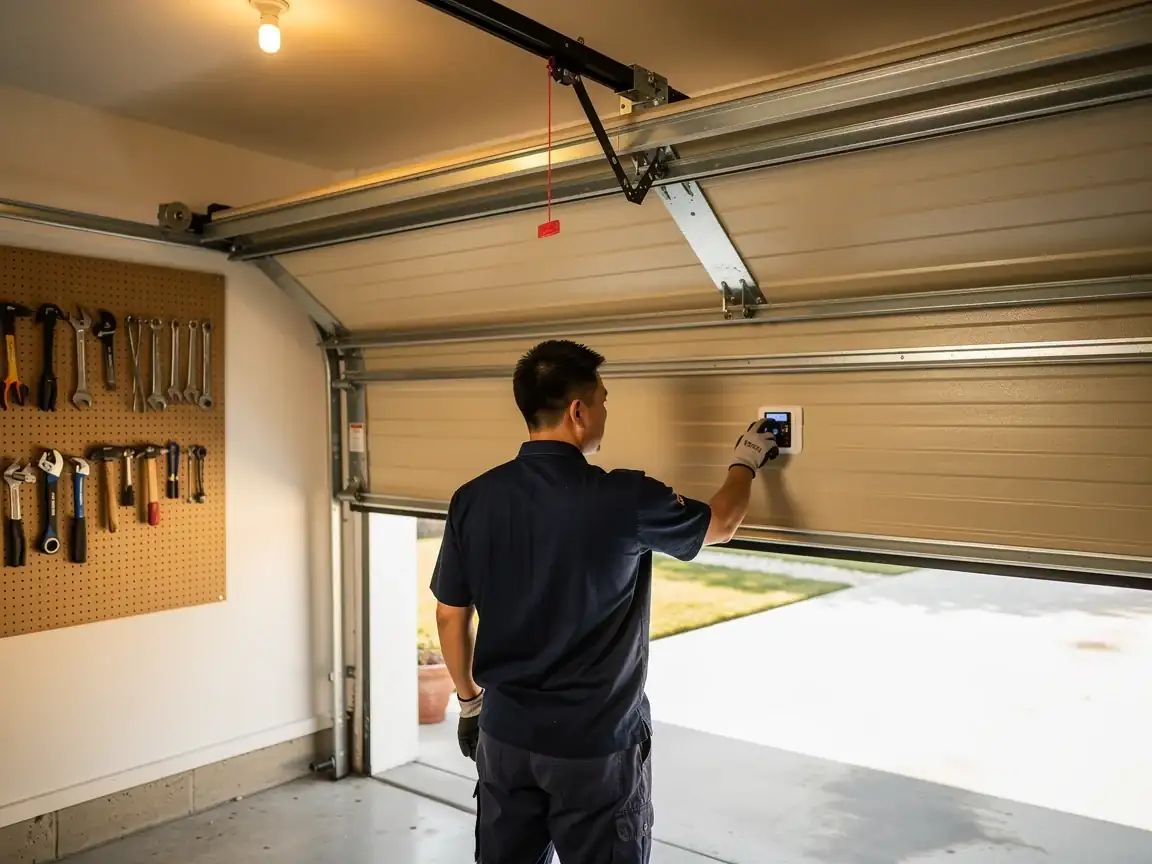
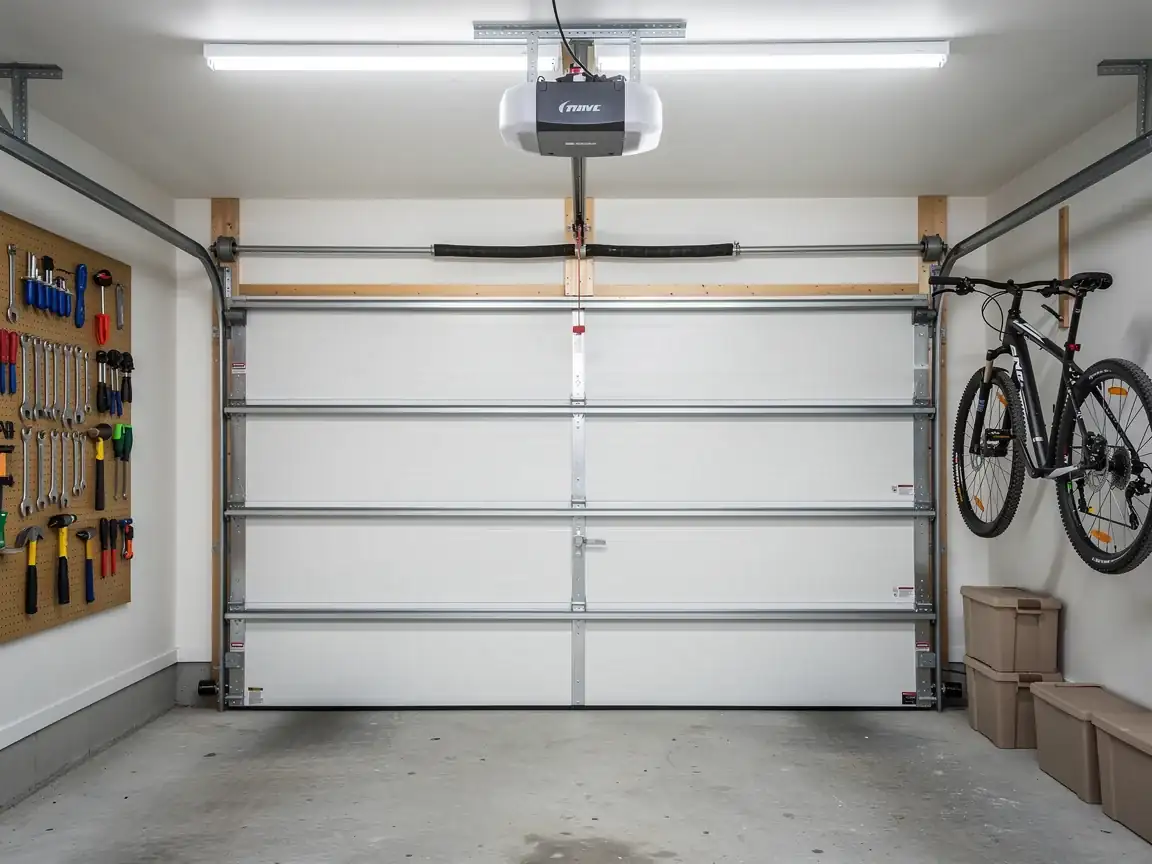
The complication in Summerville is age, plain and simple. A door installed when the house was built in 1974 has had fifty years to collect worn rollers, stretched cables, and a spring that's long past its rated cycle count. Add the region's cold-moderate winters - freeze-thaw swings that stiffen lubricant and shrink metal just enough to throw an already-tired door out of alignment - and small problems here tend to show up as bigger ones. We also see openers from eras before modern safety sensors were standard, which changes the repair from 'swap a part' to 'bring the whole unit up to a safe working standard.' That's not a job we shortcut.
The Symptom
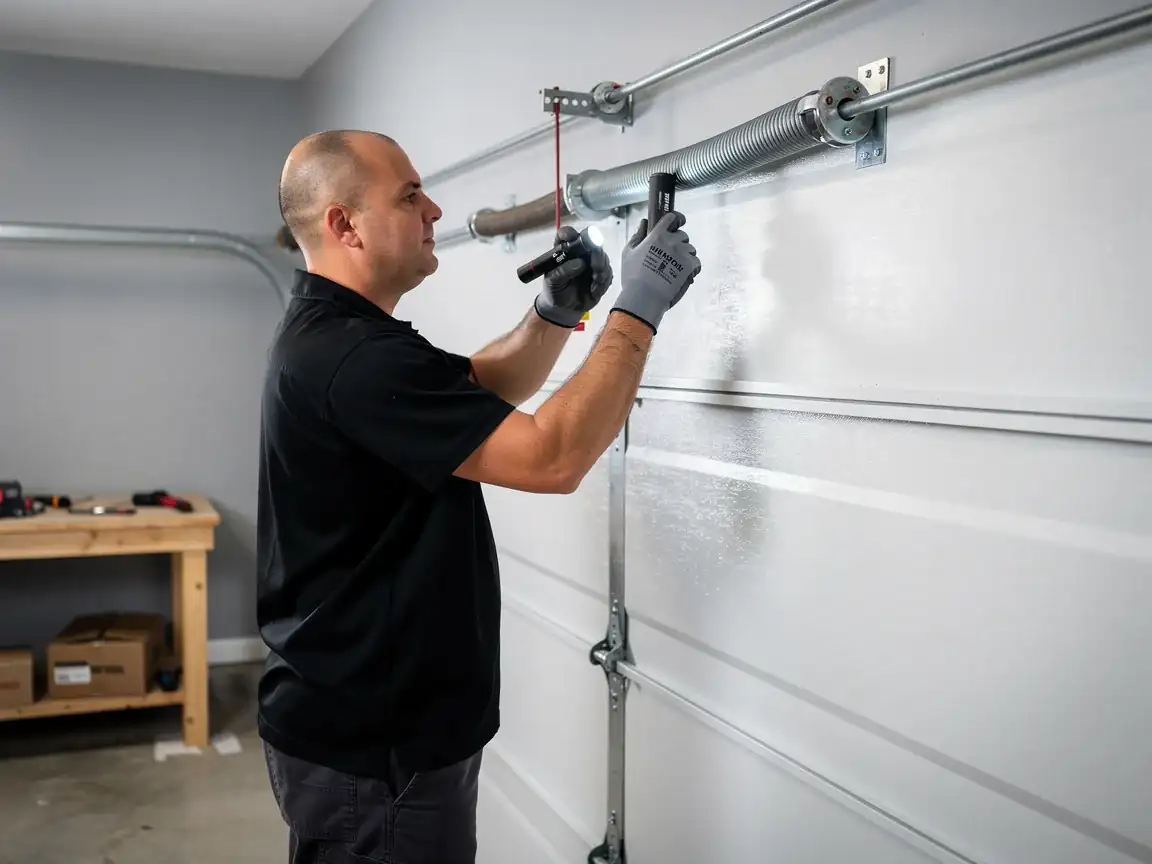
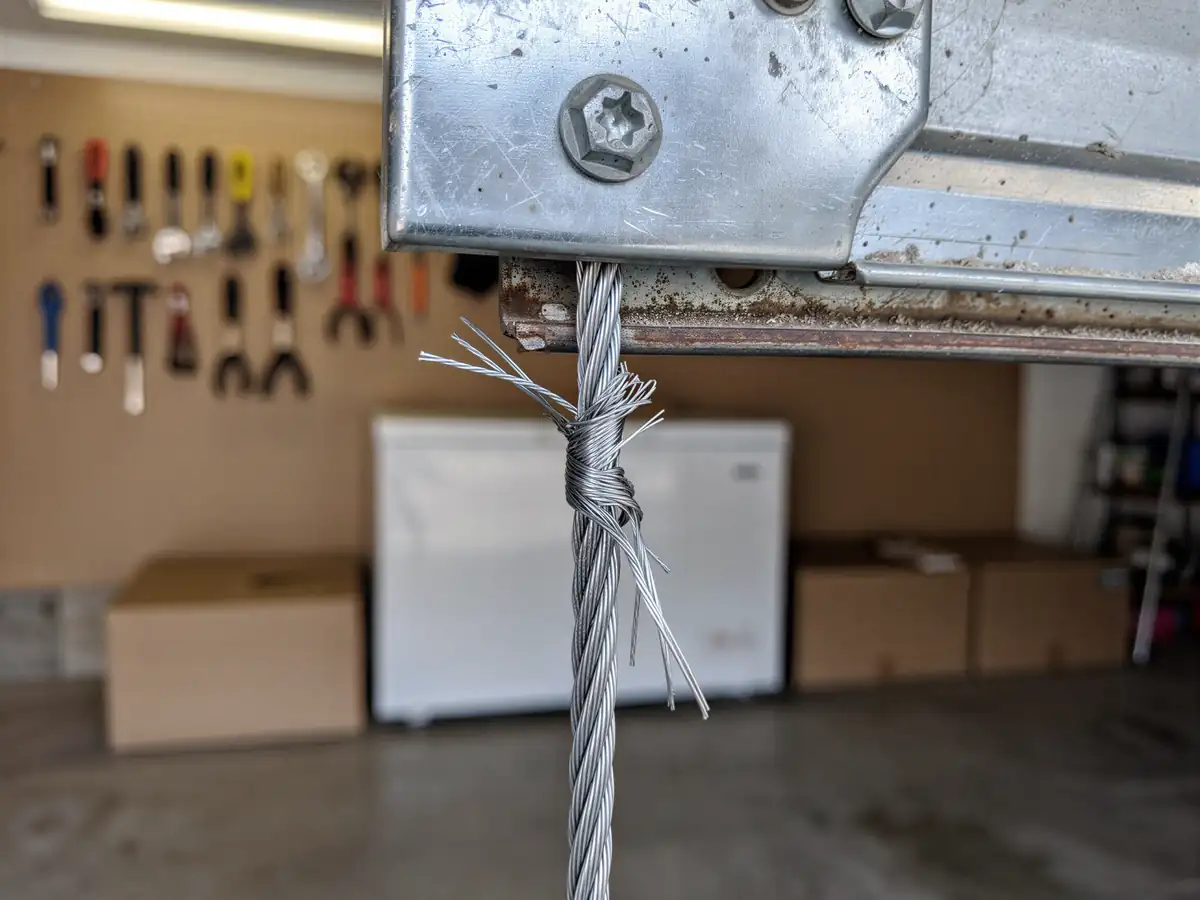
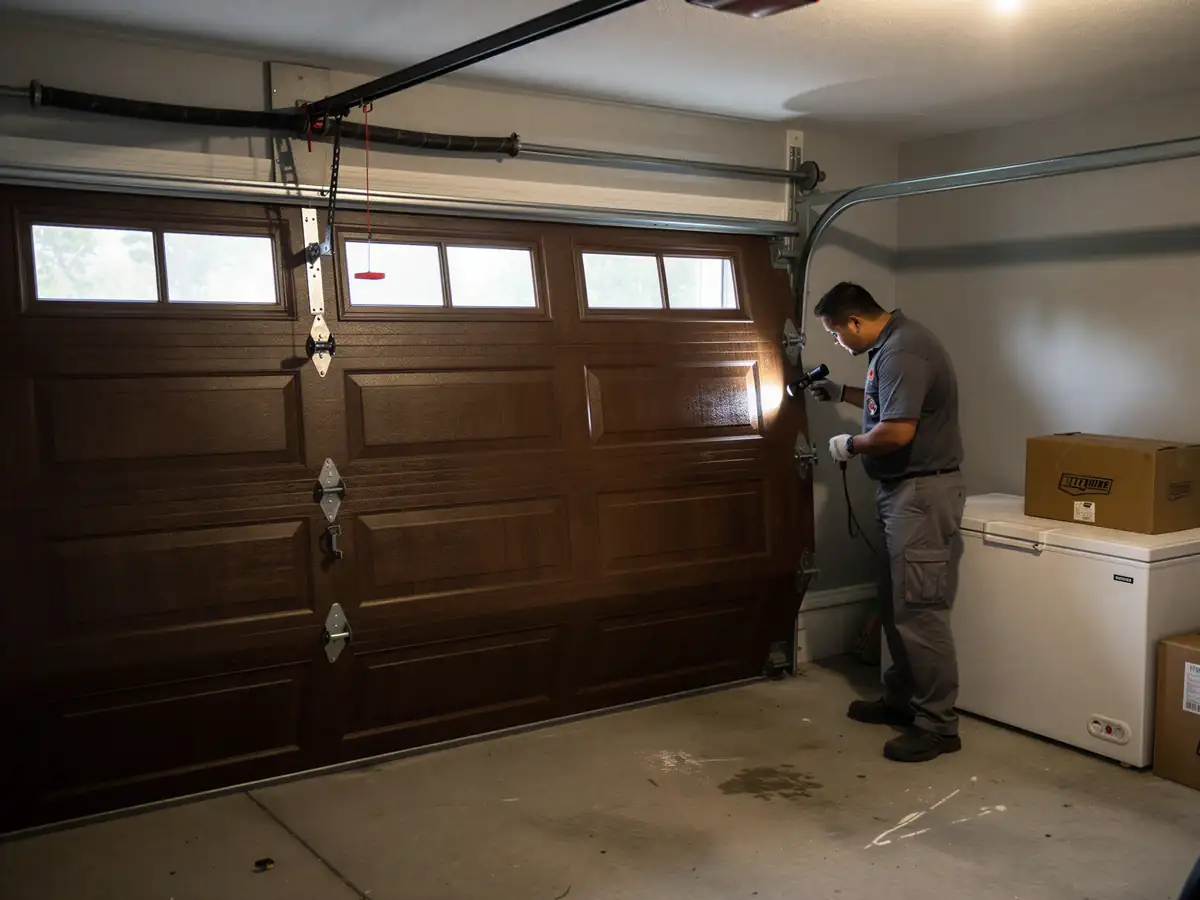
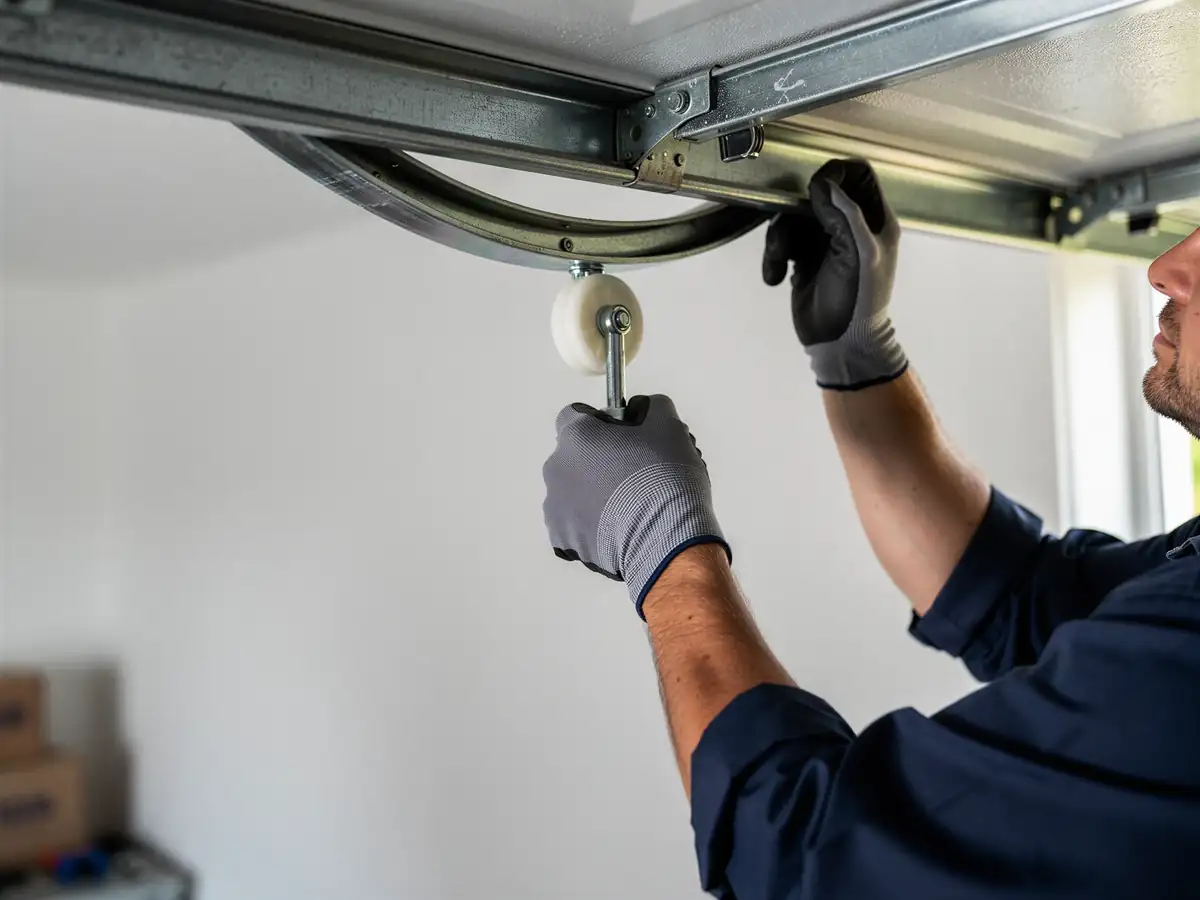
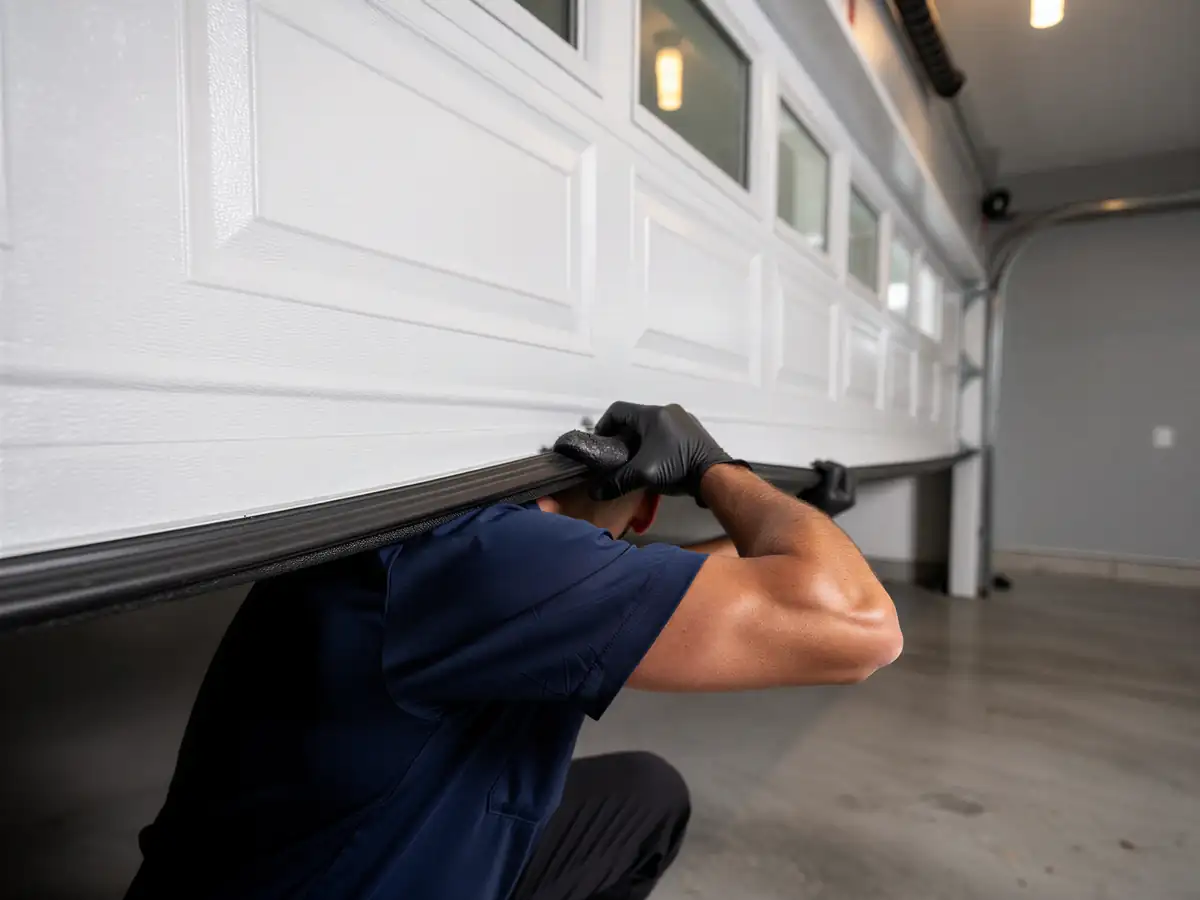
The door that won't open, or opens a few inches and stops, almost always traces back to one of two things on a Summerville house this age: a broken or badly weakened torsion spring, or a cable that's frayed enough to bind in the drum. A door that slams down instead of lowering slowly is a spring problem, full stop - don't put a ladder under it. A door that reverses halfway up and grinds is usually a track that's bent or rollers that have worn their channel. On homes with original 1970s-era hardware, we also check whether the opener's force setting has been cranked up over the years to compensate for a dying spring, which hides the real problem until the spring fails outright.