What You Pay
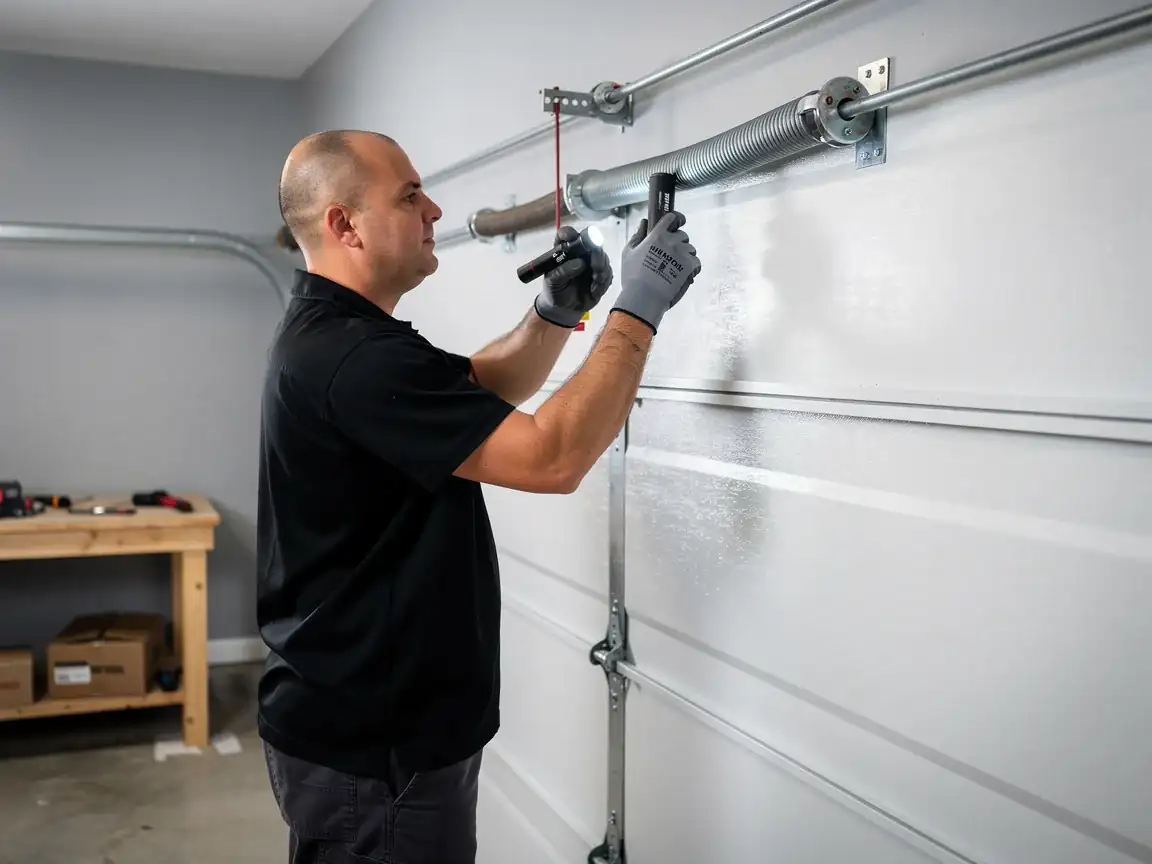
We don't post a flat number here because what you pay depends on what's actually wrong, and in Summerville that varies more than you'd think. A house built in 1974 might still have its original chain-drive opener, which means the fix could be a gear kit, a capacitor, or a logic board that's simply worn out from forty-plus years of cycling. None of those cost the same. What we can tell you is that replacing a board or a motor on an opener this old is sometimes a wash against putting in a new unit, and we'll tell you straight if that's where your repair is headed instead of talking you into parts for a unit on its way out anyway. We quote the job after we've seen the opener, not before, because guessing a price over the phone on hardware this old does nobody any favors.
The Complications
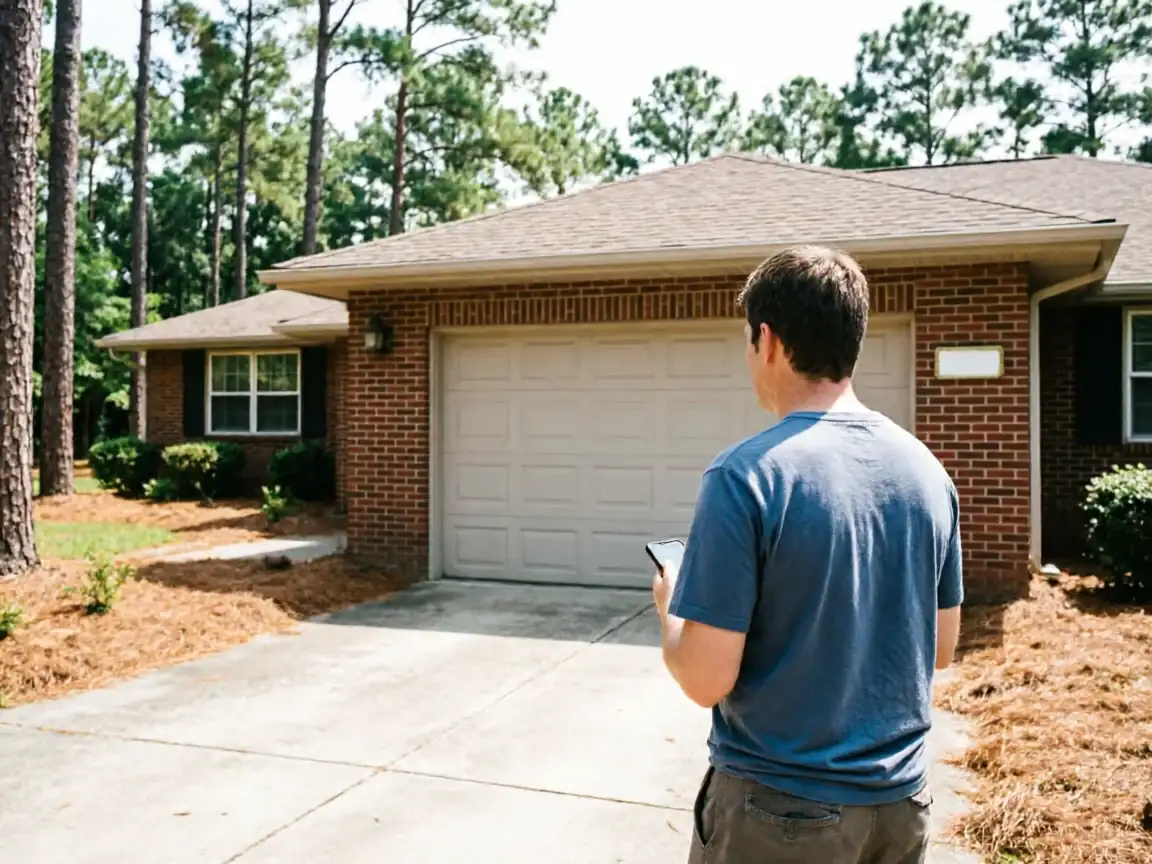
Summerville's housing mostly went up in the 1970s, with a median year built around 1974, and that puts a lot of openers in town at an age where parts aren't a simple shelf-grab. Chain-drive units from that stretch often used gear sets and circuit boards that newer manufacturers don't carry anymore, so a repair sometimes turns into a search for a compatible part rather than a quick swap. The area also sits in a cold-moderate climate band, which is hard on old motor windings and worn gaskets that have spent decades expanding and contracting with the season. None of that is unique to one house - it's the whole stretch of openers installed when these houses were built, and it's why a repair call here often starts with us figuring out whether the part exists before we figure out what it costs.
The Symptom
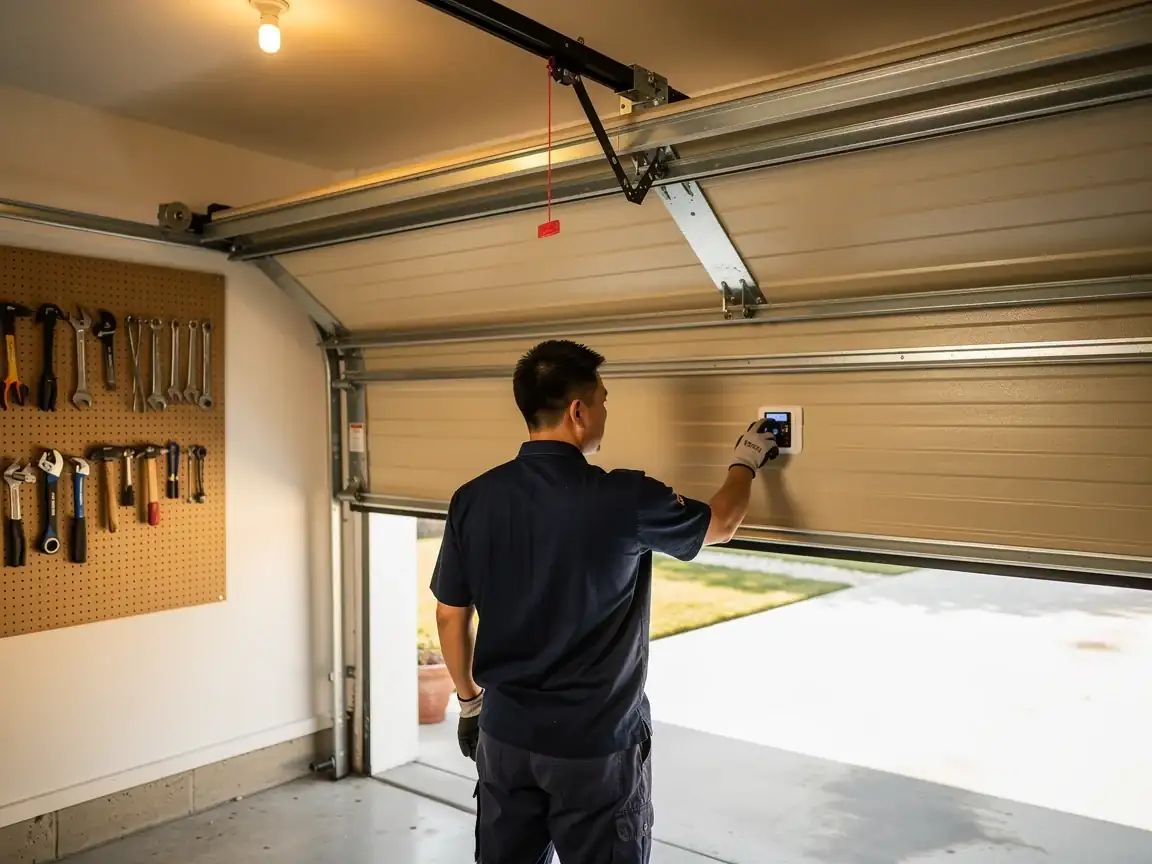
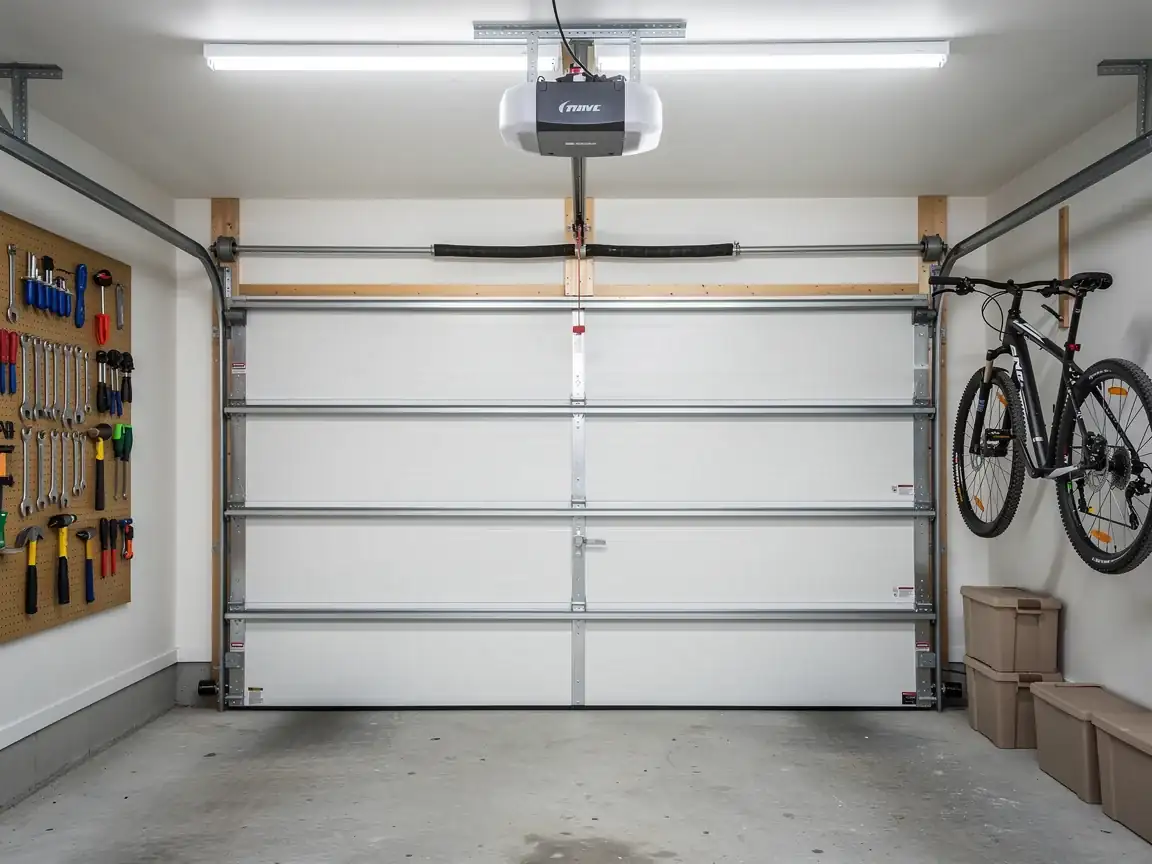
The most common call we get from this part of the service area is an opener that runs the motor but the door doesn't move, or moves partway and reverses. On a unit from the 1970s or 80s that's usually a stripped gear or a worn drive chain, not the motor itself - and most owners assume motor failure because that's the part they can hear. With roughly 2,012 households in Summerville, a good share of them built in that same window, we see the same gear-and-chain failure repeat house after house. The fix is almost always cheaper than people expect once we're actually looking at it, because the motor usually outlives the gear set by a wide margin.