What You Pay
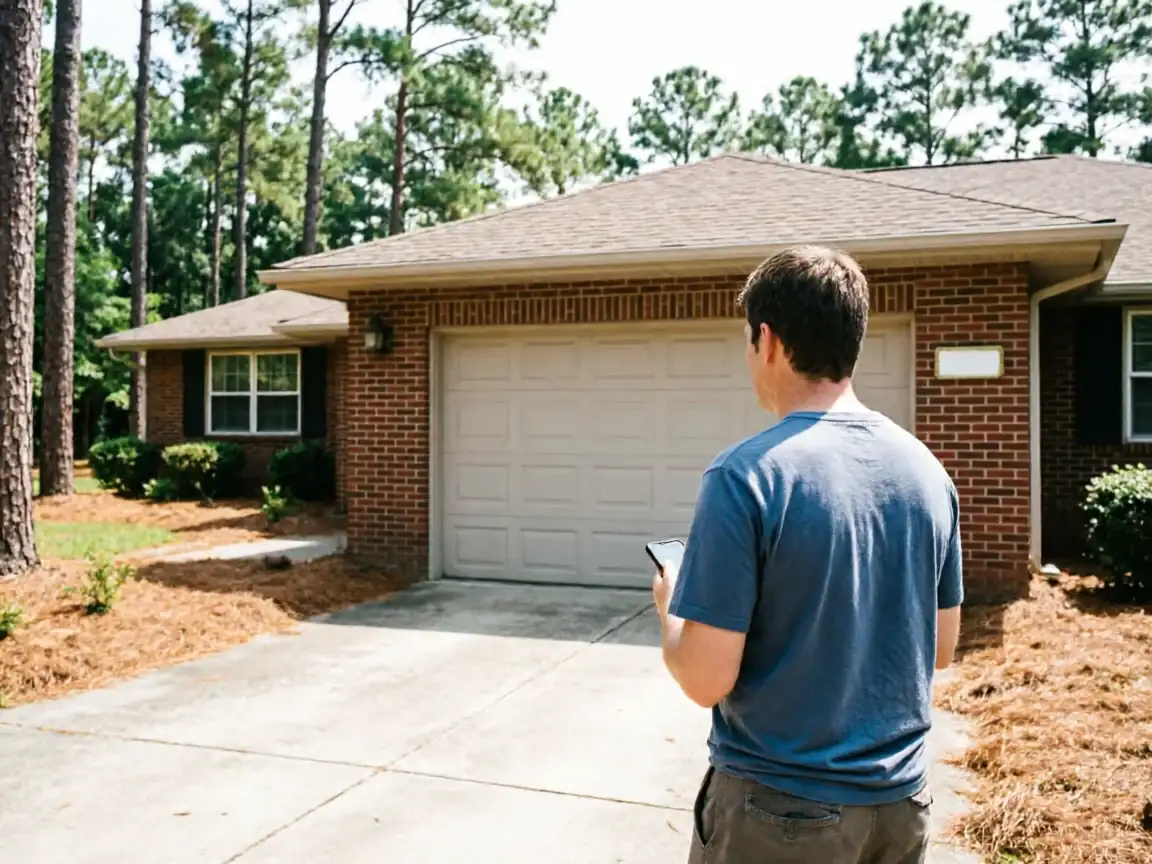
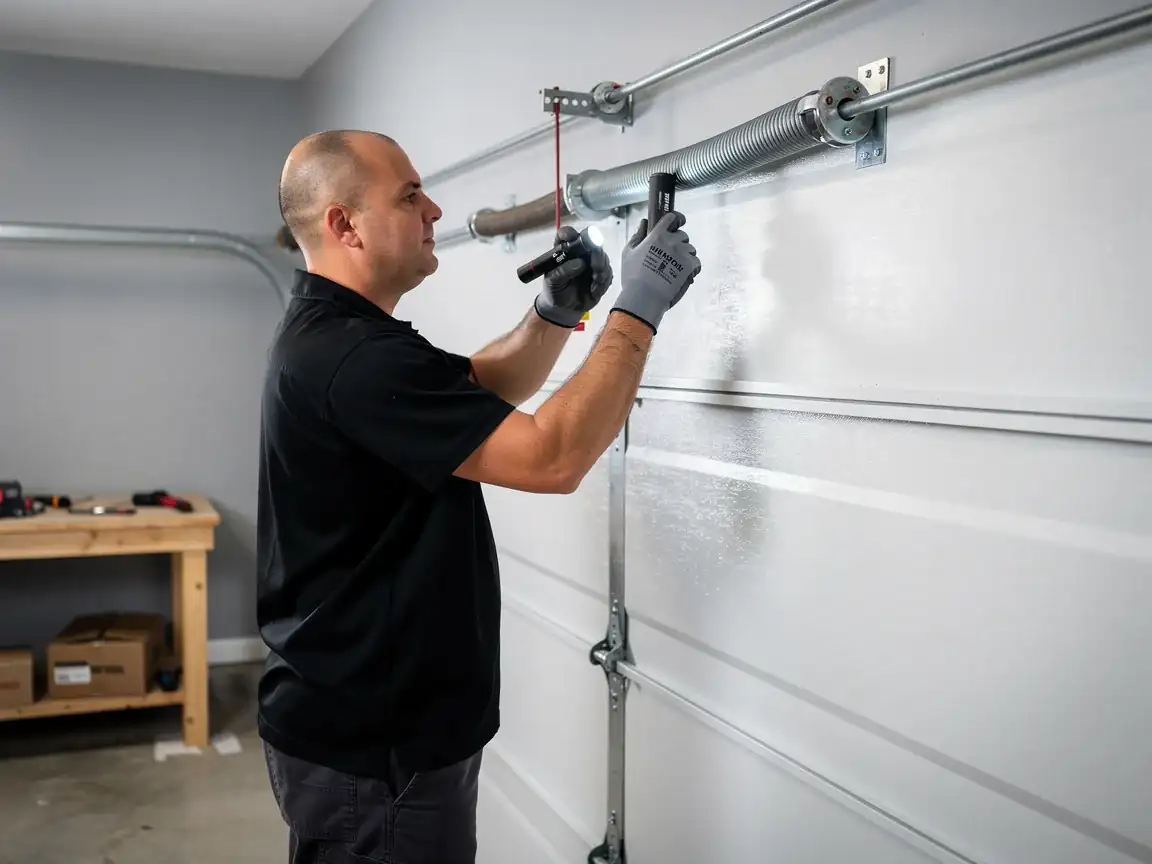
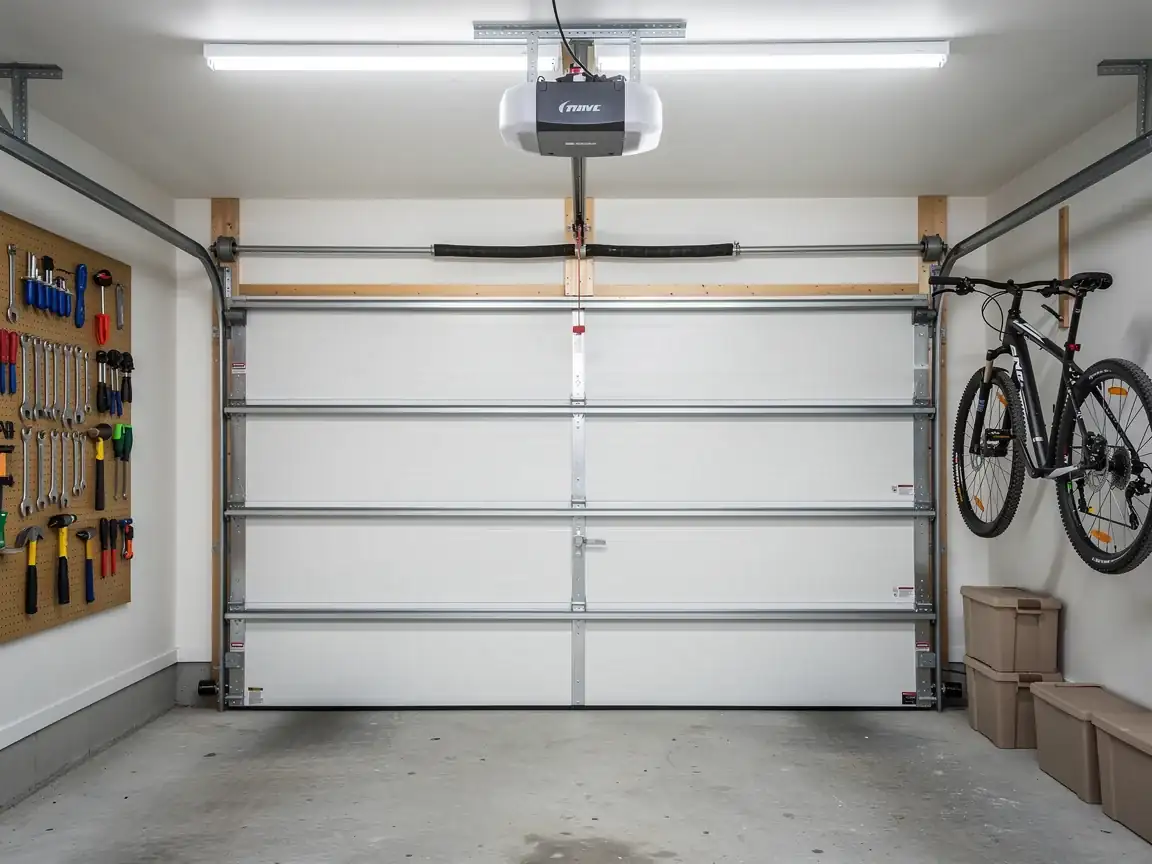
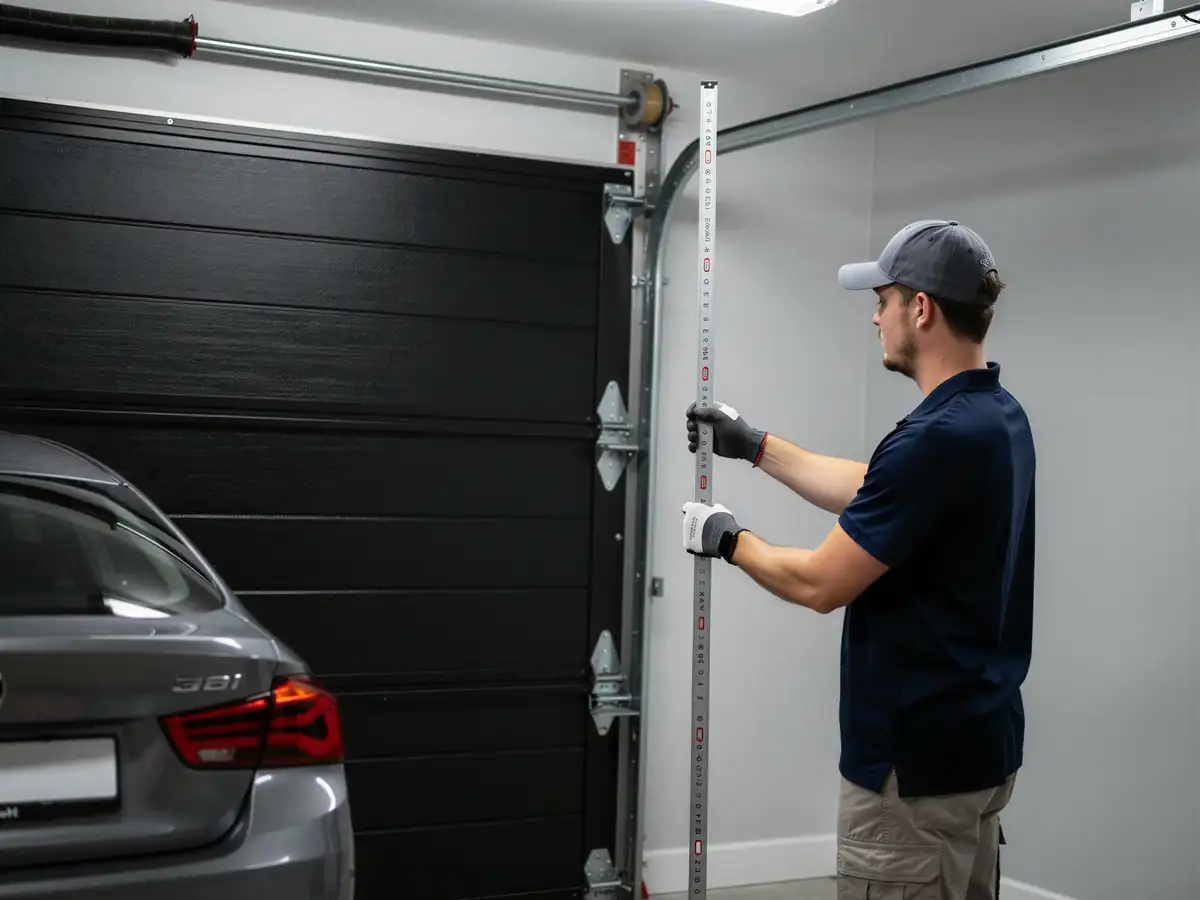
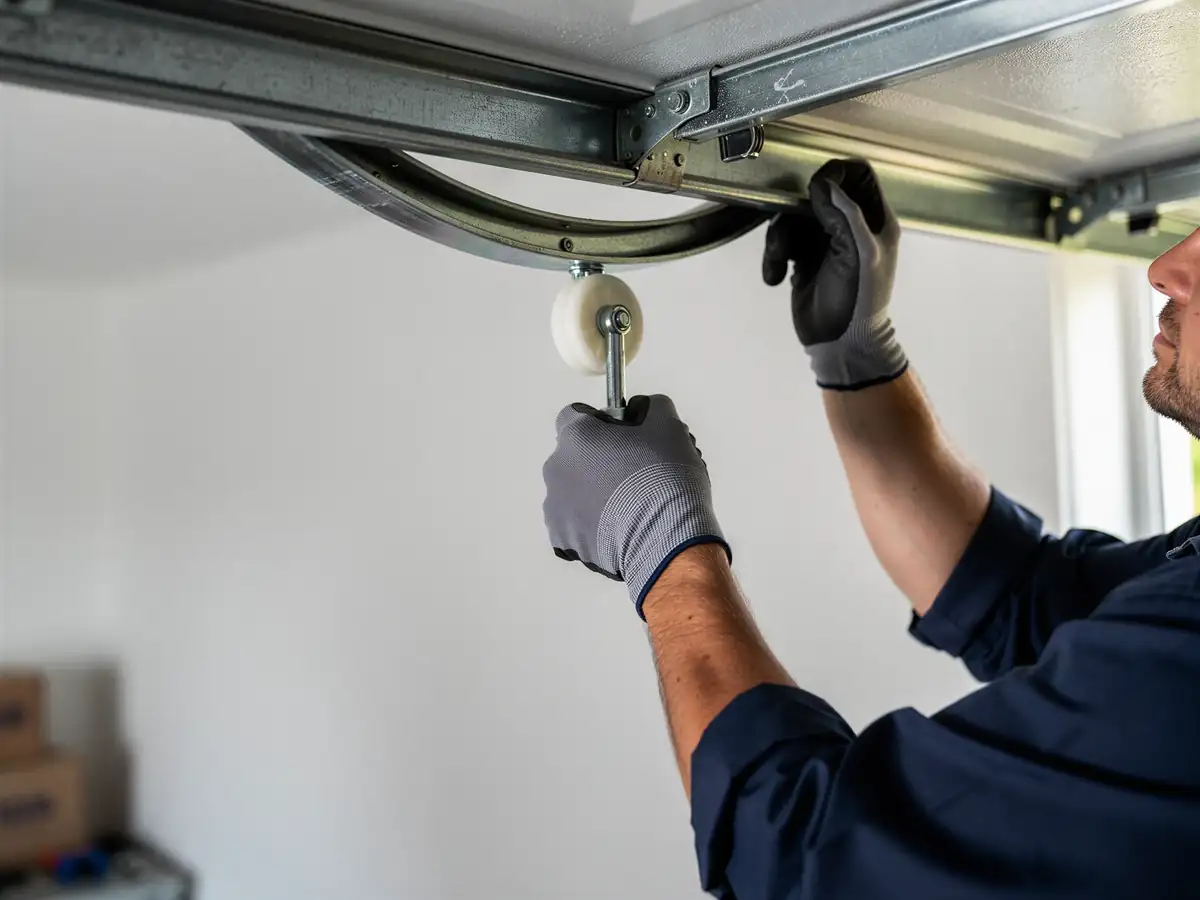
Maintenance pricing here isn't set by Summerville's address, it's set by what's on the door when the truck pulls up. A house built around 1974, which covers a good share of this town, usually still has its original torsion spring and the galvanized rollers that came with it. Lubricating and adjusting that gear costs less than replacing a spring that's already stretched out or corroded from 50 years of use. We quote the visit once we see the hardware, not before, because a door that's never been touched since 1974 and a door that got new rollers in 2015 are two different jobs even if they look the same from the driveway. Summerville's median household income runs lower than the wider Rome service area, and we know a surprise bill lands harder here than it might elsewhere - which is one more reason we check the spring, cables, and opener gear on the same visit instead of sending someone back twice. We don't pad a maintenance call with work the door doesn't need yet.
The Complications
Houses in this part of the service area were mostly built between 1957 and 2001, with the bulk going up in the 1960s and 70s, and Summerville sits right in that window. The complication isn't age alone, it's that a lot of this original hardware was never rated for the number of open-close cycles it's seen since. Springs from that era weren't always sized the same way current ones are, and a door that's been fine for decades can seize up the first cold snap that catches a dry, worn coil. This region sits in a cold-moderate climate band, so winter is the season when deferred maintenance shows up as a stuck door rather than a quiet one. We've also seen openers from the 80s and 90s bolted onto hardware two generations newer - a mismatch that works fine until the day it doesn't. None of this is unique to one house; it's a pattern tied to when this part of town was built.
The Symptom
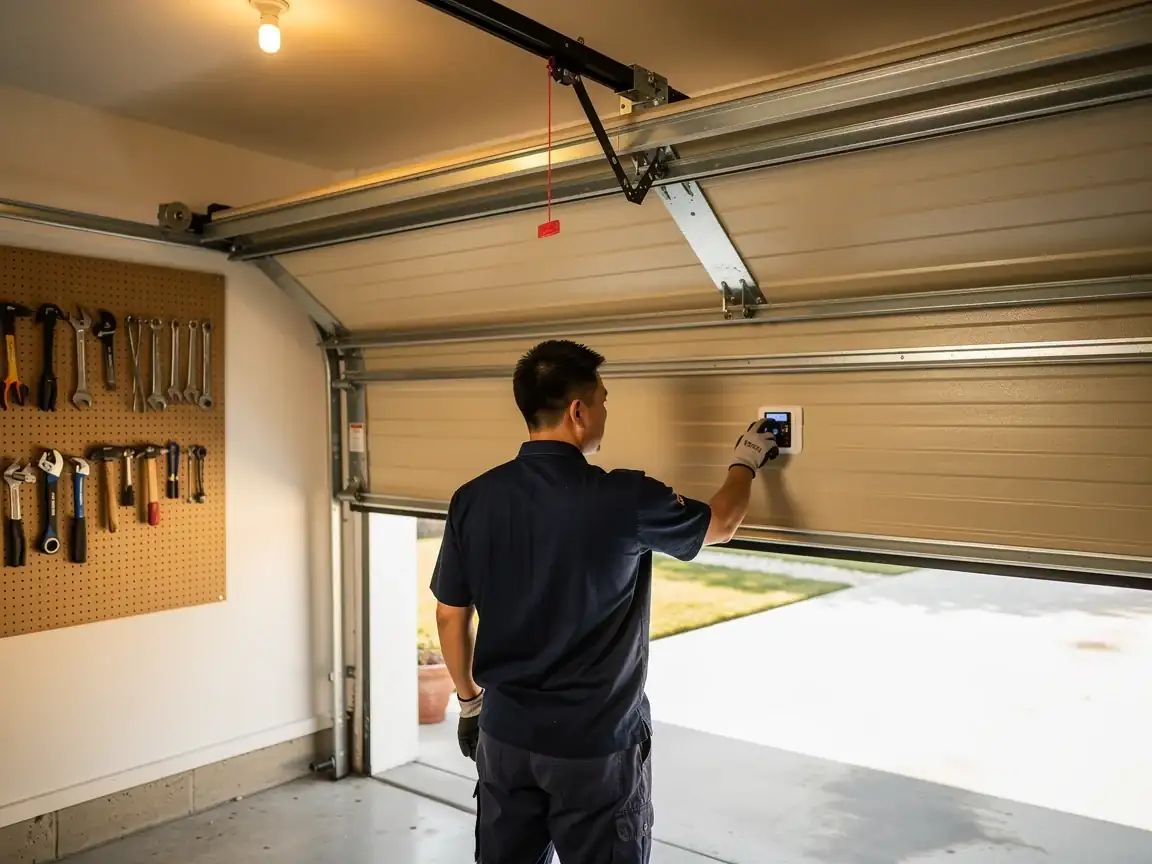
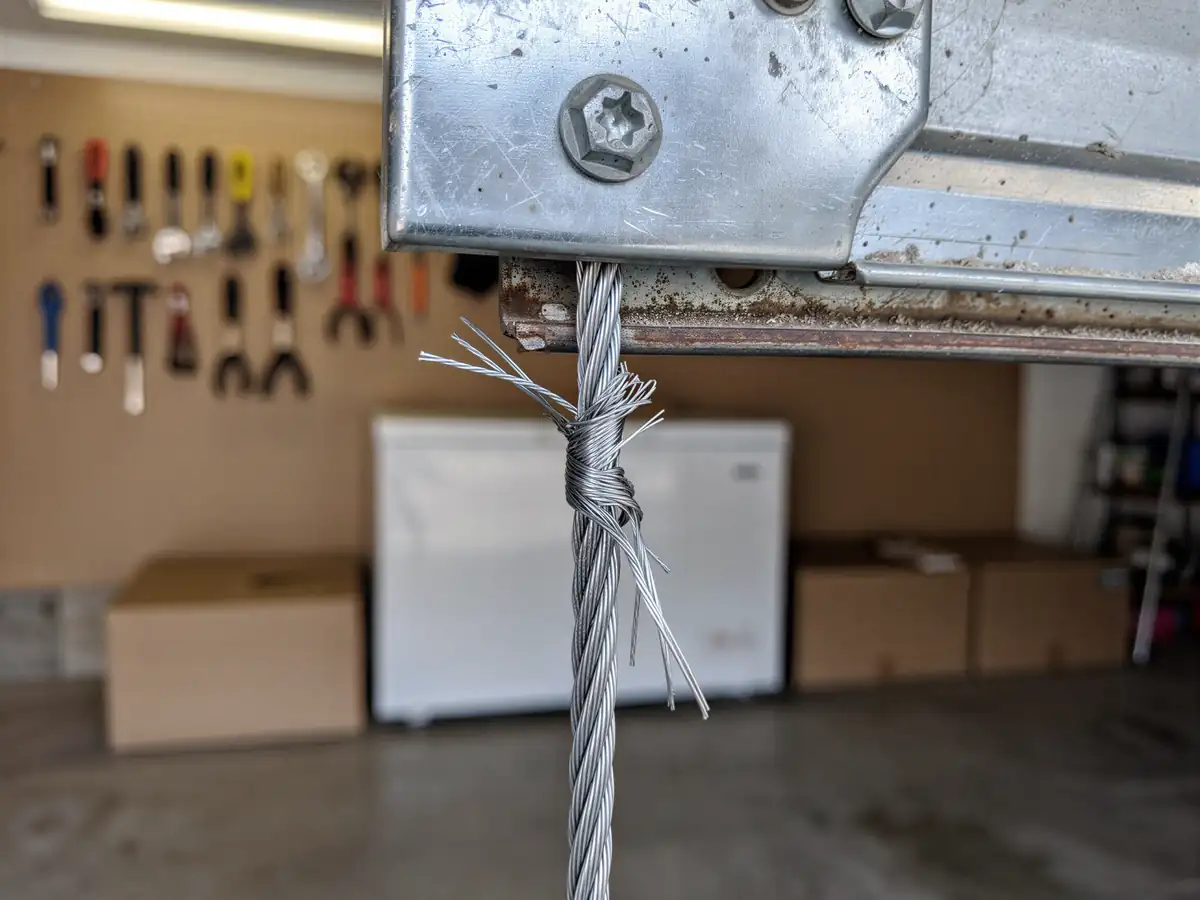
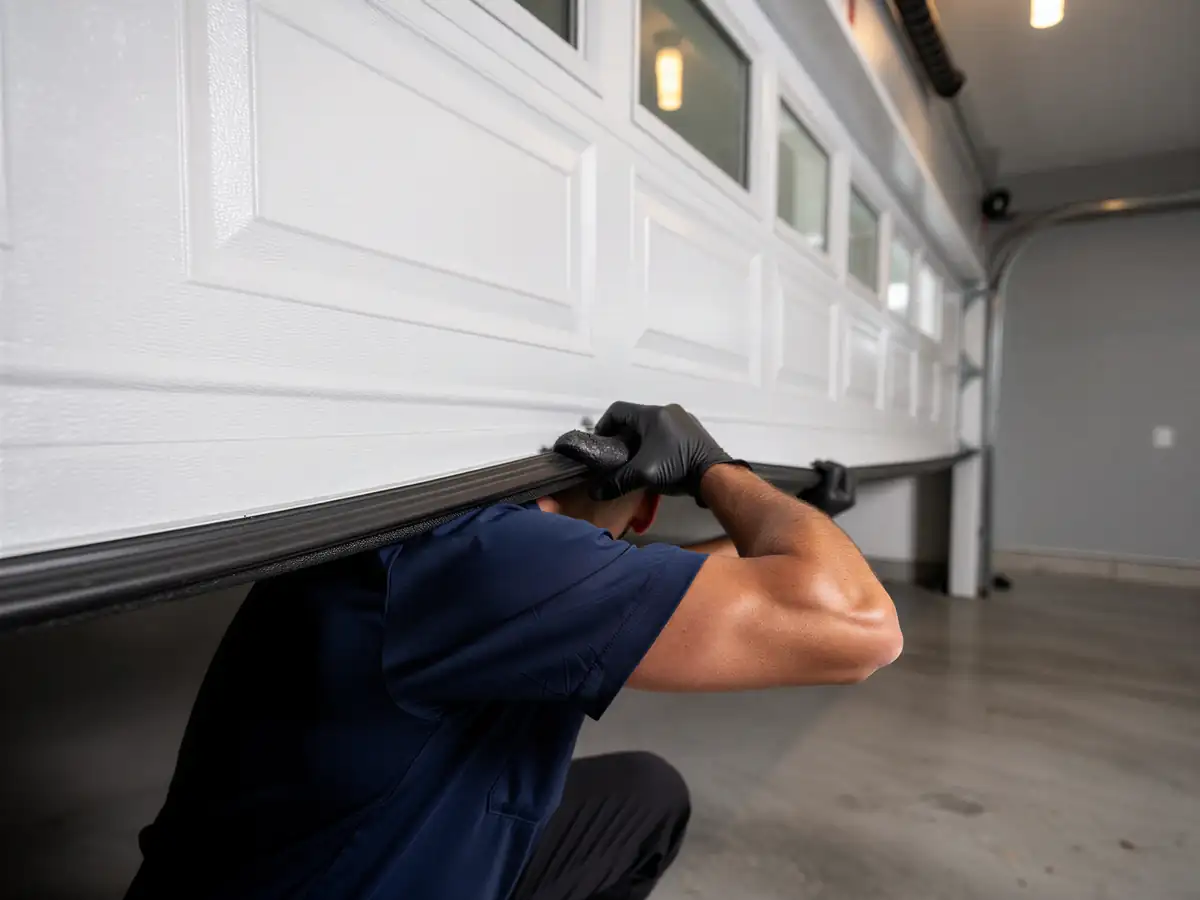
The door that's loud for a week before it quits is more common here than a door that fails with no warning. On a 1974-era setup, that noise is usually the roller bearings going dry or a cable starting to fray where it wraps the drum - both catch-it-early problems if someone looks before the door binds. A door that drags on one side, or that reverses partway up, is telling you the track or spring tension has shifted, which happens gradually on hardware that's never been reset. We'd rather look at a noisy door now than get the call after it's stuck halfway down with a car in the driveway.