What You Pay
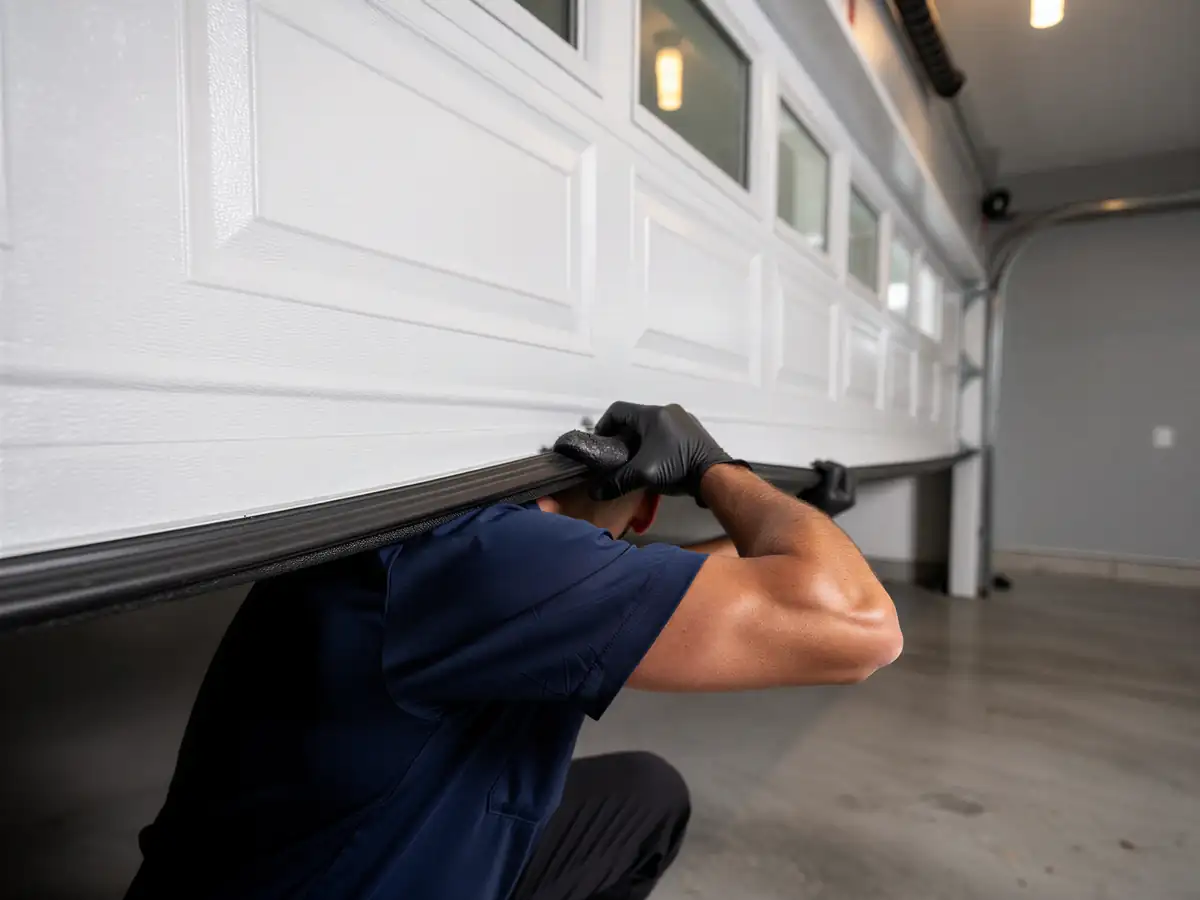
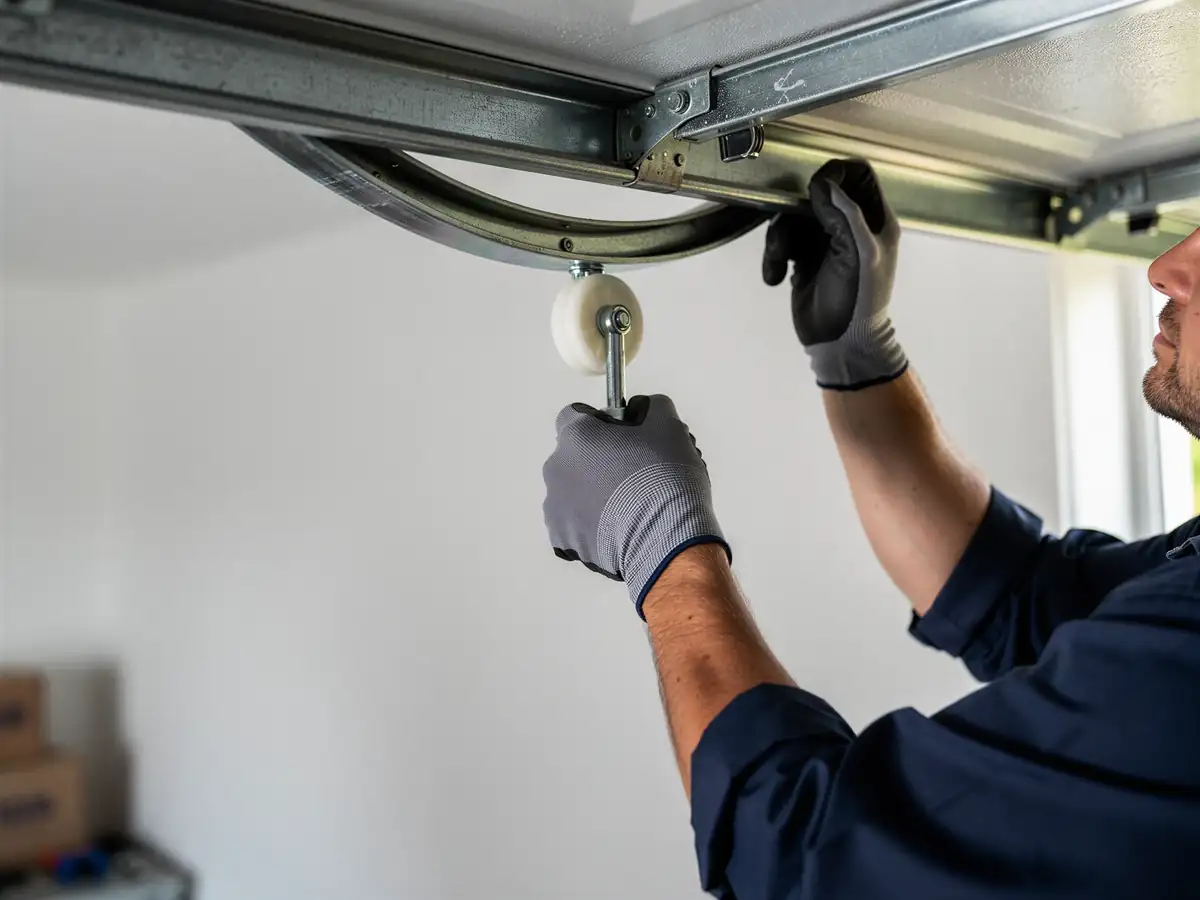
Summerville sits 17 miles out from Rome, and that drive is baked into how a roller job here gets priced and scheduled - it's one trip, so the truck that comes out needs to carry the right roller stock the first time, not guess and come back. Most houses in this part of the service area were built around 1974, which means a lot of doors still running the original steel rollers on steel tracks, loud and prone to chipping the track edge over twenty-plus years of use. Nylon rollers with sealed bearings cost more per unit than steel but run quieter and don't need the track lubricated every season, which matters in a COLD-moderate climate where grease thickens up in a hard freeze and rollers start to bind. We don't post a flat number here because the count varies - a 1970s door usually runs ten rollers, and whether all ten need swapping or just the worn ones on the bottom brackets changes the bill. What we can tell you: if you're also hearing a grinding cable or seeing a bent track, that's a separate repair, not part of a roller swap, and we'll say so before we start rather than pad the invoice.
The Complications
Median household income in this part of the service area runs $31,429, noticeably lower than the Rome side, and that shapes the calls we get - more owners asking which rollers can be mixed with the existing steel ones to spread the cost, fewer asking for a full ten-roller nylon upgrade in one go. That's a reasonable question and we'll answer it straight: you can replace just the worn rollers and leave sound ones in place, but mixing steel and nylon on the same track means mixed wear rates, so expect to be back sooner for the rest. The other complication is the housing stock itself - doors from the 1974 era often ran a track width that newer rollers don't fit without an adapter bracket, so a tech needs to check the stem diameter before loading the truck, not after arriving. With 2,012 households spread across this town, there's no single standard setup; some have already been upgraded to newer doors, some haven't been touched since they were hung.
The Symptom
The giveaway is noise before it's movement - a door that used to lift quietly starts rattling or grinding partway up, usually loudest near the bottom third of the track where the rollers take the most load reversing direction. On the steel-roller doors common to houses built around the mid-1970s here, that grinding is often a roller wheel wearing flat on one side rather than staying round, which throws it off the track rail slightly with every cycle. Left alone through a full COLD winter, a flat-worn roller binds harder as grease stiffens, and the opener motor starts working against it - that's how a $20 roller problem turns into a stripped gear on the opener. If the door shudders or hesitates at the same spot every single time, that's a roller, not a spring or cable issue, and it's worth flagging precisely that when you call so the right parts are on the truck for the trip out.