What You Pay
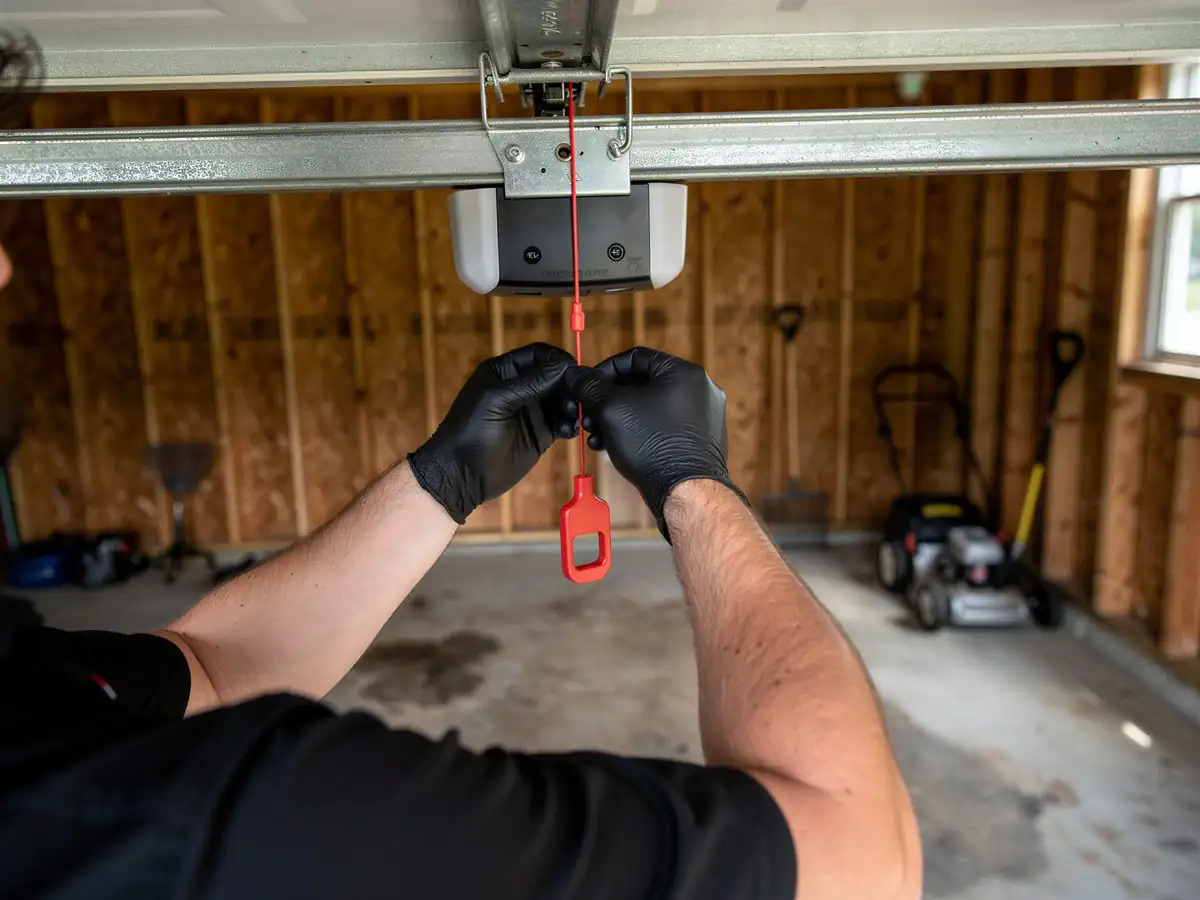
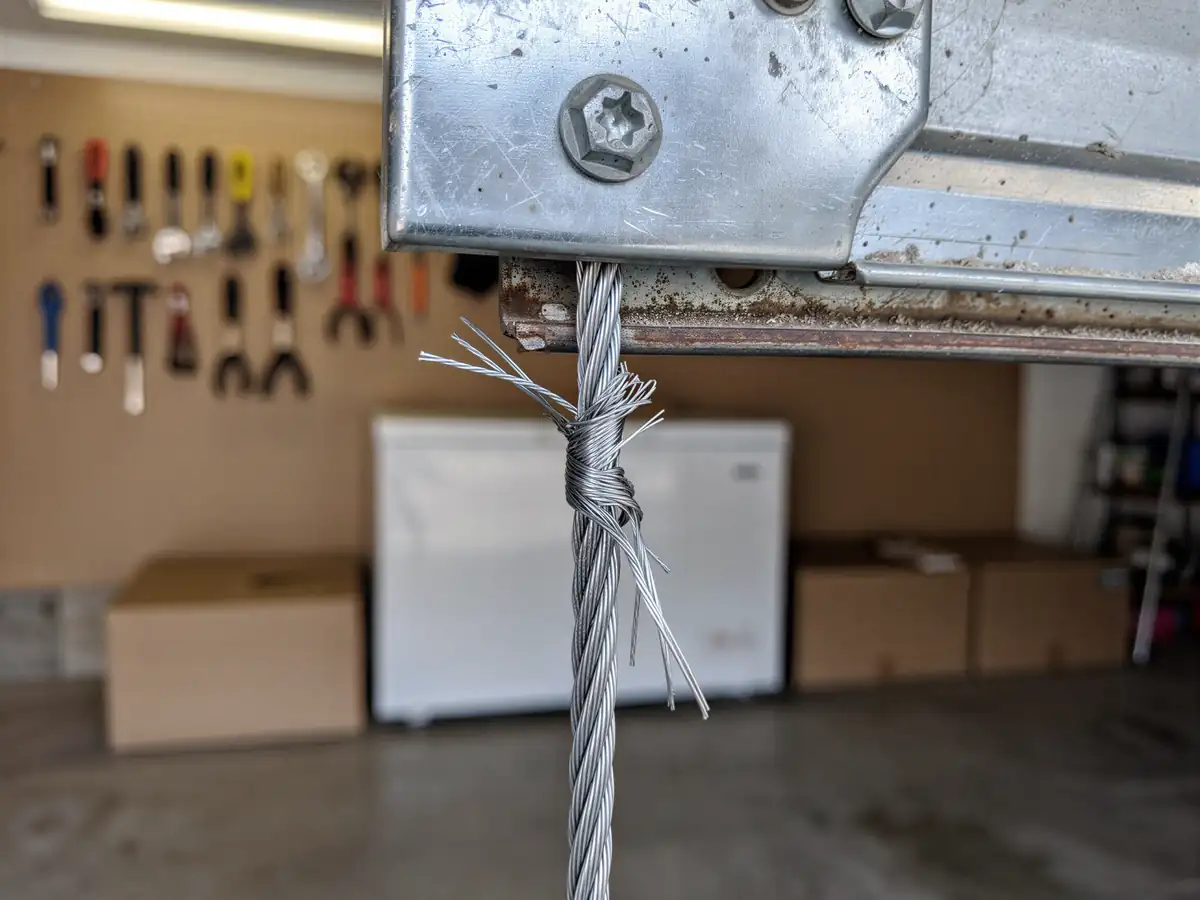
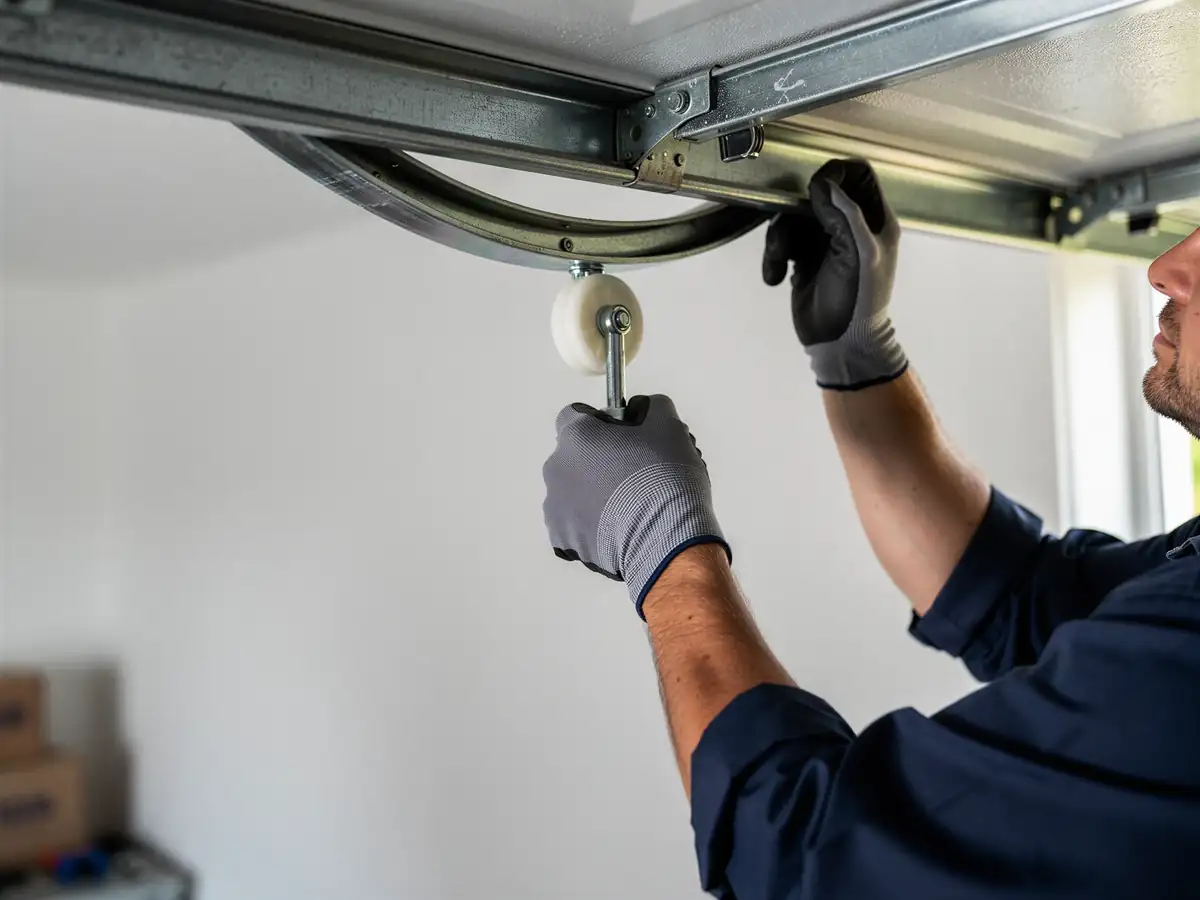
Summerville's median household income sits at $31,429, well under the $52,799 median across the wider service area we cover out of Rome. That number matters when a torsion spring snaps or an opener burns out, because it decides whether a repair makes sense or a full door swap does. On a house with a median income this tight, we lean hard toward fixing what's there instead of pushing replacement, and we tell you flat out when a part isn't worth chasing anymore. A single broken spring or a bad set of rollers is almost always a repair call, not a buy-a-new-door call. Where it gets harder is when the opener and the springs and the bottom panel are all going at once on an older door - at that point the math shifts, and we'll walk through both numbers with you before any work starts. We don't quote a price here because we haven't seen your door, but the income figure is why we price jobs to match what a Summerville household can actually carry, not what a Rome address down the street can.
The Complications
Most houses on this side of the county went up in the 1960s and 70s, and Summerville's own median year built lands at 1974 - a notch different from the 1975 median across the whole area, but close enough that the same hardware problems show up: side-mounted torsion springs, steel tracks with decades of paint buildup, and openers that have already been replaced once by whoever owned the house before. With 2,012 households in town, a lot of these doors came from the same handful of builders working the same years, which means the same failure patterns repeat house to house - a specific style of hinge that cracks, a specific track gauge that bends under a heavier door. The climate here runs cold-moderate, which isn't brutal, but freeze-thaw cycles still work on steel fasteners and weatherstripping over fifty years, and that's part of what we're looking at when a door starts binding in winter and freeing up by spring.
The Symptom
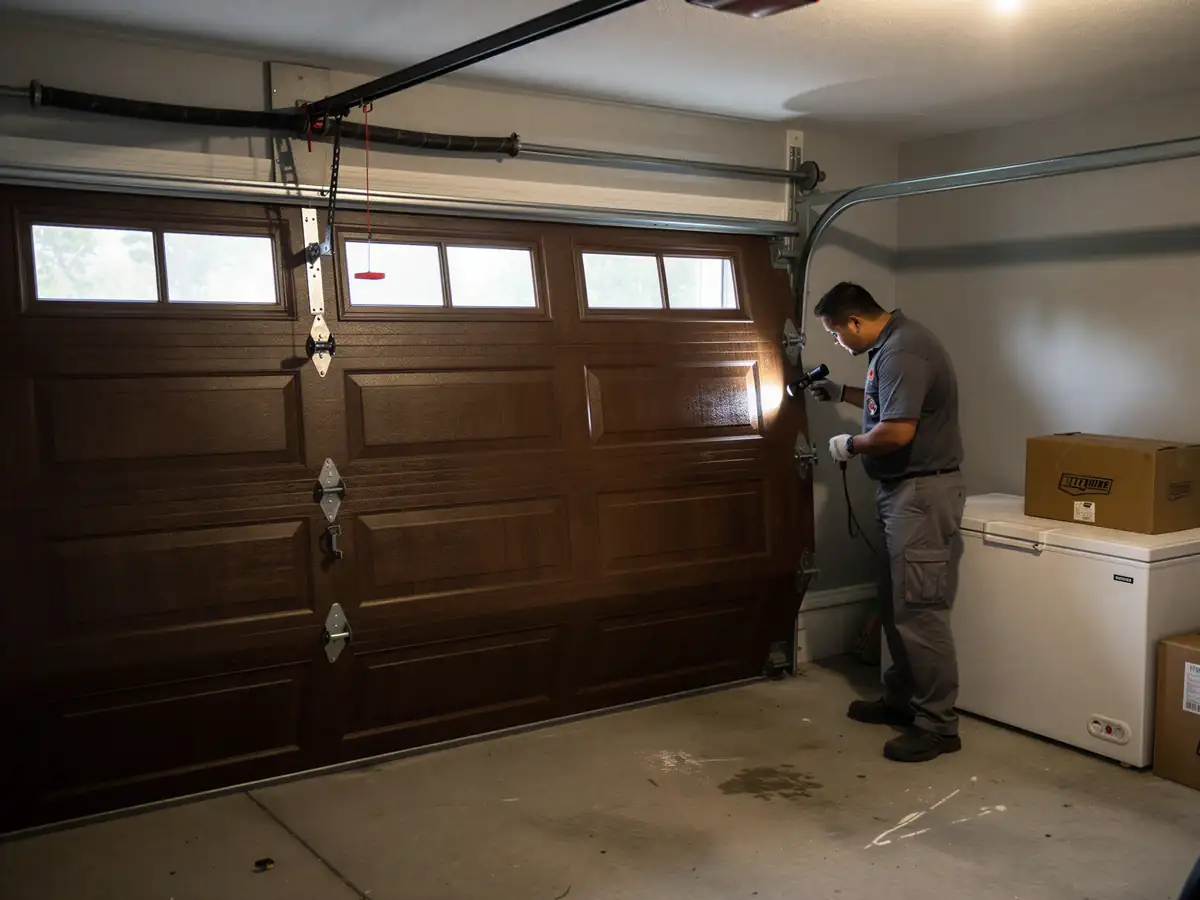
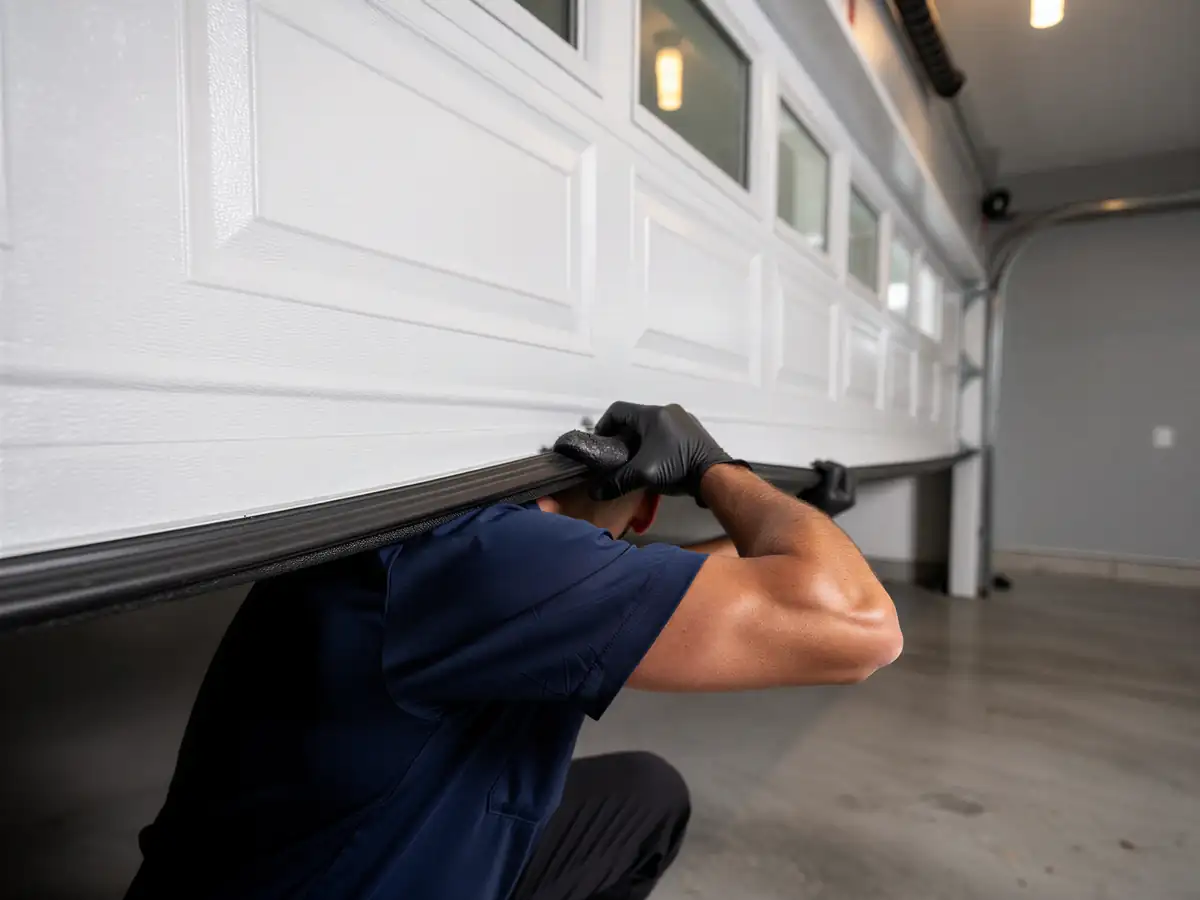
The complaint we hear most from this stretch of houses is a door that's gotten loud and slow - not broken, just dragging. On a door from the 1960s-70s stock that's common across this area, that's usually dried-out rollers or a track that's shifted slightly out of plumb after decades of settling, not something catastrophic. The second most common call is a door that won't open at all after a cold morning, which on older hardware is often a spring that's lost tension gradually rather than snapped outright. Either one is diagnosable in a few minutes once we're looking at the door, and neither one means you're buying a new door - unless the opener's original to the house too, in which case we're usually replacing two things at once rather than one.