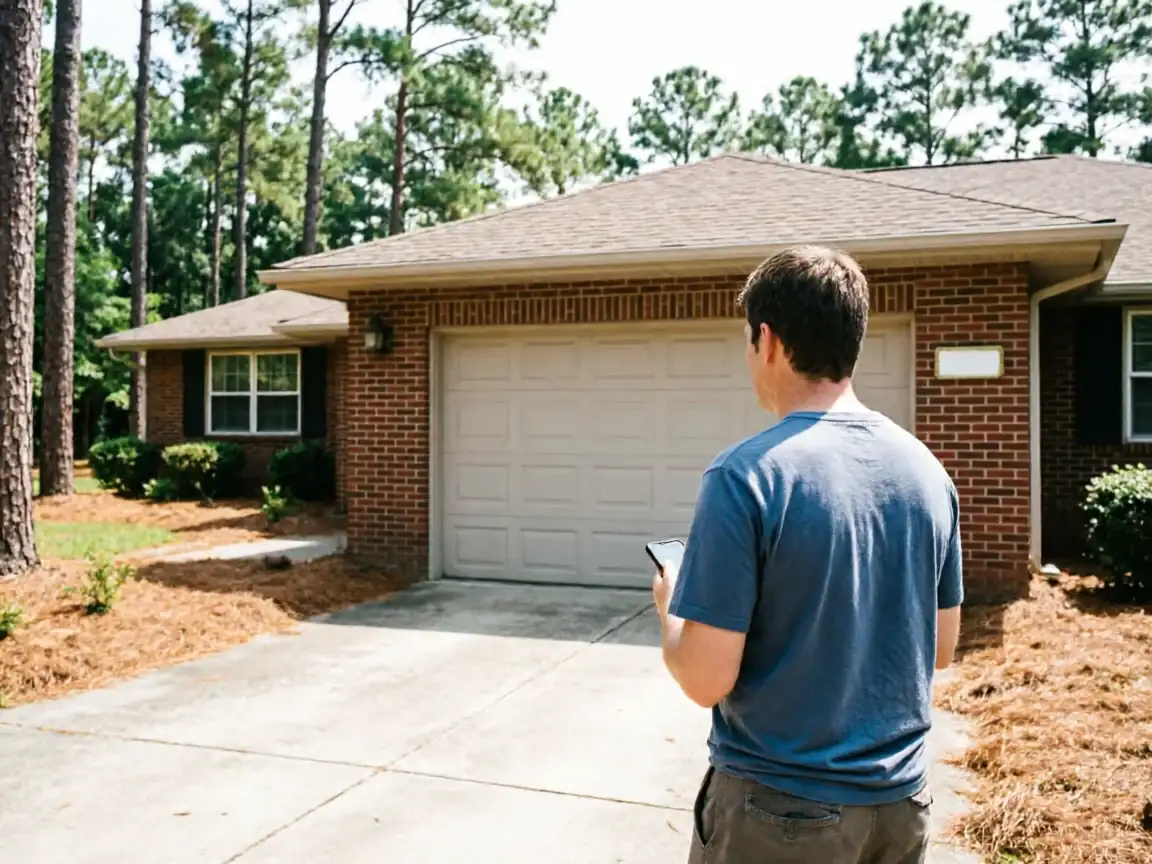
Why It Happens Here
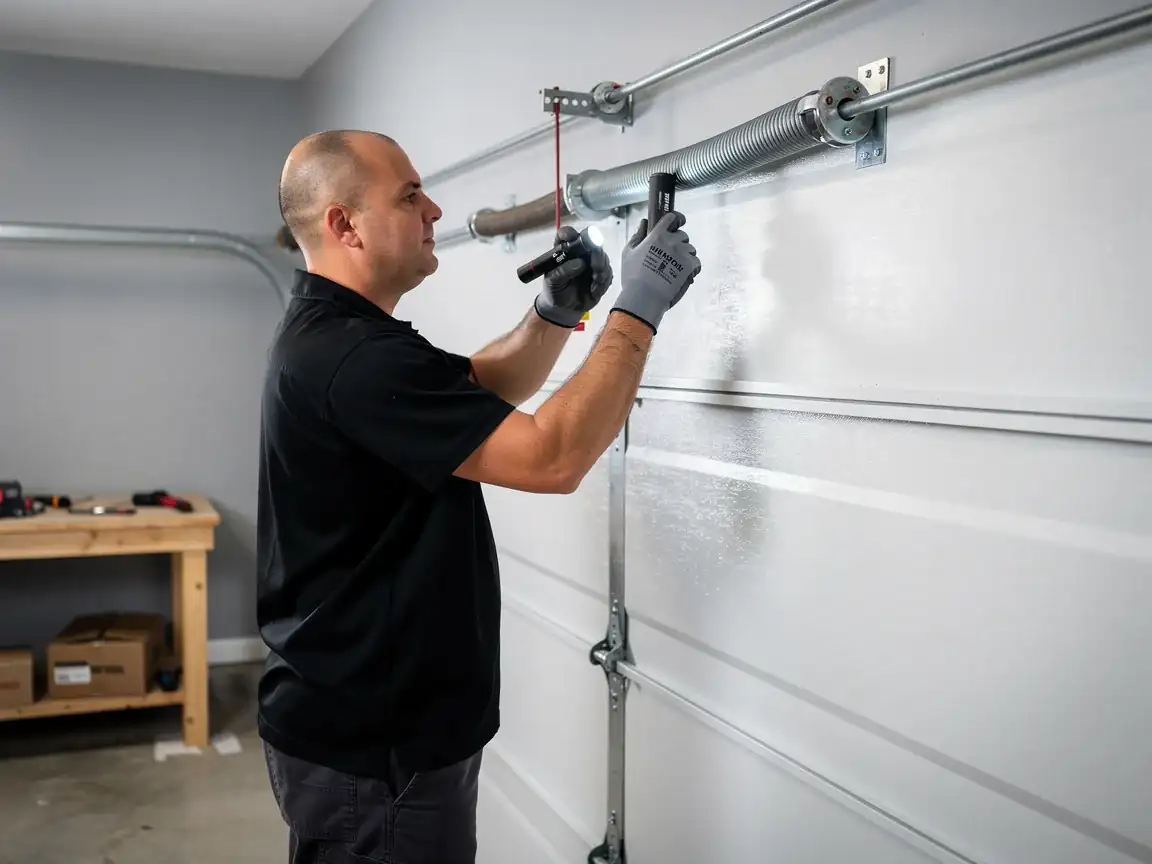
The fault we run into most in Cedartown is a snapped extension spring on a door that's never had the springs touched since the house was built. Extension springs run along the horizontal tracks, stretched tight, and they fatigue with age and cold - most let go without warning, usually right as the door's near the bottom of its swing, which is the moment a cable or a finger can get caught under it.
Cedartown's housing stock centers on 1976, which puts a large share of the town's garage doors - and the hardware bolted to them - into their fifth decade. The wider Rome Garage Door Pros service area spans homes built anywhere from 1957 to 2001, but Cedartown sits in the thick of that mid-1970s wave specifically. That means extension-spring setups rather than the torsion springs newer builds use, lighter-gauge steel panels, and openers that have probably been swapped once or twice already even where the original spring hardware is still hanging on.
The cold-moderate climate here doesn't help those old springs - metal fatigues faster through repeated freeze-thaw cycling than it would somewhere warmer, and grease on 45-year-old coils tends to have gone gummy or dried out entirely.
Booking a Visit
Rome Garage Door Pros covers Cedartown as part of the service area
Traveling the roughly 17 miles out from Rome rather than running a branch location in town. There's no Cedartown depot and no stock of parts sitting locally - what goes on the truck depends on what's scheduled for that run, so if your door uses an older extension-spring configuration, it helps to describe the setup when you call so the right springs and brackets are on board.
- 17 miles
Cedartown's median household income runs lower than the income across the broader service area
Which averages $52,799. We don't price jobs differently by town, but we mention it because a full door replacement isn't always the right call here - a repair that keeps an older door running another decade is often the more sensible option for the budget, and we'll say so if that's the case rather than pushing a swap-out.
You can see what else the shop covers for the area on the Cedartown page
Or get the full rundown of services out of the Rome location.
Doing It Yourself
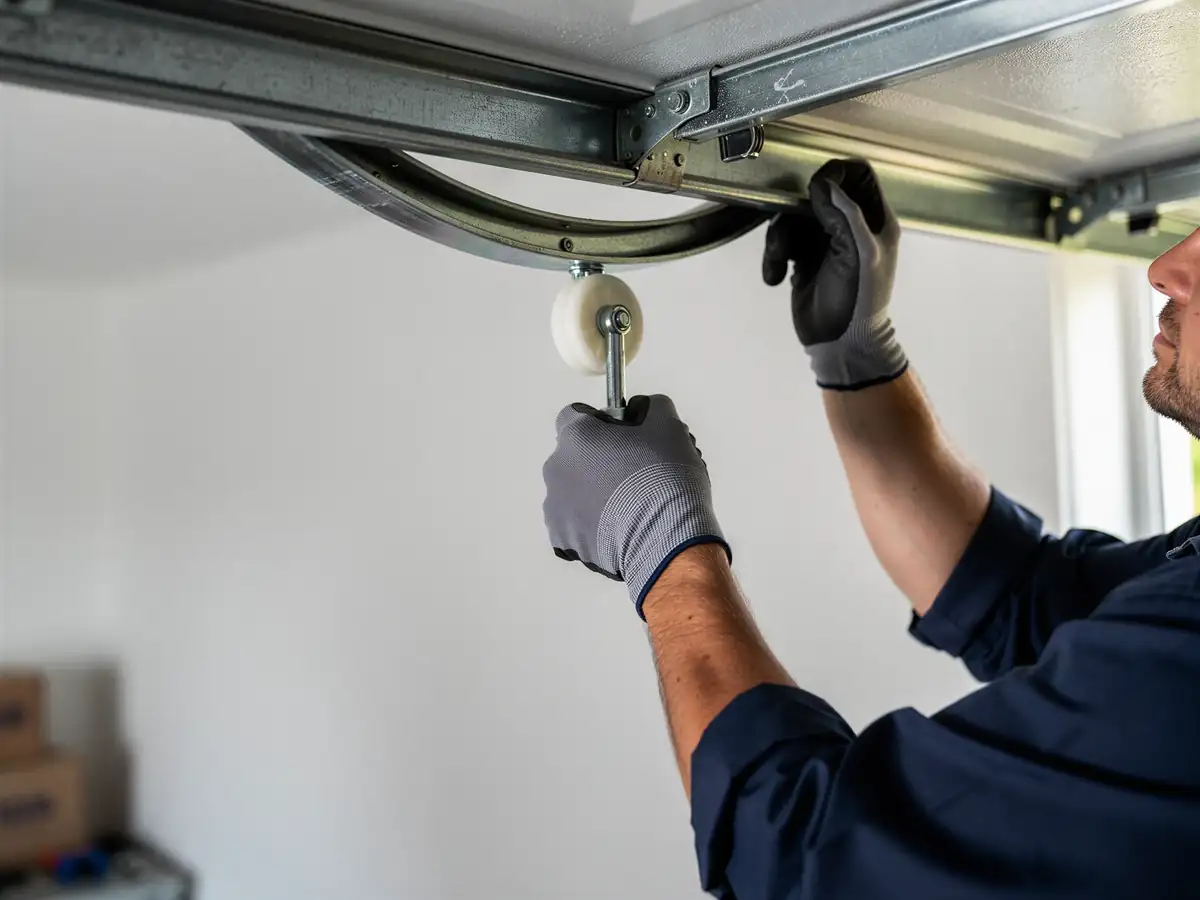
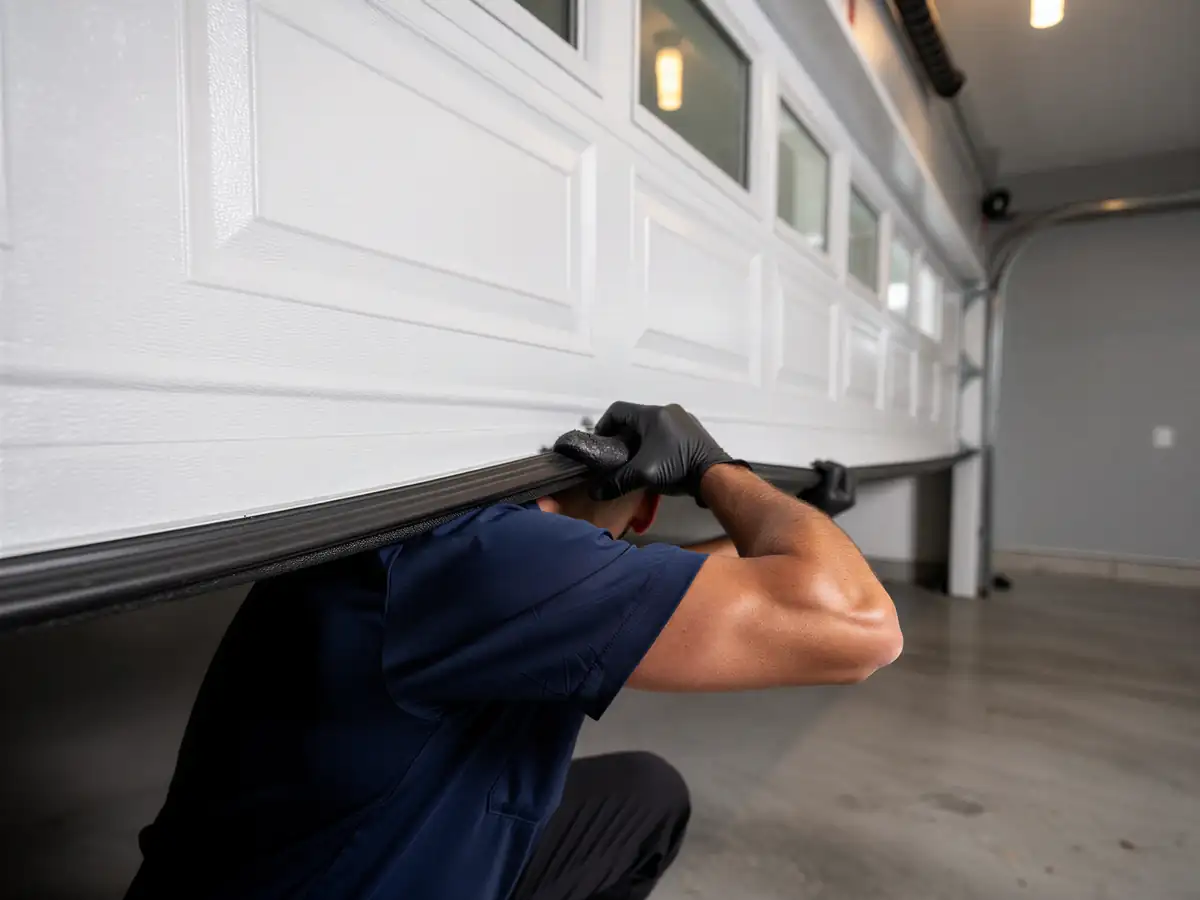
Some things around a garage door are fine to handle yourself: tightening a loose hinge screw, clearing track rollers of dirt and old grease, replacing worn weatherstripping along the bottom. None of that needs a call.
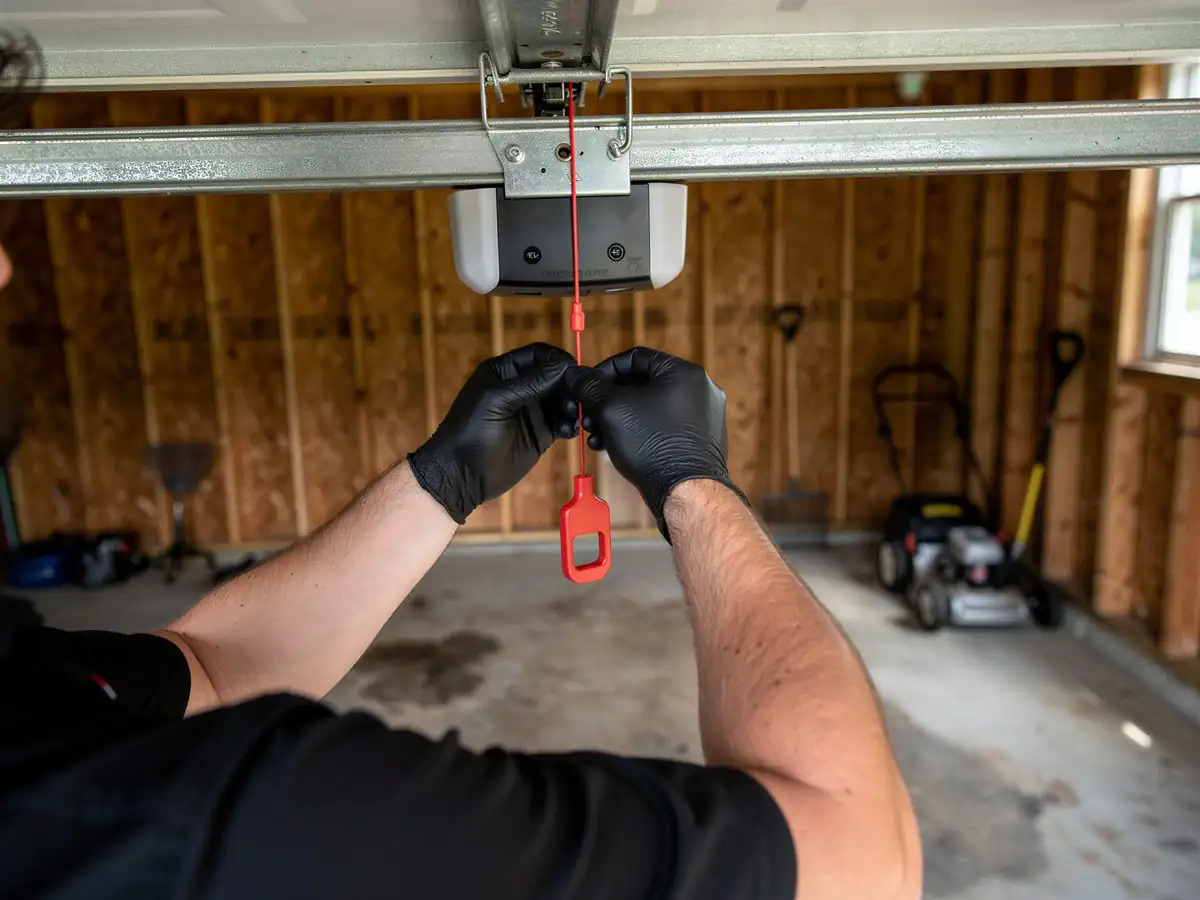
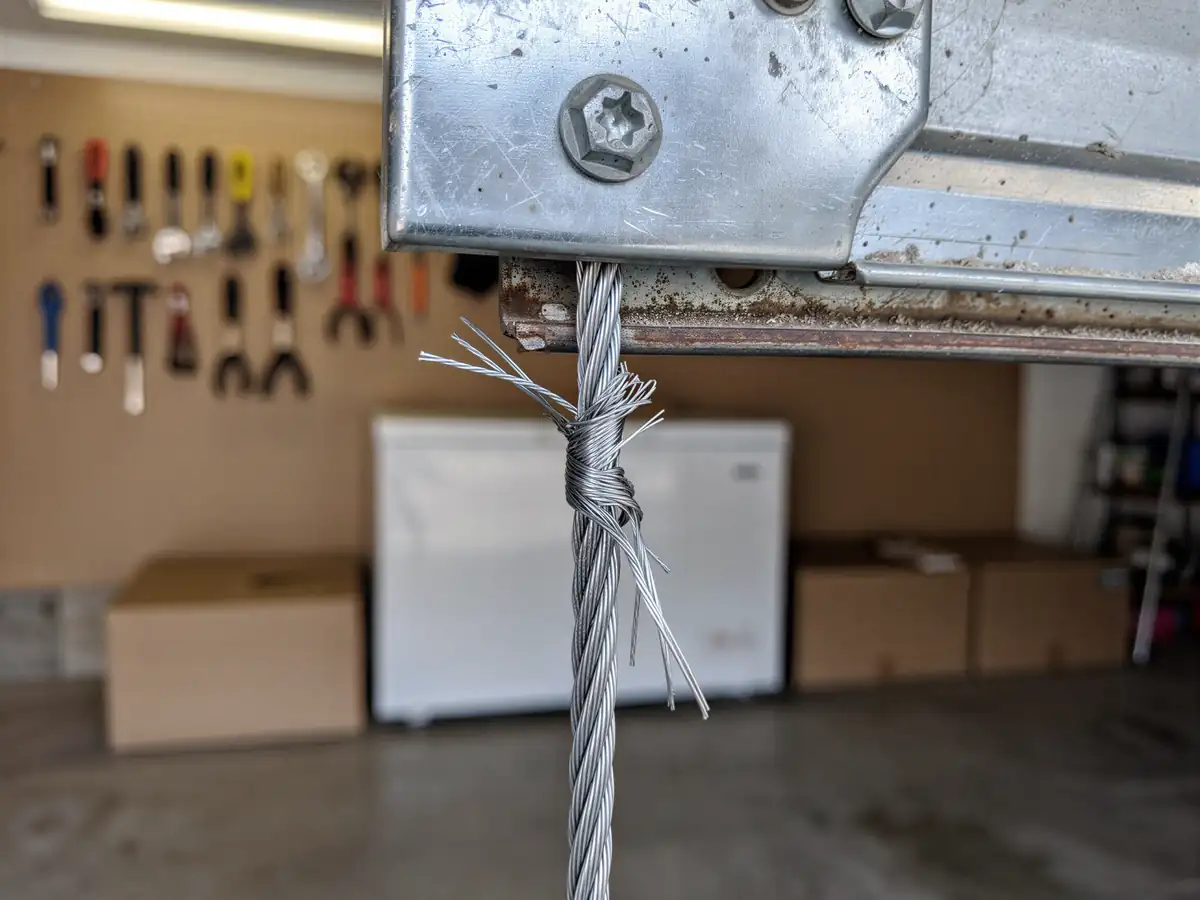
Extension springs are not on that list. They're under heavy tension even when the door looks still, and on a mid-1970s door the brackets and safety cables holding them may be as old as the springs themselves. A spring that lets go while someone's hands are near it can break fingers or worse - this isn't us being cautious for the sake of it, it's just how the hardware behaves. If a spring's already snapped, leave the door down, unplug the opener if there is one, and don't try to force it open on the track.
We'll also say plainly: if a door's opener, track, and springs are all failing around the same time, patch repairs start costing more than a straight replacement would. We'd rather tell a Cedartown homeowner that up front than keep sending a truck out for the same door every few months.
The Symptom
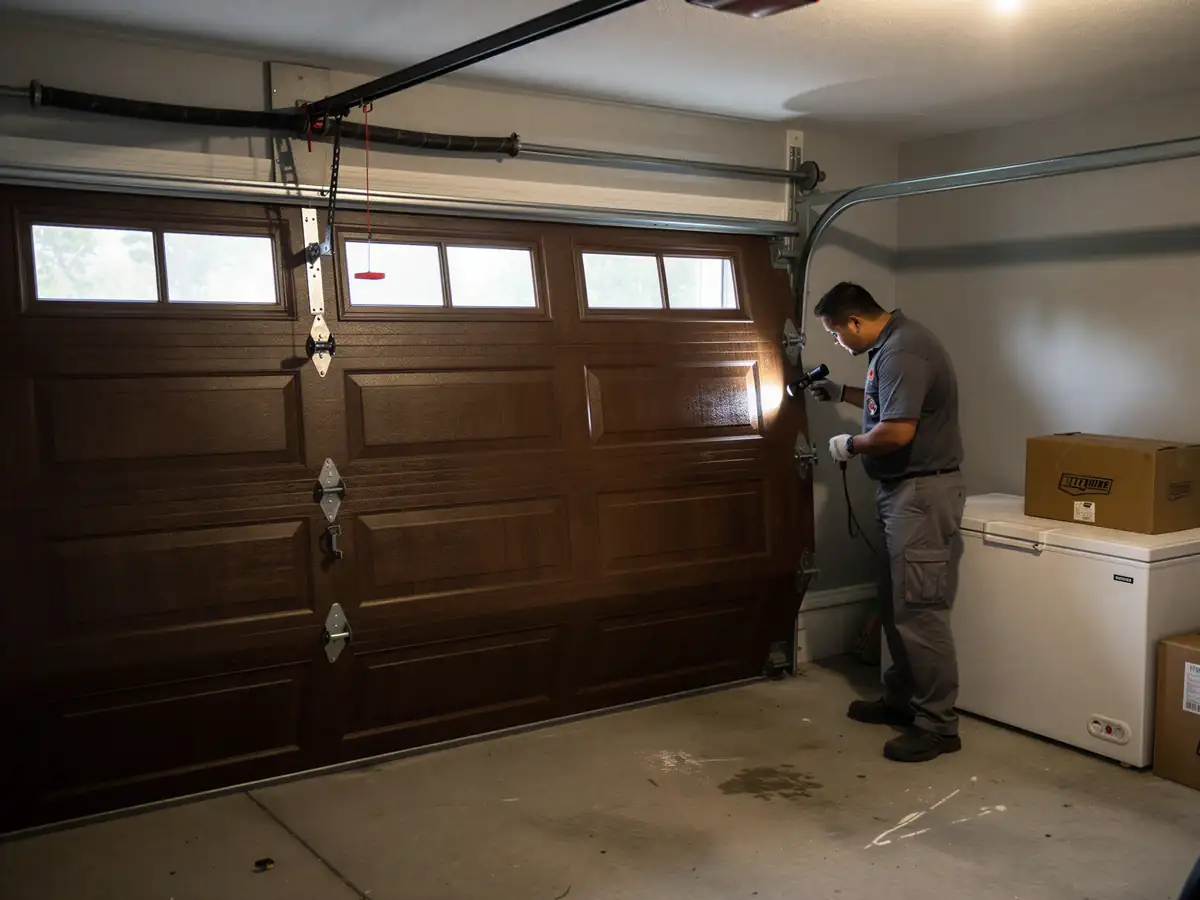
The most common call out of Cedartown starts the same way: the door works fine, then one day it won't lift past a foot or two off the floor, or it drops fast on the way down instead of lowering slowly. That's almost always a spring that's lost its tension or broken outright - on these older extension-spring doors, one side can snap while the other holds, which makes the door go up crooked or bind hard in the tracks.
A second version of the same call: the opener runs, you can hear the motor, but the door barely moves or doesn't move at all. That's usually the opener trying to do a spring's job, which burns out the motor or strips the gear inside faster than it should. Either way, the fix starts with the springs, not the opener, on most of the doors we see from this part of town.
If the door's making a grinding or popping sound from up near the top of the track before any of this happens, that's often the early warning - worth a call before the spring actually goes rather than after.