Why It Happens Here
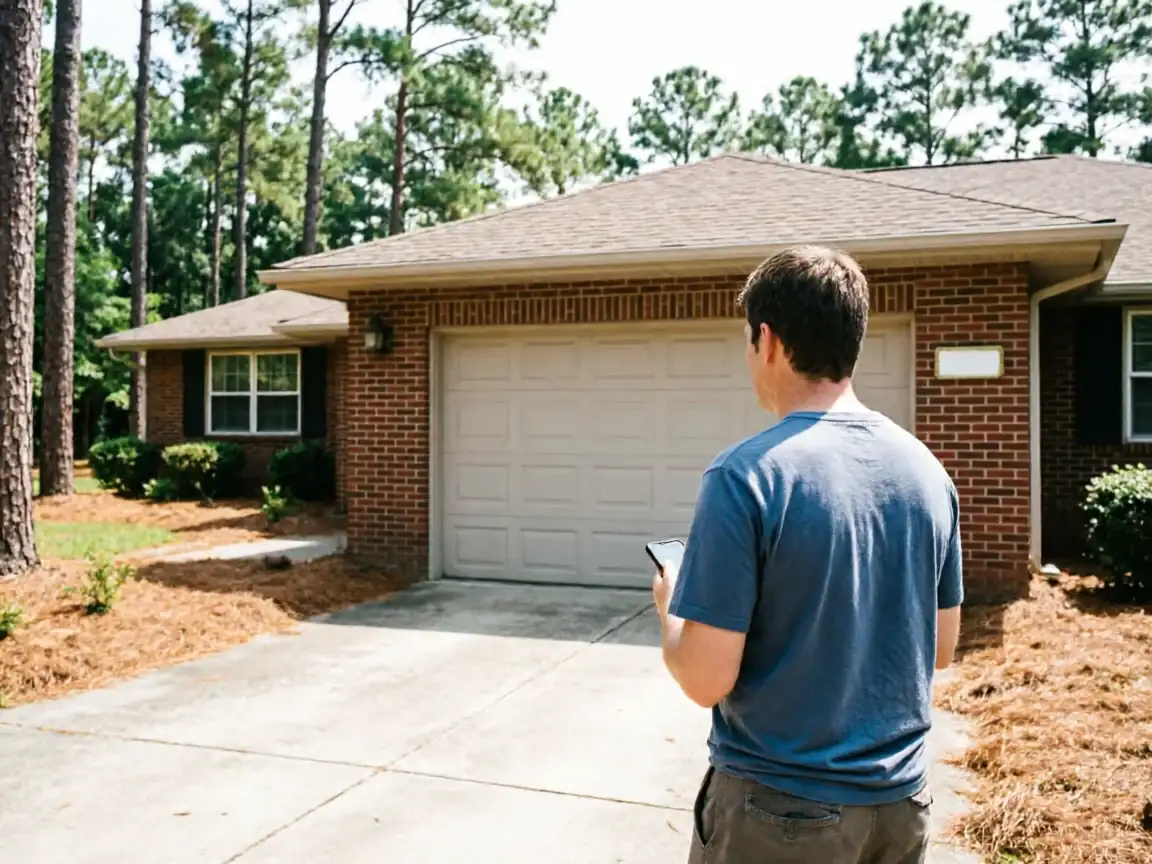
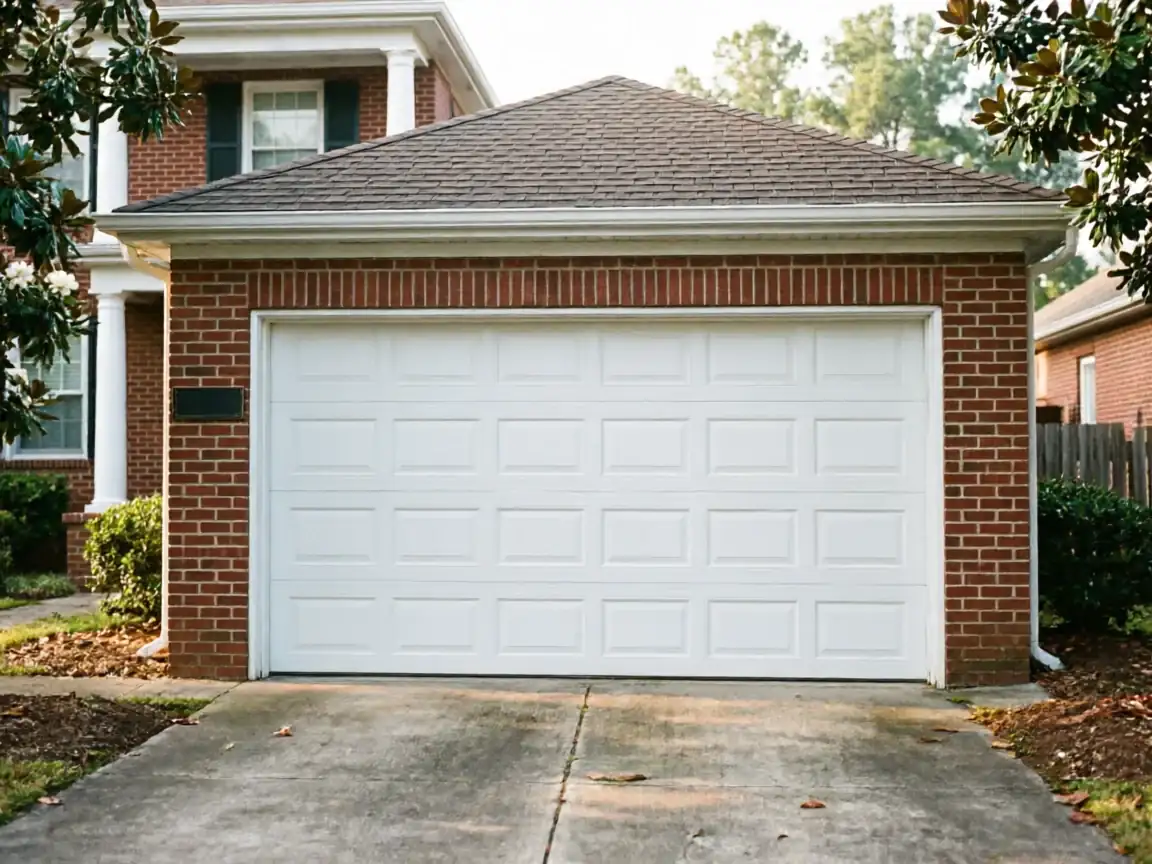
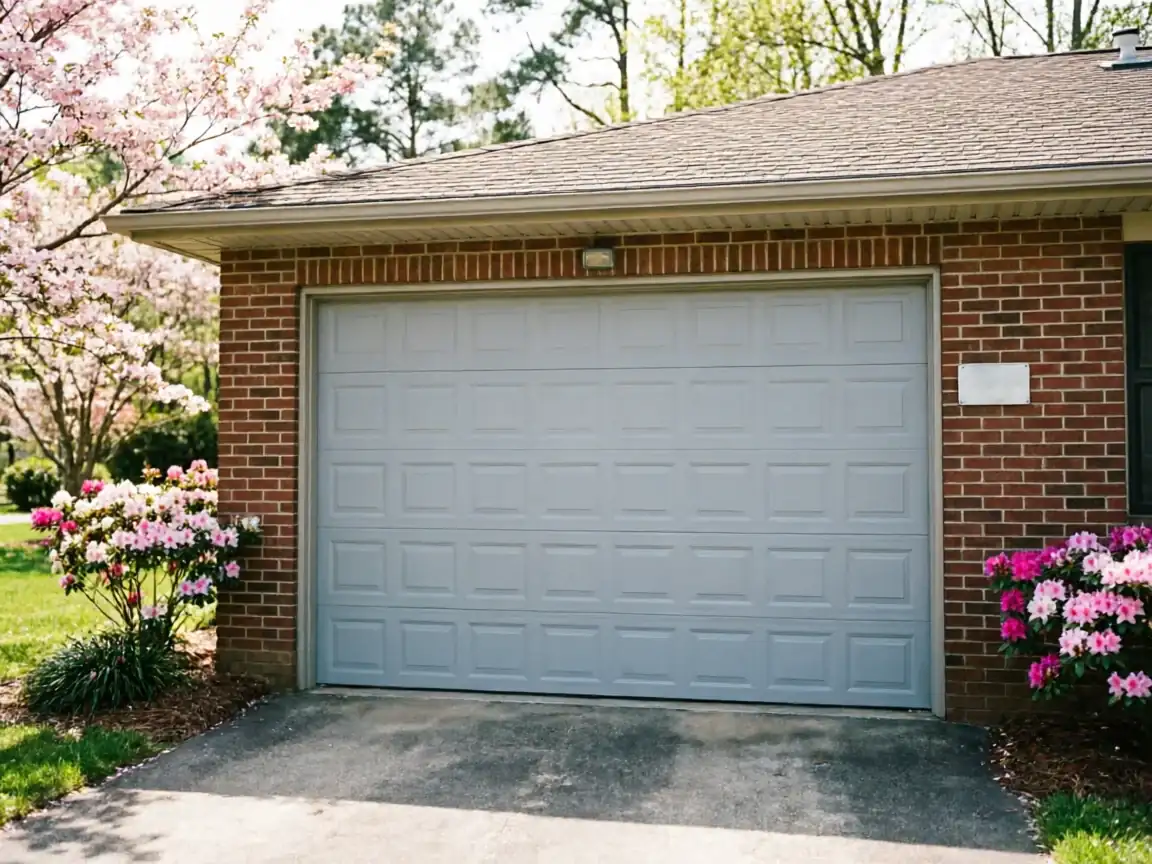
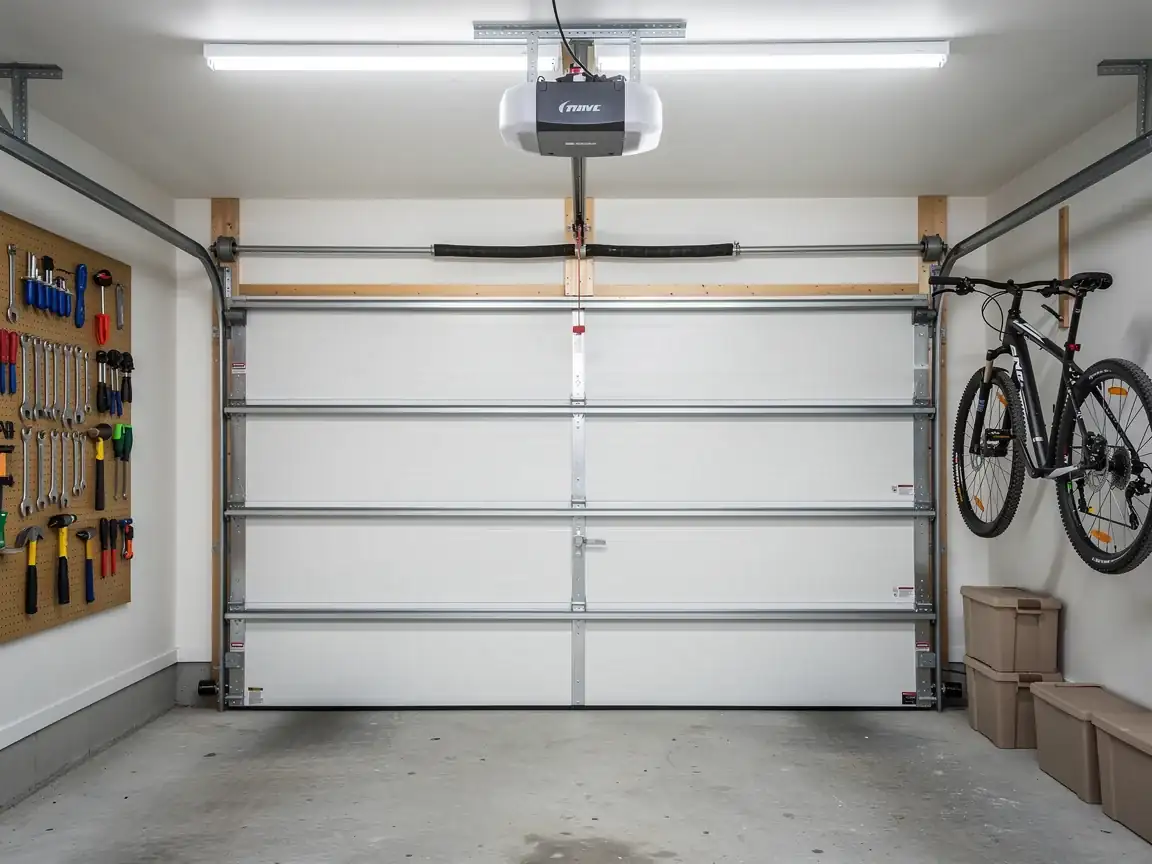
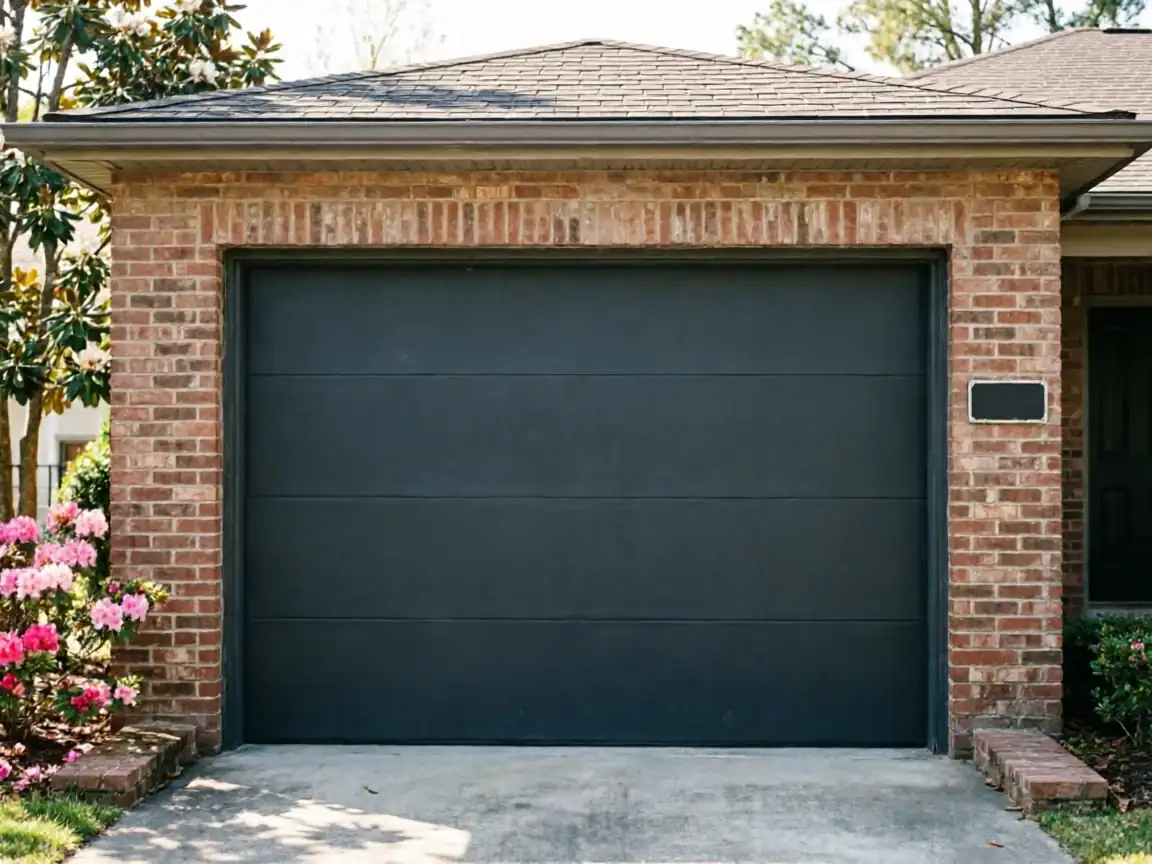
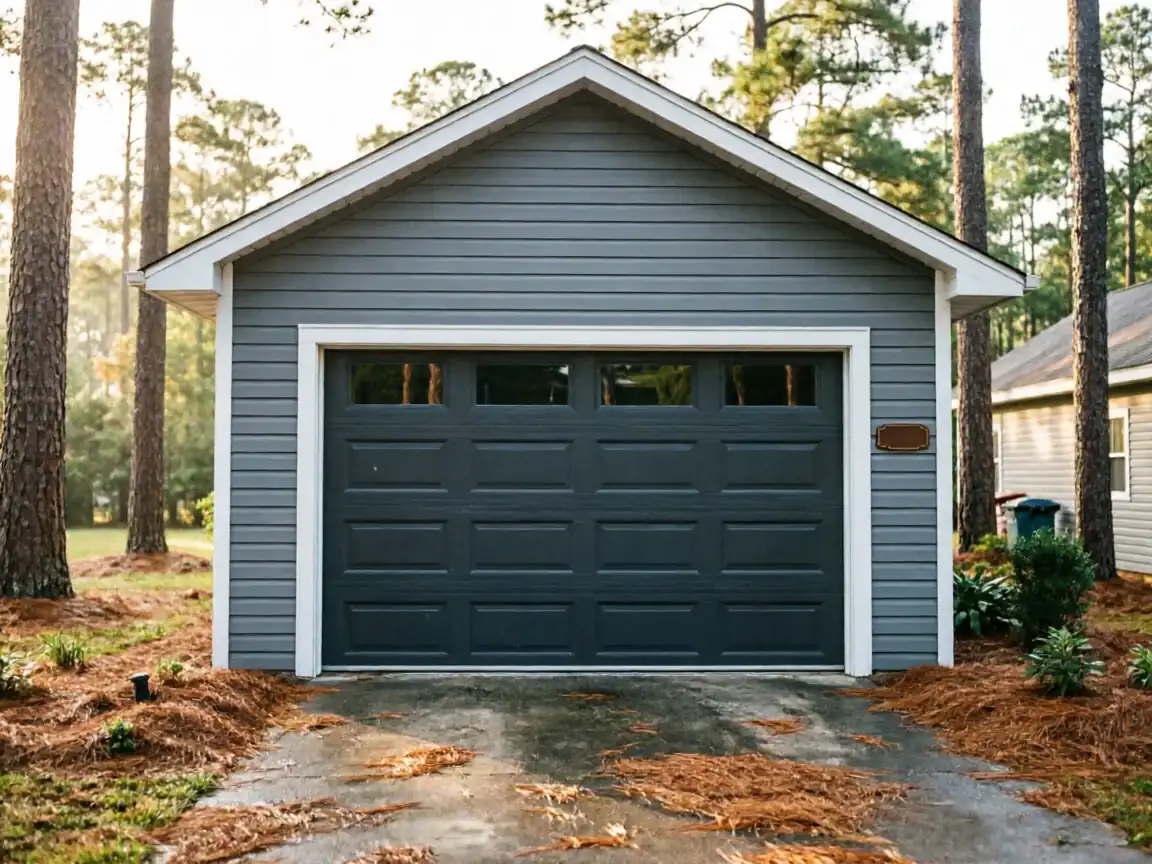
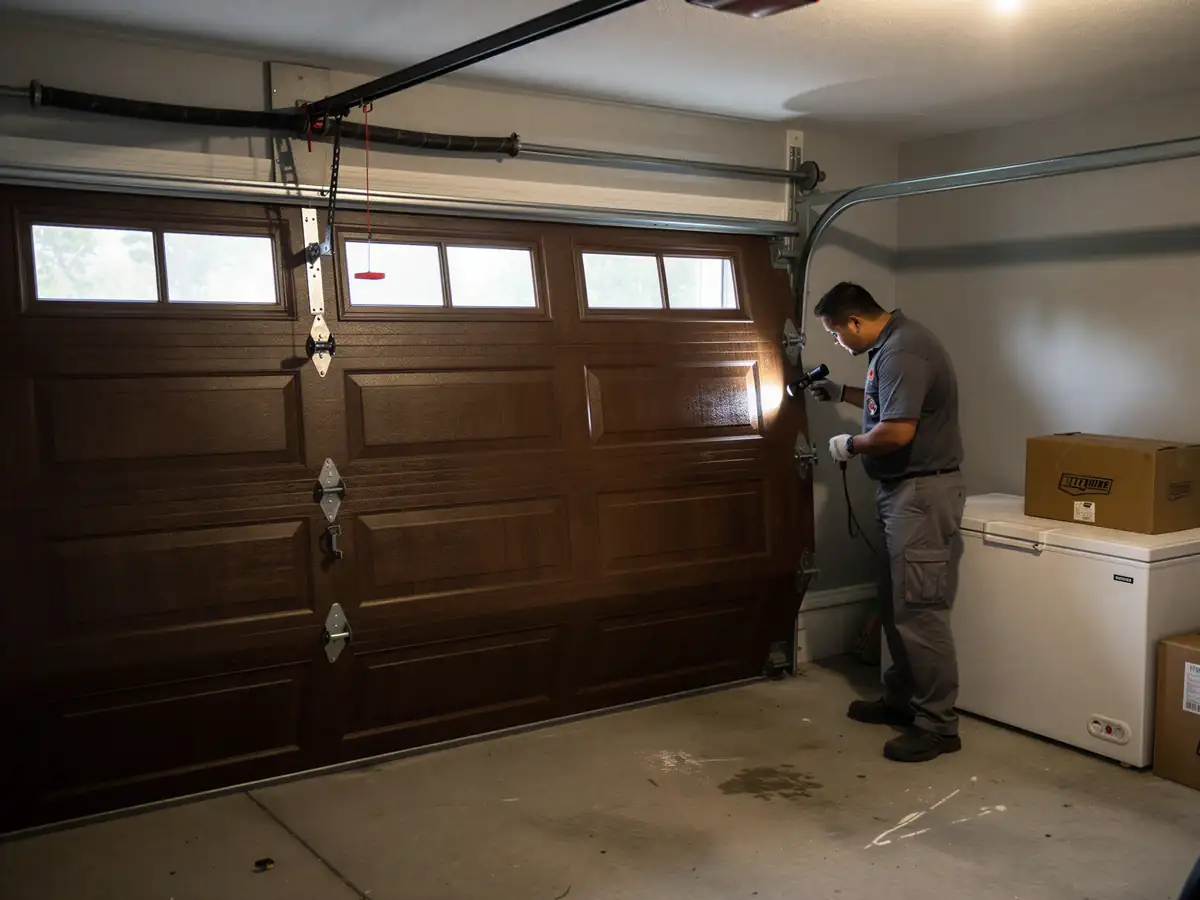
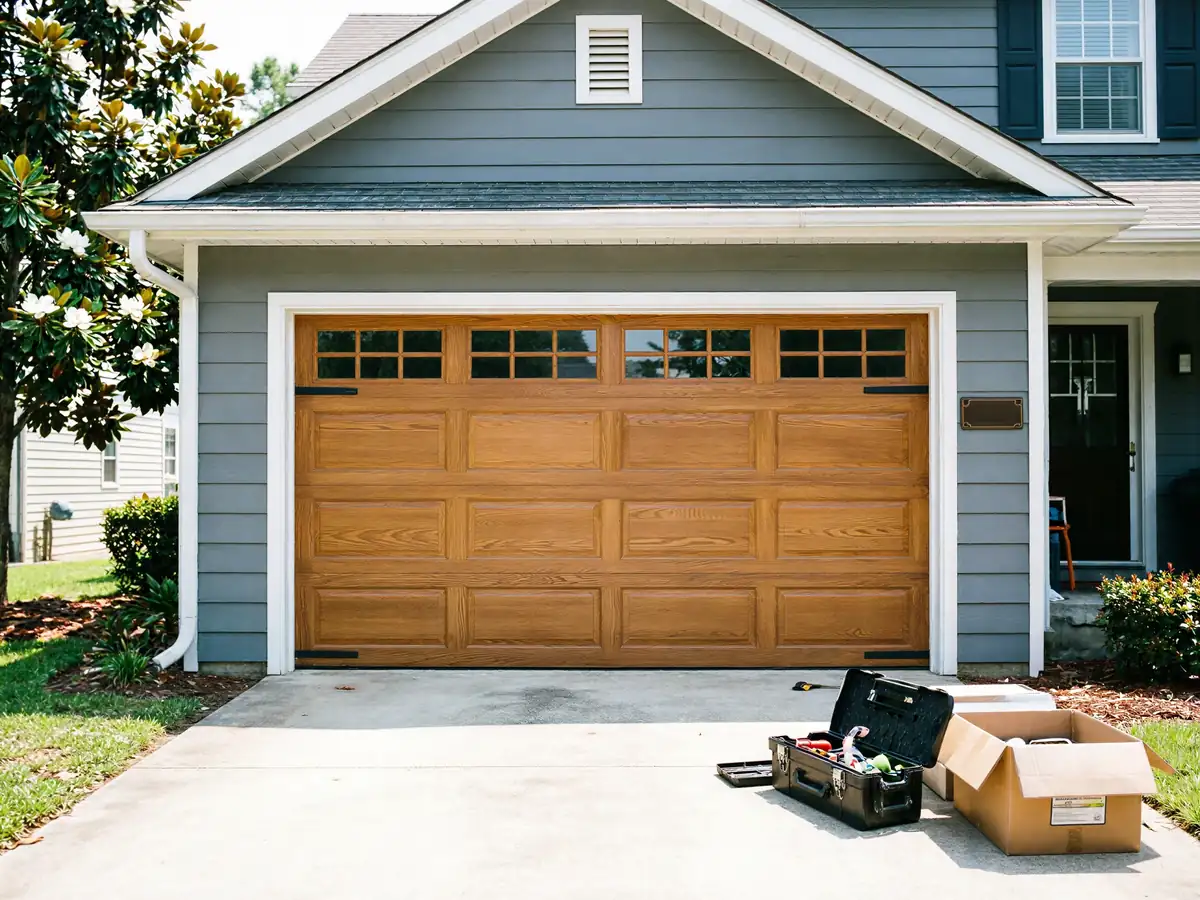
Walk the driveways of a Cedartown neighborhood built in the mid-1970s and you'll see the same door on half the houses: a flat, single-layer steel panel, no insulation core, hung on a 16x7 or 9x7 frame that was standard for that decade. Cedartown's housing stock centers on 1976, which lines up with the wider area's 1957-2001 build range and its concentration of 1960s-70s construction. That era of door was built for a mild climate assumption that doesn't match the cold-moderate swings this region actually gets - hot, humid summers followed by hard freezes that work steel and warp old wood jambs. Thirty-plus years in, the galvanizing is worn through at the bottom panel, the seams have no thermal break, and the track is often the original rolled-steel style that doesn't accept a modern opener bracket without an adapter. None of that is a defect - it's just what a door built in 1976 was, before anyone sized garage doors for energy codes. When a Cedartown homeowner calls about replacement rather than repair, it's usually this: the door still closes, but it's the thinnest, least insulated thing in the house.
Doing It Yourself
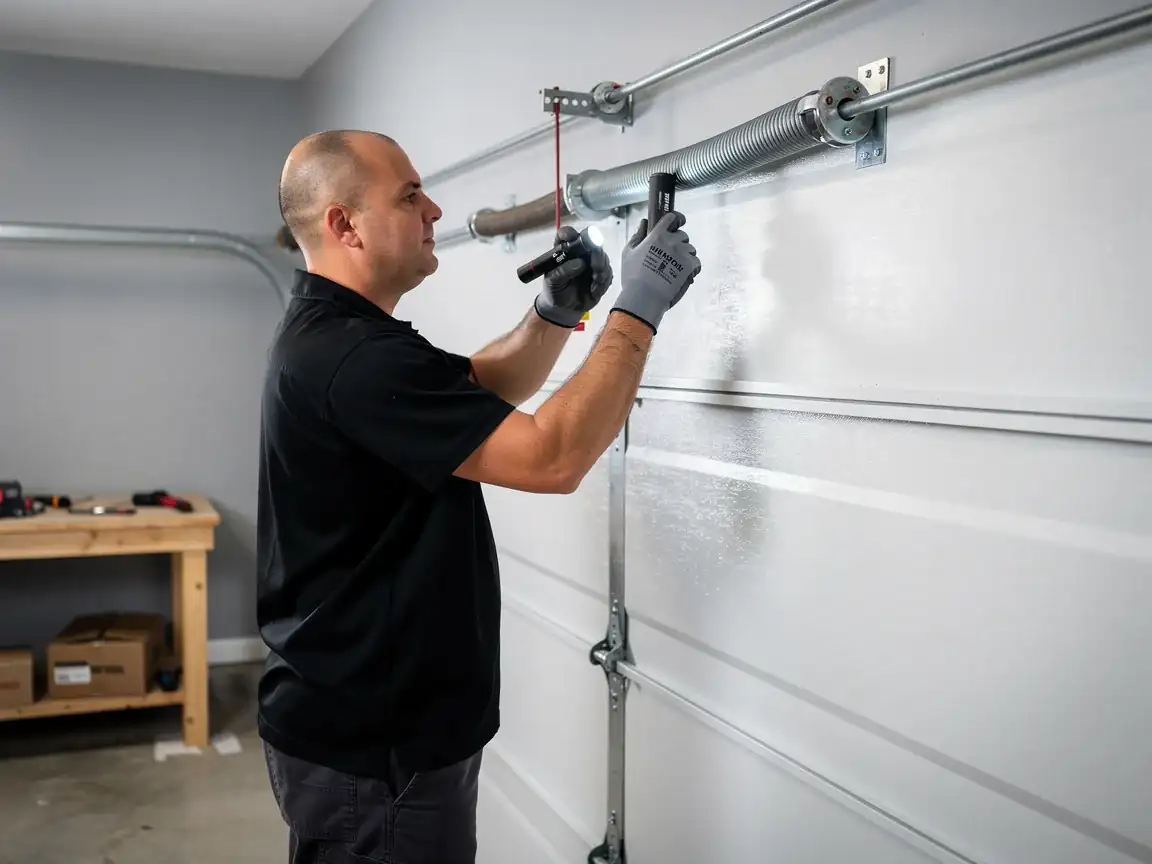
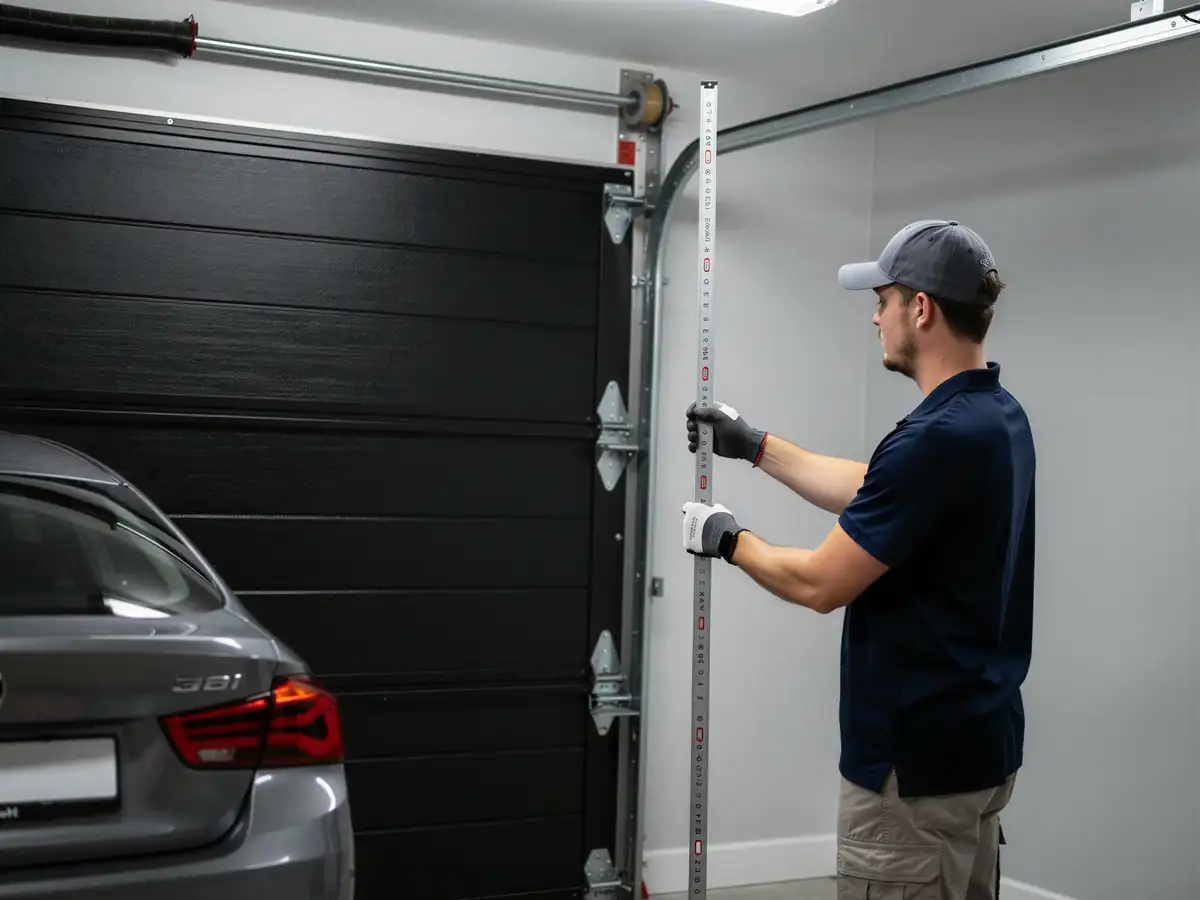
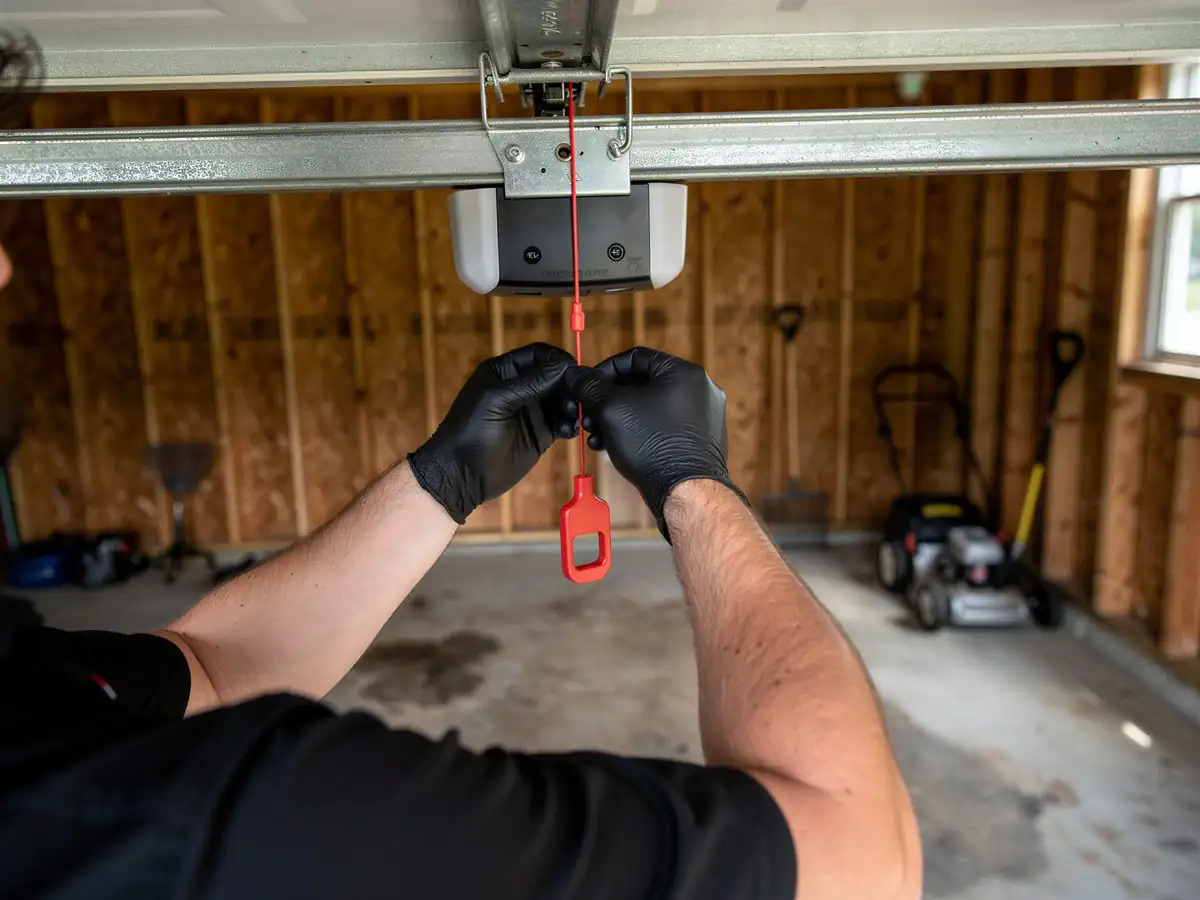
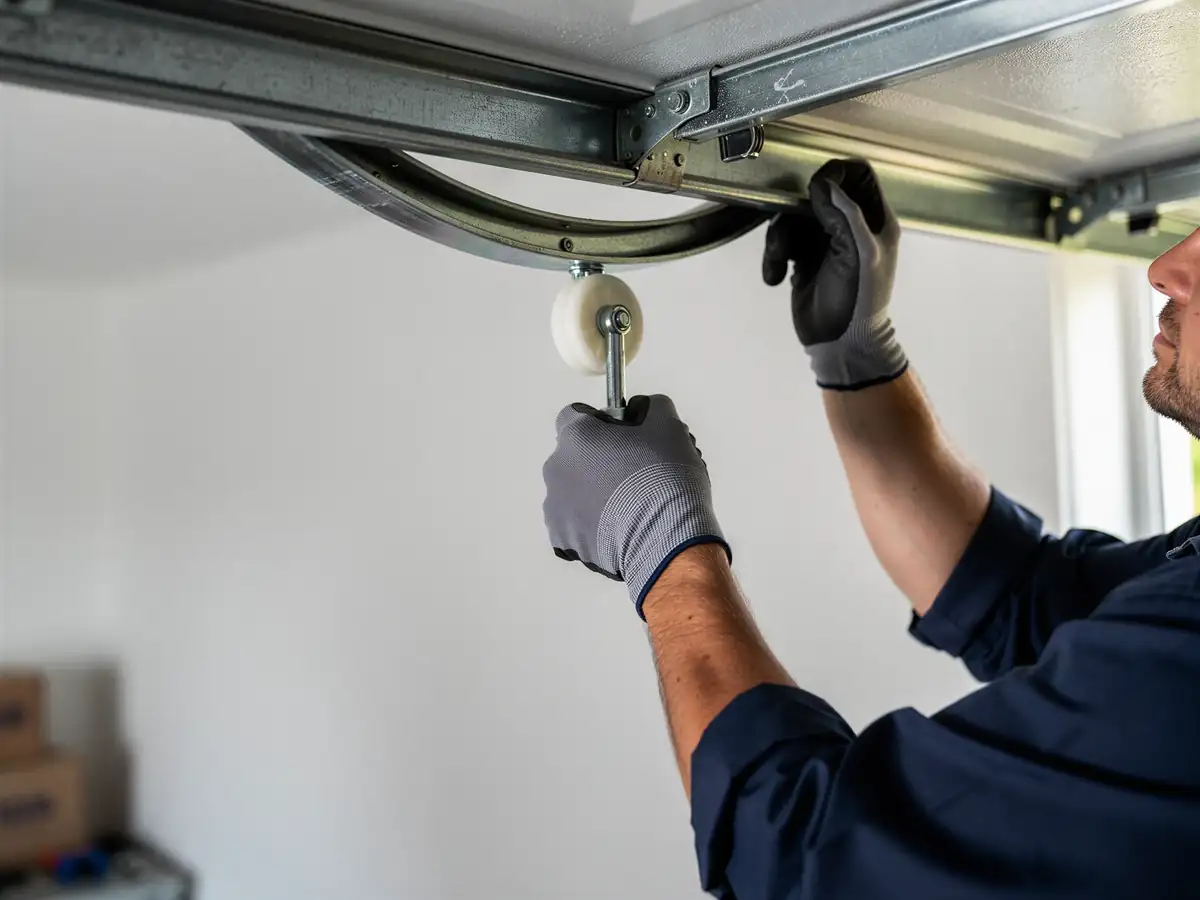
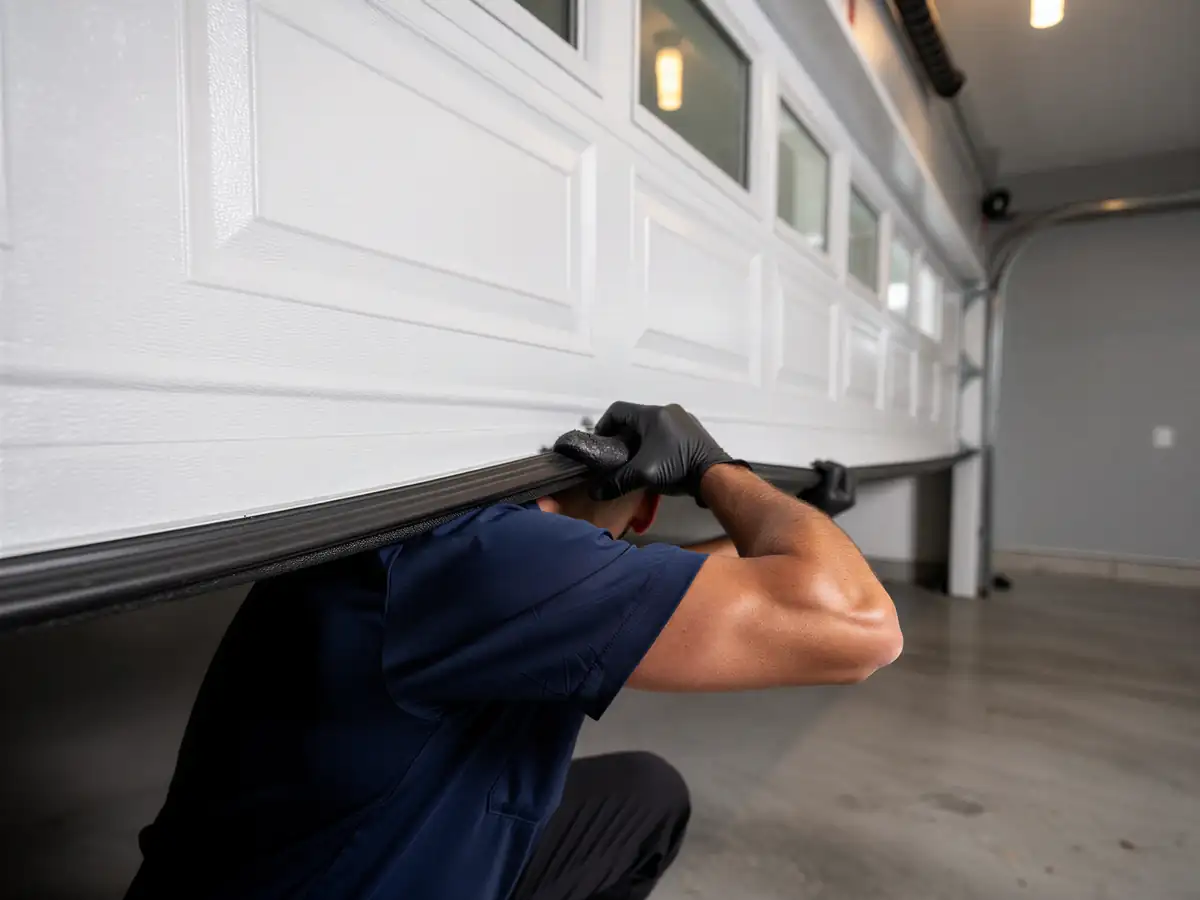
A homeowner can swap weatherstripping, replace rollers, or re-tension a light extension spring on these older Cedartown doors without much risk. What you shouldn't do yourself is take out a torsion spring or try to re-hang a full door panel alone - on a 1970s-era frame the jamb may have shifted enough over the decades that the new unit won't seat square without someone checking plumb on both sides first. We also won't talk anyone through removing a wound torsion spring over the phone; it's the one job in this trade that puts people in the ER, and it's not worth the money saved. If you're comfortable with a screwdriver and a level, tightening hinges and lubricating the original steel track is fair game and will buy the door time.
The Symptom
The call we get most from this side of the service area isn't