Why It Happens Here
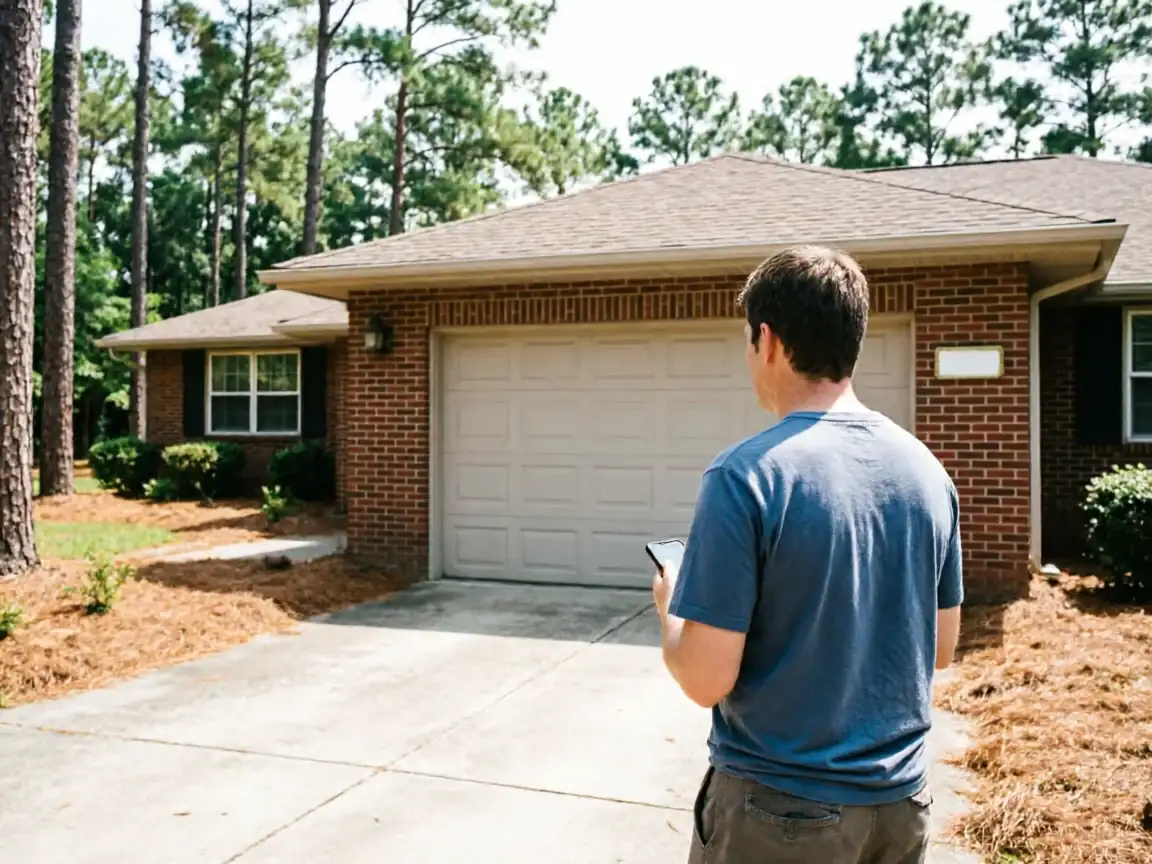
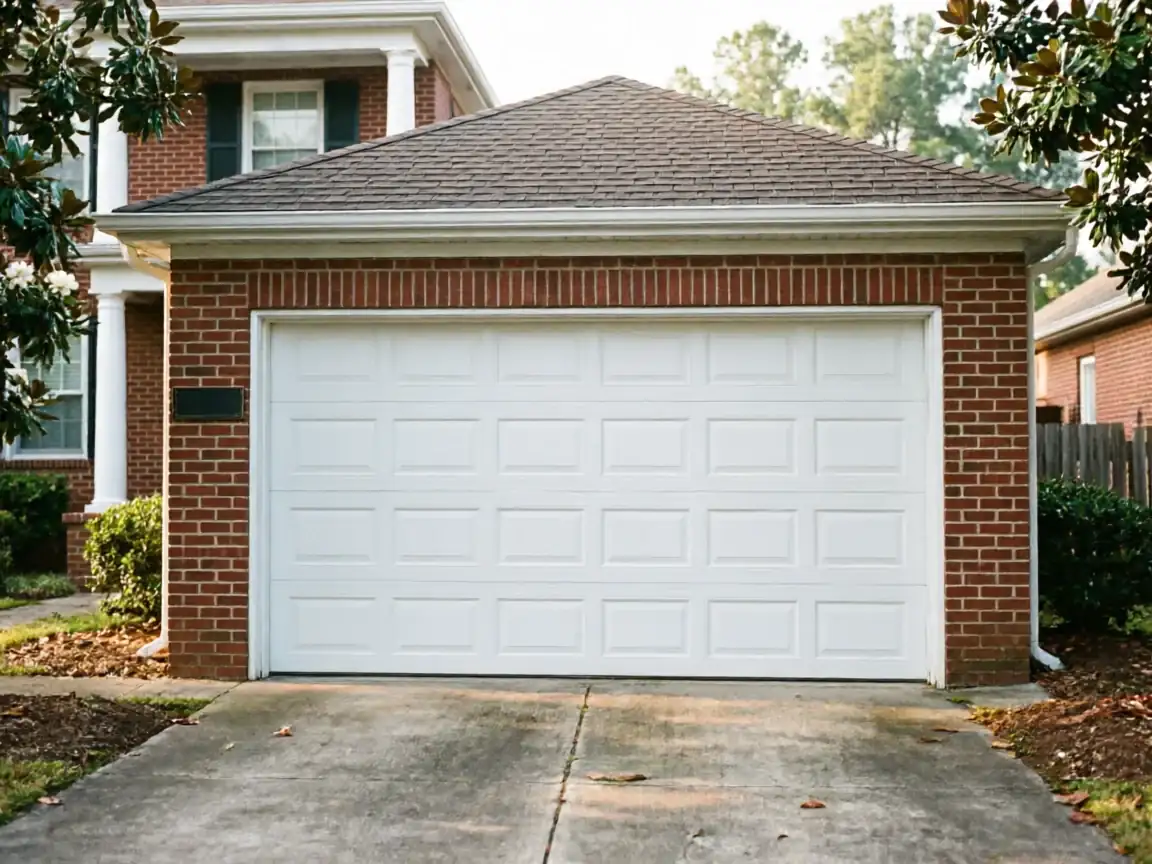
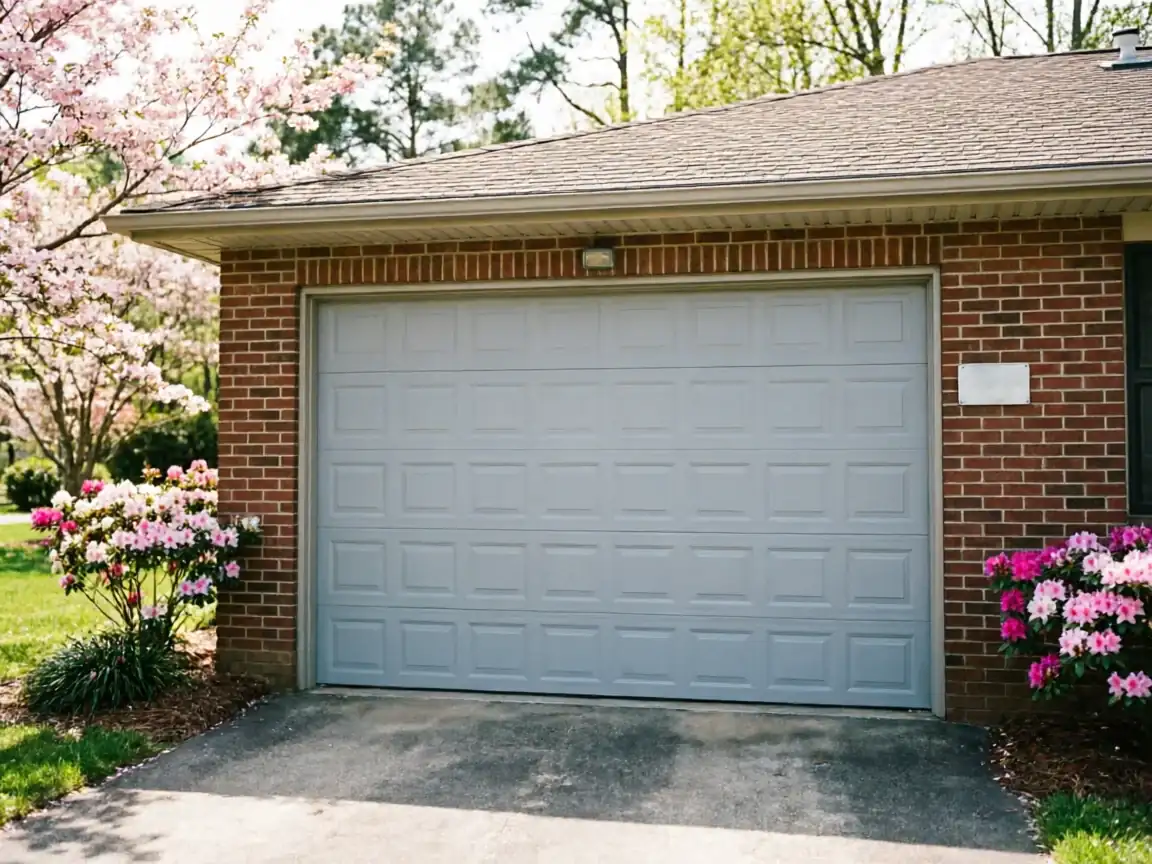
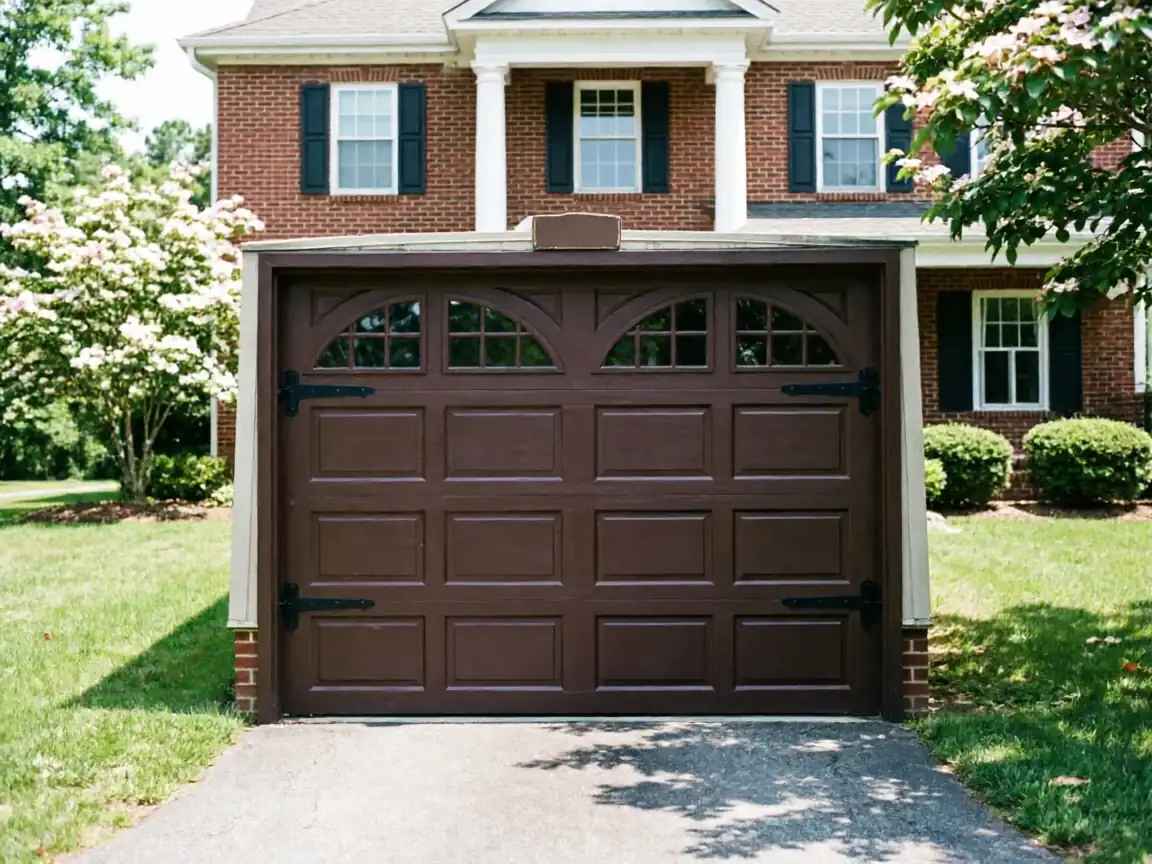
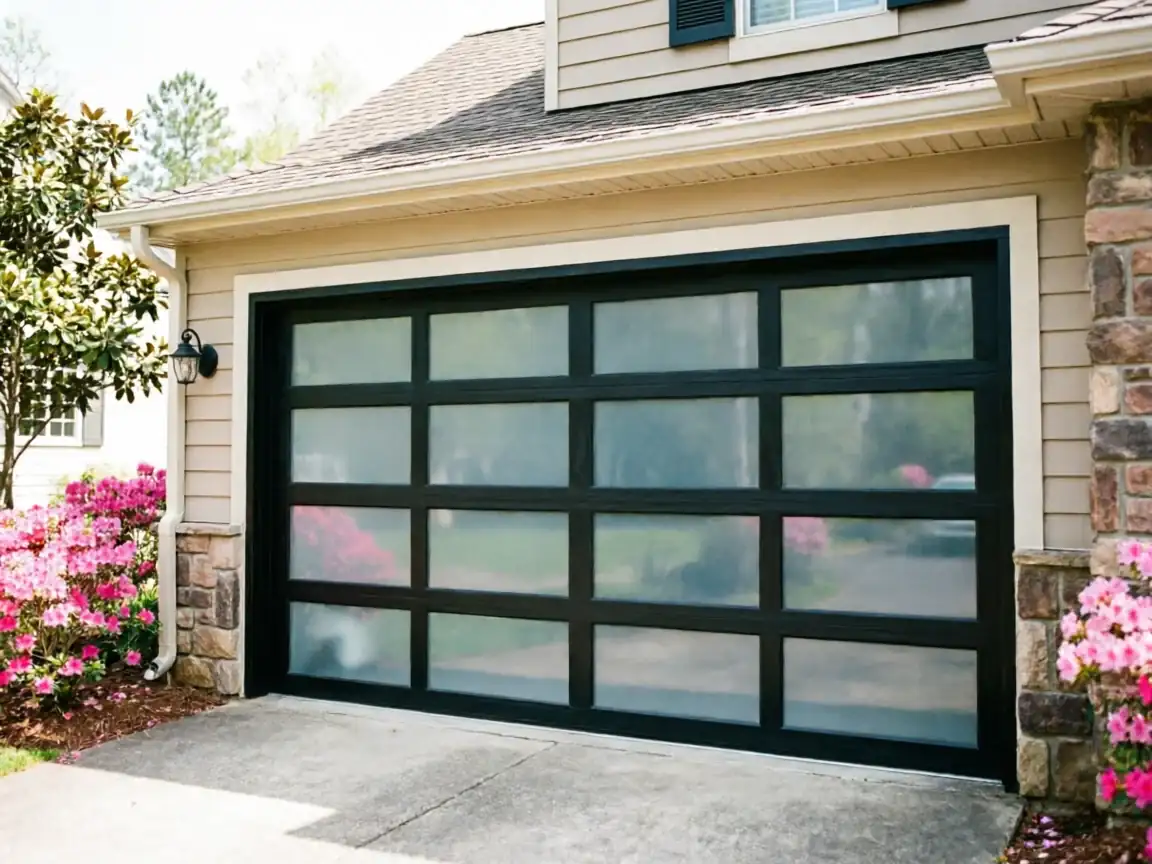
Cedartown sits 17 miles from our shop in Rome, which is close enough that a maintenance visit doesn't turn into a half-day trip, but far enough that we bundle the drive with a real inspection rather than a quick look. Most houses on this side of the service area, Cedartown included, went up with a median build year around 1976, which puts the typical door and opener squarely in the extended-spring or early torsion-spring era depending on when the house was last touched. That hardware is now pushing 45-plus years old in a lot of cases, even where the door itself has been swapped out once already.
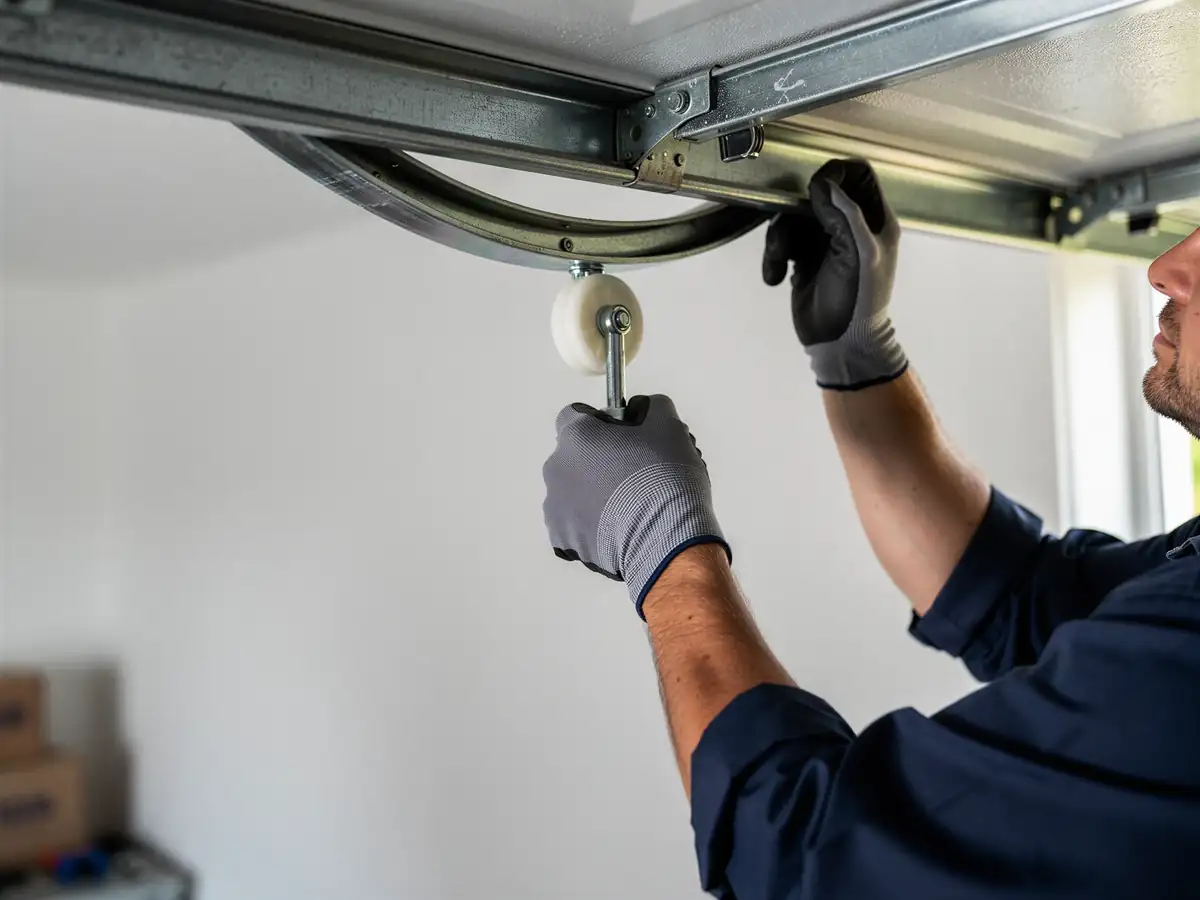
The region's wider housing stock runs 1957 to 2001, median 1975, so Cedartown tracks close to that regional pattern rather than sitting at either edge. What that means practically: original rollers are steel, not nylon, and they're loud and prone to flat spots by now. Track brackets from that build era used lag bolts into jamb studs that have had decades to work loose. None of this is unique to one street - it's a function of when the neighborhood was built, and it shows up the same way whether the house is on one side of town or the other.
The cold-moderate climate here adds its own wear pattern - temperature swings stiffen lubricant and shrink metal fractionally, which is enough to turn a slightly misaligned track into a binding one over a winter.
Booking a Visit
Because we're coming from Rome, we schedule Cedartown maintenance visits in blocks rather than one-off same-day calls
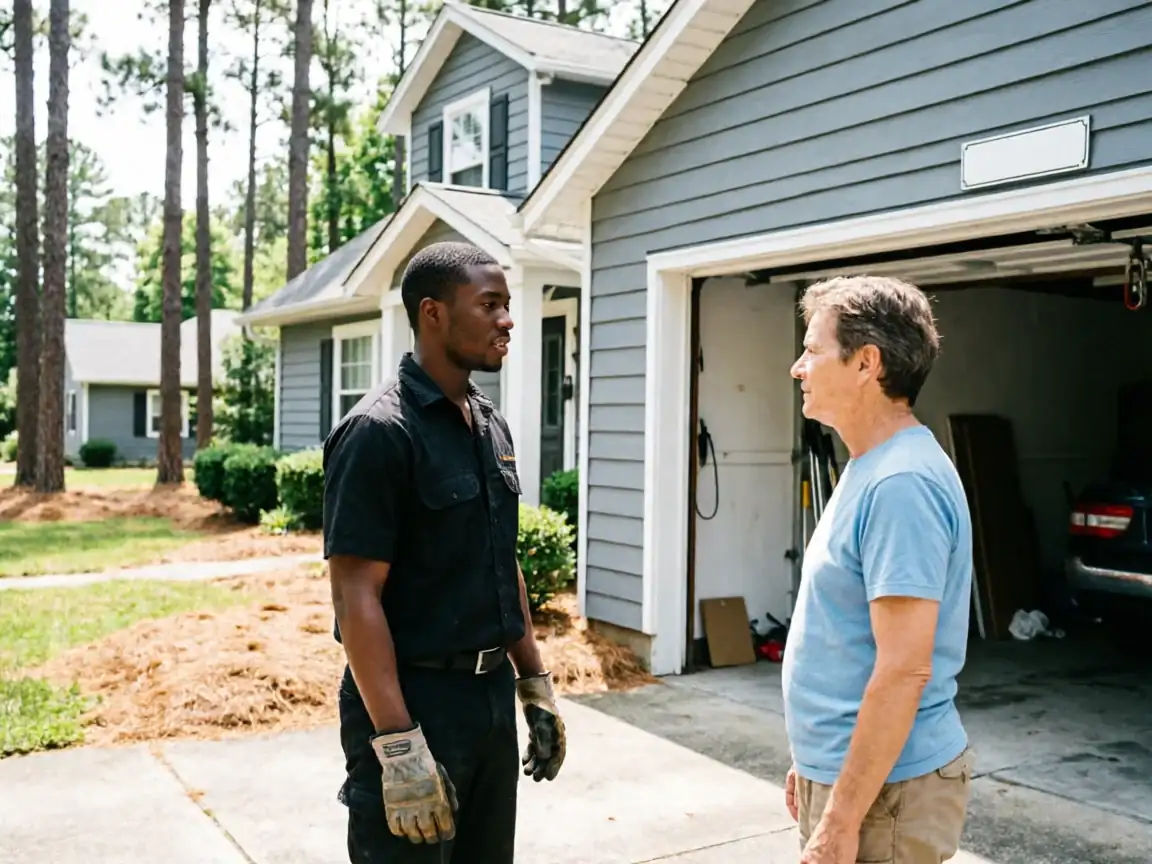
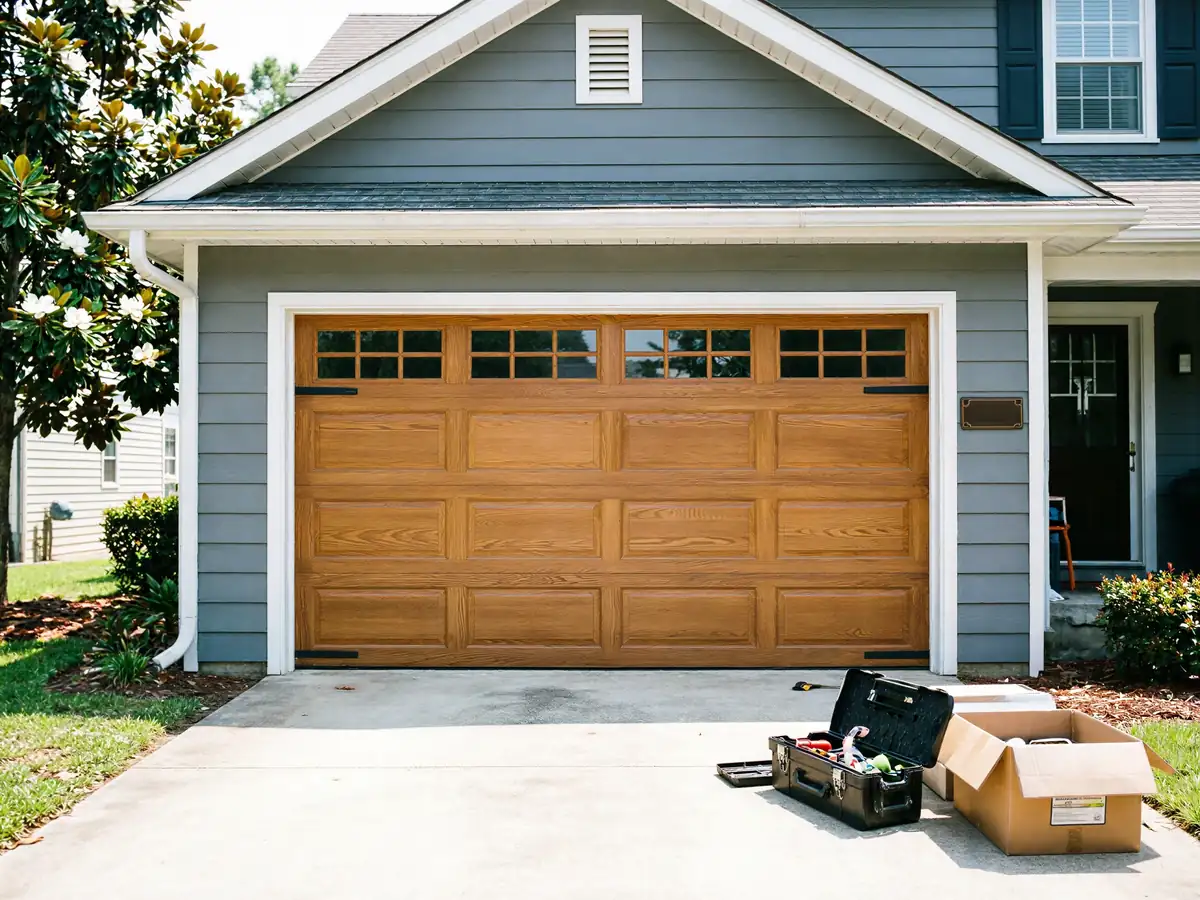
It's the only way the 17-mile drive makes sense for both of us on price. If you've got a door that's just gotten noisy or slow, that's a fine reason to book ahead rather than wait for a cable to snap. We don't run a branch in Cedartown, so there's no walk-in counter and no same-hour guarantee - what we can offer is a scheduled appointment where the tech already knows the general housing era they're walking into before they open the toolbox.
Given the area's median household income sits around $32,064
We try to be straight about what a maintenance visit should and shouldn't cost you - it's a tune-up, not a sales pitch for a new door you don't need. If the hardware's from the original build and still sound, we say so. If it's past the point where lubricant and adjustment fix it, we say that too, and we'd rather tell you a spring has maybe a year left in it than replace it before it's earned retirement.
- $32,064 median household income
Doing It Yourself
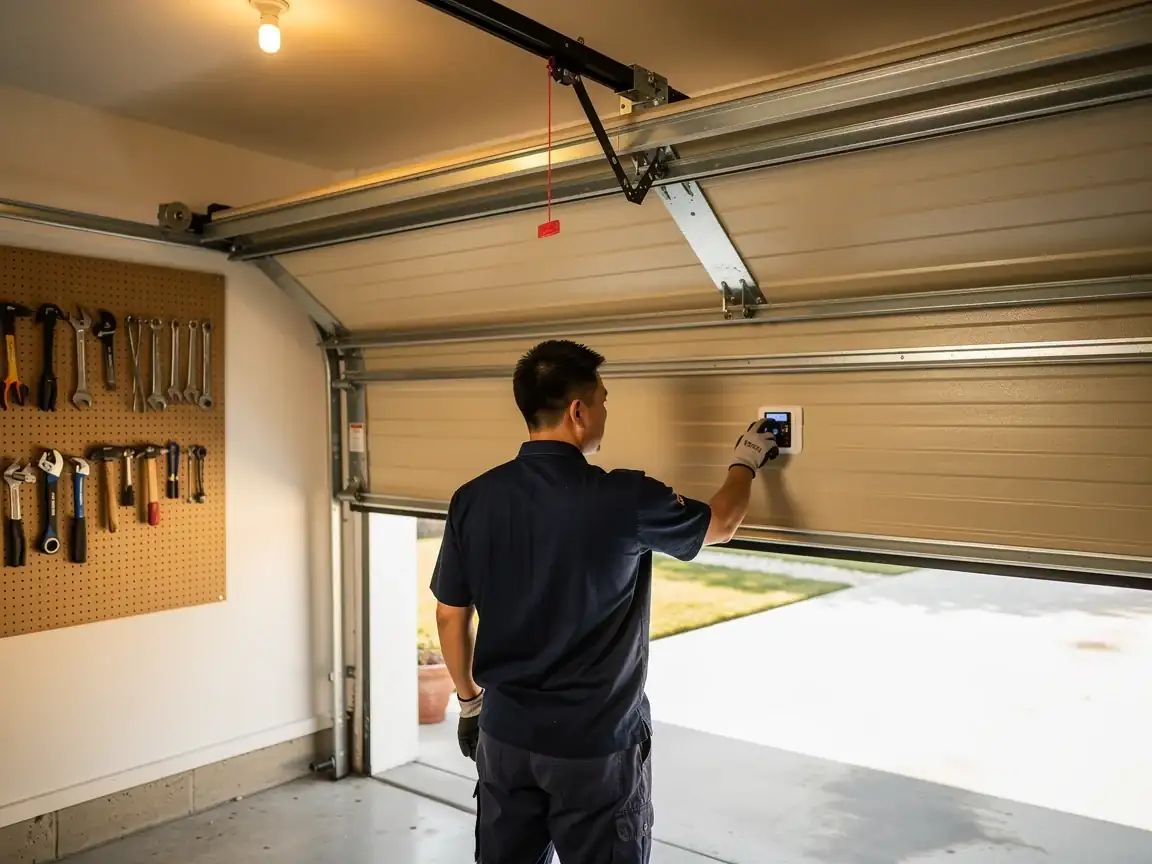
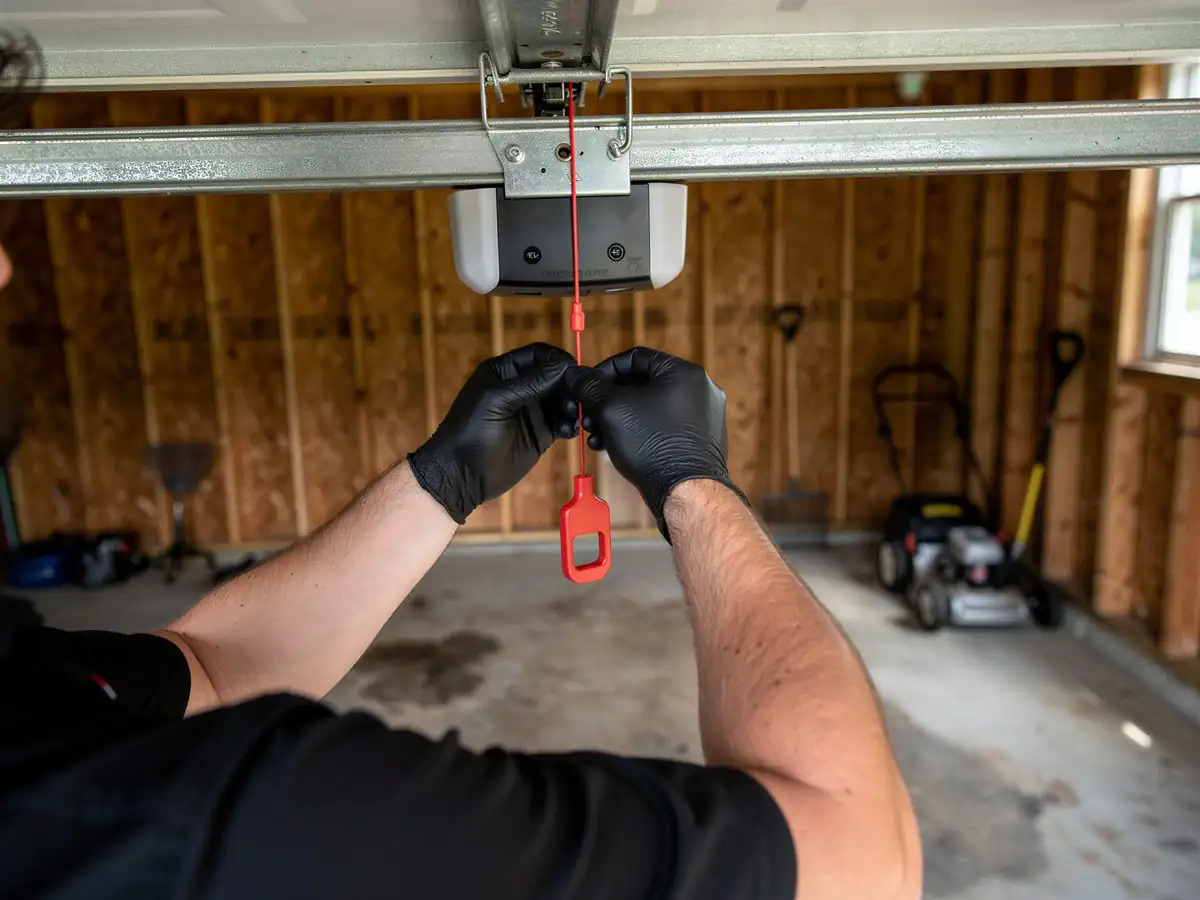
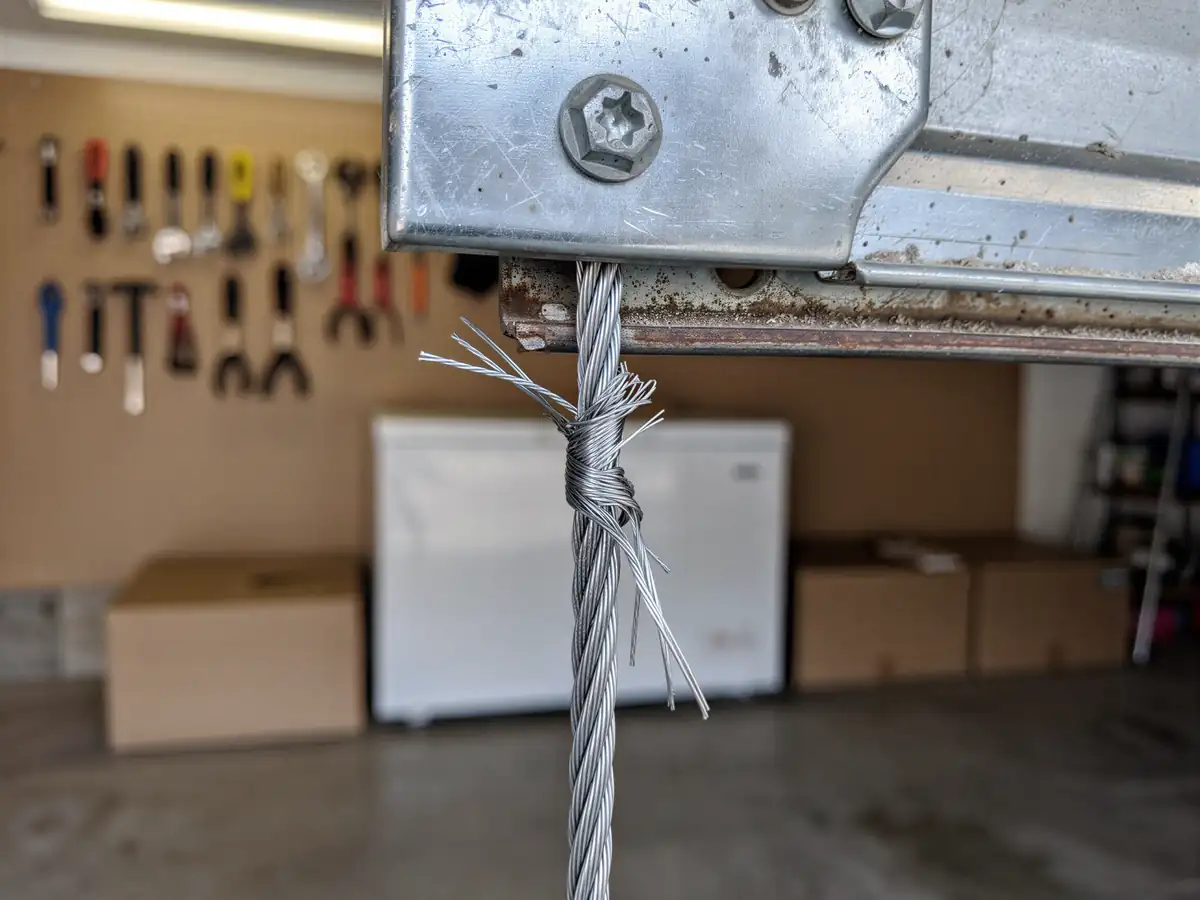
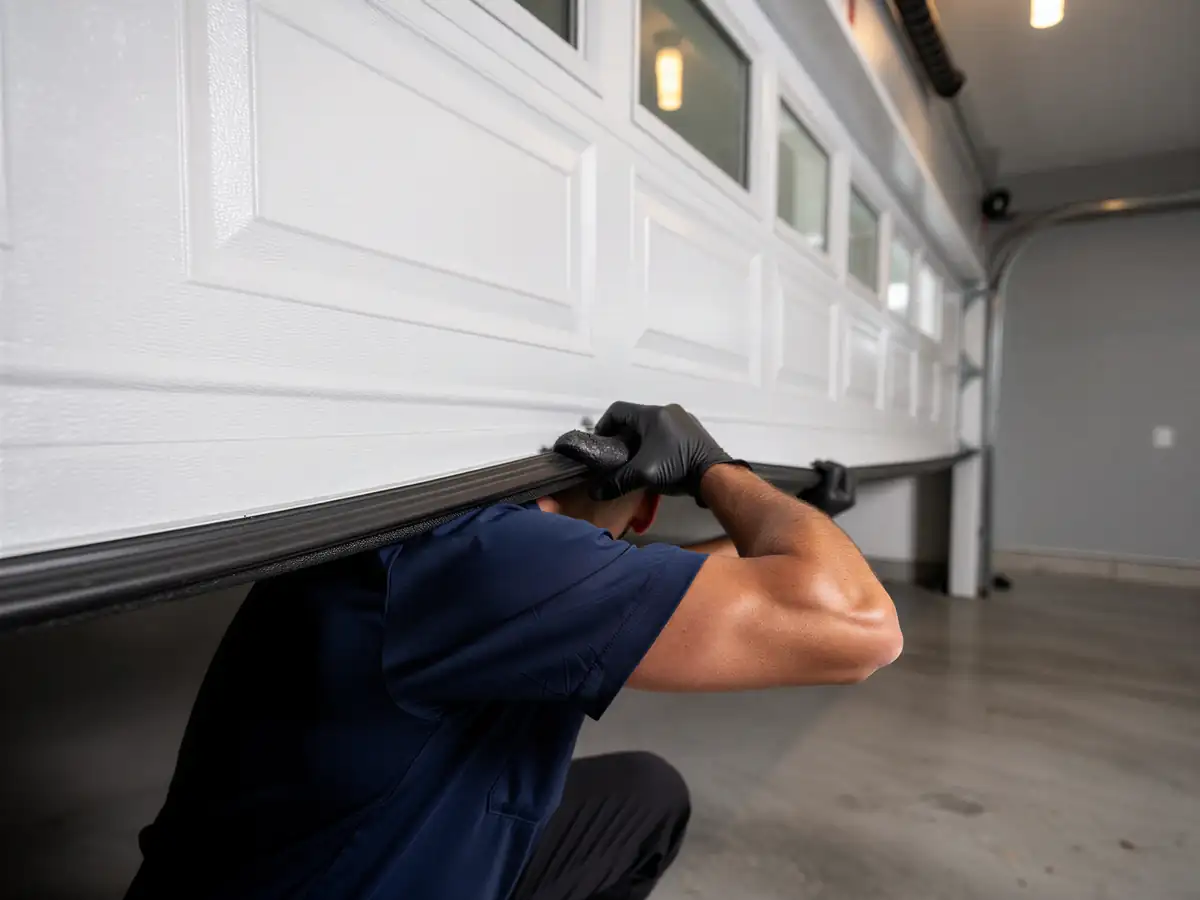
There's real maintenance a homeowner can do between visits: wipe down the tracks and check for debris, look at the cables for fraying, and lubricate the rollers and hinges with a garage-door-specific spray, not WD-40, which attracts grit. Test the auto-reverse by laying a 2x4 flat under the door and making sure it reverses on contact - this takes thirty seconds and catches a surprising number of safety issues before they become a pinched-finger problem.
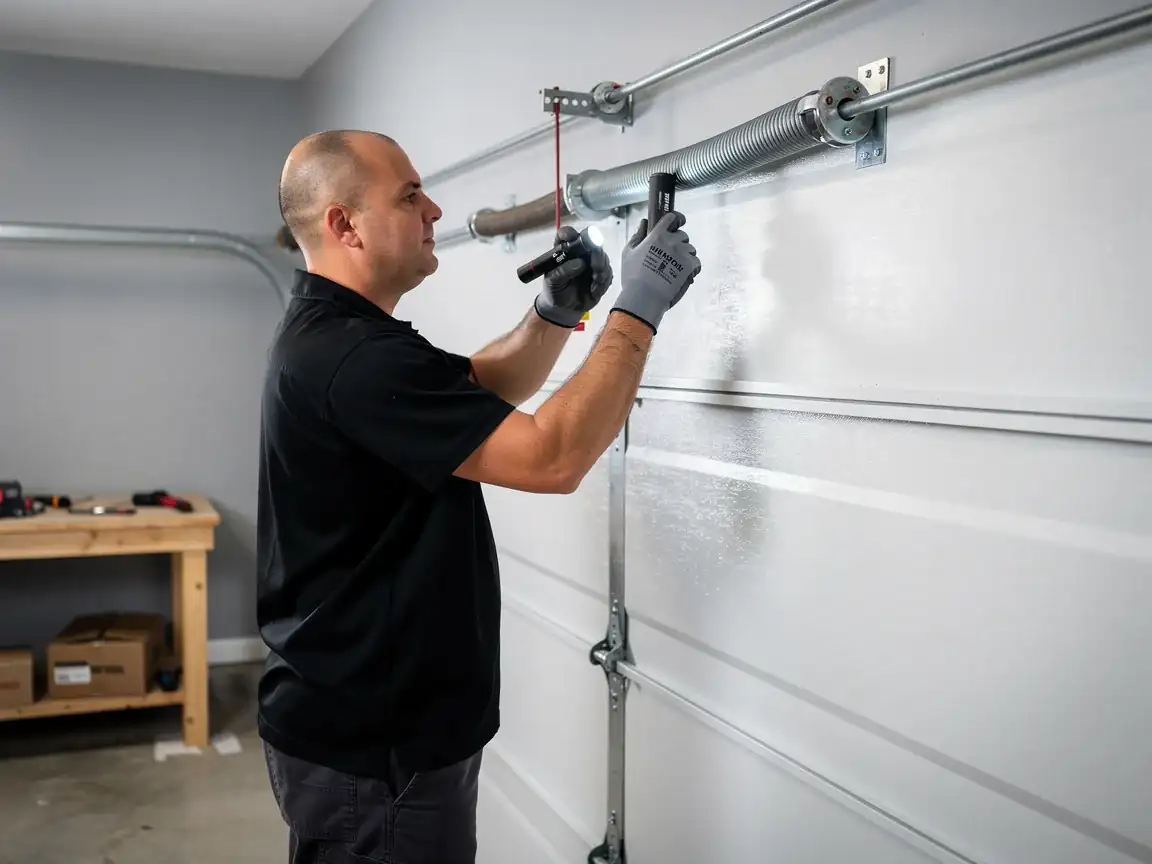
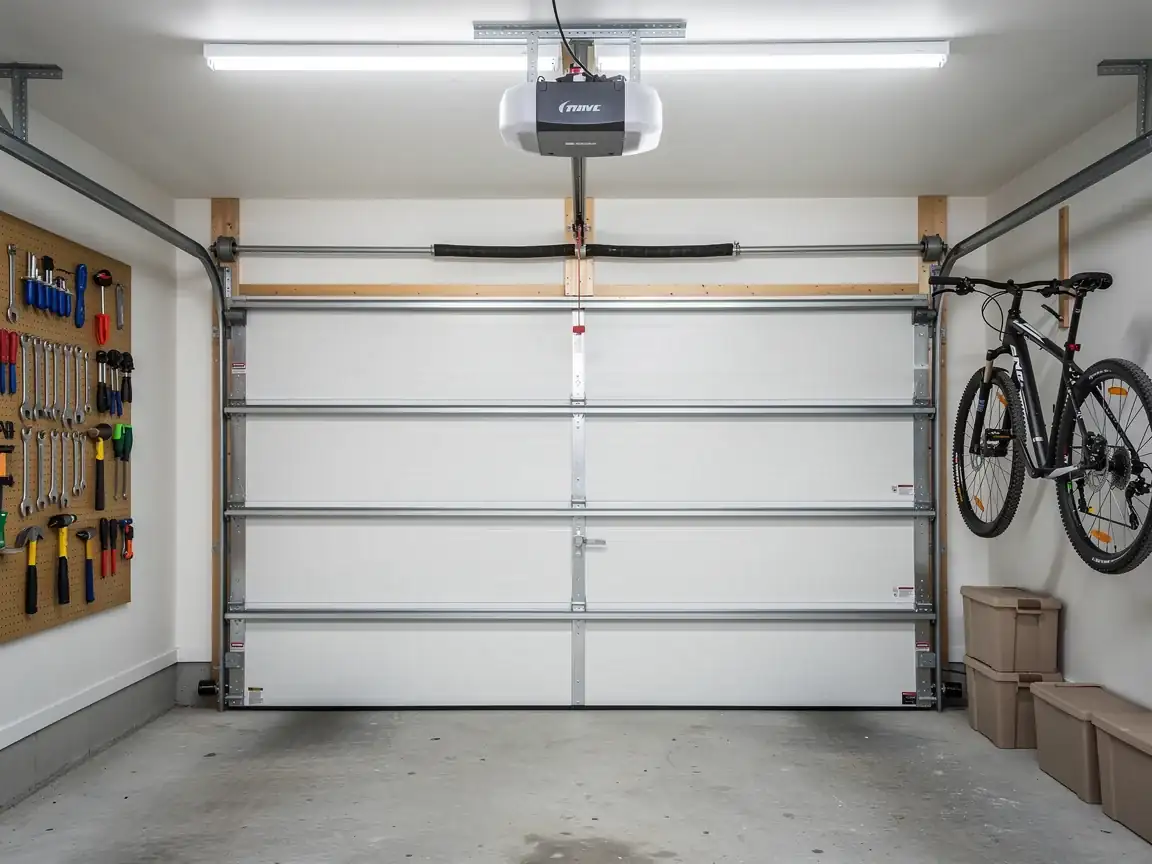
What you shouldn't touch: the torsion spring itself. On houses from the 1970s build era that's common around here, that spring is wound under several hundred pounds of tension, and the tools to release it safely aren't something most garages have lying around. We won't pretend otherwise - this is the one job on the list that's worth the drive from Rome rather than a Saturday afternoon and a YouTube video.
The Symptom
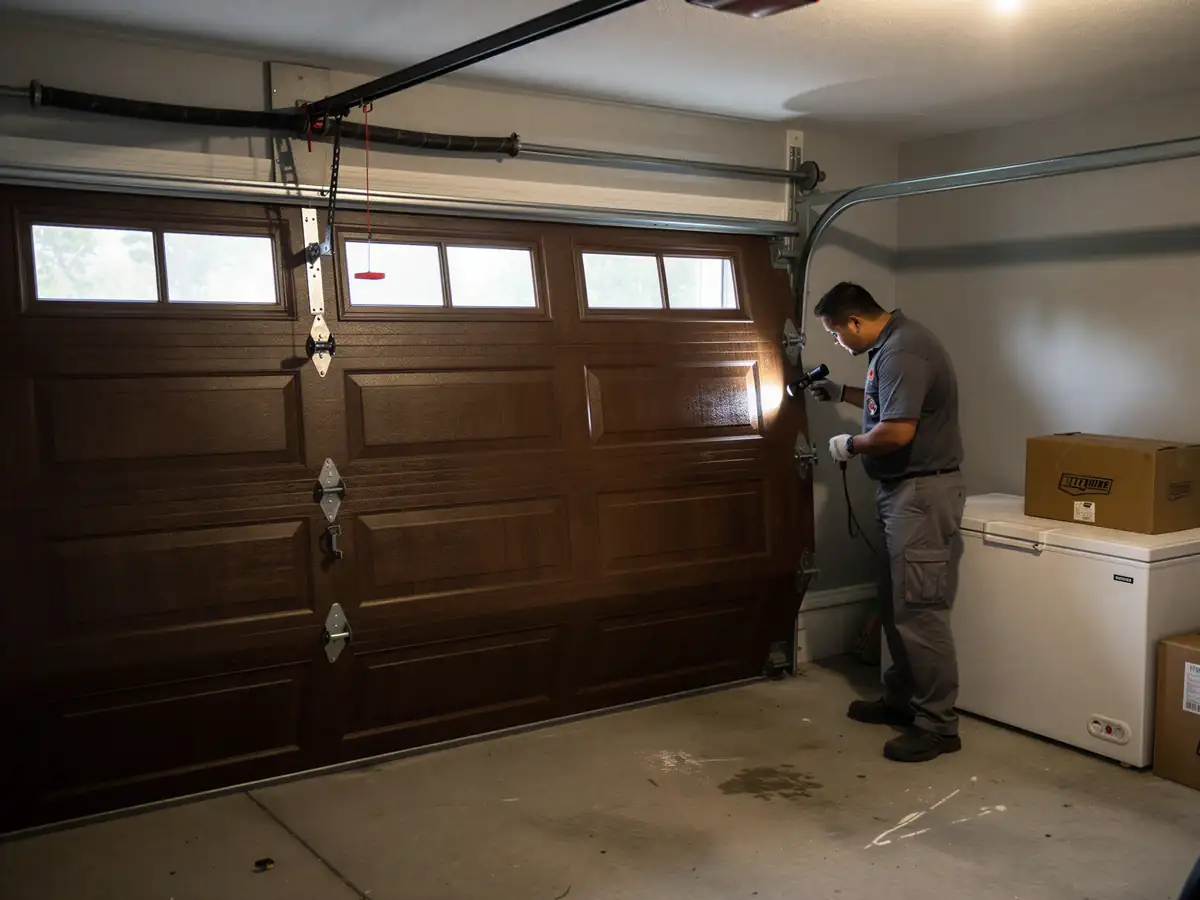
The most common call we get out of Cedartown isn't a dead opener - it's a door that's started hesitating partway up, or that reverses on its own before it reaches the top. On hardware from the 1970s build era, that's almost always a spring that's lost tension unevenly, or a track that's drifted out of plumb after decades of seasonal temperature swings. A door that groans going up but closes fine is usually rollers; a door that won't stay up at all is almost always the spring.
If your opener is straining audibly or the door drops the last foot instead of settling, that's worth a call before it becomes a cable snap. We'd rather look at it on a scheduled maintenance pass than get the emergency version of the same problem six months later.