Why It Happens Here
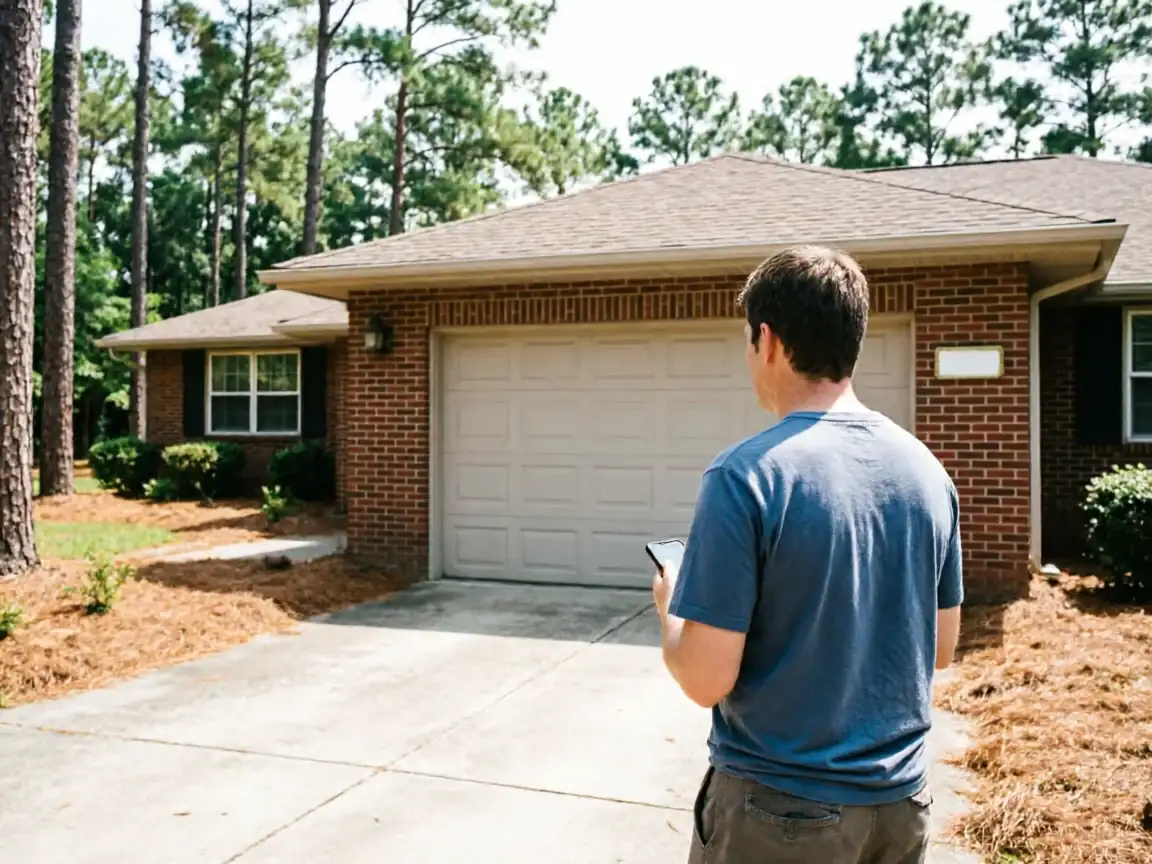
Most houses in Cedartown went up around 1976, which puts a lot of garages here into the same stretch of door hardware: steel torsion springs rated for a lighter door than what's actually hanging on them, and openers that have outlived two or three remodels of the house around them. Nobody pulls a spring or swaps an opener unless something breaks first, so if a Cedartown garage hasn't had a service call, there's a decent chance the spring, the track brackets, and maybe the opener motor itself are the same pieces that went in when the house was framed.
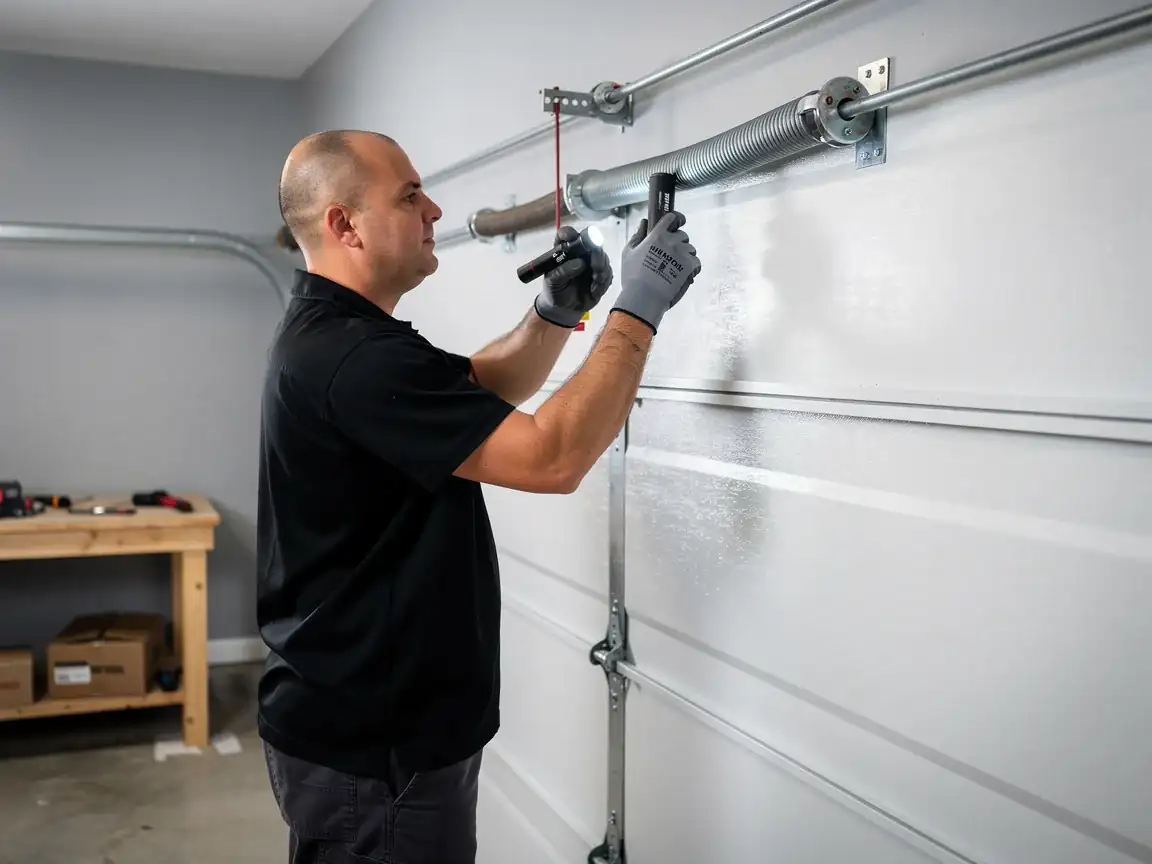
That matters because 1970s-era torsion springs were wound to lighter load specs than what builders use now, and almost fifty years of daily cycling - door up, door down, twice a day for decades - wears wire that was never meant to run that long. The failure doesn't announce itself with a dramatic snap most of the time. It shows up as a door that's gotten heavier to lift by hand, or an opener straining on the last foot of travel because the spring isn't carrying its share anymore.
Georgia's winters aren't brutal, but cold mornings still stiffen grease in old bearings and rollers that haven't been lubricated since Carter was in office. Combine original hardware with a few cold mornings a year and you get the kind of slow-building fault that finally gives out on an ordinary Tuesday.
Booking a Visit
We run out of Rome
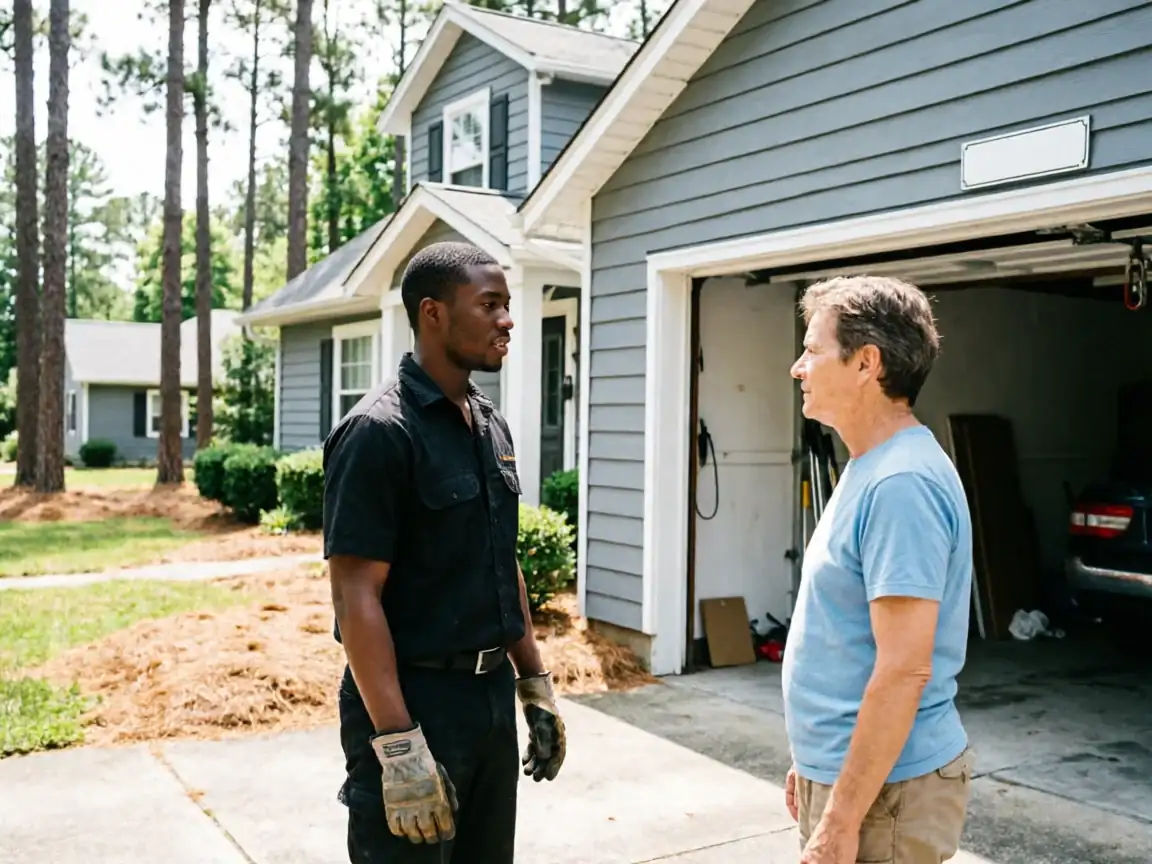
And Cedartown sits about 17 miles out, so a visit here is a scheduled trip, not a same-day drop-in. When you call, tell us the age of the house if you know it and whether the opener looks original - that one detail changes what we load on the truck before we leave Rome, since a 1970s torsion spring and a modern opener board aren't the same part run.
- 17 miles
We'd rather show up once with the right spring size and the right logic board than twice because we guessed
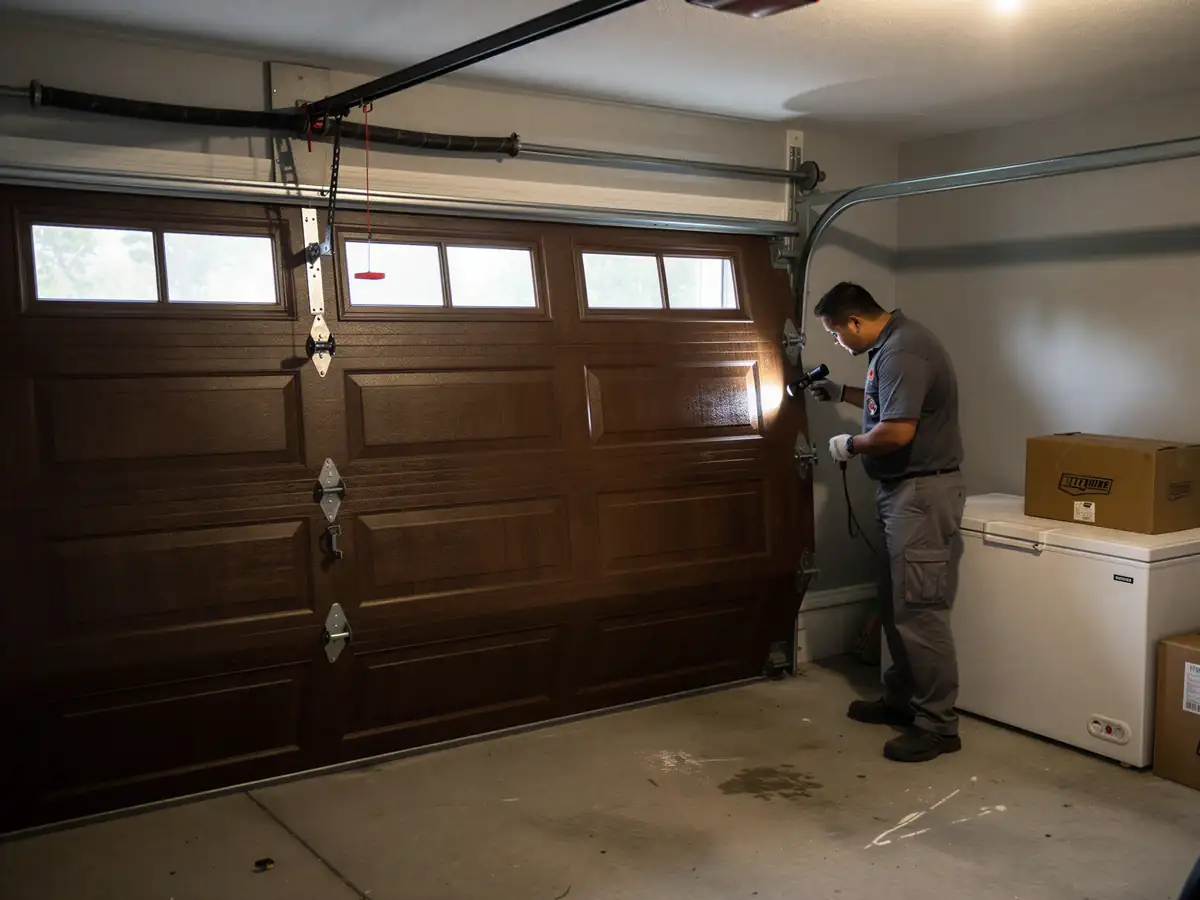
If you're not sure what's original and what's been touched, that's fine - we can usually tell within a few minutes of looking at the hardware in person.
There's no branch or depot in Cedartown itself
Every job here is dispatched from Rome, so book ahead when you can rather than expecting a same-morning fix.
Doing It Yourself
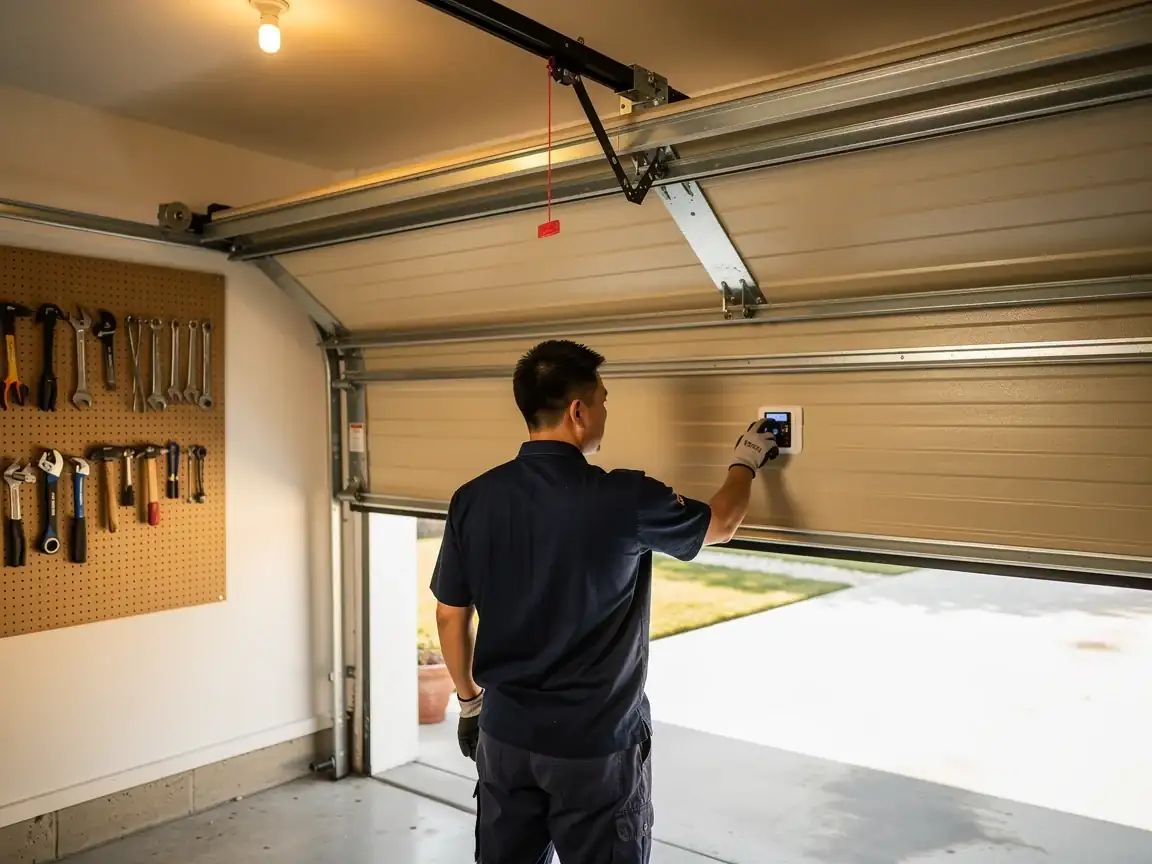
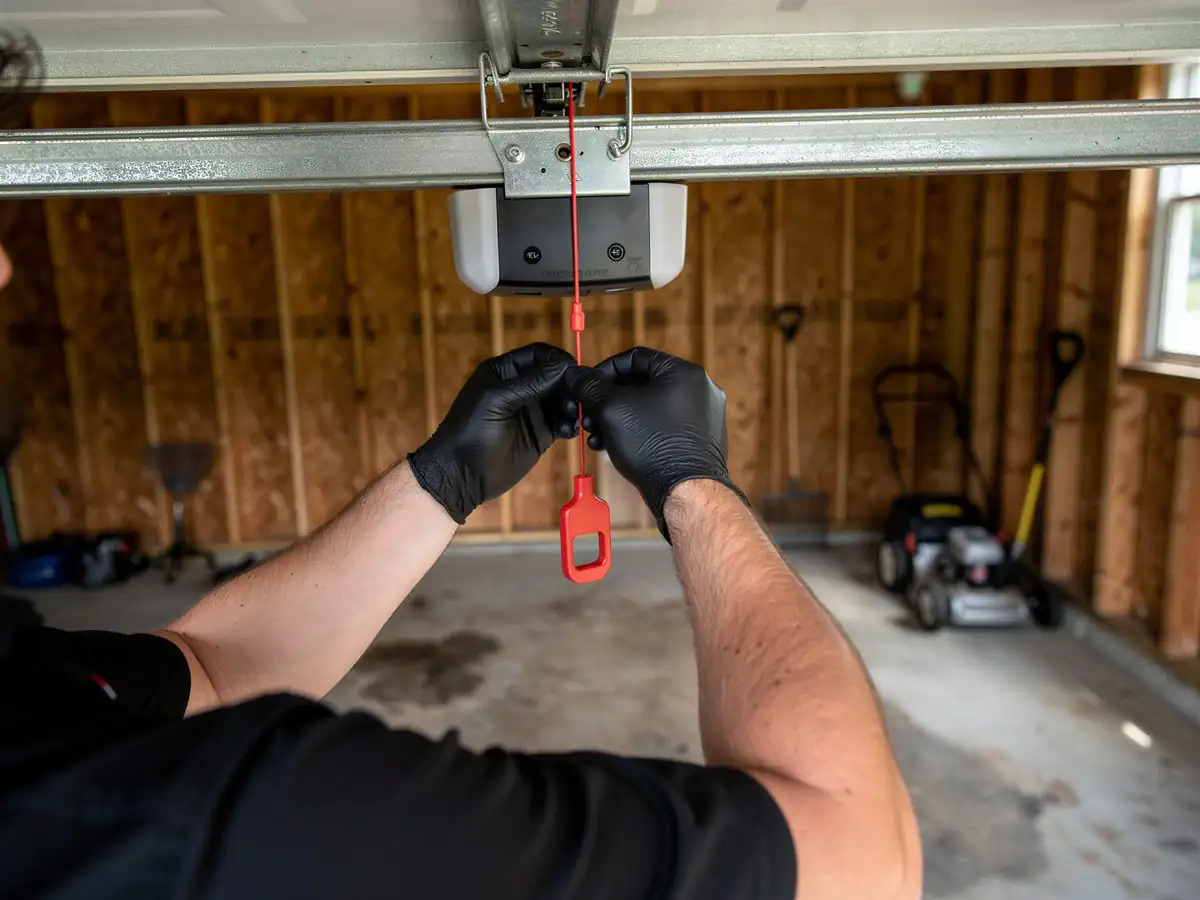
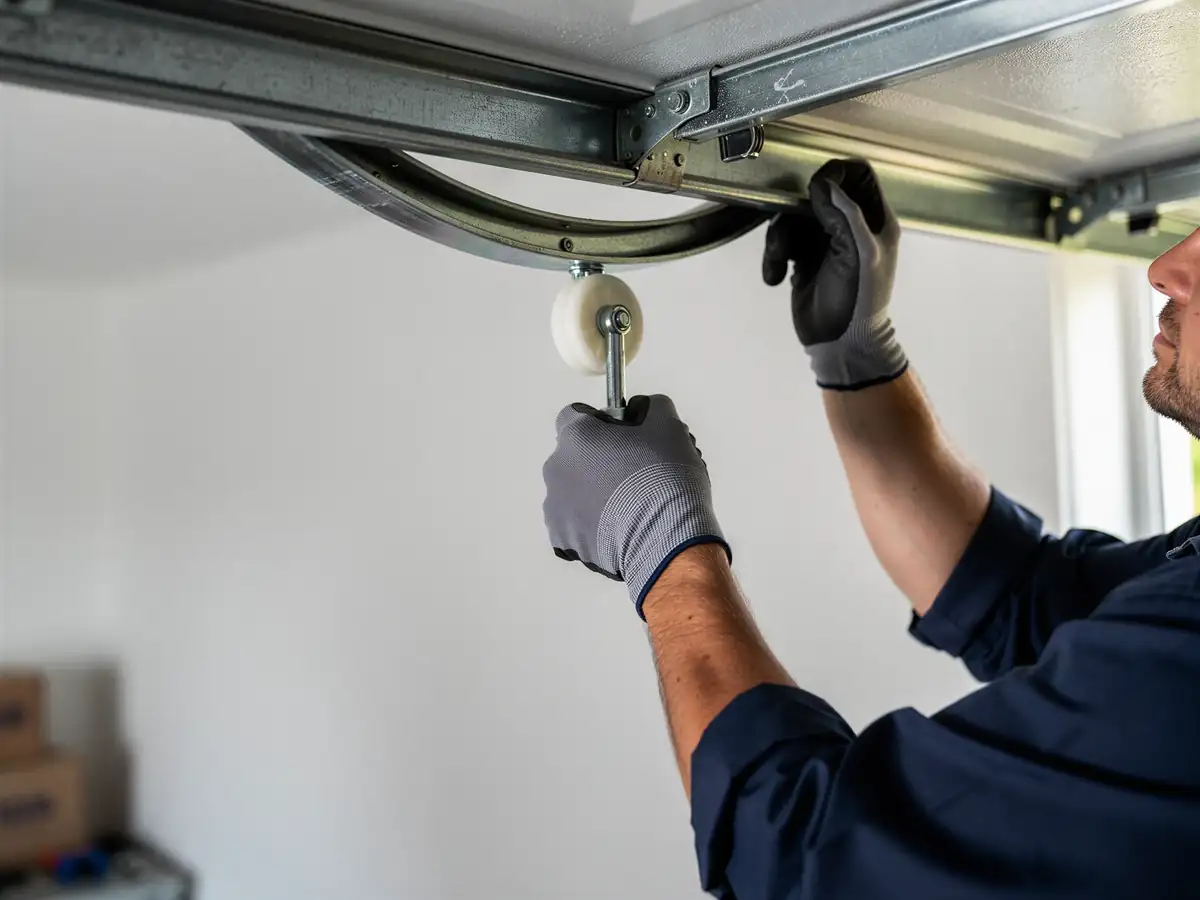
Lubricating rollers and hinges, checking that the photo-eye sensors near the floor are clean and aligned, and tightening loose bolts on the track brackets are all reasonable for a homeowner to do on a door this age. None of it requires touching the spring.
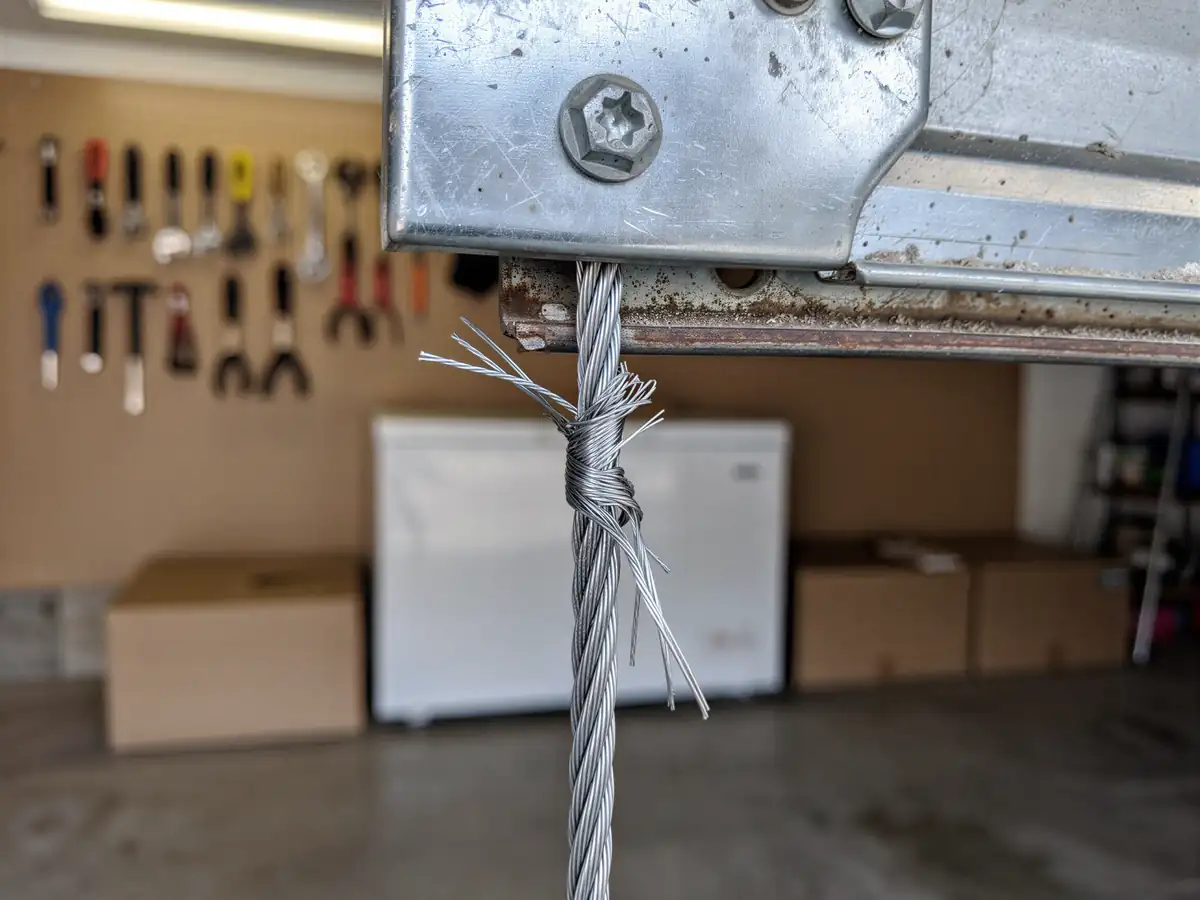
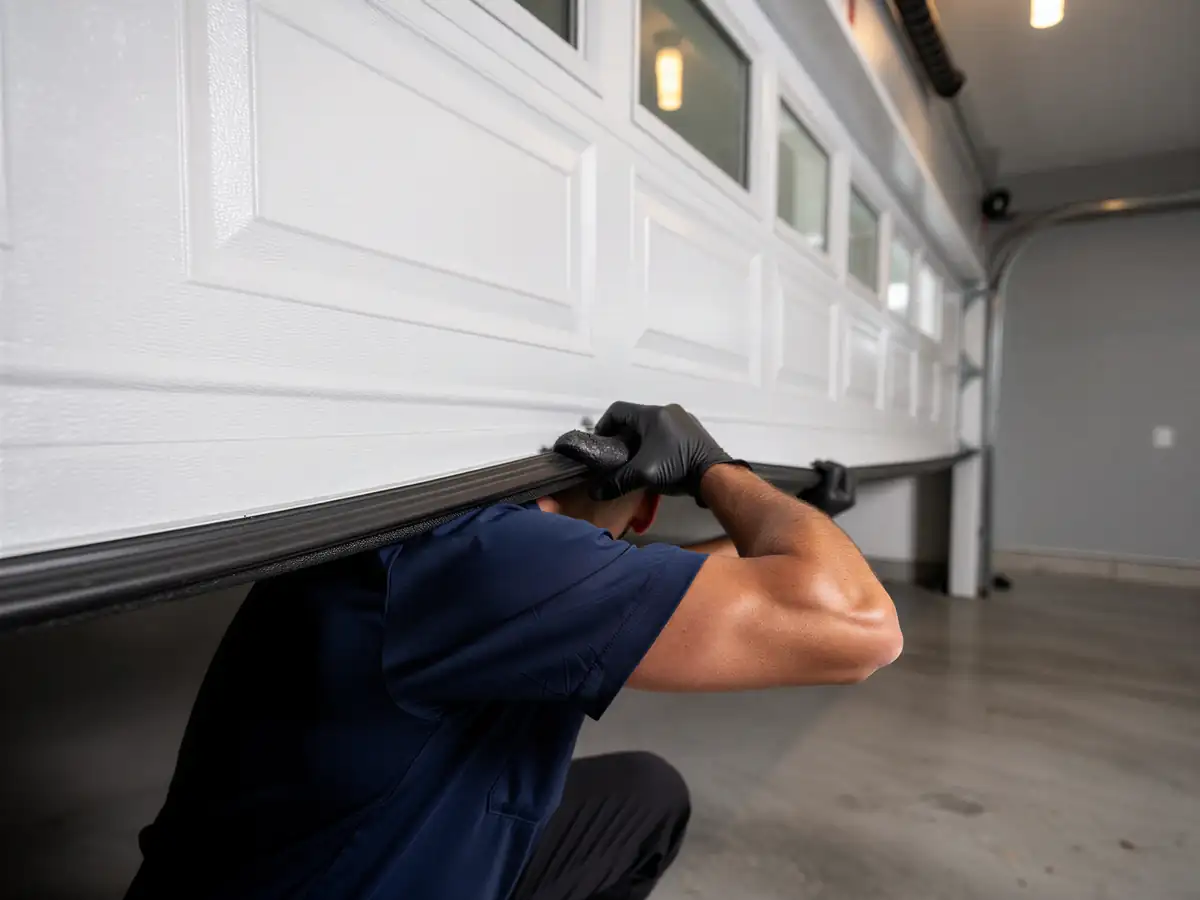
What you shouldn't do yourself: adjust or replace a torsion spring. On a door built to 1970s-era specs, the spring is wound under enough tension to break bones or worse if the winding bars slip, and that risk doesn't go down because the house is older - if anything it goes up, since nobody can tell you exactly how much life is left in a coil that's close to fifty years old. If the door feels heavy, or the opener strains and reverses before it closes, stop operating it and call. That's a spring problem, not a lubrication problem, and it's the one repair on this list that isn't a DIY job regardless of your tools.
The Symptom
The most common call we get out of Cedartown is a door that reverses on its way down, or an opener that runs but the door barely moves. Both point at the same root cause on a house this age: a torsion spring that's lost enough tension that the opener is trying to lift the full weight of the door by itself, something it was never built to do.
A secondary symptom is a door that's noticeably harder to lift by hand than it used to be - same cause, earlier stage. If you catch it at that point, it's usually a planned spring replacement instead of an emergency one.
We don't always recommend fixing the spring and leaving the rest alone. If the opener motor is also original to the house, replacing a spring on a door with a forty-plus-year-old opener often means we're back out in a year or two for the opener itself. We'll tell you straight when it makes more sense to do both at once instead of paying for two trips from Rome.