Why It Happens Here
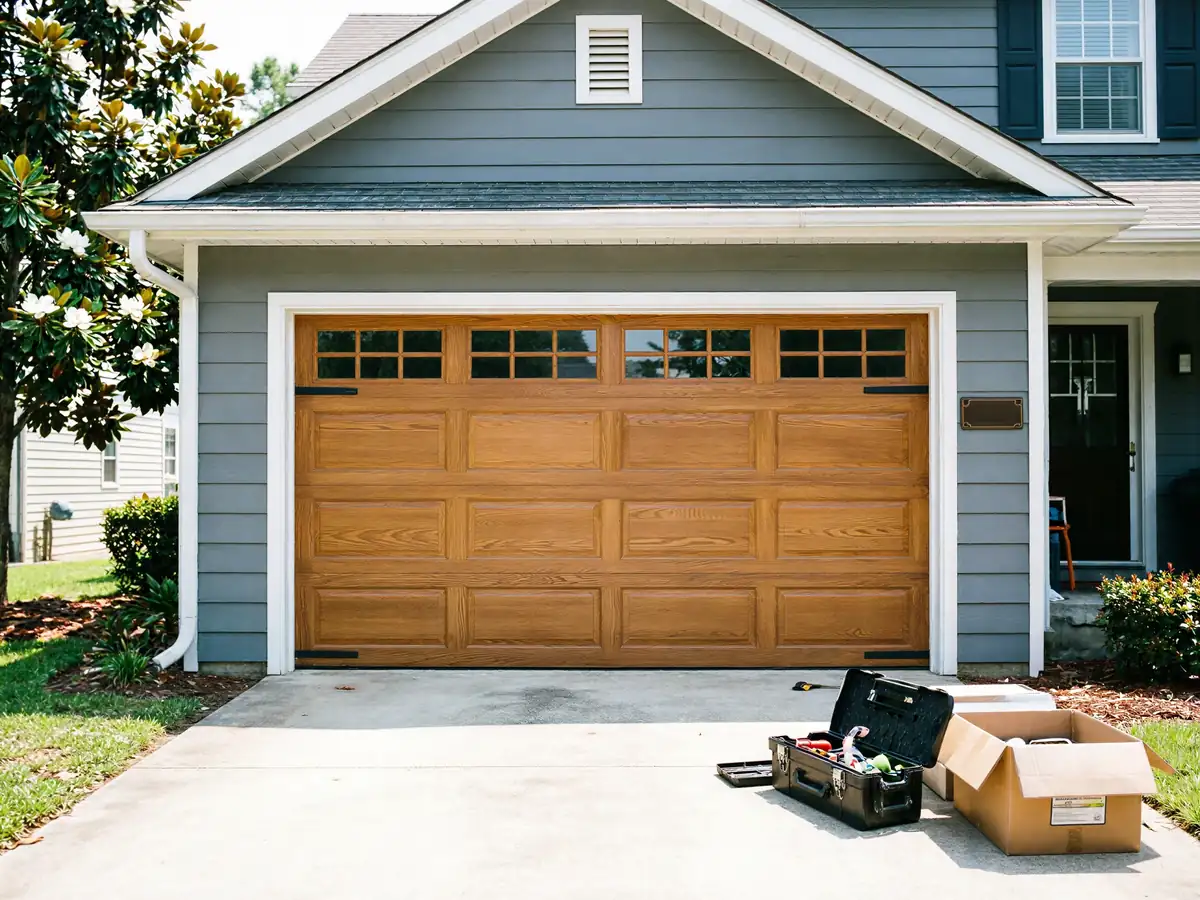
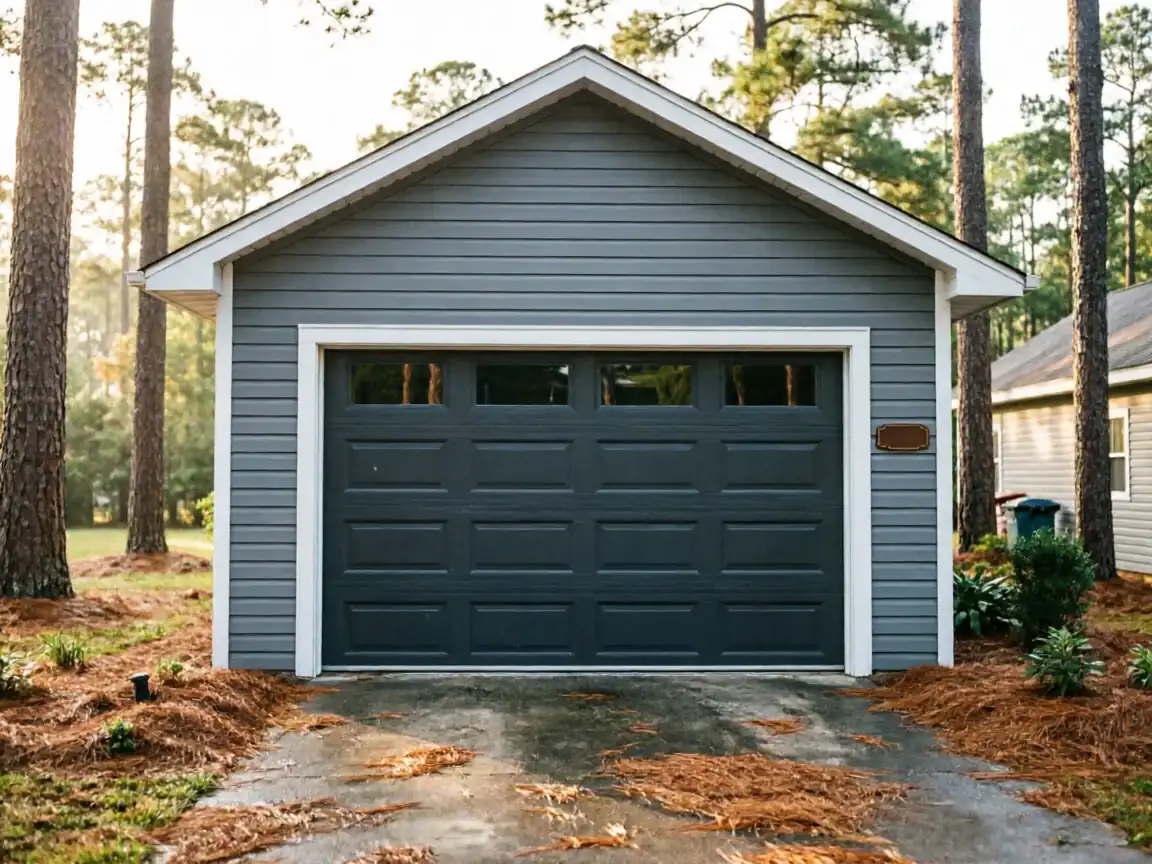
Rome's own housing stock spans 1957 to 2001 with a median around 1975 - a 44-year spread that covers three or four different eras of garage door hardware. Cedartown sits close to that median at 1976, but tighter: most of the doors we pull rollers out of here are from the same handful of years, which means the fault pattern repeats instead of varying job to job. A door built right around 1976 almost always shipped with steel rollers on a steel track, no nylon, no sealed bearing. That hardware doesn't fail gracefully. It wears the track groove unevenly first, then the roller stem bends under the load, then the door starts binding on one side before anyone notices a sound. By the time you hear the grinding, the track is already scored. In the cold-moderate winters this part of Georgia gets, the grease in those old steel bearings stiffens up on the coldest mornings, which is usually when a borderline roller finally seizes instead of just squeaking. We're driving the seventeen miles out from Rome for this job more than we are for most other roller calls in the area, mostly because the 1970s stock concentrated here runs this particular failure so consistently.
Doing It Yourself
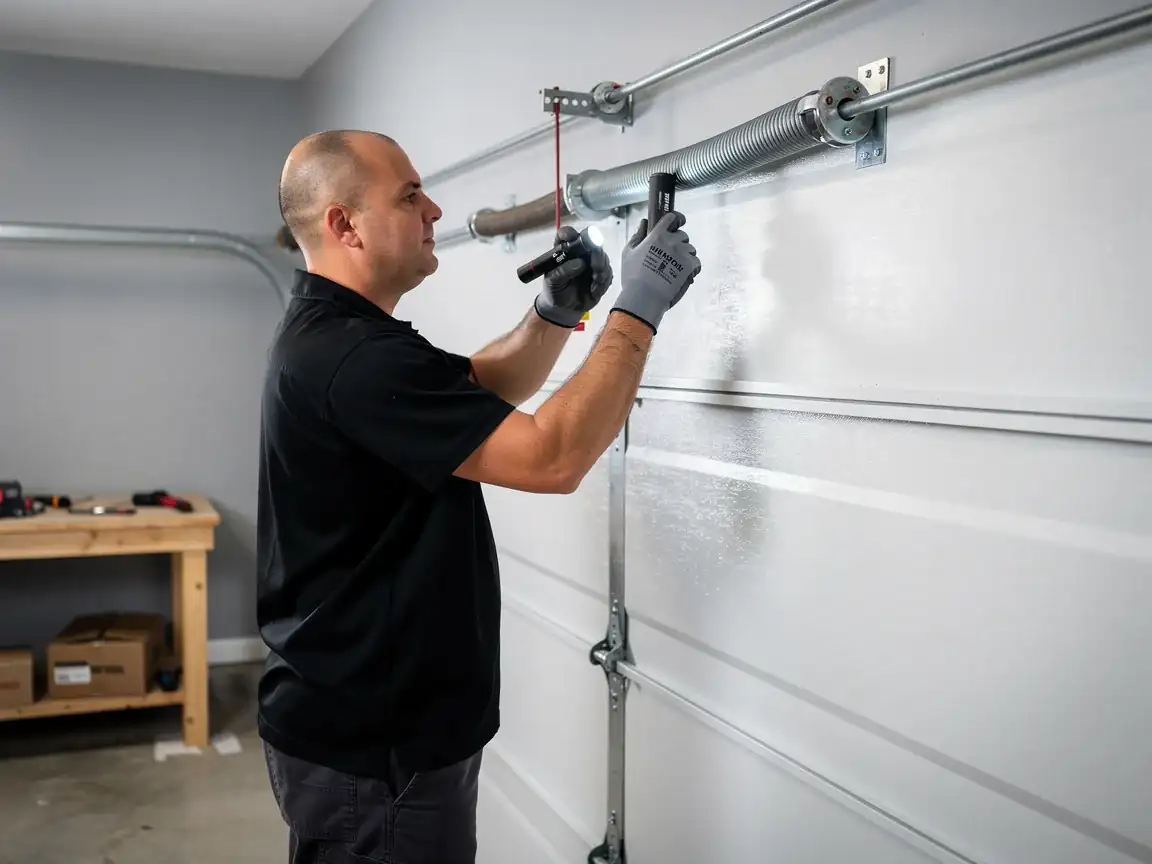
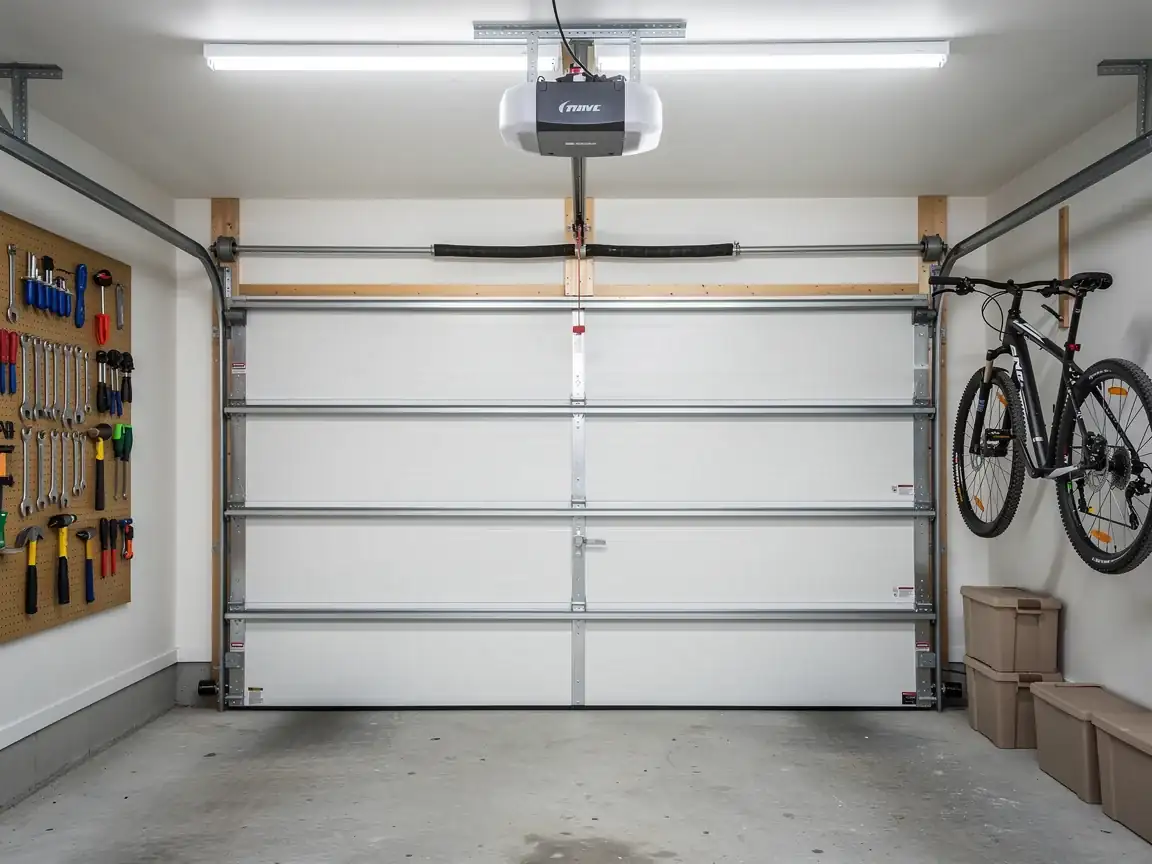
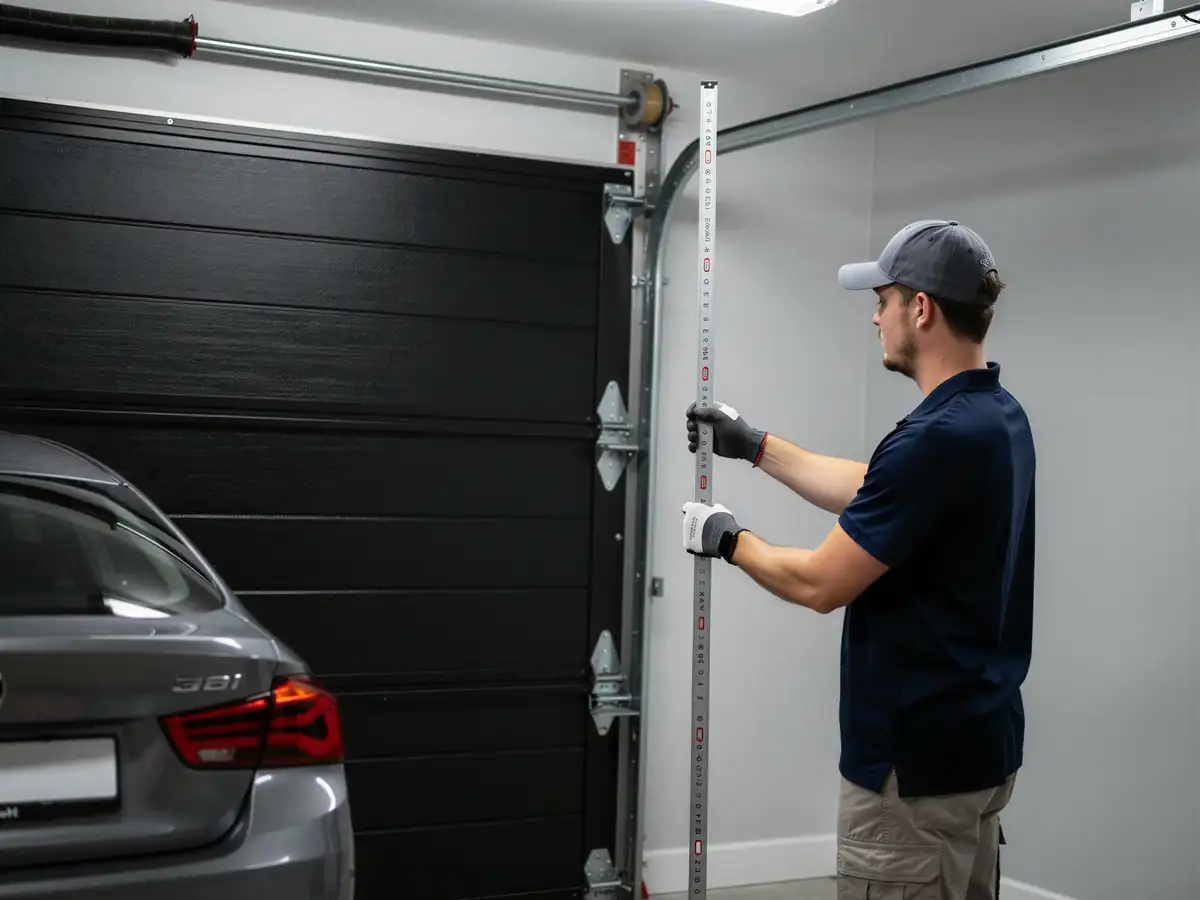
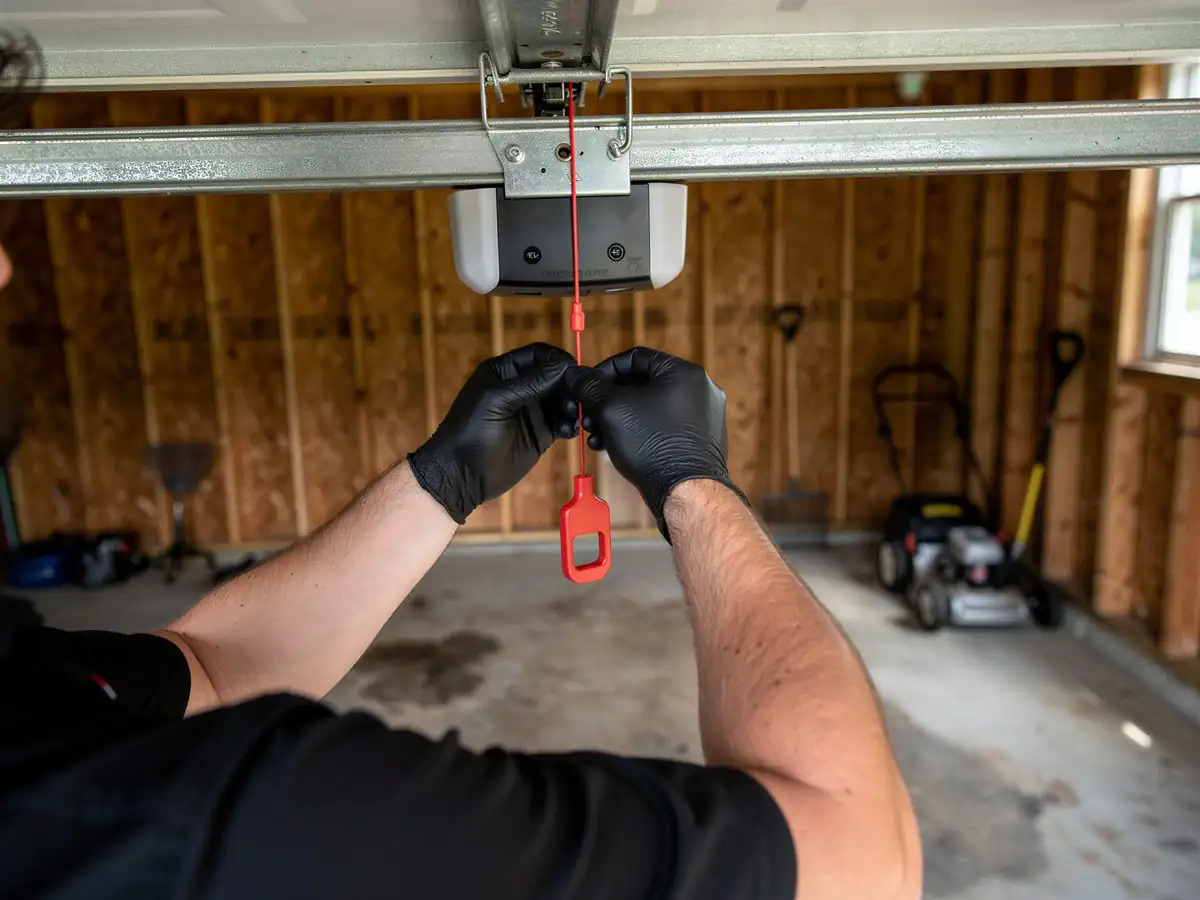
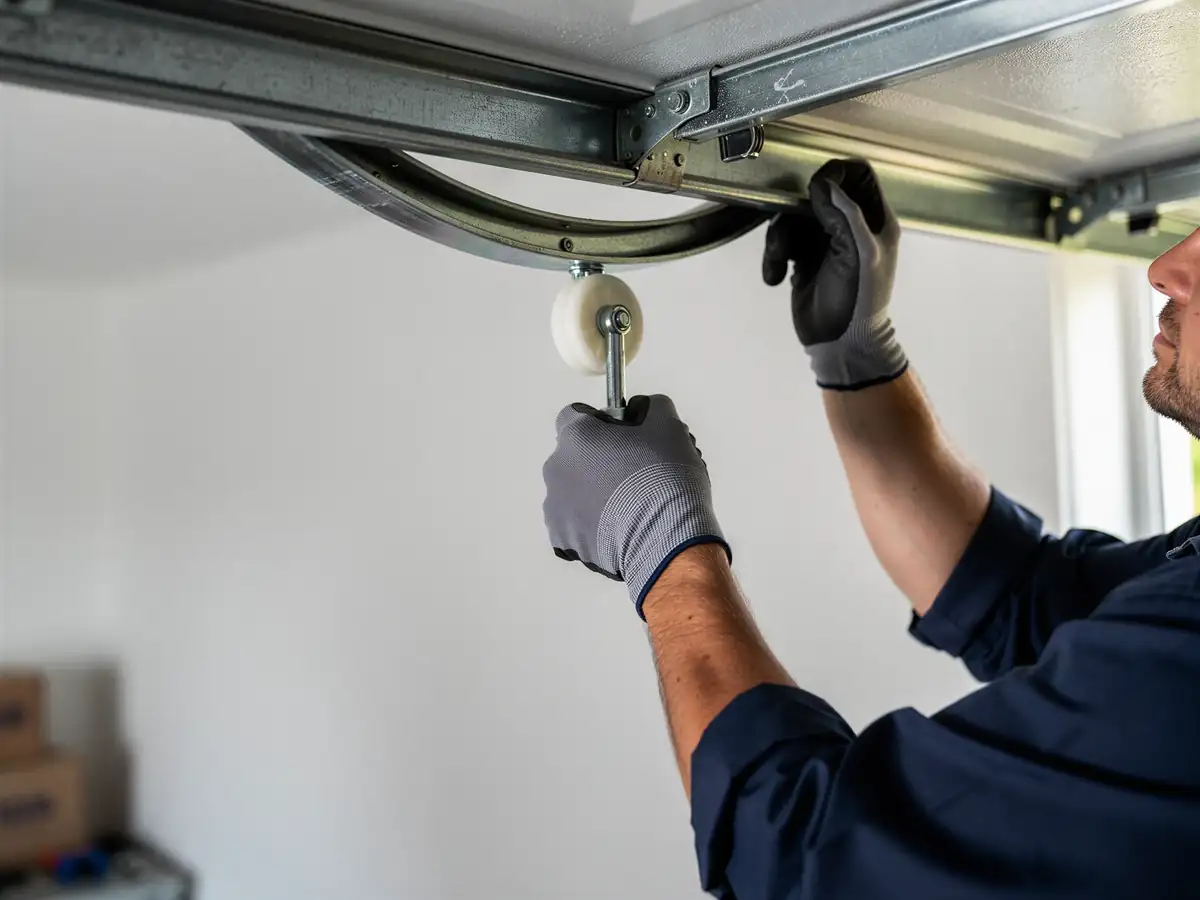
Replacing a garage door roller yourself is doable if the door is unplugged from the opener, the springs are released of tension, and you're only swapping rollers one at a time so the door never drops free on its track. The part itself isn't expensive. Where people get hurt is skipping the spring step, because a loaded torsion spring on a 1970s-era door can let go hard enough to break a hand. If your rollers are steel and the stems are bent, you can sometimes bend them back and limp along another year, but a bent stem that's already scored the track groove is going to keep wearing unevenly no matter what roller you put in next. We'd rather tell you that honestly than have you buy a nylon roller set that doesn't fix a track that's already out of true.
The Symptom
The door that needs this job doesn't usually fail all at once. It starts with a rhythmic thump or squeal as it travels, worse on cold mornings, worse on one side than the other. Then it starts hesitating partway up, like it's catching on something, because it is - a worn roller riding a groove it's cut into the track over years. Left alone, the opener starts working harder to pull the door past that spot, and eventually either the roller stem snaps or the opener's motor burns out trying to force a door that was never going to move freely again. If your Cedartown door is from the mid-to-late 1970s and you're hearing that grind, it's almost certainly the original steel roller set still in there, original to a house that's now approaching fifty years old.